





Diabetes is a long-term health condition that causes high glucose levels in the body, causing damage to blood vessels, nerves, eyes, kidneys, and the heart. Therefore, keeping the sugar levels nominal is essential to prevent complications of diabetes. However, managing diabetes is not limited to controlling the blood sugar level. It goes much beyond that.
In this article, you will come across some of the best tips you can follow to avoid long-term complications of diabetes. Not only this, you will experience overall health improvement in this way.
What is the Best Way to Manage Diabetes?
As we all know, controlling high blood sugar levels is a crucial step to preventing future complications of diabetes. Your general practitioner, nursing staff, and dietician can help recognize the fundamentals better and offer an effective treatment plan to manage diabetes. But, it ultimately depends on you how you administer your health.
Gather all the information about diabetes and ensure the following things:
- Have a healthy diet
- Involve yourself in some physical activities regularly.
- Maintain a healthy body weight
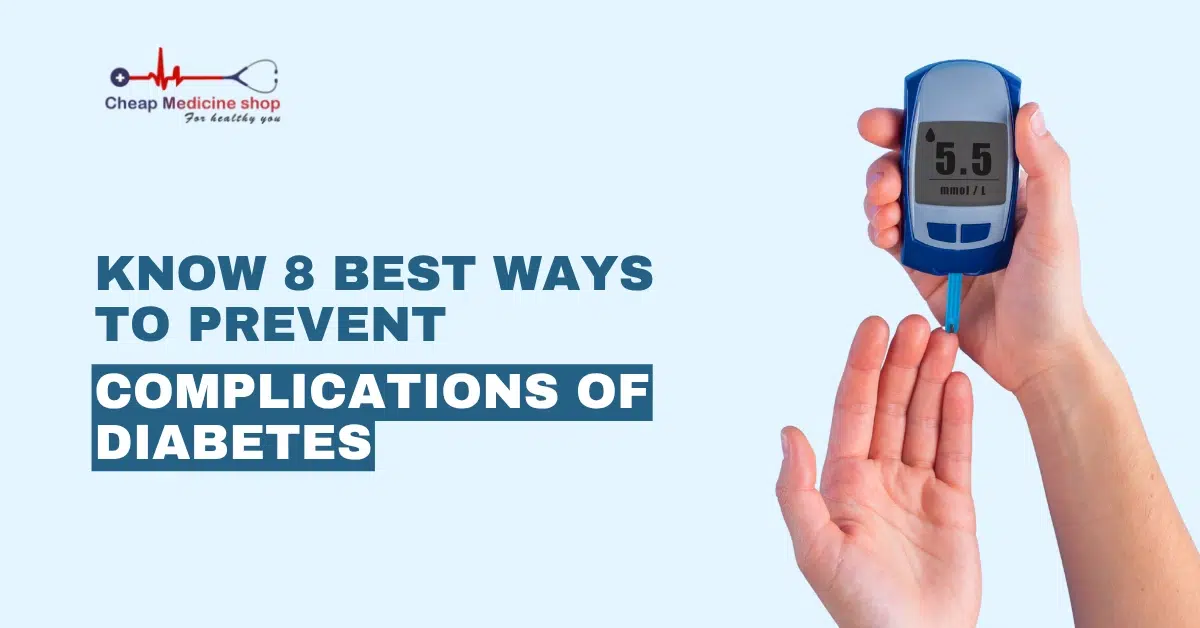
- Keep a check on the blood sugar level.
- Take your medications on time as prescribed by the doctor.
- Seek the assistance of your healthcare team whenever required
NOTE: Depending on the overall prevailing health condition, the medical professional will prescribe you relevant medicine, eg: Acarjohn 25 mg or Glucobay 25 Mg. But never self medicate, always consult the doctor before use.
It is crucial to take specific measures to prevent the complication of diabetes and transform such a sickness into a long-term tolerable health problem. Following are a few ways in which one can avoid complications of diabetes:-
Save up to 90% on your medicine bills
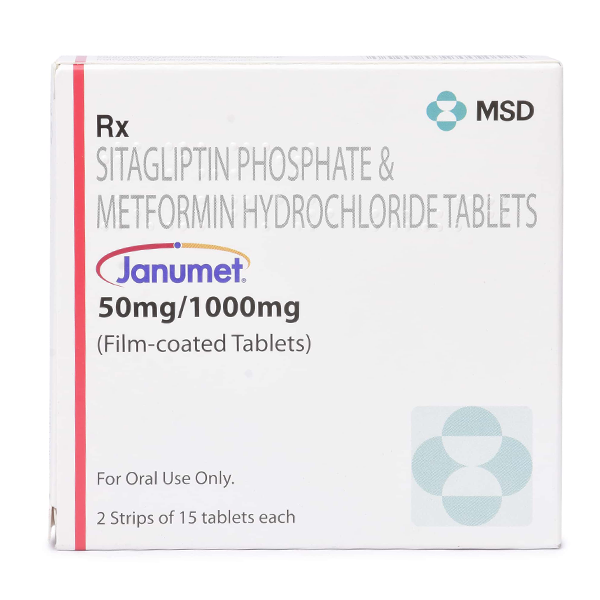
Janumet 50 + 1000 Mg
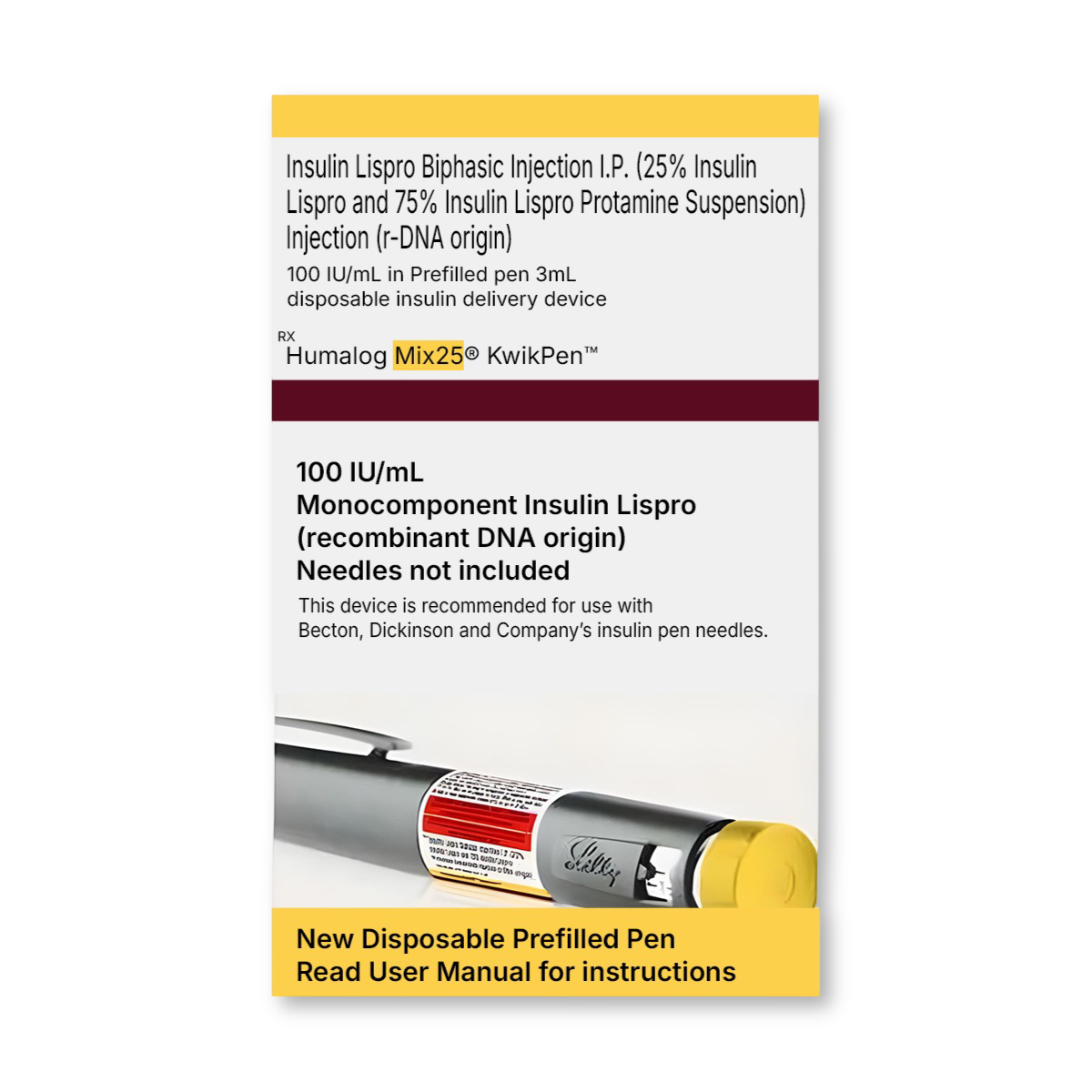
Humalog Mix 25 Kwikpen 100IU/ml
Starting at just $48.25 per tabletBuy Now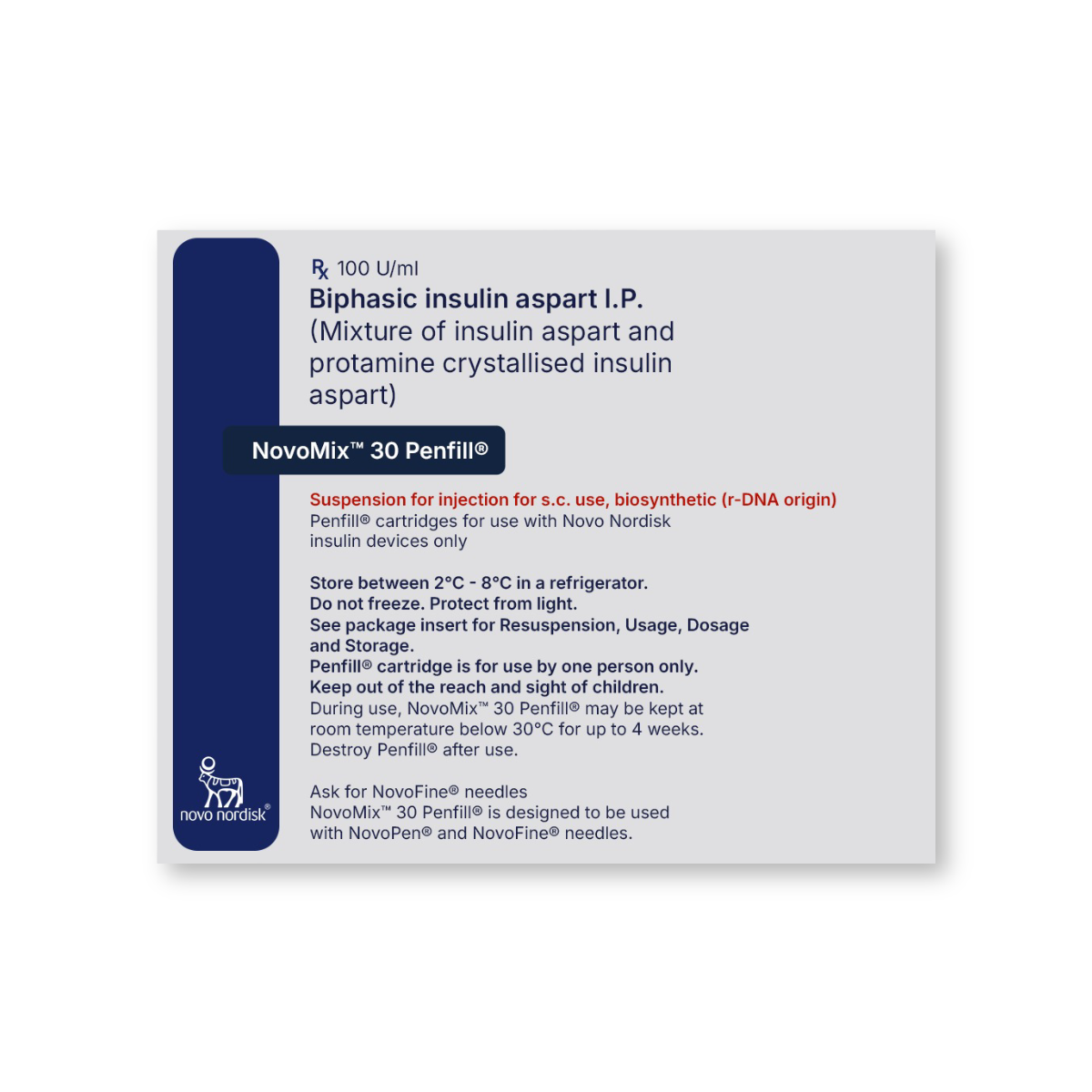
Novomix 30 100IU/ml Penfill
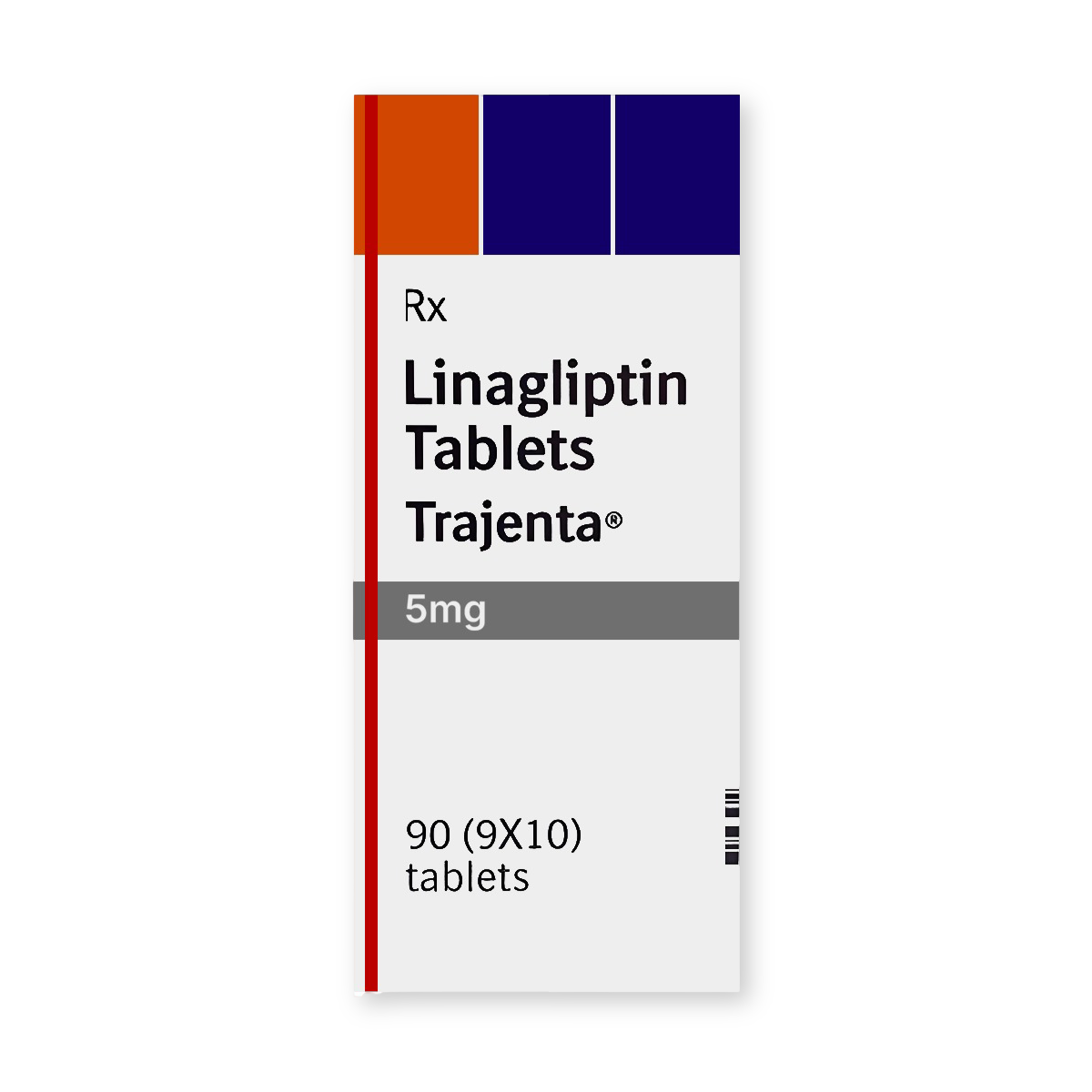
Trajenta 5 Mg
1. Control Your Blood Pressure
Various complications of diabetes are due to high blood pressure levels. Some of the major disorders that pose extreme risks are:-
- Diabetic eye disease
- Kidney disorders
- Heart disorders
People who have high blood pressure are susceptible to many serious diseases, including:
- Stroke
- Heart failure
- Coronary Artery Disease
- Peripheral vascular disease
What Can You Do?
- Have a low-fat diet
- Exercise regularly
- Take medications if required.
NOTE: Blood pressure plays a vital role among diabetics. Talk to your doctor to lower the risk; there are multiple effective medicines for it, such as Amlip 10 Mg, Amlocom 10 Mg, etc.
2. Get Screened
To lower complications of diabetes, one should ensure to get blood sugar level checked at least three to four times a year, along with routine physical and eye checkups.
Physical Examination: The doctor will ask about your diet and the activity levels you perform in a day during the exam. He will then check for the following diabetes-related complications:
- Nerve damage
- Kidney damage
- Heart disorders
Eye Checkup: The eye care specialist will check for the following health conditions:
- Retinal damage
- Glaucoma
- Cataract
3. Avoid Smoking
Smoking is injurious to health and causes life-threatening medical complications. It is even worse for people who get diagnosed with diabetes. Due to the following reasons, the doctor recommends diabetic patients stop smoking:
- Increased blood sugar level
- Damaged heart and blood vessels.
- Leading to severe respiratory disorders.
4. Get Vaccinated
People with diabetes are already at risk of getting affected by several diseases. Getting routine vaccinations can help keep them at bay. Following injections are essential for people who have diabetes:

- Influenza vaccine: You need an annual vaccine shot to combat the quickly responding flu virus. It can help lower the number of deaths for people with diabetes.
- Pneumococcal vaccine: People with diabetes are at high risk of developing pneumonia, meningitis, bacteremia, and other infections. You should get one shot of this vaccine before 65 and two more after crossing this age.
- Tdap vaccine: Tdap vaccine can prevent diseases like diphtheria, pertussis, and tetanus. People with diabetes need to get the vaccine as quickly as possible to avoid the risk of complications.
- Zoster vaccine: People 50 years or older should get a shot of the zoster vaccine to reduce the risk of developing shingles. Researchers have found that 1 in every 3 Americans gets shingles at some of the other points in their lifetime.
- Hepatitis B Vaccine: The HBV(hepatitis B virus) severely damages the liver and can lead to liver-related ailments like liver cancer and cirrhosis. People under the age of 60 should get this vaccine to avoid the risk of transmission of HBV infection.
5. Avoid Alcohol Consumption
Depending upon the way of drinking, your blood sugar level may increase or decrease. Therefore, if you face trouble quitting alcohol at once, you can at least reduce your consumption. Alcohol beverages like beer and sweet wine contain carbohydrates that may raise the blood sugar level in a person. Therefore, moderate drinking can significantly help in lowering the complications of diabetes.
How To Drink?
Alcohol dehydrates the body. So, make sure to drink plenty of water before drinking. Create a list of items that lead to dehydration, and don’t amalgamate them with alcohol. Also, don’t drink on an empty stomach, as you will sprawl to intoxication more quickly, and the effects will worsen.
6. Take A Daily Dose Of Aspirin
As per the recent guidelines of aspirin therapy, those who don’t have key risk factors and diabetes should not take aspirin daily. However, men above the age of 50 and women over the age of 60 who have diabetes and other causative factors for stroke and heart diseases can take low-dose aspirin regularly. Therefore, low-dose aspirin treatment can help in reducing blood glucose levels.
7. Watch Out Your Feet
People with diabetes are more prone to foot problems because it can cause damage to nerves and blood vessels in the feet and result in diabetic retinopathy. If you constantly experience numbness, tingling, and pain in your feet, talk to your doctor for an appointment in order to get an adequate diagnosis.
Researchers have found that one in every five people with diabetes seeks hospital care because of foot problems.
8. Exercise regularly
Exercising is highly suggested for people who get diagnosed with diabetes. Exercising on a regular basis increases the body’s sensitivity to insulin and help prevent further diabetic complications like nerve damage.
Also read: 5 Exercises To Regulate Diabetes
What is the most common complication of diabetes?
Nerve damage (neuropathy) is one of the most common and early diabetic complications of diabetes that cause numbness and discomfort. Nerve injury is most common in the feet and legs, but it can also impact digestion, blood vessels, and the heart. Living a healthy lifestyle and keeping your blood sugar levels near your target range as possible can help you avoid or reduce the further progression of diabetes.
What will happen if diabetes is left untreated?
If not treated in time, diabetes can cause serious problems, including heart disease, nerve damage, blindness, renal failure, and amputations. Medical researchers estimate that adults who live with diabetes have a 50% greater chance of mortality than those without the disease.
Outlook
Apart from taking the necessary precautions to avoid complications of diabetes, it is also essential to living a healthy and fit lifestyle. Therefore, one should eat plenty of fruits, vegetables, and whole grains and avoid food that is high in sugar and fat.
In addition, regular exercise can help lower blood sugar levels and increase the body’s sensitivity to insulin, reversing insulin resistance. If you think your blood sugar levels are high, talk to your doctor at the earliest and get a blood sugar test done.