






Menopause is a natural occurrence in a woman’s body that refers to the end of their menstrual cycle.
Doctors usually diagnose women with Menopause after they stop experiencing periods for 12 months or more.
Women typically reach Menopause sometime between their 40 and 51, with 51 being the average age.
Despite popular belief, menopause is directly linked to sexual desire in females and often results in low libido.
Low libido in postmenopausal women can happen due to several underlying factors.
This article will discuss the connection between menopause on one’s libido and how one can increase libido after Menopause.
Understanding the Connection Between Menopause and Libido
During Menopause, women or Assigned Females at Birth (AMAB) often observe decreased sexual drive.
According to research, during Menopause, ovarian Estrogen production stops.
Since Estrogen is essential for women’s libido, its reduced production affects one’s sexual desires.
Another research states that Estrogen is responsible for vaginal lubrication, and its absence can cause vaginal dryness.
Vaginal dryness makes sex less pleasurable and causes discomfort, causing low libido in individuals.
Although Testosterone is more commonly linked to men, it is still important for women’s sexual desire.
Menopause often leads to lower Testosterone levels, resulting in reduced sexual interest among women.
Hence, one can say that Menopause shares a direct connection with libido in women.
Save up to 90% on your medicine bills
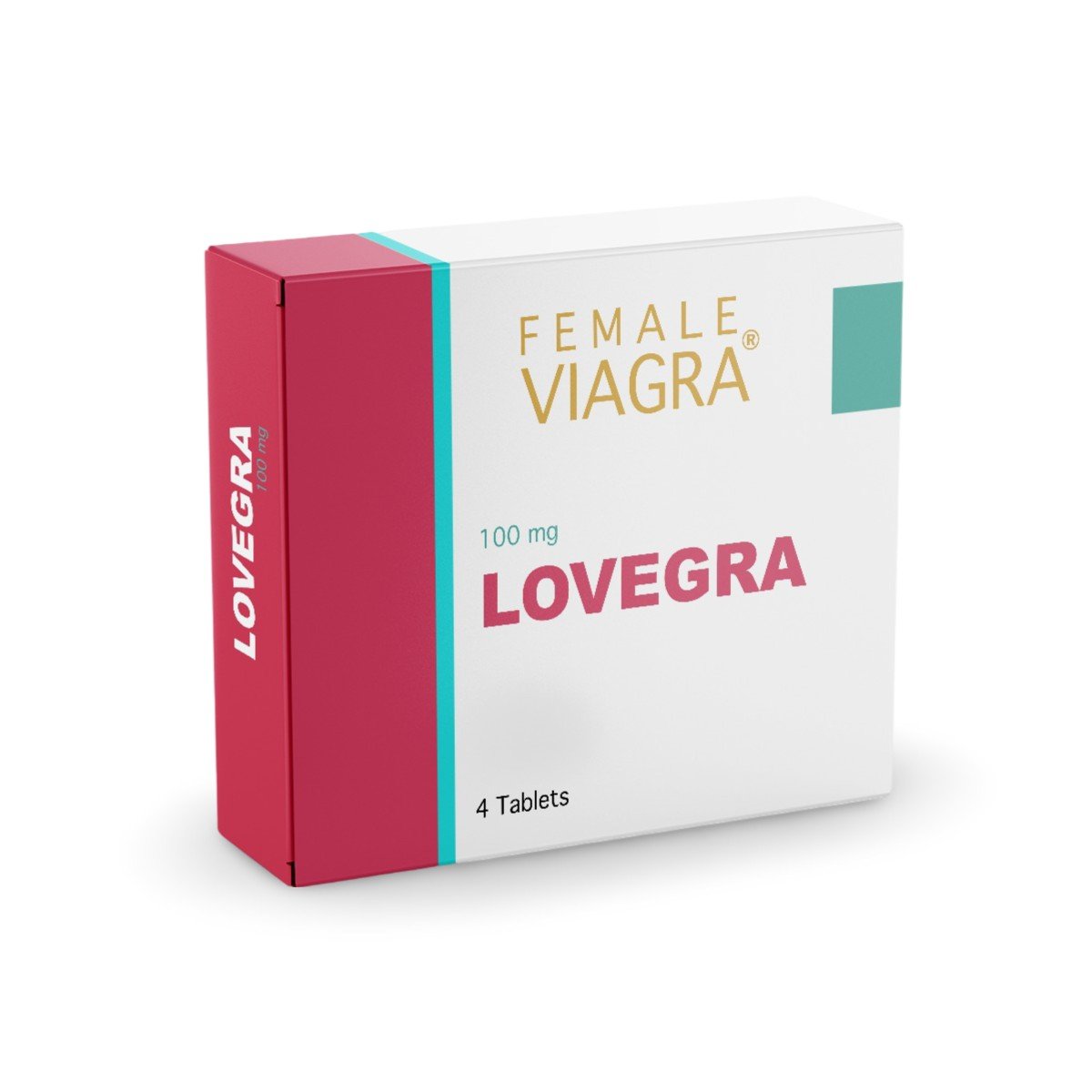
Lovegra 100 Mg
Starting at just $2.17 per tabletBuy Now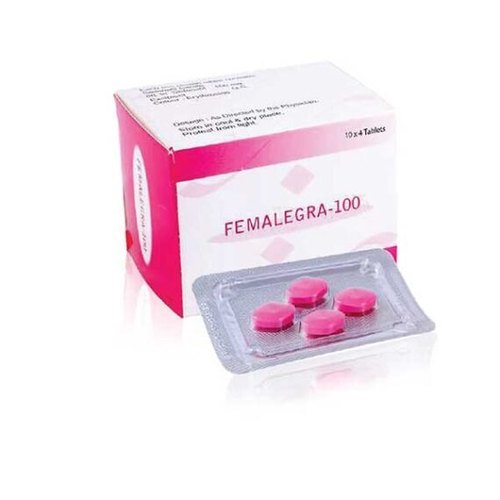
Femalegra 100 Mg
Starting at just $0.79 per tabletBuy Now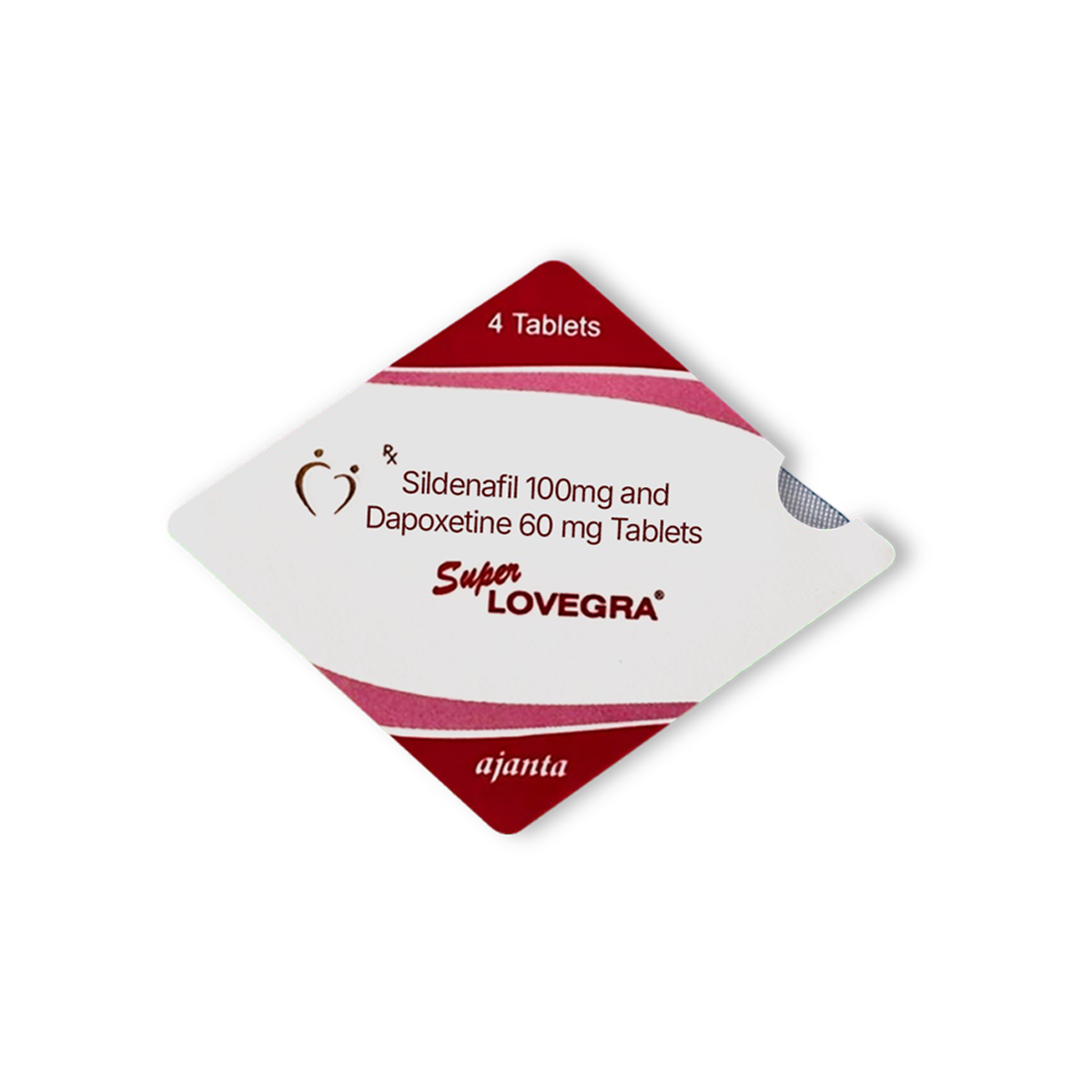
Super Lovegra Tablet
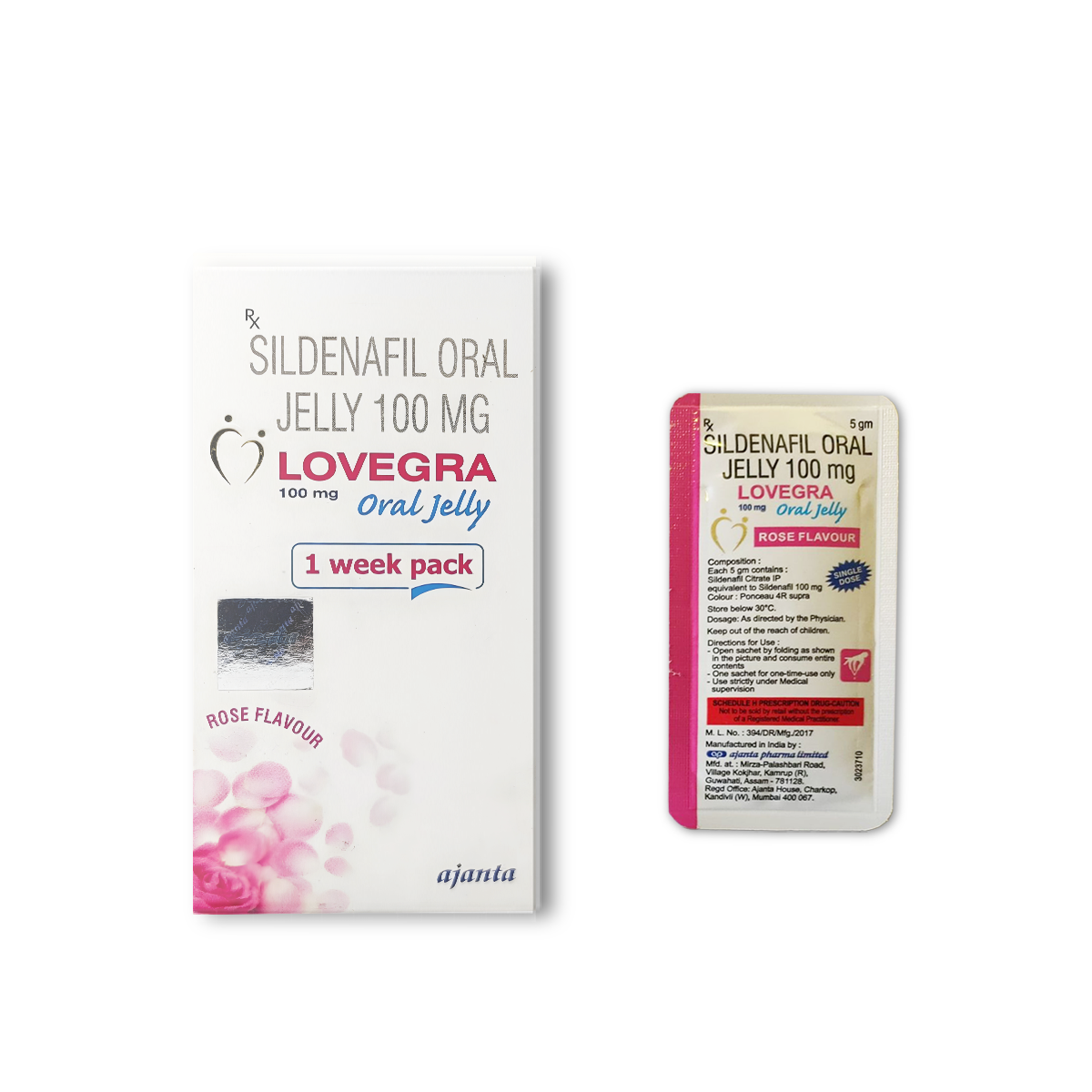
Lovegra Oral Jelly Rx 100 Mg
Factors Affecting Libido During Menopause

Apart from hormonal imbalance, there are several other underlying factors that may affect libido during Menopause.
A study states that factors like vasomotor symptoms, sleep disturbances, and mood changes cause low libido in postmenopausal women.
The vasomotor symptoms (VMS) refer to hot flushes resulting in night sweats.
These VMS symptoms cause changes in Estrogen levels which leads to low sexual desire.
Women often experience insomnia or disturbed sleep after Menopause.
According to another study, sleep deprivation can result in sexual dysfunctions in a person.
Female sexual dysfunctions can affect sexual performance, leading to low libido.
Several women experience mood changes during Menopause which can result in Depression and Anxiety.
Research states that women who struggle with Anxiety and Depression are likelier to experience lower sexual arousal.
The lower sexual arousal ultimately leads to low libido in women or AFAB.
How to Increase Libido After Menopause
Since post-menopause low libido is a common experience, it is natural to ask, “How to increase libido after Menopause?”
Individuals should always maintain healthy communication with their partners regarding their libido.
Since stress or other psychological factors after Menopause can cause low libido, therapy and stress management can be beneficial.
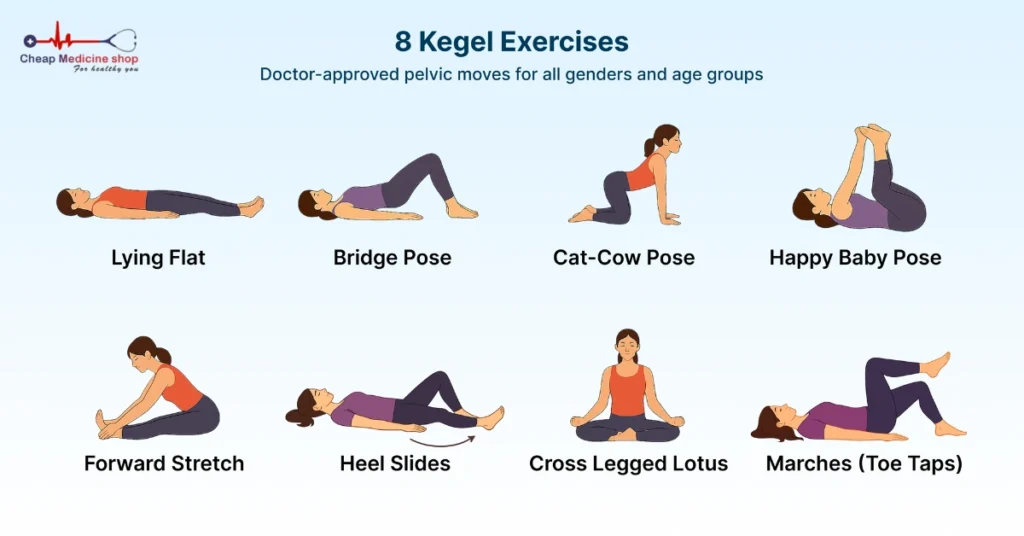
Performing aerobic and kegel exercises can increase blood flow to the genital region.
The increased blood flow can enhance sensitivity, making sex more pleasurable and boosting libido.
Research suggests that Estrogen Hormonal Therapy can effectively improve libido in postmenopausal women.
Doctors may also suggest libido pills for women, like Flibanserin and Bremelanotide, to treat low libido.
They may also prescribe Lovegra off-label to boost sex drive in women.
However, it is always best to consult your doctor before using or performing any of these ways of increasing libido.
If you want to know about supplements to boost libido, read What Are Top 4 Libido Supplements to Improve Sex Drive?
Conclusion
Menopause is a natural phenomenon and often negatively affects women’s libido or AFAB.
It often results in low production of Estrogen and Testosterone levels, which causes vaginal dryness and low sexual arousal.
The other factors of Menopause that affect one’s libido are hot flashes, Anxiety, Depression, and sleep deprivation.
Individuals can perform kegel and aerobic exercises regularly or opt for Estrogen Hormonal Therapy to treat low libido.
Doctors may also suggest medicines like Flibanserin and Bremelanotide to boost libido in postmenopausal women.
However, it is always advisable to consult a doctor before taking these medications to avoid side effects.
Frequently Asked Questions
Is it normal to experience post Menopause low libido?
Yes, it is normal to experience post Menopausal low libido. Low libido after Menopause may occur due to hormonal imbalance, vaginal dryness, hot flashes, sleep deprivation, or severe mood changes. It is always best to consult your doctor if you are experiencing low libido for a long duration.
How to increase a woman’s libido after Menopause?
There are several ways to increase a woman’s libido after Menopause. People can perform kegel or aerobic exercises, take therapy, and communicate clearly with their partners. Doctors may also suggest libido-boosting pills like Flibanserin, Bremelanotide, and Lovegra (off-label).
What are the natural remedies to improve libido after Menopause?
Several natural remedies can help in enhancing libido after Menopause. Women can use libido-boosting foods like nuts, watermelon, avocado, dark chocolate, and oysters. One may also use dietary supplements like ashwagandha, maca, and ginseng to boost their libido naturally.
How long does the decline in libido typically last during Menopause?
The duration for the decline in libido during Menopause varies for every individual. While some individuals experience the decline for a shorter period of time, others may require consultation and expert advice to deal with the decrease in libido.
Is hormonal therapy effective in boosting libido after Menopause?
Yes, hormonal therapy is quite effective in boosting libido after Menopause. Postmenopausal women often experience vaginal dryness due to decreased Estrogen levels, which causes low libido. Estrogen hormonal therapy can increase the hormone’s level and boost libido, making sex more enjoyable.
Cheap Medicine Shop only refers to credible, authoritative sources for our content. If you're curious about how we ensure the integrity of our content, we encourage you to read our Content Information Policy.