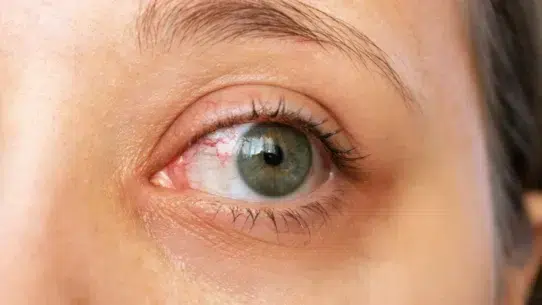







Glaucoma is a common eye condition and one of the leading causes of blindness. Globally, approximately 60 million individuals are affected due to Glaucoma.
However, Glaucoma is not limited to young adults and older people. Infants and young children might also get affected due to Glaucoma.
Congenital Glaucoma is a type of Glaucoma that affects children and newborns.
This article will discuss Congenital Glaucoma and its symptoms, causes, and treatments in detail.
Let us move ahead and dive into the article.
Congenital Glaucoma
Congenital Glaucoma, or Primary Congenital Glaucoma (PCG), is a type of Glaucoma affecting infants and children upto three years old.
It is also known as childhood Glaucoma.
Although Congenital Glaucoma is rare, it is a serious eye condition affecting eyesight from birth and causing cloudy vision, light sensitivity, and vision loss.
Congenital Glaucoma occurs when the fluid in the eye cannot drain properly, resulting in increased Intraocular Pressure (IOP).
This increased IOP leads to damage to the optic nerve and causes vision impairment or blindness.
Although PCG is serious, it is a treatable eye condition. Seek authorized and trustworthy ophthalmologists for the effective management of Congenital Glaucoma.
They may prescribe several Glaucoma eye drops for effective management of Congenital Glaucoma.
Several eye drops, such as Bimatoprost, Latanoprost, and Timolol, might help treat Glaucoma effectively.
To avoid Glaucoma eye drops side effects, read Understanding Glaucoma Eye Drops Side Effects.
Save up to 90% on your medicine bills
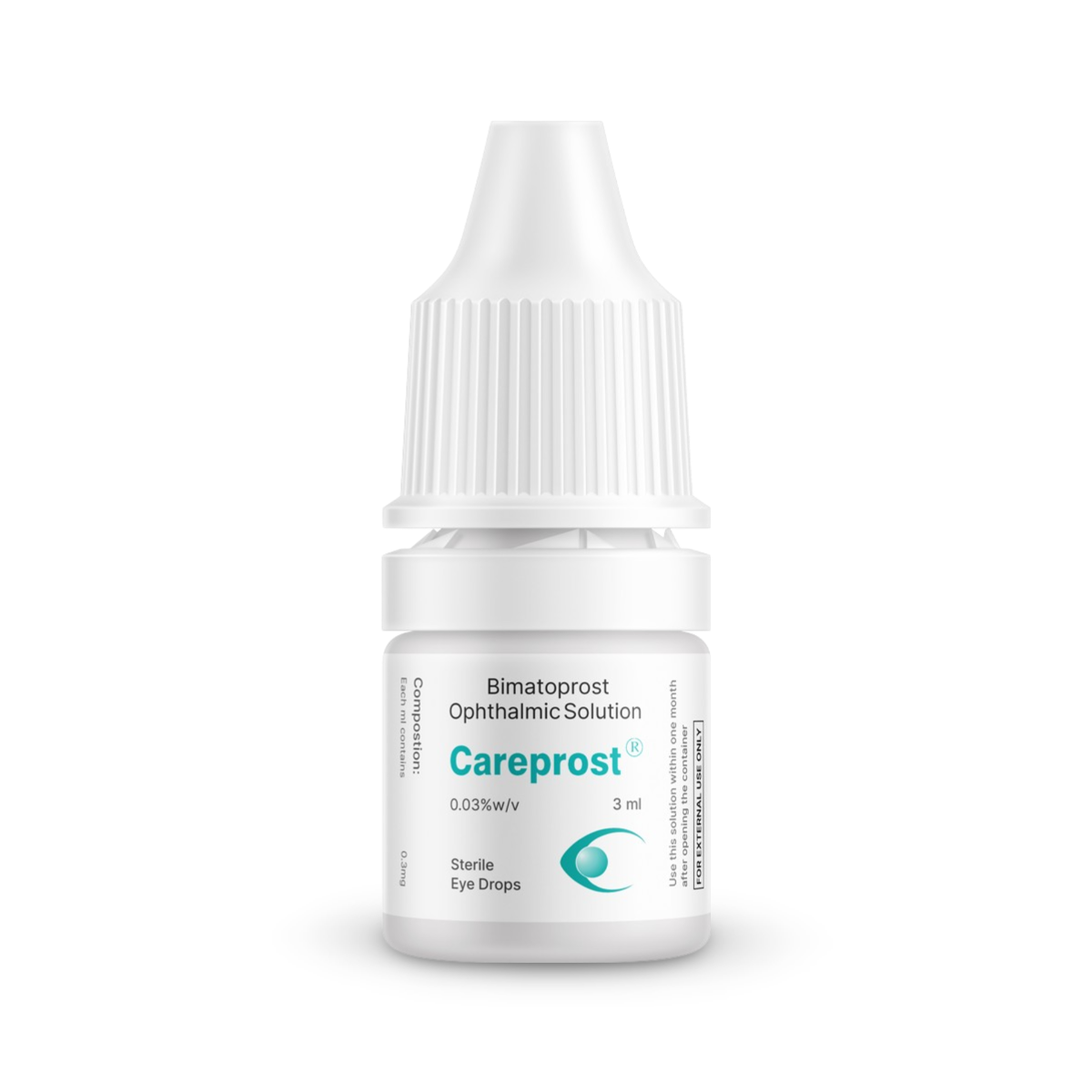
Careprost (With Brush) 3ml 0.03%
Starting at just $17.36 per bottleBuy Now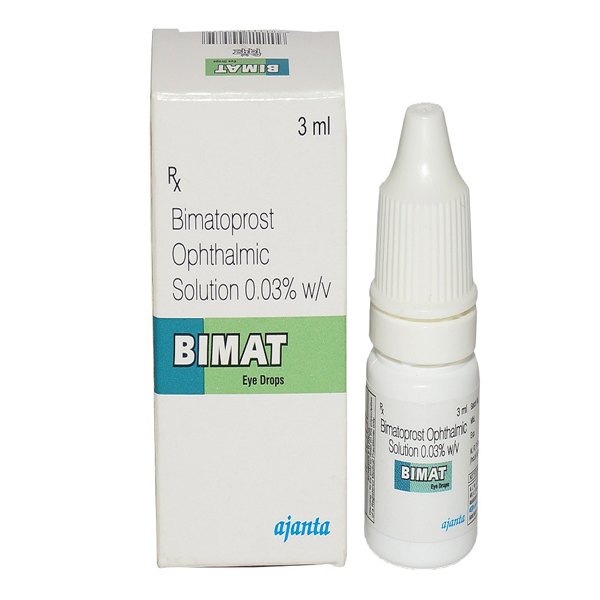
Bimat 0.03% w/v
Starting at just $10.16 per bottleBuy Now
Bimat (With Brush) 3 ml (0.03%)
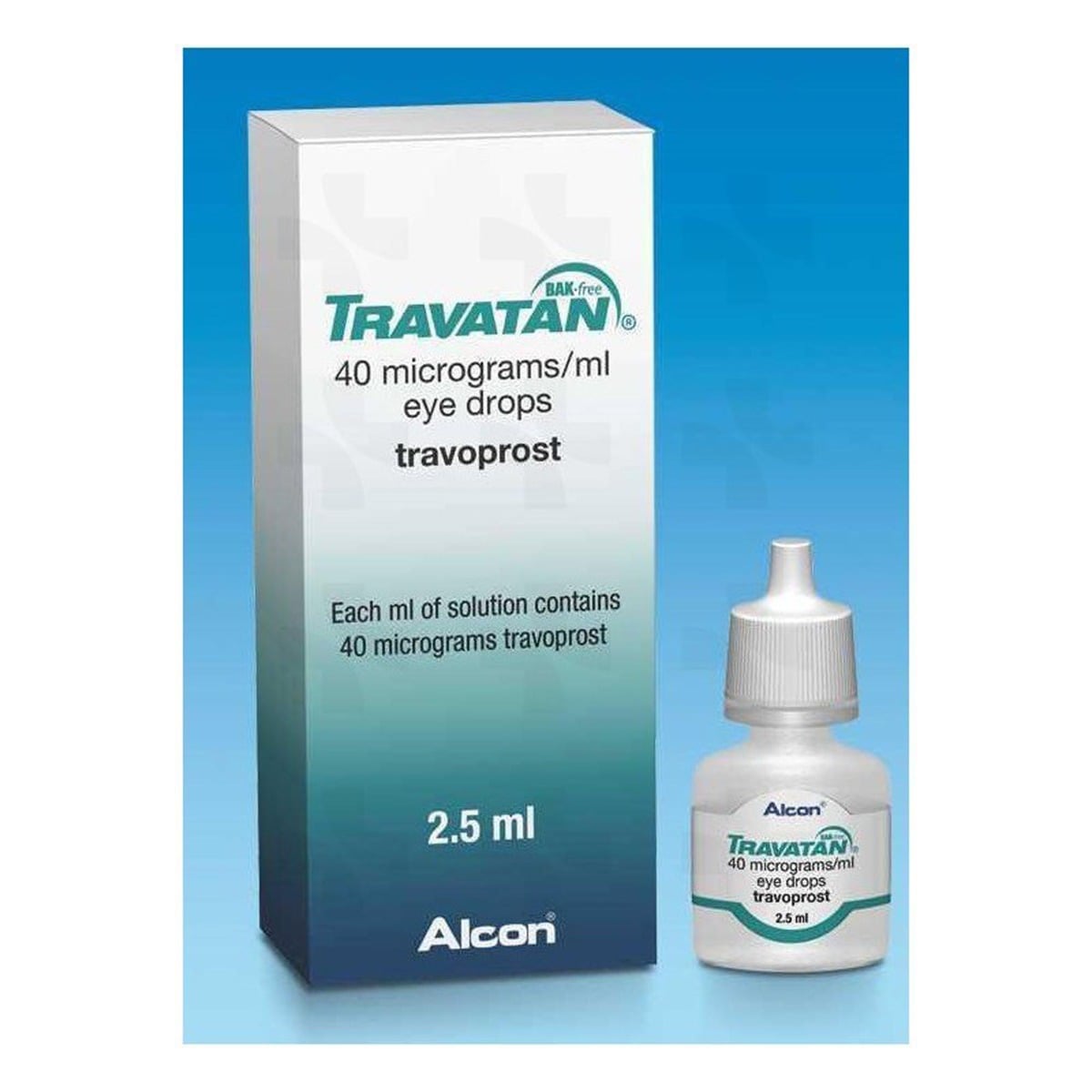
Travatan 40 Mcg/2.5ml
Congenital Glaucoma Symptoms
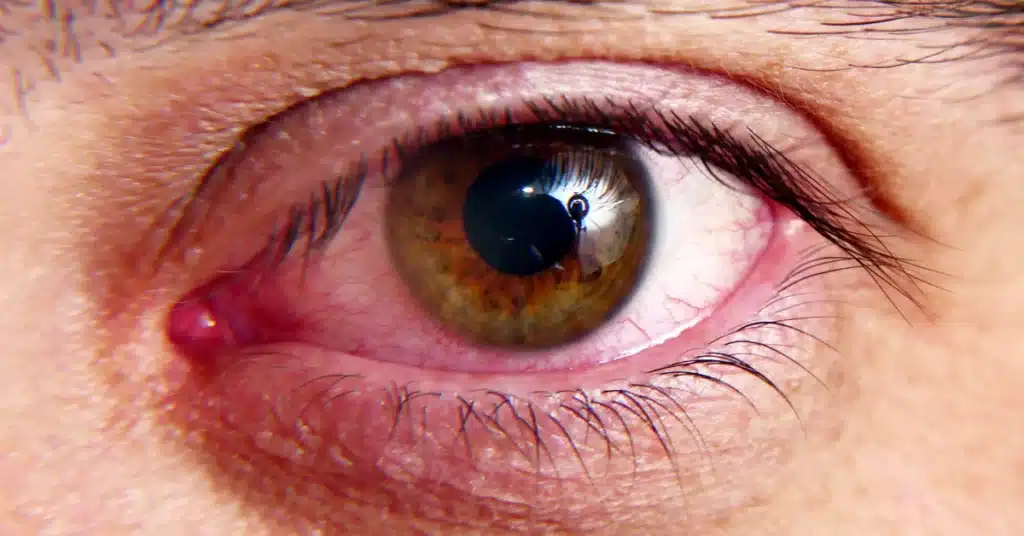
There are three main signs and symptoms of Congenital Glaucoma, indicating the presence of Glaucoma in newborns.
Symptoms of PCG include-
- Excessive watering in the eye
- Photophobia or being sensitive to light
- Closing eyes tightly involuntary, particularly in bright light
Besides these primary symptoms of PCG, parents or doctors might also notice:
- Enlarged eyes
- An enlarged cornea
- Irritability
- Hazy gray cornea
- Vision loss
It is vital to look out for these symptoms for an effective diagnosis and treatment of Glaucoma.
To differentiate Glaucoma symptoms from Congenital Glaucoma symptoms, read Unveiling the Signs: Glaucoma Symptoms, Types, and Early Detection.
Congenital Glaucoma Causes and Risk Factors
There are no fully known causes of Congenital Glaucoma. However, according to a review, the changes in CYP1B1 and LTBP2 genes might cause PCG.
Apart from these causes, there are several factors that might increase the risk of developing PCG.
Common risk factors of Congenital Glaucoma include-
- Having a sibling with Congenital Glaucoma
- Family history of Congenital Glaucoma
- Being a child of a first-cousin marriage
Congenital Glaucoma Treatment
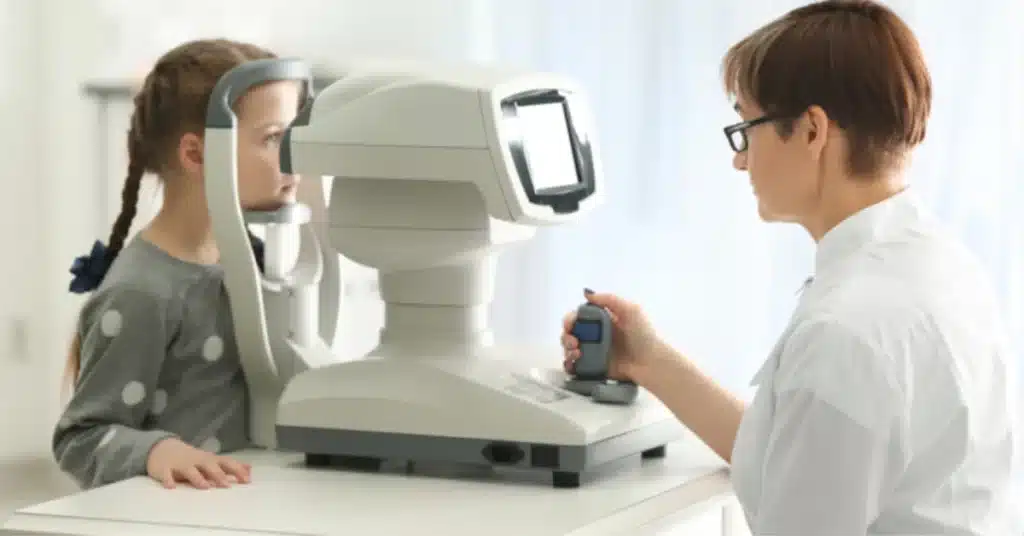
Several treatment options might help in managing this eye condition.
Early diagnosis and treatment of PCG might help to reduce the risk of vision loss.
Surgery is commonly prescribed and the preferred treatment option for Congenital Glaucoma.
It is effective in reducing the pressure buildup in the eye.
The common surgical treatment of Congenital Glaucoma includes-
- Angle surgery– It helps in draining fluid and preventing PCG to return
- Filtering surgery– It helps treat PCG by reducing the pressure from the eye by creating a drain in the eyes to escape the fluid easily
- Cycloablation– This surgery is only prescribed if the other two are ineffective in treating PCG. In cycloablation, doctors use lasers to destroy the tissues that produce fluid in the eyes
Besides these three surgeries, eye specialists might also prescribe oral medicines and topical eye drops to reduce the pressure from the eyes and treat PCG effectively.
Therefore, it is advised to seek an ophthalmologist immediately when you notice the signs and symptoms of PCG in your child.
Key Notes
Congenital Glaucoma or Primary Congenital Glaucoma is a type of Glaucoma that occurs in infants and children upto three years of age.
PCG is a rare but serious condition that can lead to total vision loss if not treated promptly.
There are several Congenital Glaucoma symptoms you need to look out for an effective diagnosis of PCG.
Excessive watering in the eyes and photophobia are common symptoms of Congenital Glaucoma.
Visit a licensed and trustworthy eye doctor for the treatment of PCG.
They may prescribe undergoing surgery and taking oral medicines and eye drops to treat Congenital Glaucoma effectively.

Frequently Asked Questions
What is the most common symptom of Congenital Glaucoma?
The common symptoms of Congenital Glaucoma include excessive tearing, light sensitivity, and closing eyes tightly. It would be best to seek medical care if you notice these symptoms of Congenital Glaucoma in your child.
Can a 5-year-old experience Congenital Glaucoma?
No, a 5-year-old child cannot experience Congenital Glaucoma because PCG only occurs in infants and kids upto three years old. Therefore, it is highly unlikely for a 5-year-old kid to experience Congenital Glaucoma.
How is Congenital Glaucoma different from Glaucoma?
There are several differences between Glaucoma and PCG. Glaucoma is caused in older adults due to the progressive pressure buildup in the eye. In the case of Congenital Glaucoma, it is caused in infants and kids upto three years naturally by birth.
Is Congenital Glaucoma genetic?
Yes, according to several researchers, Congenital Glaucoma is genetic. About 10 percent of cases of PCG are genetic.
What is the most effective treatment option for Primary Congenital Glaucoma?
The treatment for Congenital Glaucoma can vary based on symptoms and severity. However, surgery is the most effective and prescribed treatment option for Congenital Glaucoma.
Three types of surgeries the doctors might prescribe for PCG are angle surgery, filtering surgery, and cycloablation.
Cheap Medicine Shop only refers to credible, authoritative sources for our content. If you're curious about how we ensure the integrity of our content, we encourage you to read our Content Information Policy.