




The eyes are one of the most important parts of our body, and it is important to be aware of one’s optical health.
Although high eye pressure is a common problem, low eye pressure is not commonly observed.
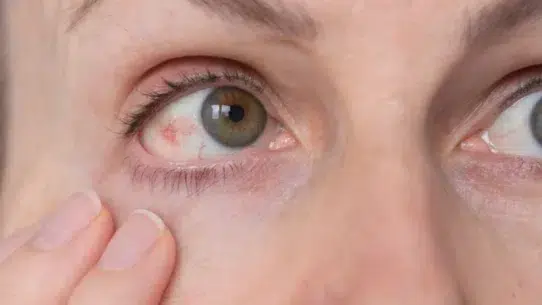
When the pressure within one’s eyes is lower than the normal range, the person is said to have Ocular Hypotension or low eye pressure.
One may experience symptoms like headaches or blurry vision due to lower Intraocular Pressure.
However, the condition may have several causes, which may sometimes cause serious problems.
This article will discuss the symptoms, causes, and treatments of low eye pressure.
Understanding Low Eye Pressure
Eye pressure or Intraocular Pressure (IOP) refers to the pressure of fluid within one’s eyes.
According to the American Academy of Ophthalmology (AAO), the normal eye pressure range of a person is between 8 and 21 millimeters of mercury (mmHg).
If the eye pressure is less than 8 mm Hg, a person can be said to have lower eye pressure.
The fluid responsible for maintaining the eye pressure is known as aqueous fluid.
This fluid is responsible for nourishing the eyes, and when its balance gets interrupted, it leads to eye problems.
The eye problems often include low eye pressure (Ocular Hypotension), high eye pressure (Ocular Hypertension), and Glaucoma.
Individuals may also experience trauma and intraocular inflammation due to this condition.
To gain more clarity on these eye conditions, read Ocular Hypertension vs. Glaucoma- Understanding the Difference.
Save up to 90% on your medicine bills
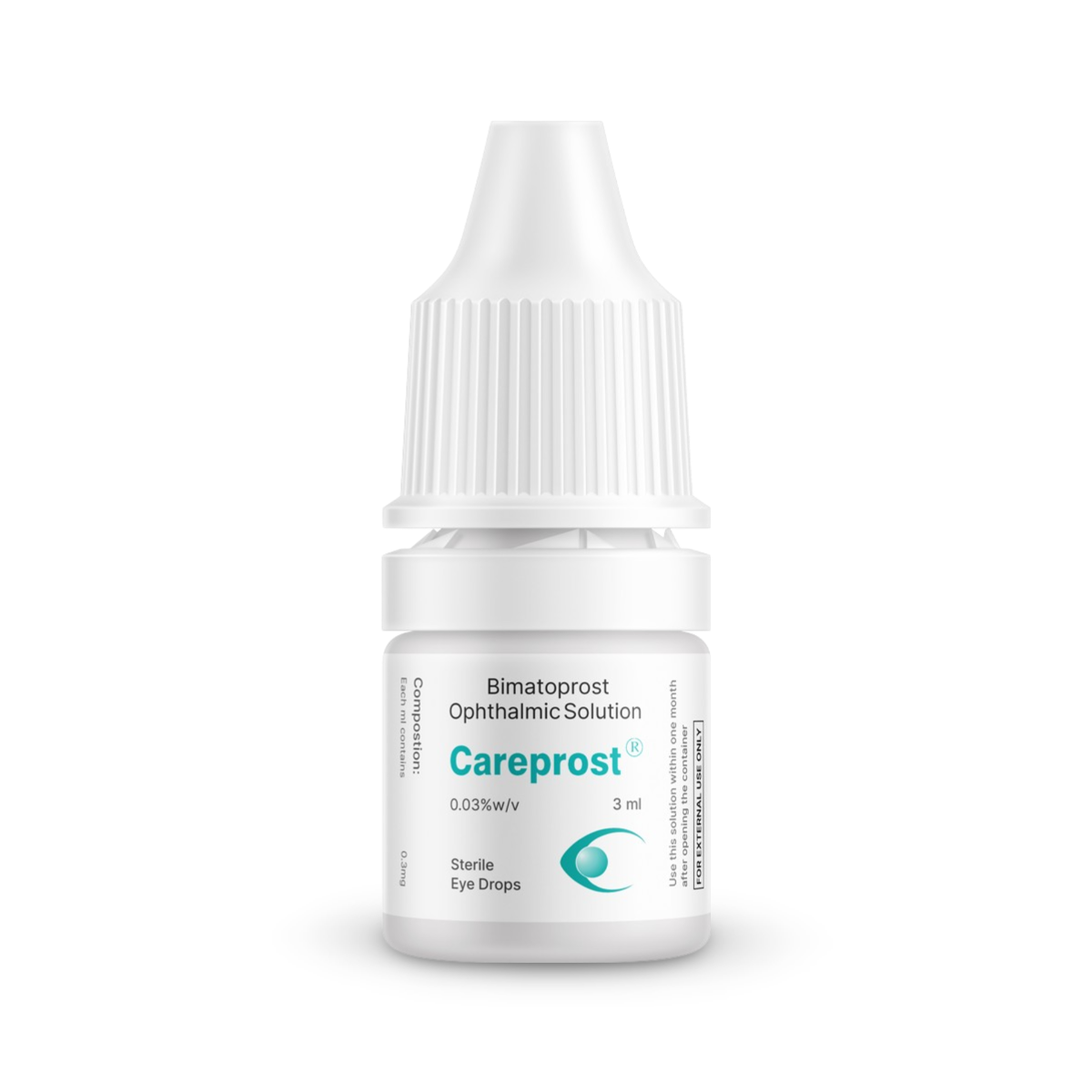
Careprost (With Brush) 3ml 0.03%
Starting at just $17.36 per bottleBuy Now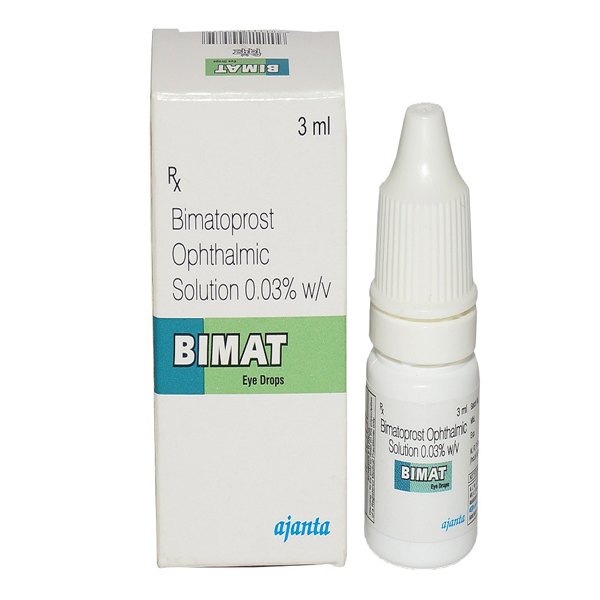
Bimat 0.03% w/v
Starting at just $10.16 per bottleBuy Now
Bimat (With Brush) 3 ml (0.03%)
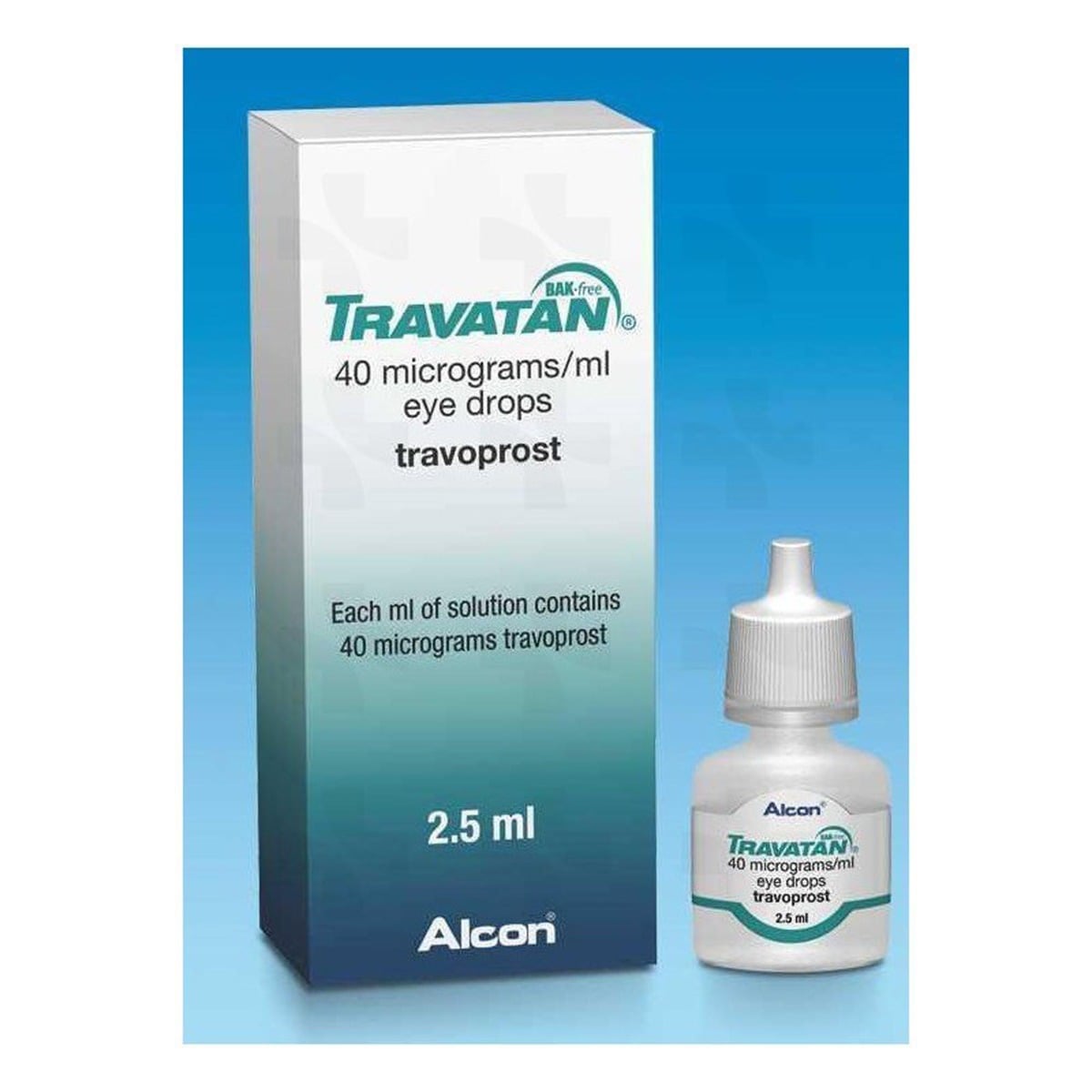
Travatan 40 Mcg/2.5ml
Symptoms of Low Eye Pressure
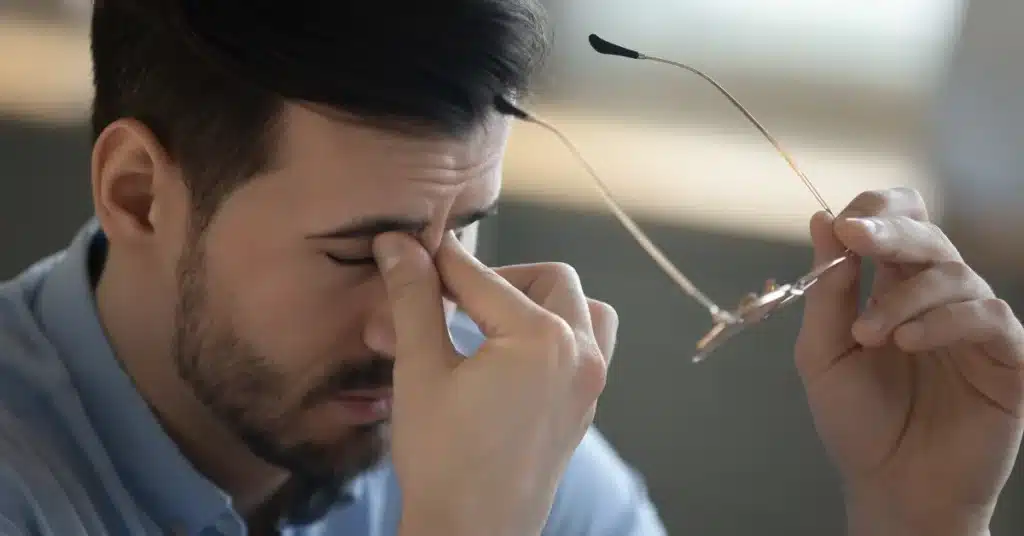
A person can experience several low eye pressure symptoms if their conditions reach a critical level.
Individuals can experience mild to moderate symptoms due to lower optical pressure.
If the condition is mild, people will experience vision distortion or blurry vision.
According to a study, vision loss is the most severe and notable symptom of Ocular Hypotension.
A person with low optical pressure may also notice rapid progress in the condition of Cataracts, leading to blindness.
The sudden drop in Intraocular Pressure may also lead to tissue damage within the eyes.
To learn more about Cataract and blindness, read Can a Cataract Cause Blindness: Revealing The Truth.
Causes of Low Eye Pressure
The eye drops, which are used as a treatment for Glaucoma are known to lower the eye pressure.
If these medicines are used excessively, they might drain the eye fluid more than expected, leading to lower eye pressure.
Research states that the IOP of a person decreases with their age, although the amount is small.
The decreased amount of IOP is usually observed less among women and older people than among men or younger people.
Another research states that Cataract surgery can also lower the IOP of a person, which causes low eye pressure.
Injury to the eyes can result in the drainage of the aqueous humor, which also lowers eye pressure
If you want to know if Cataract surgery causes any more negative effects, read Dry Eye After Cataract Surgery: Is It Normal?
Preventive Measures for Low Eye Pressure
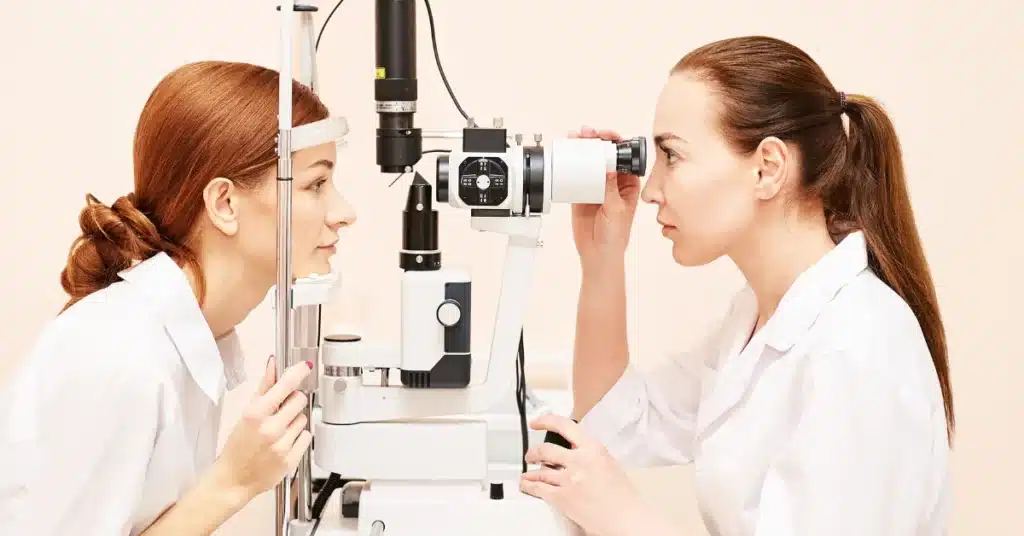
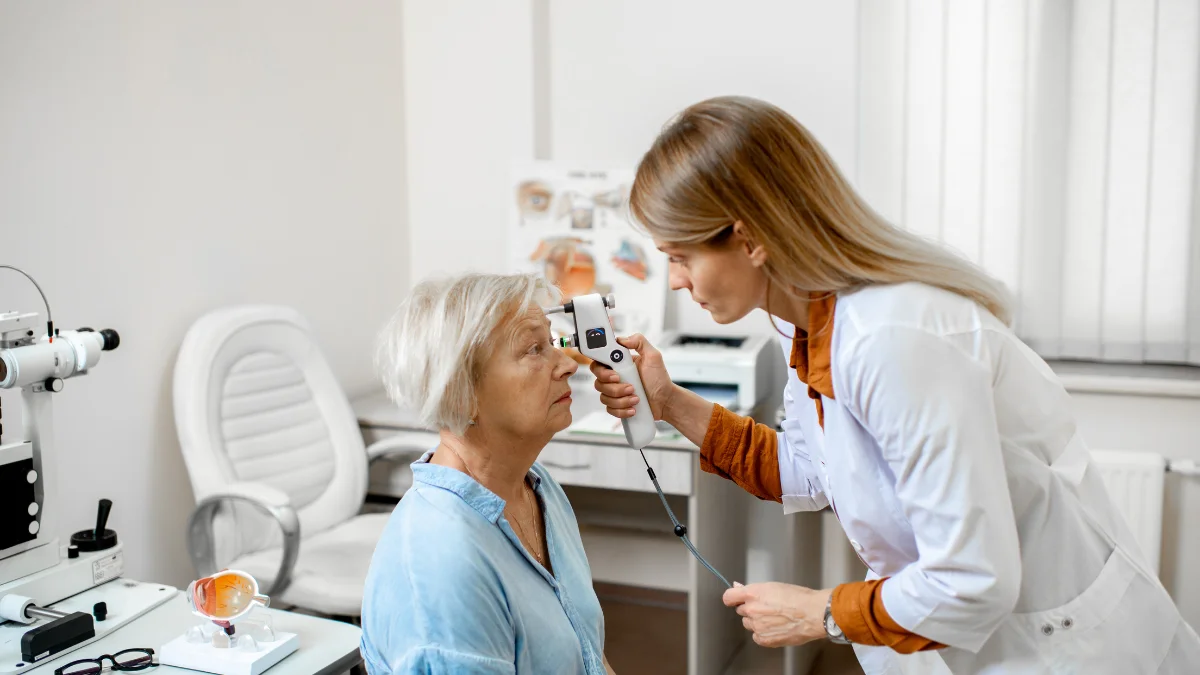
The best preventive measure for low eye pressure is to stay under regular eye checkups to understand the symptoms early.
Doctors may also prescribe treatments based on the underlying cause of lower IOP.
Doctors may prescribe steroids or anti-inflammatory medicines if the low ocular pressure is due to inflammation.
They may also prescribe oral steroids to further enhance the eye pressure in an individual.
Since the injury to the eyes can cause low pressure in the eyes, taking extra care to avoid trauma can also help significantly.
However, it is always best to consult a doctor to determine the underlying cause of low IOP.
To explore more treatment options to lower eye pressure, read How to Lower Eye Pressure: Treating Glaucoma Effectively.
Conclusion
Low eye pressure refers to the condition where a person has low fluid pressure in their eyes.
The condition may often result in mild headaches, distorted vision, or even loss of vision in some individuals.
One may experience lower optical pressure due to eye injury or Cataract surgery.
Several studies state that the eye pressure of a person decreases with age, although the amount of change was small.
Doctors often suggest steroids or anti-inflammatory medicines to treat lower Intraocular Pressure in individuals.
It is always best to consult your doctor immediately if you are experiencing any symptoms of low eye pressure.

Frequently Asked Questions
What does low eye pressure mean?
Low eye pressure refers to the fluid pressure within one’s eyes. It may often lead to headaches, blurry vision, or even loss of vision in some individuals.
See our Recommendations
Can low eye pressure cause blindness?
Yes, low eye pressure can cause blindness. The sudden drop in the optical pressure can damage the tissues in one’s eyes and cause vision loss. In some severe cases, a person may notice a rapid progression of Cataracts, which might also result in lower Intraocular Pressure.
See our Recommendations
What is the treatment for low eye pressure?
A person can reduce the usage of eye drops that are used to lower the IOP. Doctors may often suggest oral steroids to increase eye pressure. If a person stays under regular eye checkups, it might also be an effective preventive measure.
See our Recommendations
What causes low eye pressure?
There are several causes that can cause low pressure in the eyes. The IOP of a person decreases with their age, but the decreased amount of pressure is usually very less. Cataract surgery or an eye injury may also result in low eye pressure in a person.
See our Recommendations
What happens when your eye pressure is low?
When your eye pressure is low, it may cause mild pain in the eyes or headaches. The damage to the tissue might cause distortion of vision and even vision loss in some individuals.
See our Recommendations
Cheap Medicine Shop only refers to credible, authoritative sources for our content. If you're curious about how we ensure the integrity of our content, we encourage you to read our Content Information Policy.