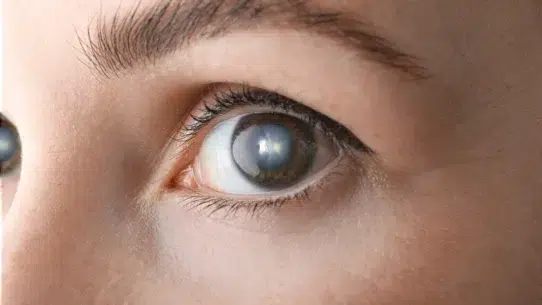






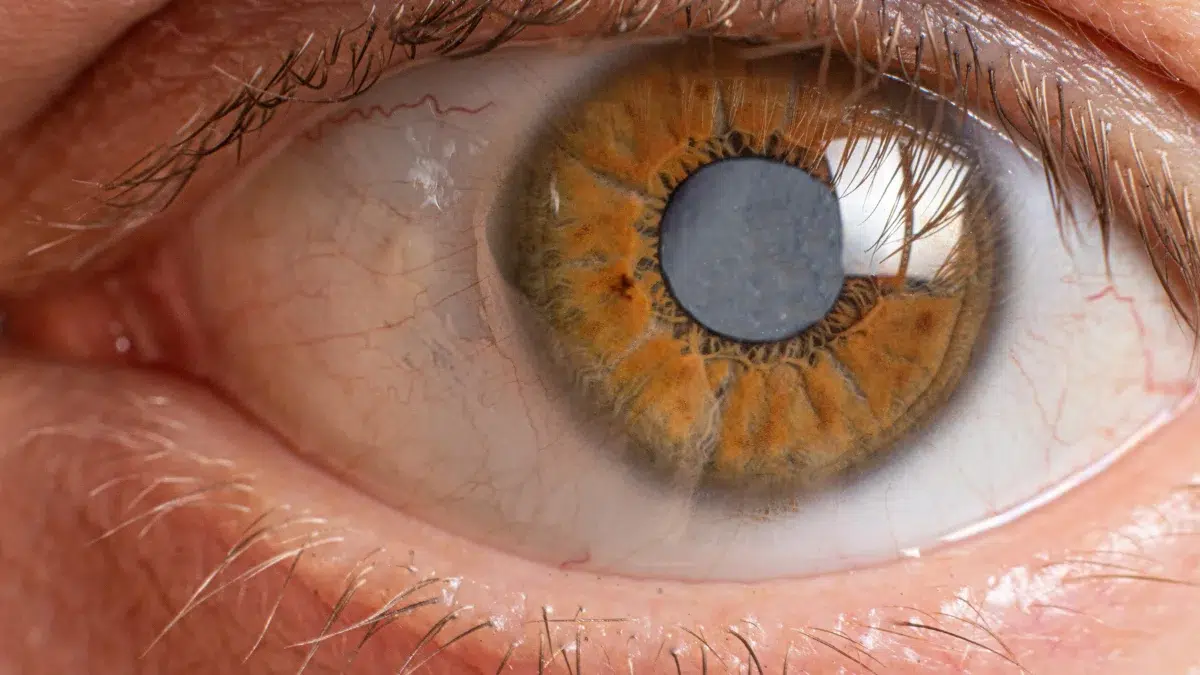

Cataracts are a common condition that affects many individuals, particularly as they age.
Cataracts are a leading cause of vision problems and blindness worldwide.
This eye condition leads to cloudy formations in the eye’s natural lens. This cloudiness can significantly impact your vision, making daily tasks more challenging.
Cataracts could be caused by various factors, including age, UV radiation, Diabetes, and excessive smoking and alcohol consumption.
This article will explore what causes Cataracts and the factors that contribute to their development.
What Causes Cataracts
It is important to understand the anatomy of the eye and the functions of the lens to understand the causes of Cataracts.
The lens is a clear and flexible structure located in the eye and is responsible for focusing light on the retina at the back of the eye.
When the lens becomes cloudy, it obstructs the passage of light, resulting in blurred or distorted vision.
This clouding of the lens could be caused by aging, UV radiation, Diabetes, and excessive smoking and alcohol consumption.
Let’s talk about these Cataract causes in detail that influence the severity of this condition and contribute to the clouding of the lens.
Age-related Cataracts: Age is a primary factor in the development of Cataracts. Most Cataracts are age-related and occur as part of the natural aging process.
As you age, the proteins in the eye’s lens may clump together, causing it to lose its transparency.
This clouding is a gradual process and often begins around the age of 40 or 50, though the effects on vision may only become noticeable later.
Ultraviolet (UV) radiation: Exposure to ultraviolet (UV) radiation from the sun is another significant factor in the formation of Cataracts.
Unprotected exposure to UV rays can accelerate the development of Cataracts.
Wearing sunglasses with UV protection and a hat when outdoors can help reduce your risk of Cataract formation.
Diabetes and Cataracts: People with Diabetes are at more risk of developing Cataracts. The high sugar levels in the bloodstream can lead to changes in the lens, causing it to become cloudy.
Controlling blood sugar levels through proper management of Diabetes can help reduce the risk of Cataract development.
Smoking and Cataracts: Smoking is a well-known risk factor for Cataracts. The harmful chemicals in tobacco smoke can contribute to the formation of Cataracts, in addition to causing a range of other health problems.
Quitting smoking not only benefits your eye health but can also lower the chances of developing Cataracts.
Alcohol consumption: Alcohol consumption increases the risk of Cataracts. While moderate alcohol consumption may not pose a significant risk, heavy drinking can contribute to Cataract formation.
Maintaining a balanced lifestyle and limiting alcohol intake can help reduce the risk of symptoms of Cataracts.
Save up to 90% on your medicine bills
Careprost (With Brush) 3ml 0.03%
Starting at just $17.36 per bottleBuy Now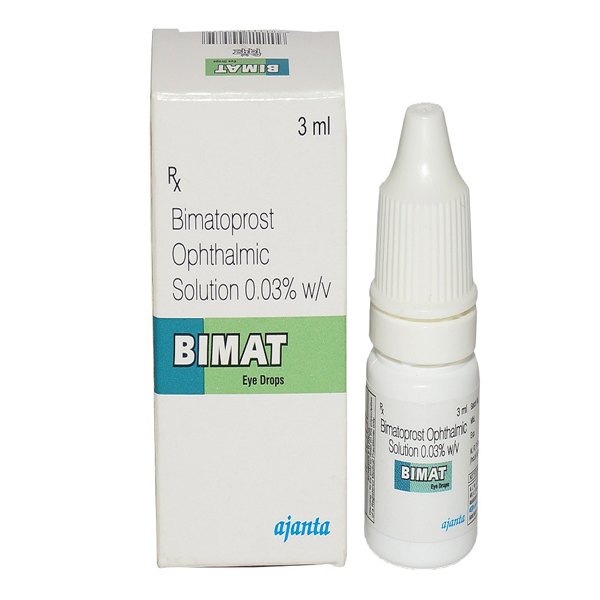
Bimat 0.03% w/v
Starting at just $10.16 per bottleBuy Now
Bimat (With Brush) 3 ml (0.03%)
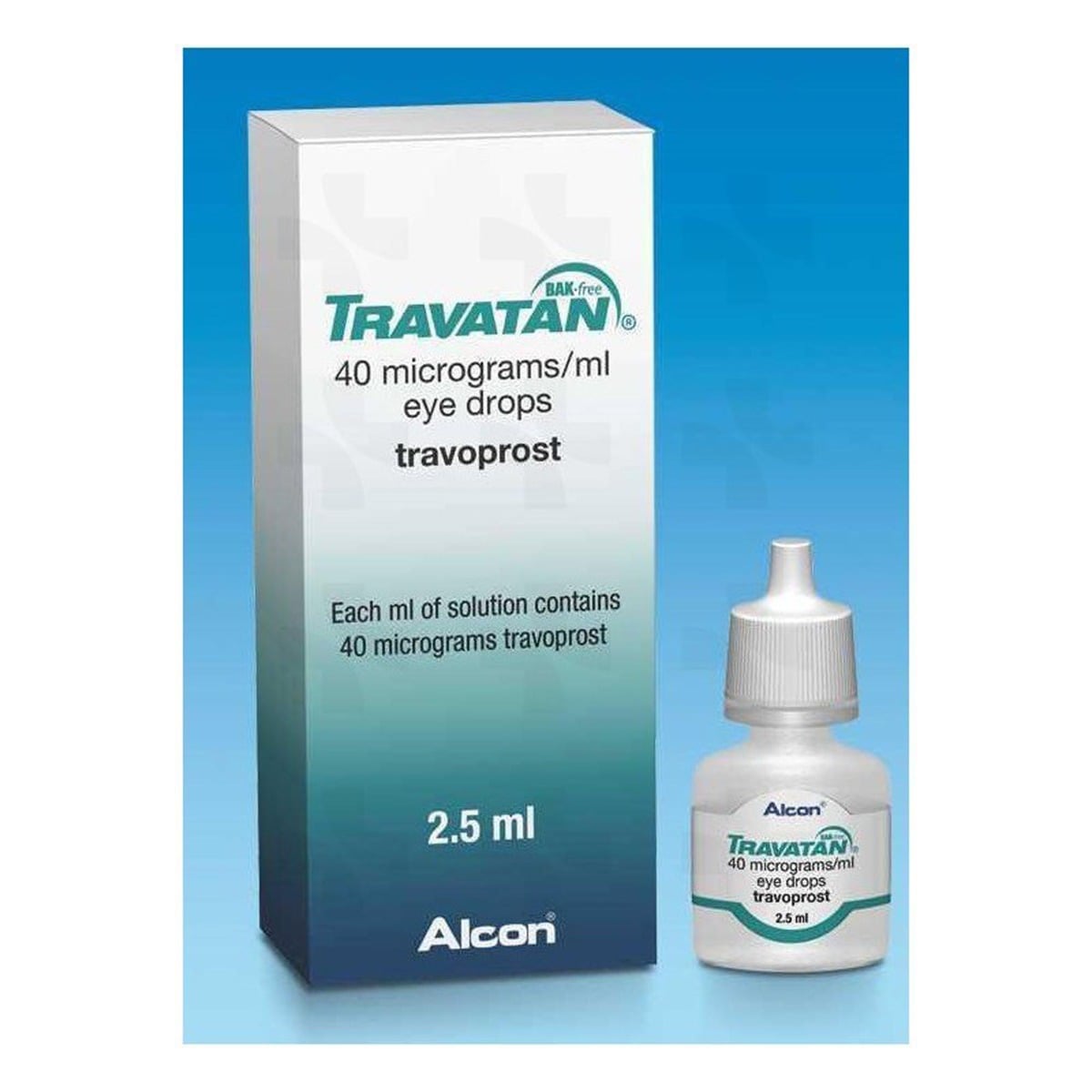
Travatan 40 Mcg/2.5ml
Tips to Prevent Cataracts

Cataracts is a condition in which the eye’s natural lens becomes clouded, leading to progressive loss of vision.
While we can not change our genetics or prevent the natural aging process, there are several methods you can take to lower your risk of developing Cataracts.
Wear sunglasses: You can protect your eyes from UV radiation by wearing sunglasses that block a hundred percent of UVA and UVB rays.
Quit smoking: Smoking increases the risk of Cataracts, and quitting smoking can significantly reduce your risk of Cataracts.
Limit alcohol consumption: Moderate your alcohol intake to reduce your risk of Cataracts and other health issues.
Manage Diabetes: If you are experiencing Diabetes, keeping your blood sugar levels within limits is essential in minimizing the risk of Cataracts.
Balanced diet: Proper hydration and a healthy diet are essential for overall health but also for the well-being of your eyes and could reduce the chances of Cataract development.
Conclusion
Understanding what causes Cataracts is essential for taking preventive measures to protect your vision.
There are various causes of Cataracts, such as age, UV radiation, Diabetes, and excessive smoking and alcohol consumption, and every cause requires a different approach and treatment plan.
While age-related Cataracts are unavoidable, lifestyle choices, protective measures, and managing underlying medical conditions can significantly reduce risk.
Regular eye exams with an eye specialist can help detect Cataracts early, allowing for timely Cataract treatment when necessary.
With the right approach and knowledge, you can take steps to preserve your visual health and enjoy clear vision for years to come.

Frequently Asked Questions
Is aging the primary cause of Cataracts?
Yes, aging is the primary factor in Cataract development. As people grow older, changes in the proteins of the eye’s lens can lead to clouding of the lens and formation of Cataracts.
Can genetics play a role in Cataract development?
Yes, genetics can influence your risk of developing Cataracts. If you have a family history of Cataracts, you may be more prone to developing them.
Do other eye conditions or diseases increase the risk of Cataracts?
Yes, certain eye conditions, such as Glaucoma and pink eyes, can increase the risk of Cataracts. It’s important to manage these conditions to help reduce the risk of developing Cataracts.
Are there any specific occupational hazards to Cataract development?
Yes, prolonged exposure to environmental factors like sunlight or radiation in certain occupational settings, such as construction workers and furnace operators, can increase the risk of Cataracts. Appropriate eye protection is crucial in such situations.
Can a poor diet contribute to Cataracts?
Yes, a diet lacking in essential nutrients, particularly antioxidants like Vitamin C and E, may contribute to Cataract formation. Eating a balanced diet can help lower the chances of Cataract formation.
Cheap Medicine Shop only refers to credible, authoritative sources for our content. If you're curious about how we ensure the integrity of our content, we encourage you to read our Content Information Policy.