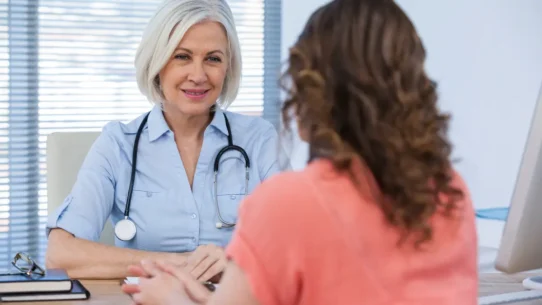






When a woman hits menopause, her periods stop, and it is a natural part of their aging process.
Polycystic Ovarian Syndrome (PCOS) is an endocrine condition that affects women of reproductive age.
Menopause and PCOS have a profound impact on women’s health, with each affecting the other.
It is important to understand the potential links between Menopause and PCOS, exploring their unique features and how they are interconnected.
This article will discuss early Menopause, perimenopause, and herbal remedies for better health decisions.
Also, we’ll guide readers through management techniques for dealing with the common symptoms of both conditions.
Menopause and PCOS
Menopause is a natural process that happens around the age of 50 and marks the end of a woman’s reproductive years.
It is a point when a woman has not had a menstrual period for 12 consecutive months and cannot conceive.
It is caused by hormonal changes that stop the menstrual cycle.
Menopause is characterized by mood swings, vaginal dryness, and changes in sexual function, which tend to diminsh with time.
On the other hand, women of reproductive age who have Polycystic Ovary Syndrome (PCOS) also experience hormonal imbalances or changes and mood swings.
The problem occurs when these two medical conditions combine, making things more difficult for the affected women.
Women should understand the connection between these two reproductive health aspects.
This understanding is important for navigating these complex matters and get the treatment as per the requirement
Save up to 90% on your medicine bills
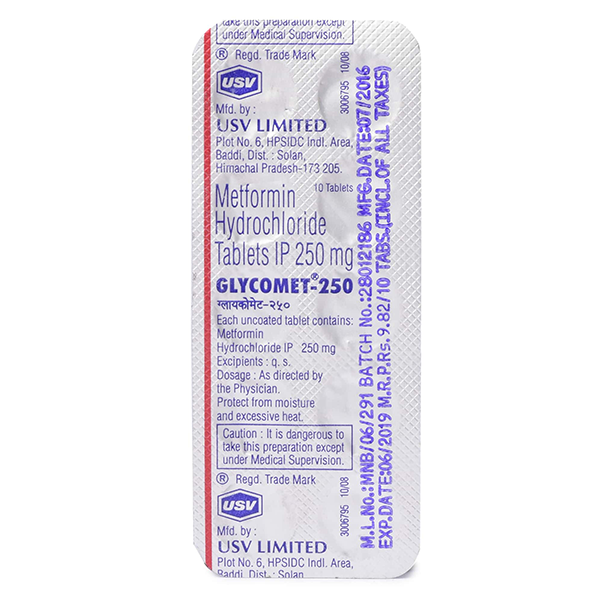
Glycomet 250 Mg

Aldactone 25 Mg
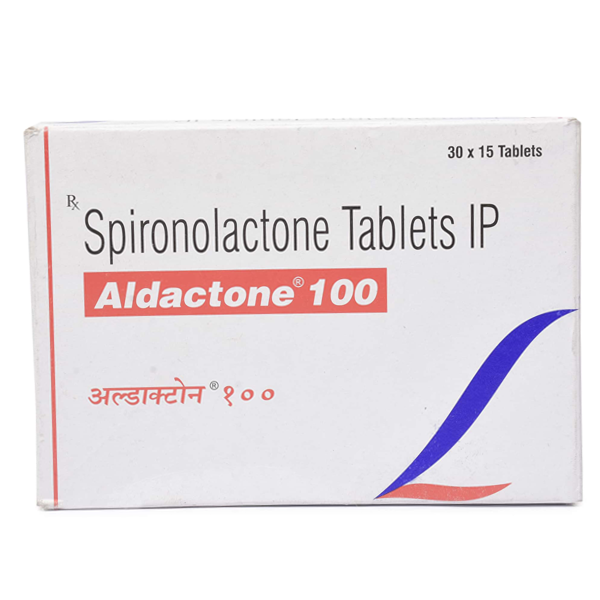
Aldactone 100 Mg
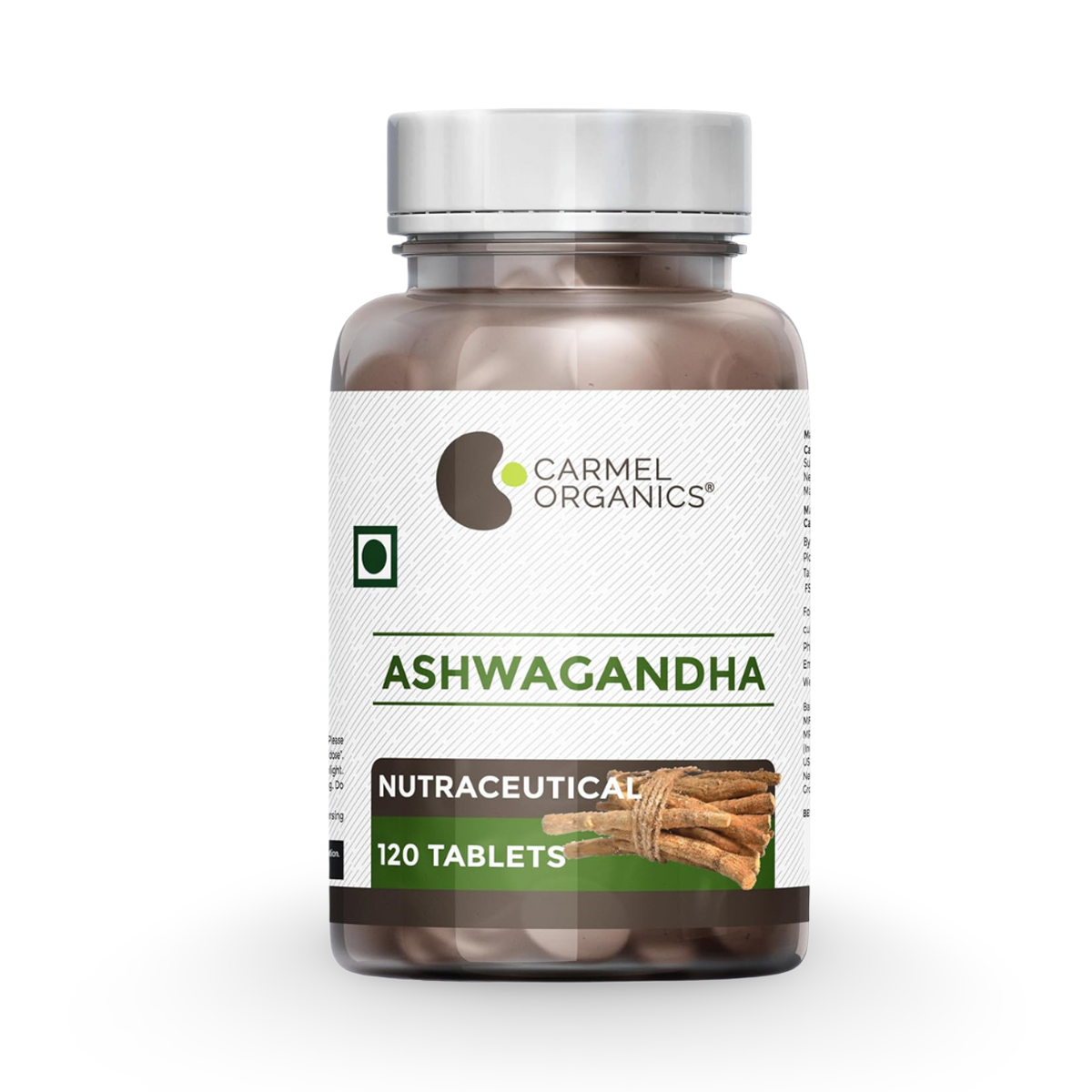
Carmel Organics Ashwagandha Extract Tablets
PCOS and Perimenopause
The transition time that occurs before menopause is known as Perimenopause.
Women usually experience perimenopause in their 40s.
During this phase, hormonal changes cause various symptoms, including hot flashes, night sweats, and irregular menstrual cycles.
Although fertility declines during perimenopause due to irregular ovulation, pregnancy is still possible.
Women may still conceive during this phase, but the chances of getting pregnant decrease as they approach menopause.
Remarkably, symptoms of irregular periods and mood swings are shared by both PCOS and perimenopause, making it difficult to distinguish between the two.
This diagnostic difficulty highlights how important it is to consult a physician to safely manage these changes in hormones.
It is essential to understand the particularities of PCOS and perimenopause in order to provide individualized treatment and improve fertility.
Want to know about PCOS and fertility? Read Understanding the Connection Between PCOS and Fertility
PCOS and Early Menopause
Early menopause is a premature menopause, which occurs in women below 45.
It leads to the cessation of menstural periods at the younger age than expected.
Recent studies suggest a potential link between PCOS and the premature stopping of menstrual cycles.
This connection emphasizes how important it is to identify and treat these conditions together.
Menopause may occur earlier in PCOS-affected women than in non-syndromic women, requiring specialized medical care.
An individualized strategy that includes lifestyle modifications, possible medication, and routine consultation with medical professionals is needed to manage both PCOS and early Menopause.
Herbs for Menopause and PCOS
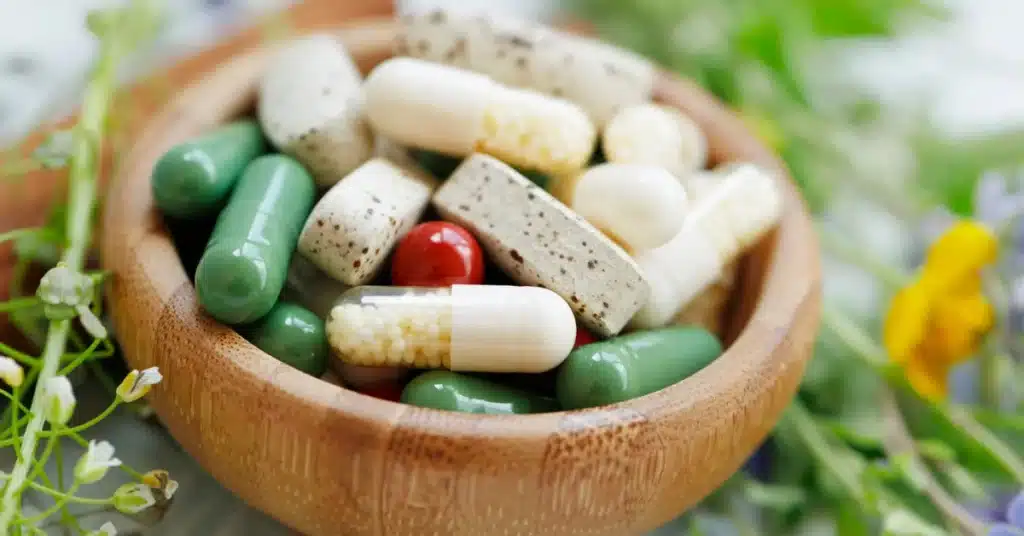
Exploring natural approaches for relieving the symptoms of Menopause and PCOS can be a valuable addition to conventional treatments.
Herbal remedies, rooted in traditional medicine, offer potential benefits for managing hormonal imbalances and improving overall well-being.
Popular herbs that may help with menopausal symptoms in PCOS patients include black cohosh, red clover, evening primrose oil, and chasteberry.
However, herbal remedies should be used cautiously, as conflicting scientific data and individual results can vary.
Women with PCOS and Menopause can benefit from incorporating herbs and supplements into their treatment plans.
Want to know about supplements for PCOS? Read A Comprehensive Guide to PCOS Supplements
Conclusion
Menopause is a natural process that happens when a woman’s body stops having menstrual periods.
Polycystic Ovarian Syndrome (PCOS) is a medical condition that affects women of reproductive age.
Menopause and PCOS are complex conditions that require a customized strategy that recognizes their unique but interconnected nature.
Black cohosh, evening primrose oil, and chasteberry may help with menopausal symptoms in PCOS patients.
Personalized methods, such as dietary changes and medication therapies, can significantly improve the lives of people battling PCOS and early Menopause.

Frequently Asked Questions
What are the psychological effects of experiencing Menopause and PCOS simultaneously?
What are the psychological effects of experiencing Menopause and PCOS simultaneously?
Experiencing Menopause and PCOS simultaneously can cause psychological effects. This leads to heightened emotional challenges, including mood swings, Anxiety, and feelings of frustration.
How does exercise influence the management of PCOS and Menopausal symptoms?
Regular exercise plays a pivotal role in managing PCOS and menopausal symptoms by promoting hormonal balance, reducing stress, and managing weight.
It enhances Insulin sensitivity, which is important for PCOS while relieving mood swings and improving overall well-being during Menopause.
Can stress worsen symptoms of both Menopause and PCOS?
Yes, stress can worsen symptoms of both Menopause and PCOS.
Elevated stress levels may contribute to hormonal imbalances, intensifying hot flashes, mood swings, and menstrual irregularities.
Managing stress through relaxation techniques, exercise, and a healthy lifestyle is crucial for reducing these symptoms during these life stages
What are the long-term implications of PCOS and early Menopause on overall health?
The long-term implications of PCOS and early Menopause may include an increased risk of cardiovascular disease, Osteoporosis, and metabolic disorders.
Regular medical check-ups, a healthy lifestyle, and personalized management strategies are important for reducing these risks and promoting overall well-being in the long run.
How often should women with PCOS and menopause concerns seek medical check-ups and screenings?
Women with PCOS and menopause concerns should have regular check-ups or as advised by their healthcare provider.
Regular screenings detect health issues and personalize care for PCOS and menopause.
Cheap Medicine Shop only refers to credible, authoritative sources for our content. If you're curious about how we ensure the integrity of our content, we encourage you to read our Content Information Policy.