






When undergoing Cancer treatment with Abraxane, patients often face a complex balance between fighting their disease and controlling the medication’s adverse reactions. Also known as Albumin-bound or Nab-paclitaxel, Abraxane is a chemotherapy medicine with the active salt Paclitaxel. While Abraxane has shown effectiveness against several forms of Cancer, including breast, lung, and Pancreatic Cancer, it is associated with a range of side effects.
These adverse effects can be mild or severe, affecting quality of life and requiring close monitoring. Understanding the Abraxane side effects initially is essential for patients and caregivers to quickly notice symptoms and obtain appropriate treatment, providing the best possible outcomes throughout therapy.
This article will highlight the potential side effects of Abraxane that you must know before beginning the therapy.
Common side effects of Abraxane
Around 10% of individuals receiving Abraxane therapy experience some common side effects that often tend to improve after the treatment. These side effects include the following, but are not limited to:
- Hair loss: This is a relatively common side effect of the medication that can cause entire scalp hair loss and loss of eyebrows, eyelashes, and other body hair. Hair usually regrows after treatment.
- Low blood cell counts: Abraxane can decrease the quantity of white blood cells (Neutropenia), red blood cells (Anemia), and platelets (Thrombocytopenia). This may raise the risk of infection, bleeding, or bruising.
- Peripheral Sensory Neuropathy: This nerve injury is characterized by numbness, tingling, discomfort, and weakness in the hands and feet. It might make it harder to carry out everyday tasks. As per a journal published by the International Journal of Nanomedicine in 2024, Peripheral Sensory Neuropathy is one of the most common side effects of Abraxane.
- Fatigue: Feeling tired or weak is a common side effect that might last a few weeks after therapy.
- Muscle and joint pain: Muscular and joint pain are common with the medication. These are usually temporary, occurring a few days after administration and resolving shortly thereafter.
- Gastrointestinal symptoms: Nausea, vomiting, Diarrhea, and decreased appetite are other frequently reported side effects of the medication.
Save up to 90% on your medicine bills

Abraxane 100 Mg Injection
Starting at just $312.00 per injectionBuy Now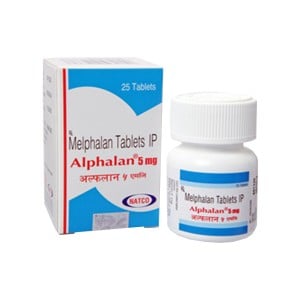
Alphalan 5 Mg Tablets
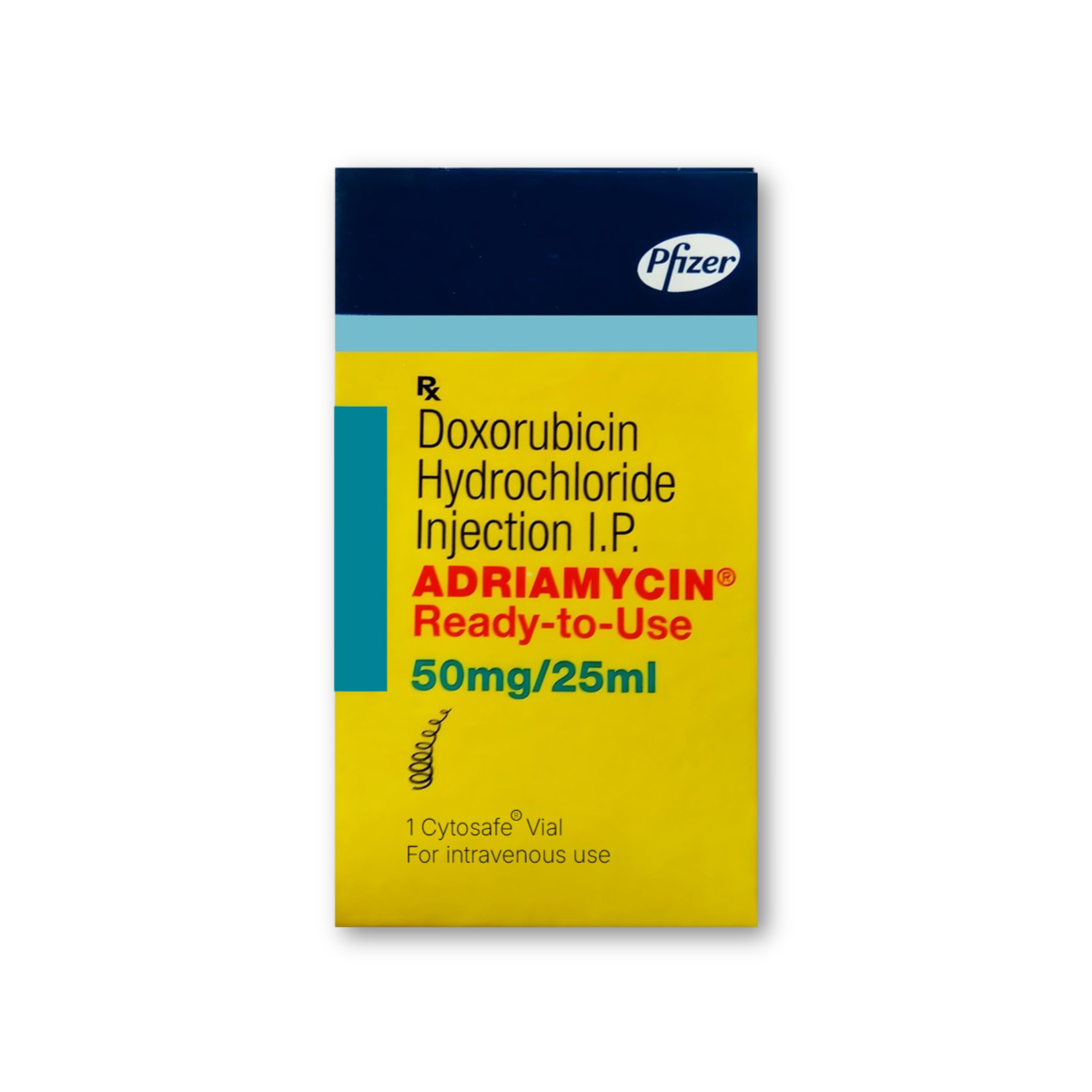
Adriamycin 50 Mg Injection
Starting at just $104.50 per injectionBuy Now
Abirapro 250 Mg Tablet
Serious Abraxane chemotherapy side effects
The following serious, although rare, side effects of Abraxane chemotherapy are experienced by less than 10% of people and require immediate medical attention:
- Severe infections (Sepsis): Infections can be severe, particularly when Abraxane is combined with Gemcitabine. Signs include fever, chills, sore throat, or other symptoms of infection.
- Severe allergic reactions: These symptoms can be serious and include trouble breathing, swelling of the face, lips, tongue, or neck, hives, rash, or disorientation.
- Visual problems: Blurred or double vision, Keratitis, and other ocular complications have been documented, especially at higher dosages. These effects are usually reversible.
- Severe skin reactions: Rare but severe skin reactions, including rash with blistering and peeling, may occur and require immediate medical attention.
- Respiratory problems: Cough and Dyspnea may develop and should be monitored.
Abraxane long-term side effects
Some patients continue to experience adverse reactions months or even years after discontinuing Abraxane, including:
- Persistent nerve damage
- Chronic fatigue
- Psychological effects like Anxiety or Depression related to treatment experiences
Management and monitoring
Patients on Abraxane should be carefully monitored for:
- Signs of infection (fever, sore throat, mouth sores)
- Symptoms of Neuropathy or nerve damage, such as numbness, tingling, and pain
- Cardiovascular symptoms, including chest discomfort and irregular heartbeat
- Symptoms of Anemia: (fatigue and difficulty breathing)
- Blood testing to detect malfunctioning liver function
- Any severe allergies or skin responses
The severity of side effects, particularly for Neutropenia, Thrombocytopenia, and Peripheral Sensory Neuropathy, may necessitate dose modifications, treatment delays, or termination.
Important considerations
The following precautionary measures must be considered while on treatment with Abraxane to minimize the probability of side effects:
- You must inform your doctor of any pre-existing medical disorders, particularly liver or kidney diseases, cardiovascular difficulties, or allergies.
- Tell your doctor about any other medicines you are taking, including over-the-counter medicines and herbal products, to reduce the possibility of any potential interactions.
- Abraxane might harm an unborn fetus, so effective contraception is necessary during treatment and for some time afterward for both men and women.
- Do not breastfeed while taking Abraxane since it may pass into the breast milk and hurt the infant.
Conclusion
While Abraxane is a potent chemotherapy agent that can be used to treat several Cancers, it carries a broad spectrum of side effects, including common and manageable symptoms such as hair loss, fatigue, nausea, and Peripheral Sensory Neuropathy, and more serious complications such as infections and cardiovascular issues.
Continuous monitoring, early detection, and timely management of these Abraxane side effects are essential for improving treatment safety and patient quality of life. Ongoing research and careful medication surveillance are required to understand better and minimize the potential risks associated with Abraxane. This allows healthcare practitioners to personalize therapy and improve results for Cancer treatment patients.

Frequently Asked Questions
What foods should you avoid while taking Abraxane?
Alcohol, raw or undercooked meats, and grapefruit or grapefruit juice should be avoided when using Abraxane. These can reduce the medicine’s effectiveness and worsen side effects. Adhere to well-cooked, balanced meals to support recovery.
How long does Abraxane stay in your system?
Abraxane usually remains in the body for one to two days after administration, although its effects on blood cells and the immune system may persist longer. The timing of removal of the medication from body Clearance times may vary depending on individual metabolism and health.
How long does Abraxane side effects last?
Abraxane side effects can persist anywhere from a few days to many weeks after therapy has ended. Some symptoms, such as nausea or fatigue, disappear rapidly, but others, such as nerve damage, might take months or even be permanent.
How is Abraxane administered?
Abraxane is given as an intravenous (IV) infusion (injected into the body) that lasts around 30 minutes. It is often administered by a healthcare practitioner in a medical setting, following a predetermined schedule based on the type of Cancer being treated.
Can Abraxane lead to liver damage?
Yes, Abraxane may induce liver damage. It may cause higher liver enzymes or other significant liver disorders in some individuals; hence, frequent liver function monitoring is advised throughout therapy.
Cheap Medicine Shop only refers to credible, authoritative sources for our content. If you're curious about how we ensure the integrity of our content, we encourage you to read our Content Information Policy.