








Are you experiencing dryness, itchiness, and redness in your eyes lately?
It might be due to an eye infection called pink eyes.
Conjunctivitis is the scientific name for pink eye.
There are several different types of Conjunctivitis that an individual might experience.
Bacterial pink eye is also a type of Conjunctivitis causing itchiness and redness.
Let us proceed and talk about the bacterial pink eye in detail. We will discuss the symptoms, causes, and effective treatment for bacterial Conjunctivitis.
What is Bacterial Pink Eye
As the name suggests, bacterial pink eye or bacterial Conjunctivitis is a type of pink eye caused by bacteria.
It is the second most common cause of pink eye after the virus.
Bacteria such as Haemophilus Influenzae and Moraxella Catarrhalis affect the conjunctiva, leading to inflammation.
The conjunctiva is a thin, transparent mucous membrane that covers the front surface of the eye and lines the inner surface of the eyelids, helping to protect and lubricate the eye.
Bacterial pink eye is contagious. Among the six million people diagnosed with Conjunctivitis annually in the USA, one out of four have bacterial pink eye.
Kids are more likely to experience bacterial Conjunctivitis than adults.
It can spread easily through contact with an infected eye discharge or touching contaminated surfaces.
However, it is treatable Conjunctivitis. Effective eyedrops, including Antibacterial eye drops, may help ease the symptoms of bacterial pink eye.
Therefore, visiting a trusted eye care facility is essential for managing bacterial pink eye symptoms effectively.
Do you wish to know how pink eye medication, antibiotics help manage bacterial pink eye? To learn in detail, read Understanding Pink Eye Antibiotics: Treatment Options and Guidelines.
Save up to 90% on your medicine bills
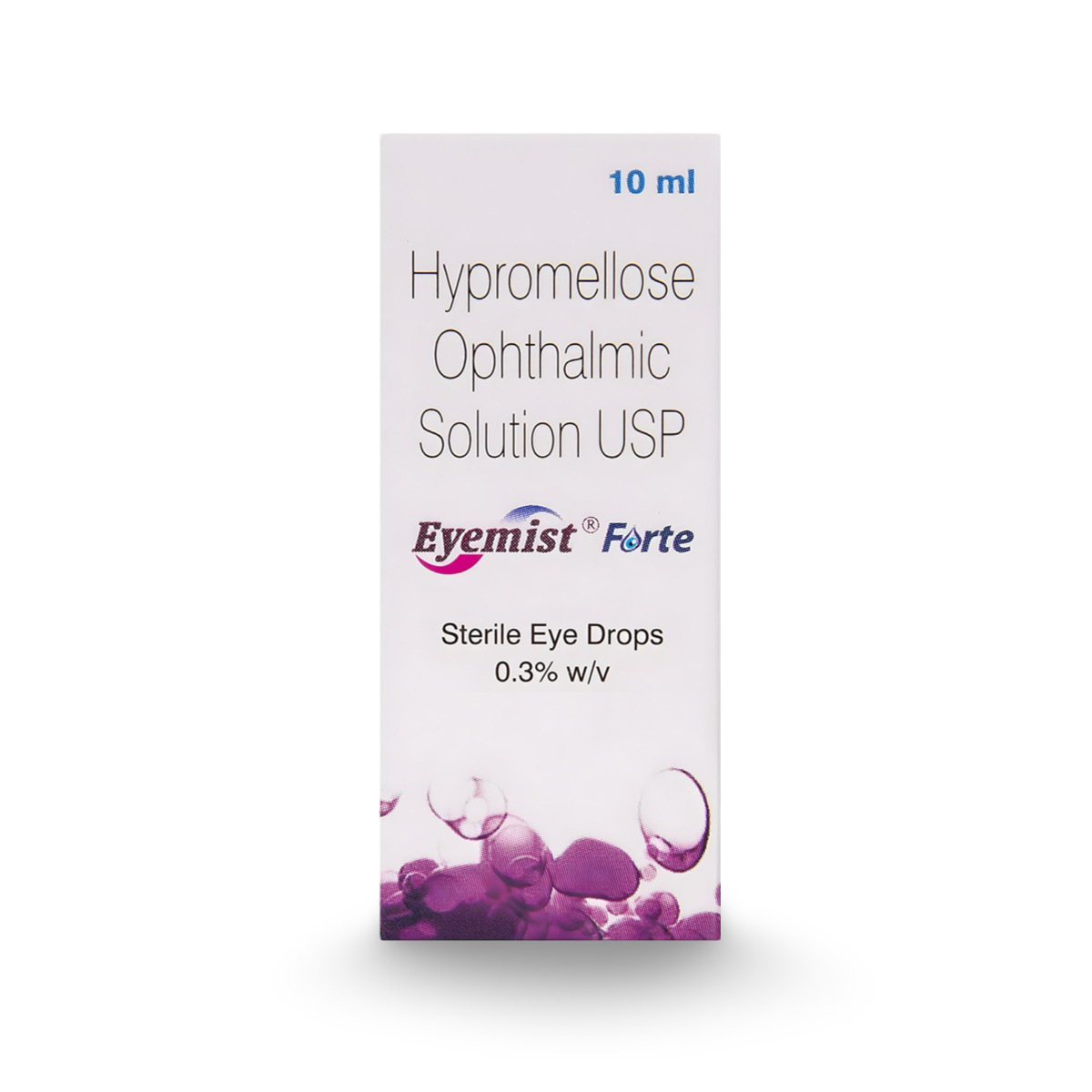
Eyemist Forte 10 ml
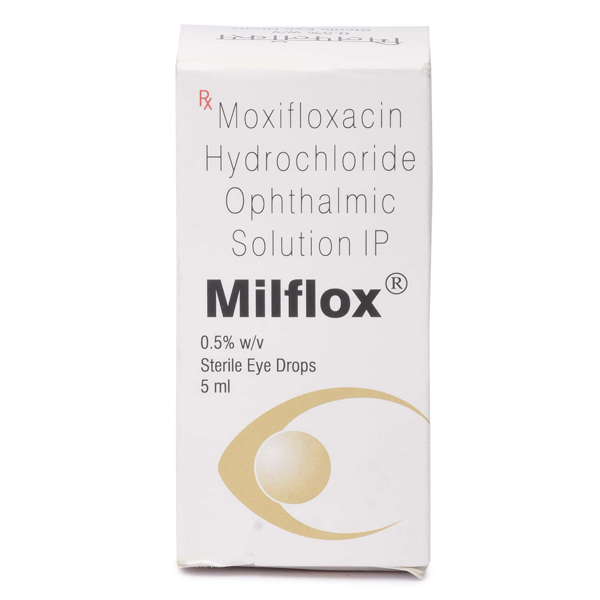
Milflox 0.5% 5 ml
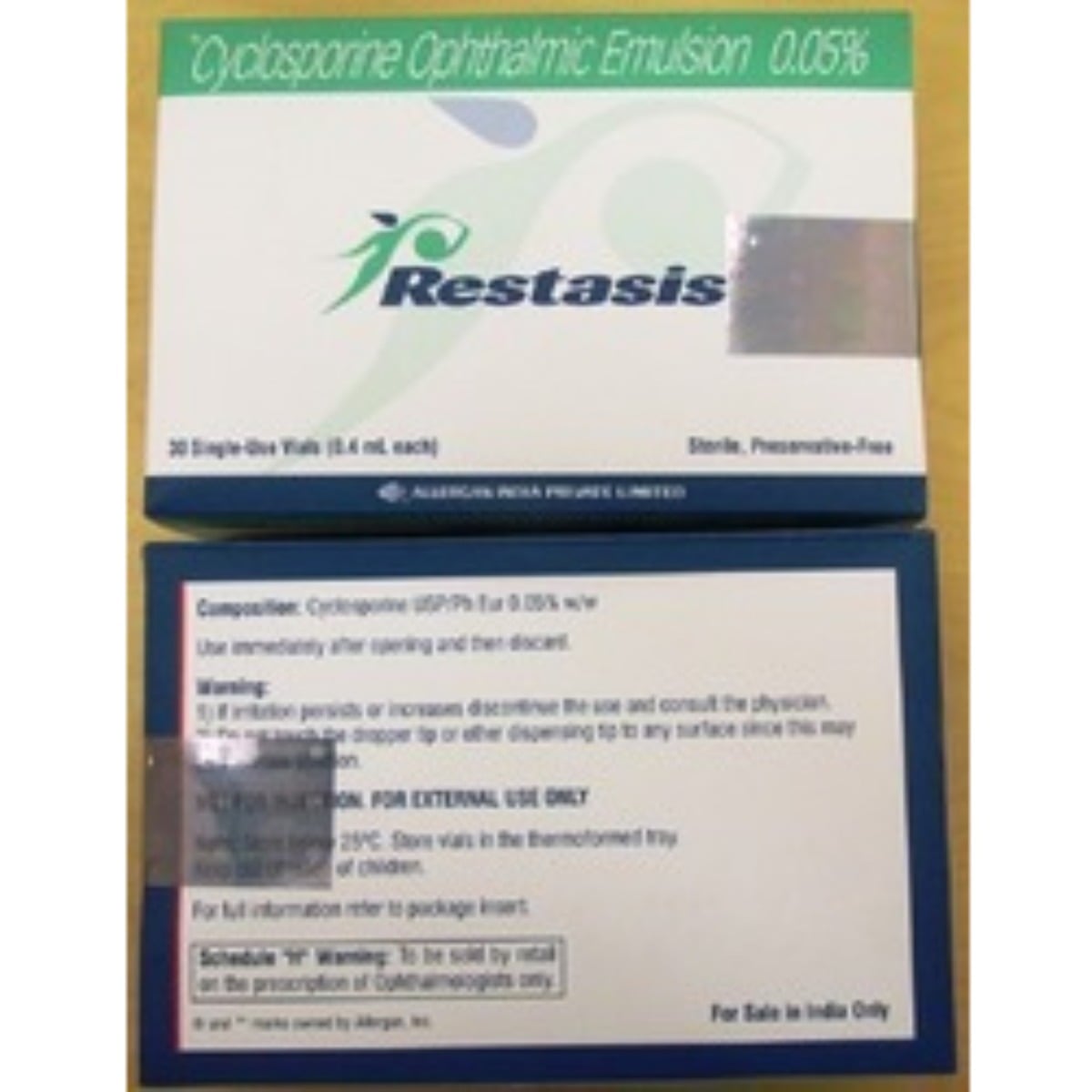
Restasis 0.05% Ophthalmic Emulsion 0.4ml
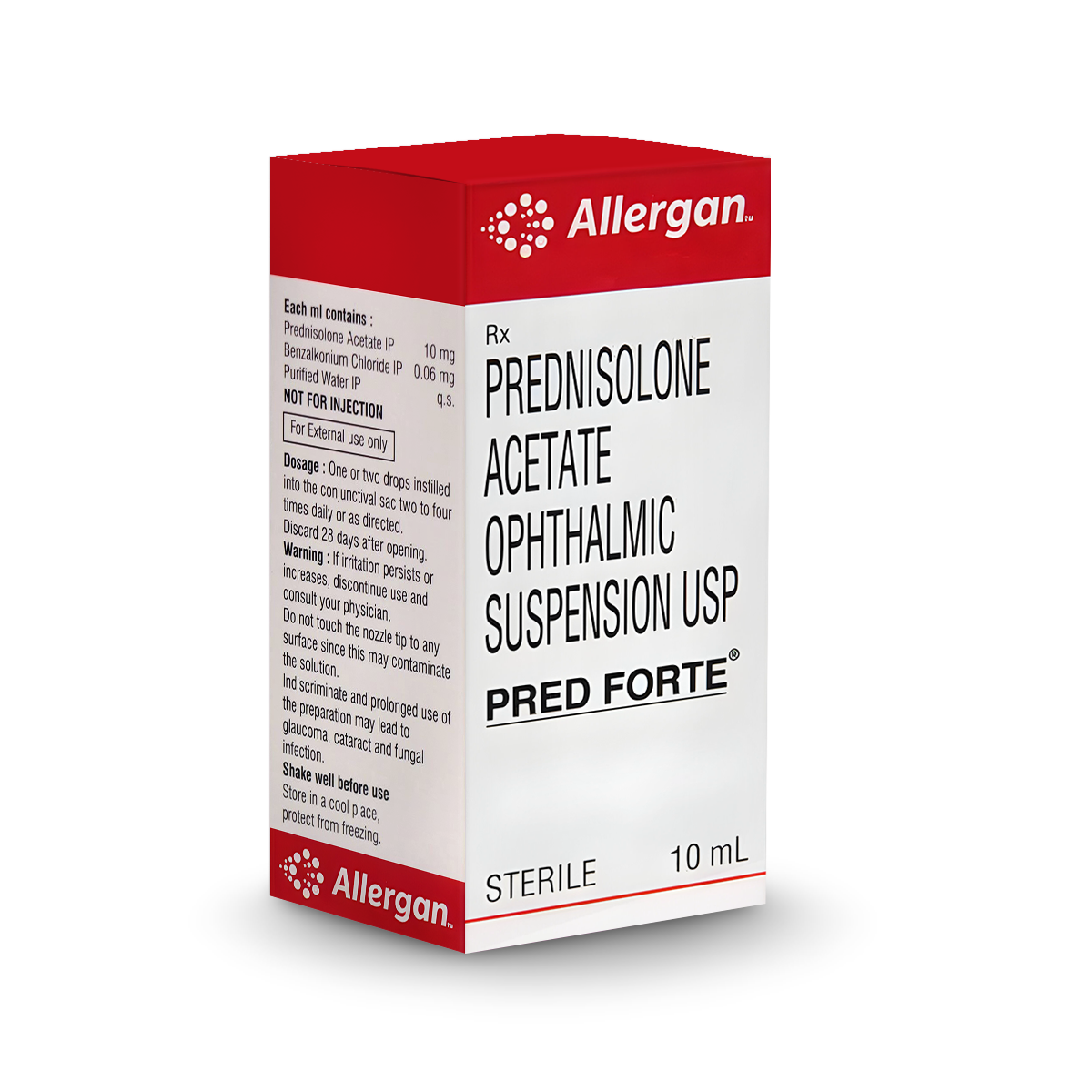
Pred Forte 10 ml
Common Signs and Symptoms of Bacterial Pink Eye

The signs and symptoms of bacterial Conjunctivitis might vary in individuals.
However, the common observable symptoms of bacterial pink eye include-
- Pinkness or redness in the eye
- Burning
- Itching
- Mild eye pain or discomfort in the eye
- Increased tear production
- Thick, sticky, yellowish discharge from the eye
- Swollen eyelids
- Slight sensitivity to bright light
Besides these common symptoms, an individual might experience severe symptoms such as mild fever and blurry vision due to Bacterial Conjunctivitis.
Seek immediate medical care from an authorized ocular center if you encounter the symptoms of bacterial pink eye.
Want to learn more about eye discharge during pink eye? For information, read Everything You Need to Know About Pink Eye Discharge.
What Causes Bacterial Conjunctivitis
As mentioned above, the common cause of bacterial pink eye is coming in contact with bacteria.
The common bacteria that cause pink eye are –
- Staphylococcus Aureus
- Streptococcus Pneumoniae
- Haemophilus Influenzae
- Chlamydia Trachomatis
- Neisseria Gonorrhoea
Besides these bacteria, Sexually Transmitted Infections (STIs) like Chlamydia and Gonorrhea might also cause bacterial pink eye.
Touching the eyes during or after sexual contact with individuals with the following STIs might lead to bacterial pink eye.
However, it is vital to note that, unlike bacteria, these STIs are uncommon causes of bacterial Conjunctivitis.
Therefore, it is important to visit your trusted ophthalmologist for more information on the causes of bacterial pink eyes.
Is Bacterial Pink Eye Contagious
Yes, bacterial pink eye is contagious.
The bacteria causing the pink eye spreads easily.
It can spread easily from person to person, either through close contact or by touching contaminated objects.
The common factors that might increase the risk of pink eye due to bacteria are-
- Poor hygiene habits
- Poor contact lens hygiene
- Contaminated cosmetics
- Crowded living or social conditions such as elementary schools and military barracks
- Ocular diseases, including dry eyes, Blepharitis, and anatomic abnormalities
Therefore, it is vital to know the effective preventive measures to stop the spread of bacterial pink Conjunctivitis.
Are you wondering about the contagious nature of pink eye and how long pink eye stays contagious?
For proper and detailed information, read Is Pink Eye Contagious – All You Need to Know.
Prevention of Bacterial Conjunctivitis

Several effective prevention methods exist to stop the spread of bacteria causing pink eye.
Let us take a brief look at these prevention methods.
- Wash your hands with soap and warm water
- Avoid touching or rubbing your eyes
- Avoid sharing personal things like makeup, eye drops, towels, and contact lenses
- Use separate eye products for infected and non-infected eyes
- Seek medical expertise before wearing contact lenses
- Keep your contact lenses clean, store them securely, and replace them as directed by the ophthalmologist
- Infected eye and face makeup and brushes should be thrown away and replaced to prevent re-infection
For information on preventing pink eye caused by bacteria, seek a licensed and trusted eye doctor.
How to treat Bacterial Conjunctivitis
Due to its contagious nature, it becomes important to treat bacterial Conjunctivitis to stop spreading it.
Although the mild symptoms of bacterial Conjunctivitis usually clear up within 1-2 weeks, it would be best to contact an authorized ophthalmologist for effective treatment.
There are several ways by which you may treat your bacterial pink eye.
Out of the several bacterial pink eye treatments, Antibiotic eye drops are effective in relieving its symptoms.
Eyedrops containing Ciproflaxin, Tobramycin, and Azithromycin might help to manage acute bacterial Conjunctivitis.
Besides these medical treatments, you may incorporate several natural treatments to reduce the symptoms of bacterial pink eye.
Warm compresses, saline solution, honey drops, and tea bags are some natural options to get relief from bacterial pink eyes.
If you are interested in knowing more about the natural ways of treating bacterial pink eye, you may read How to Treat Bacterial Pink Eye Naturally at Home?
Key Notes
Bacterial pink eye is a well-known type of pink eye or Conjunctivitis.
As its name suggests, it is caused due to bacteria.
Staphylococcus Aureus and Chlamydia Trachomatis are common bacteria that might cause eye infections.
Bacterial Conjunctivitis is very contagious and quickly spreads from one individual to another.
There are several signs and symptoms you need to look out for the effective management of bacterial pink eye.
Pinkness, burning, itching, and mild pain are common signs and symptoms that display the presence of bacterial pink eye.
It is vital to seek immediate assistance from an experienced eye care professional to get relief from bacterial pink eye.
They may prescribe effective eyedrops like Tobramycin, and Azithromycin to treat bacterial Conjunctivitis.
Besides eyedrops, natural treatment options like warm compress and tea bags might also prove to be effective.
Therefore, visiting a doctor can help treat and prevent the spread of bacterial pink eye.

Frequently Asked Questions
Does bacterial pink eye go away on its own?
No, the pink eye caused due to bacteria does not treat on its own.
Although the mild symptoms of bacterial Conjunctivitis might go away on their own, it usually requires a medical intervention to effectively manage symptoms of bacterial pink eye.
How do you treat bacterial pink eye?
Bacterial pink eye is treated with prescription Antibiotic eye drops or ointment. Apart from these medical treatment options, the bacterial pink eye might also be treated with natural treatment options.
Seeking a doctor can help treat and reduce the symptoms of bacterial Conjunctivitis.
Can I wear makeup while I have bacterial pink eye?
No, you should avoid wearing eye makeup if you have bacterial pink eye. Using makeup during bacterial Conjunctivitis might cause irritation and increase the chances of spreading infection.
Can bacterial pink eye affect both eyes?
Yes, bacterial pink eye can affect both eyes. Although it often starts in one eye, it may spread to the other without proper precautions.
Therefore, it is important to follow proper prevention measures to avoid spreading infection.
How long is bacterial pink eye contagious?
Bacterial pink eye is contagious till the symptoms of bacterial pink eye are not relieved. It is typically contagious for about 24 to 48 hours after starting Antibiotic treatment.
Without treatment, it can remain contagious for several days to a week or longer.
Cheap Medicine Shop only refers to credible, authoritative sources for our content. If you're curious about how we ensure the integrity of our content, we encourage you to read our Content Information Policy.