







Imagine taking a ride in your car to your favorite destination. While excitement fills the air, blurred vision and fading colors interrupt the memories you want to make.
It is what many people have gone through over the years. These are basically the symptoms of Cataracts.
Now, the question arises – is Cataract treatable? Well, yes. It is! Due to advancements in technology, Cataracts can be treated through surgeries.
However, there are many who want to opt for a non-surgical alternative like Cataract Eye Drops. But do they really work?
Let’s dive deep into what Cataract eye drops are and whether eye drops that dissolve Cataracts could be an alternative to the surgical method or not.
What are Cataract Eye Drops
There are misconceptions that Cataract eye drops can dissolve your condition; however, this is a myth. Although these eye drops are currently not FDA-approved, they can still significantly aid the situation.
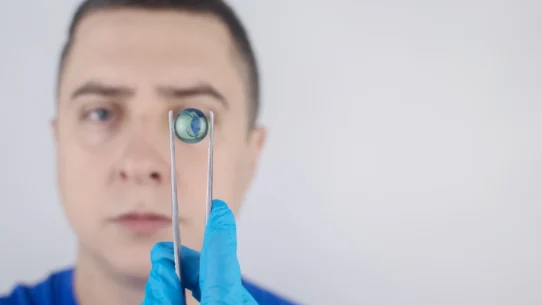
As for what Cataract is? It is a condition in which the lens of our eyes becomes cloudy. This cloudiness interferes with the light reaching the retina, leading to vision impairment.
According to a report by the World Health Organization (WHO), 94 million people are affected due to Cataracts out of 1 billion.
While blurry vision and cloudy eyes are often associated with the condition, other symptoms of Cataracts can also cause a gradual loss of vision. These include dim vision, sensitivity to light, frequent eyeglasses or contact lens subscription, and double vision.
Save up to 90% on your medicine bills
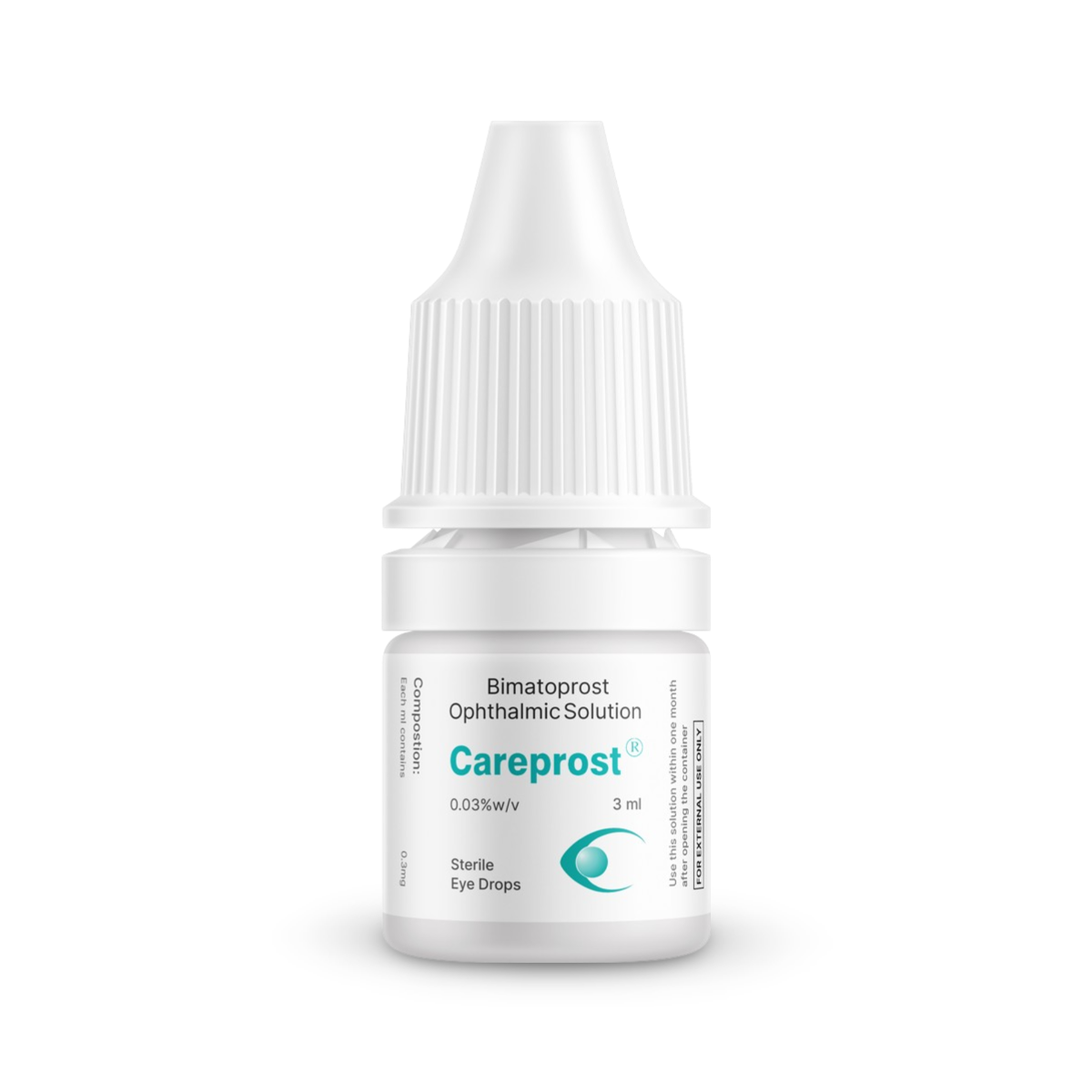
Careprost (With Brush) 3ml 0.03%
Starting at just $17.36 per bottleBuy Now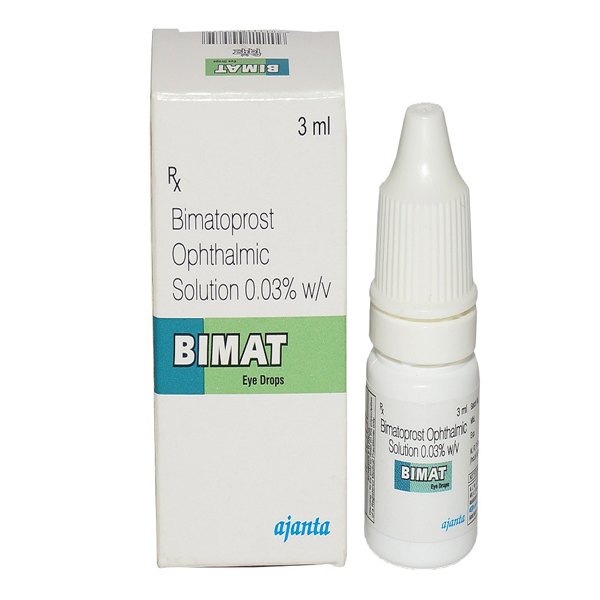
Bimat 0.03% w/v
Starting at just $10.16 per bottleBuy Now
Bimat (With Brush) 3 ml (0.03%)
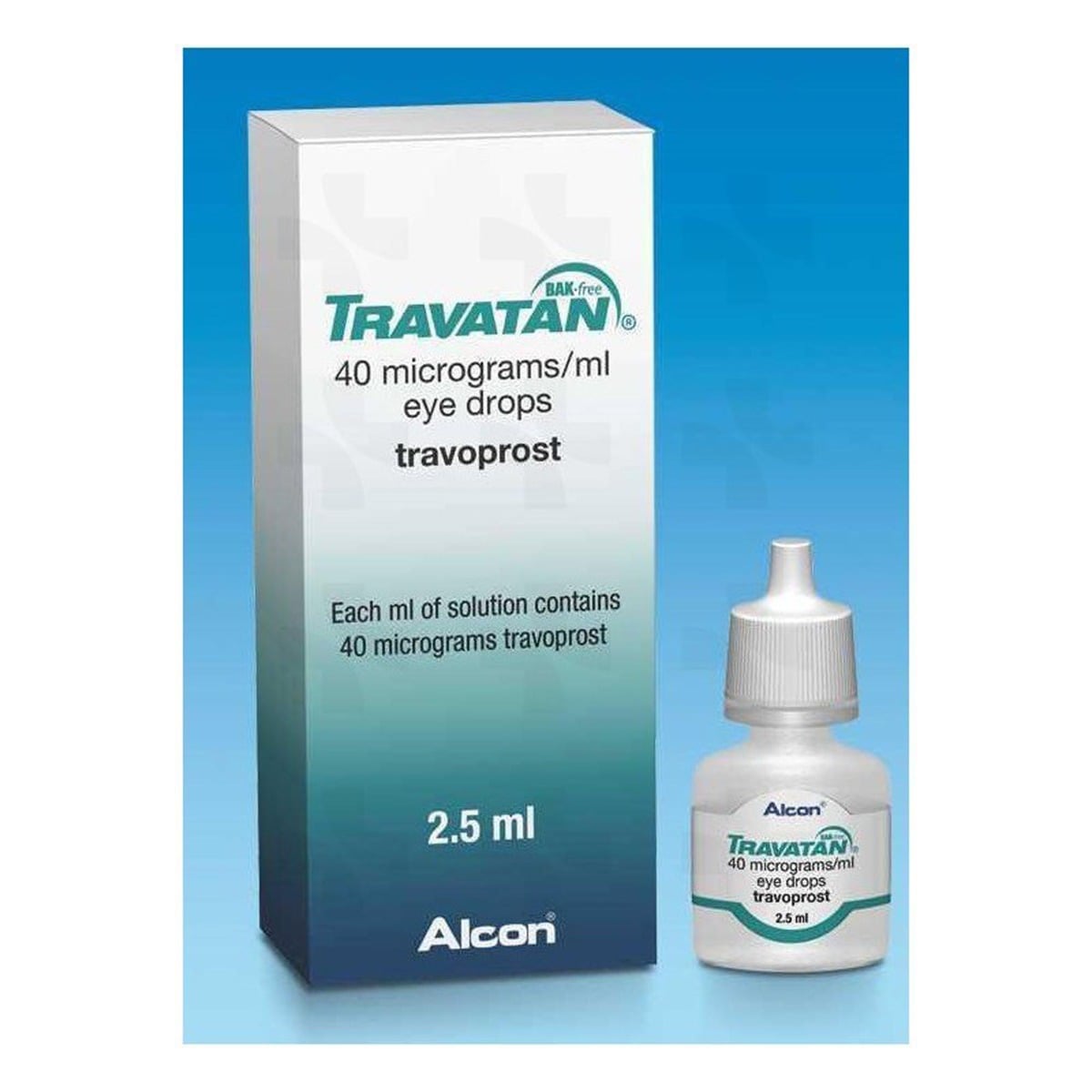
Travatan 40 Mcg/2.5ml
Can Cataract Eye Drops be an Alternative to Surgery
The answer is no. There is no direct way of treating the condition with eye drops. While eye drops for Cataracts have always been an intriguing topic of research and discussion, almost no research could provide a strong stance on the same.
It is essential to note that Cataracts can only be treated with surgery in which an ophthalmologist (eye specialist) replaces a clouded natural lens with an intraocular lens (IOL).
Although eye drops don’t treat the condition, they can help support the overall surgical process. Antioxidant eye drops, for example, can support overall eye health for those with Cataracts.
Even though antioxidant eye drops may help stabilize the early condition, they are no alternative to Cataract surgery, which remains the most effective option.
Eye Drops after Cataract Surgery
Although eye drops cannot replace the effective surgical procedure to eliminate the condition, it can provide an extensive support before and after the surgical process.
Non-steroidal anti-inflammatory drugs (NSAIDs) are often administered pre-operation, whereas post-operation several eye drops such as anti-inflammatory, antibiotic, and lubricating eye drops are commonly prescribed to ensure smooth recovery after cataract surgery.
Once the recovery is done, Cataracts won’t reoccur, making the surgery intervention the best option.
Promising Eye Drops for Cataract Removal
While the Food and Drug Administration (FDA) has yet to approve eye drops that could potentially remove the condition, there is still hope. With the world evolving at a fast pace, there is ongoing research about eye drops that can one day resolve the underlying issue.
Compounds like Acetylcarnitine and Lanosterol could help clear up the clouding of the lens. However, researchers have yet to find out their effectiveness.
A National Center for Biotechnology and Information (NCBI) research showed that eye drops can temporarily reduce cortical Cataract severity, suggesting they could become a non-surgical treatment in the future.
Conclusion
To sum up, Cataracts are the leading cause of vision impairment across the globe, which can significantly affect our mundane lives.
Although there have been studies and treatments for non-surgical options like Cataract eye drops, it is essential to understand that surgical procedure remains the most assertive way of treating the condition.
While eye drops can’t replace the surgical method, it may ensure the smooth functioning of the surgical procedure. Eye drops like NSAIDs are prescribed prior the operation and several eye drops can be administered depending on the requirement by the doctor.

Frequently Asked Questions
Can we use over-the-counter drops to treat Cataract?
No, the FDA has not approved over-the-counter or prescription drops for its effectiveness in dissolving the condition.
When do you start Eye Drops before Cataract Surgery?
You should start using eye drops 3 days prior to your scheduled surgery. However, it is important to note that not all doctors prescribe a medication prior to the operation. Always consult your doctor for the dosage and timing for an optimal procedure.
How long do you use Eye Drops after Cataract Surgery?
The duration of eye drops depends on its type: antibiotic drops can be used for about a week meanwhile anti-inflammatory drops can go from 3 to 6 weeks.
What are the common side effects of Cataract eye drops?
Mild stinging, burning, or irritation upon application of the drops could be some of its common side effects. Although they subside in a while, consult a doctor if the problem persists or worsens.
How should I apply my eye drops properly?
Eye drops should be applied after washing your hands thoroughly. Tilt your head, pull down your lower eyelid, and squeeze the nozzle to allow the formula to reach the eyes. Wipe off the excess liquid with a tissue.
Cheap Medicine Shop only refers to credible, authoritative sources for our content. If you're curious about how we ensure the integrity of our content, we encourage you to read our Content Information Policy.