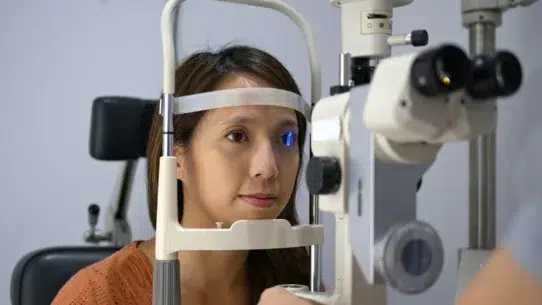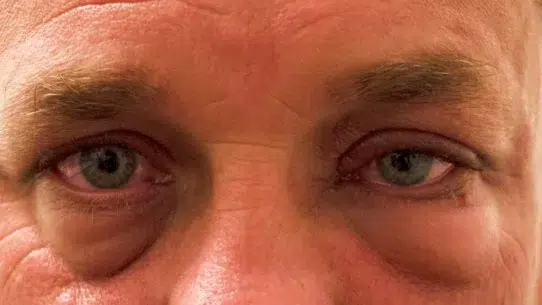








Diabetic Retinopathy is an eye condition caused due to Diabetes that damages the retina’s blood vessels and can lead to vision loss and blindness.
A person can experience symptoms like blurred vision, floaters, pain or pressure in the eyes, and even vision loss.
The complex relationship between Diabetes and eye health requires careful consideration.
The treatment for Diabetic Retinopathy can involve different approaches, such as laser therapy, medication, and surgery.
The most effective Diabetic Retinopathy treatment depends on the severity of the condition and the patient’s individual needs.
Diabetic Retinopathy Treatment
Conventional Diabetic Retinopathy treatments have been fundamental in addressing this sight-threatening condition.
Laser therapy, a well-established method, aims to slow or halt disease progression by sealing off abnormal blood vessels and reducing swelling.
Surgical interventions, another conventional approach, may be recommended for advanced cases.
These surgeries, such as Vitrectomy, target the removal of blood or scar tissue from the eye.
The effectiveness of these treatments lies in their ability to preserve vision and prevent further damage to the retina.
However, the decision between laser therapy and surgery depends on the severity of the condition, emphasizing the importance of individualized care plans.
Understanding these conventional treatments is important for healthcare professionals and patients in navigating the complexities of Diabetic Retinopathy management.
Save up to 90% on your medicine bills
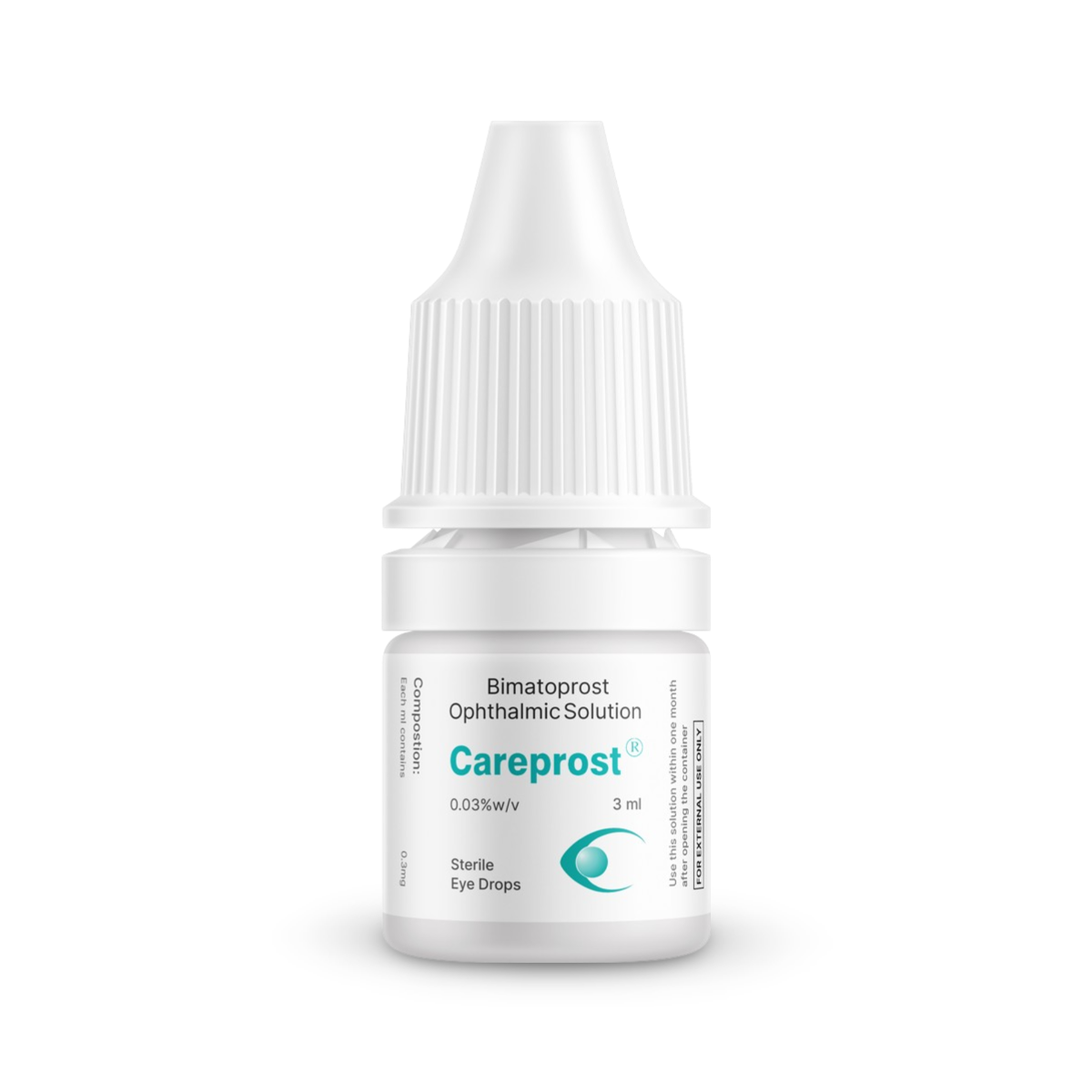
Careprost (With Brush) 3ml 0.03%
Starting at just $17.36 per bottleBuy Now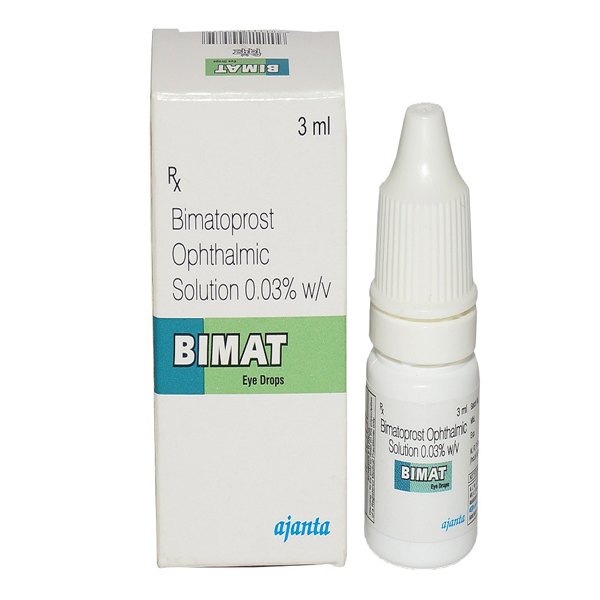
Bimat 0.03% w/v
Starting at just $10.16 per bottleBuy Now
Bimat (With Brush) 3 ml (0.03%)
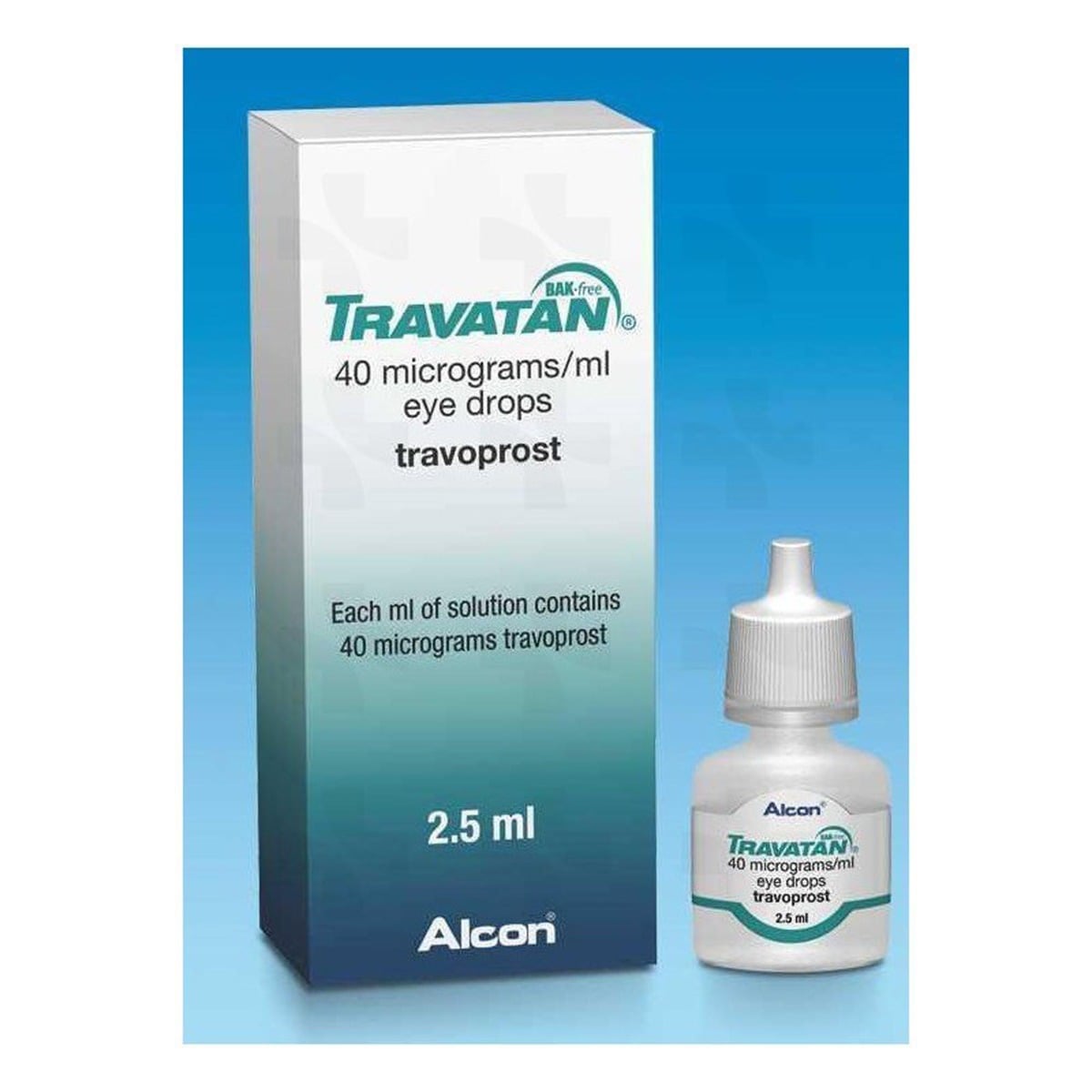
Travatan 40 Mcg/2.5ml
Eye Injections for Diabetic Retinopathy

Eye injections are a new approach to treating Diabetic Retinopathy.
This method has gained popularity in recent times and is proving to be effective.
These injections, often containing anti-VEGF medications, are designed to target abnormal blood vessels in the retina, preventing their growth and reducing the risk of vision loss.
The effectiveness of eye injections in slowing the progression of Diabetic Retinopathy has marked a significant advancement in ophthalmic care.
Patients undergoing this treatment may experience improved visual outcomes and stop their retinal problem from getting worse.
Eye injections offer a promising and minimally invasive solution for Diabetic Retinopathy, targeting complex vascular changes associated with the disease.
To learn about the symptoms of Diabetic Retinopathy, read Understanding Diabetic Retinopathy Symptoms: A Comprehensive Guide.
Diabetic Retinopathy Medication
Medications are important in the treatment for Diabetic Retinopathy.
Pharmaceutical involvement can help treat the disease by targeting inflammation and abnormal blood vessel growth.
These medications aim to address the underlying causes of the disease.
Common medications for Diabetic Retinopathy include anti-VEGF medications, steroids, and Angiotensin-Converting Enzyme (ACE) inhibitors.
Anti-VEGF medications, administered through injections, inhibit the growth of abnormal blood vessels, reducing the risk of vision loss.
Steroids may be used to relieve inflammation in the eyes.
ACE inhibitors, primarily used for blood pressure management, have also shown potential in slowing the progression of Diabetic Retinopathy.
Doctors must consider medication effectiveness, side effects, and patient health for treatment plans.
Successful treatment of Diabetic Retinopathy relies on the management of Diabetes.
To ensure this, it is important to keep Diabetes under control.
To learn more about how to prevent Diabetes, read Know 8 Best Ways to Prevent Complications of Diabetes.
Proliferative Diabetic Retinopathy Treatment
Proliferative Diabetic Retinopathy (PDR) represents an advanced stage of this disease characterized by the growth of abnormal blood vessels on the retina.
Treatment for PDR often involves specialized interventions aimed at preventing further complications.
Laser therapy, known as Pan Retinal Photocoagulation (PRP), is a common approach, targeting the peripheral retina to reduce abnormal vessel growth.
In some cases, anti-VEGF medications may be administered through injections to inhibit the formation of new blood vessels.
Personalized treatment is important in managing Proliferative Diabetic Retinopathy and preserving vision.
Regular follow-ups and consultation with ophthalmologists are essential for successful outcomes from PDR treatment.
To explore exercise options for your Diabetes, read Know Five Exercises For Regulating Your Diabetes.
Conclusion
Underlying Diabetes can cause Diabetic Retinopathy, which damages the blood vessels in the retina and can result in blindness and vision loss.
Recent advancements in eye treatment include medication, injections, laser, and surgery.
Communication between patients and doctors is important for the successful Diabetic Retinopathy treatment.
Early diagnosis is extremely important for achieving positive outcomes.
It is important to have regular check-ups and take immediate action as needed.
By carefully considering and comprehending options, individuals can improve their quality of life and maintain their vision.
Easily treat Diabetic Retinopathy with our effective Eye Care and prepare to see the world in high definition.

Frequently Questions Asked
What should individuals with Diabetes do to protect their eyes?
People with Diabetes should get regular eye check-ups, control their blood sugar levels, live a healthy lifestyle, and follow their healthcare provider’s advice to prevent Diabetic Retinopathy.
How often should individuals with Diabetes have their eyes checked for Diabetic Retinopathy?
It is recommended for individuals with Diabetes to have a comprehensive eye exam at least once a year.
Regular eye check-ups are essential for early detection and timely diagnosis.
What should I do if I suspect Diabetic Retinopathy symptoms?
If you experience any changes in your vision or suspect Diabetic Retinopathy symptoms, you should schedule an appointment with an eye care professional.
Early diagnosis can make a significant difference in preserving your vision.
Can Diabetic Retinopathy be completely cured with treatment?
No, Diabetic Retinopathy cannot be completely cured with treatment. Although treatment can manage and slow the progression of Diabetic Retinopathy.
Regular monitoring and proactive management are essential for optimal outcomes.
Why is early detection important in case of Diabetic Retinopathy?
Early detection allows for timely intervention and management, minimizing the risk of severe vision impairment.
Regular eye check-ups are important in identifying Diabetic Retinopathy in its early stages.
Cheap Medicine Shop only refers to credible, authoritative sources for our content. If you're curious about how we ensure the integrity of our content, we encourage you to read our Content Information Policy.