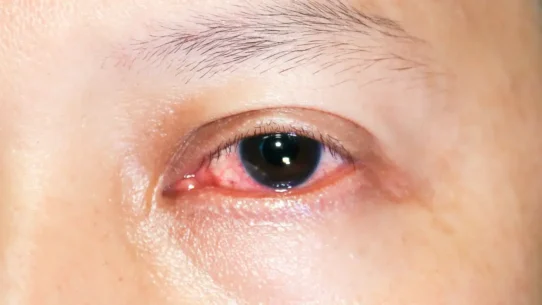






Eye pain is a troubling symptom that generally signals an issue either with the eyes or with overall health. You might notice mild discomfort, a persistent dull ache, or sharp, stabbing sensations in or around the eye.
It can result from simple factors like dryness, allergies, or serious problems such as Glaucoma, infections, or nerve issues. Sometimes, pain occurs alongside other symptoms, such as redness, swelling, or headache, pointing to the need for timely intervention.
Understanding eye pain helps you recognize what triggers discomfort, how to manage or prevent it, and when it’s vital to consult a doctor for guidance or treatment. This article covers all you need to know about this discomfort to keep your eyes protected and healthy.
Types of eye pain
Eye pain usually falls into two main types based on the origin of pain:
- Ocular pain: It originates from the eye surface or anterior structures (outside the eye). It is usually a burning sensation or sharp pain in the eye.
- Orbital pain: This is a deep, aching pain behind the eye or around the eye socket. It is often throbbing or pressure-like.
However, most people generally describe or categorize eye pain based on the symptoms and location. Some of these include:
- Pain behind eye: This type of pain feels like a deep ache or pressure behind the eyeball.
- Sharp pain in one eye: It usually presents as a sudden, stabbing discomfort that affects just one side.
- Aching pain in the left or right eye: It is localized pain that is generally dull and persistent.
- Eye socket pain: It refers to discomfort or soreness felt around the bony area surrounding the eye.
- Eye pressure pain: This is often described as a heavy or tight sensation, as if pressure is building inside the eye.
- Eye pain when blinking: This pain occurs with eyelid movement, often due to strain or styes.
- Painful eye flu: This describes soreness or sensitivity in the eyes that appears during or after a flu infection.
Save up to 90% on your medicine bills
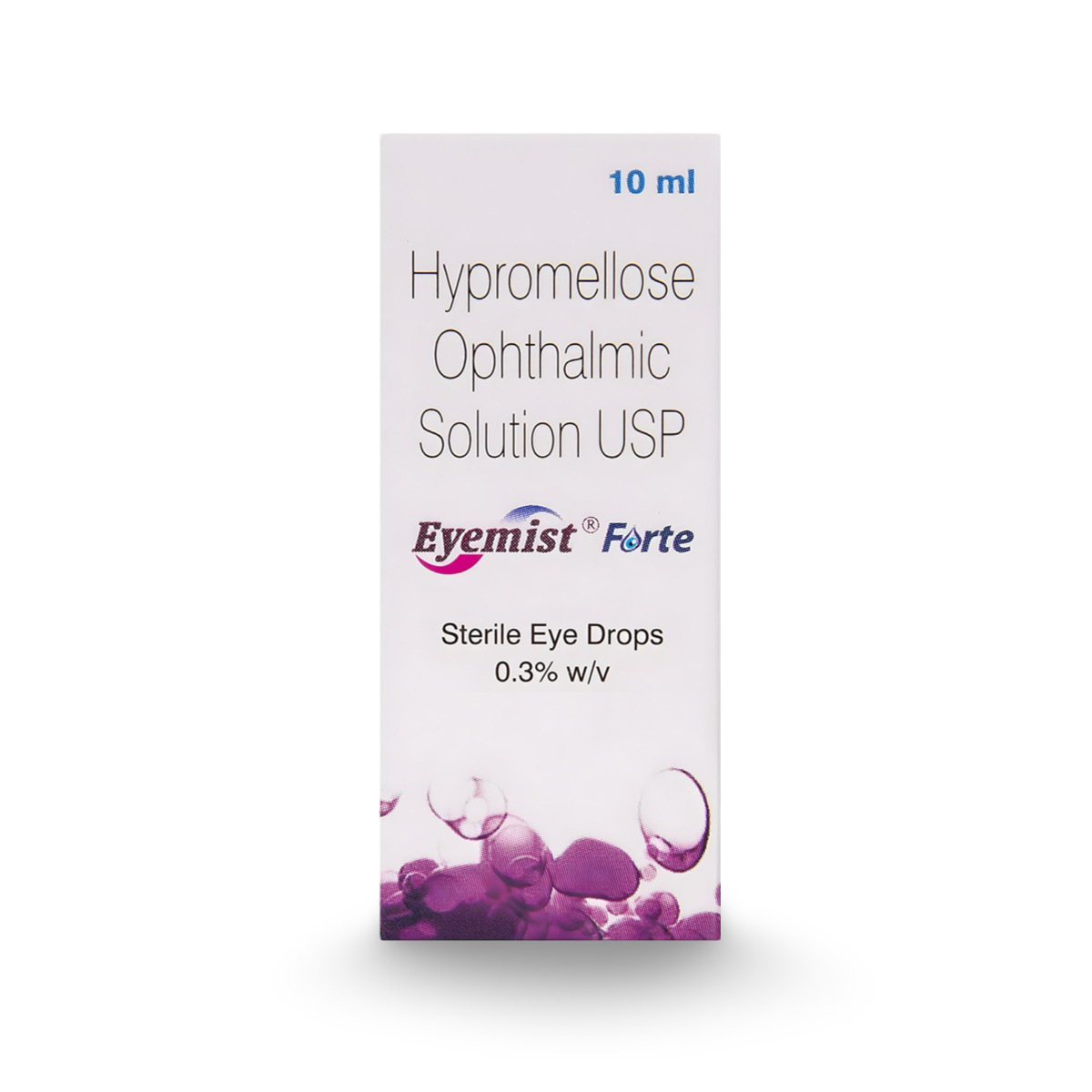
Eyemist Forte 10 ml
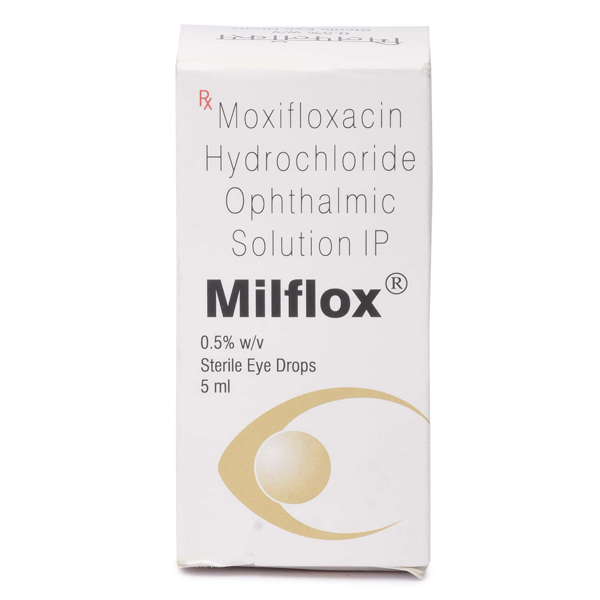
Milflox 0.5% 5 ml
Restasis 0.05% Ophthalmic Emulsion 0.4ml
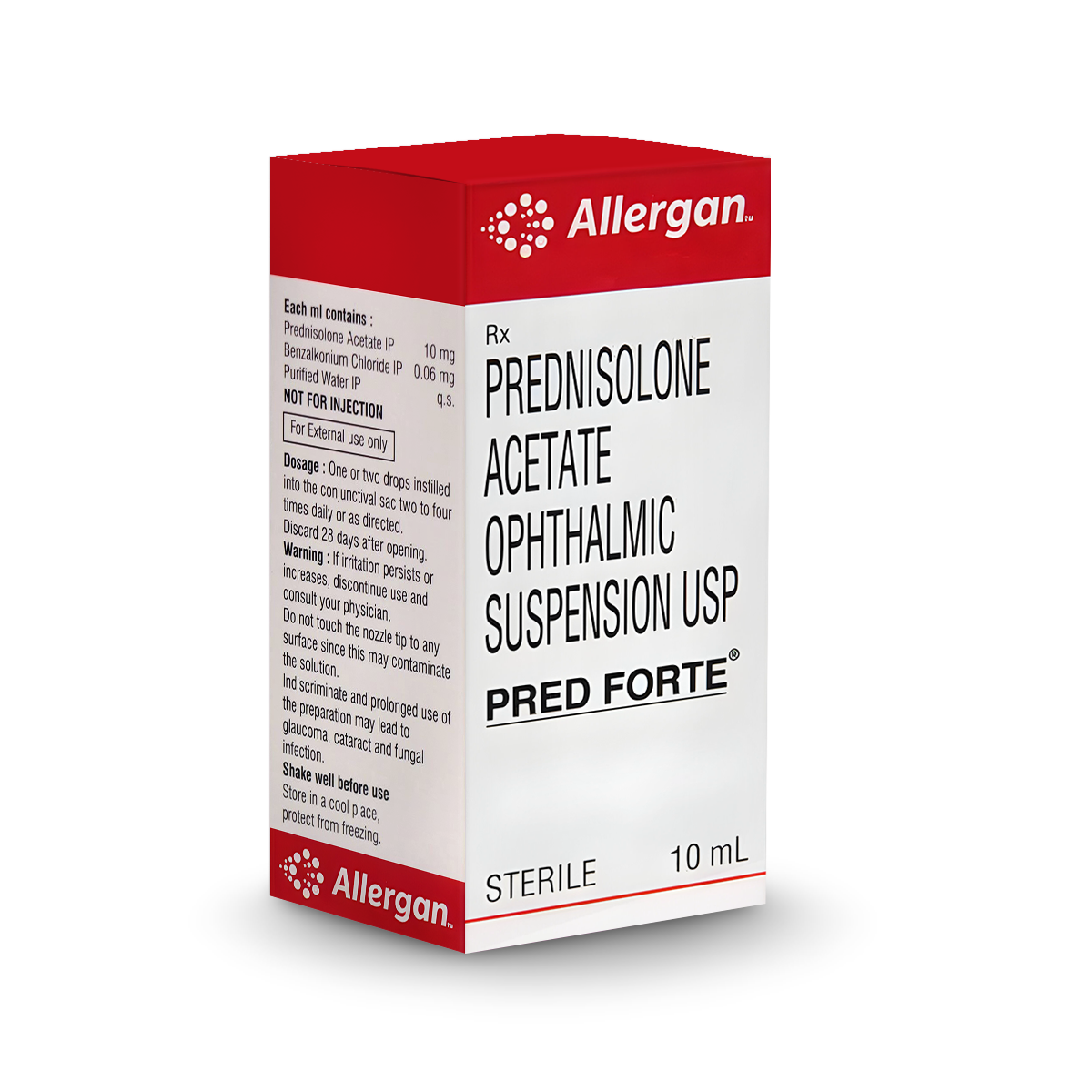
Pred Forte 10 ml
Other symptoms associated with eye pain
Pain in the eye usually occurs alongside other symptoms that provide important clues about the underlying cause. Understanding these associated signs helps in the early recognition and management of eye conditions. Common symptoms that may accompany eye pain include:
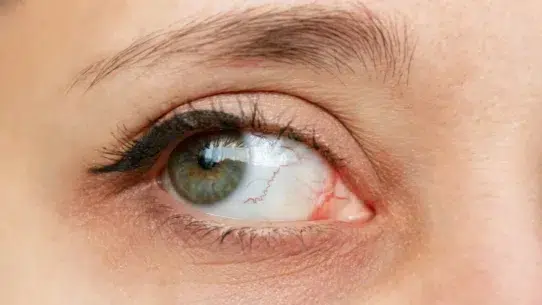
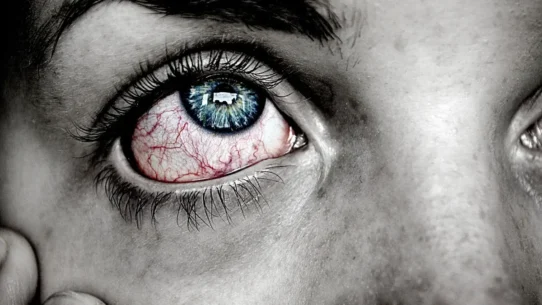
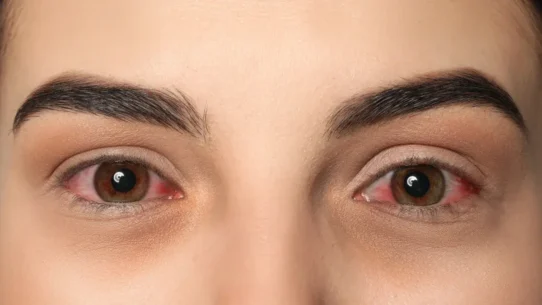
- Redness or bloodshot appearance of the eye
- Swelling or puffiness around the eye
- Discharge or crusting, especially in the mornings
- Foreign body sensation (feeling like there is something in the eye)
- Blurred or double vision
- Sensitivity to light (Photophobia)
- Watery or gritty sensation
- Headache
- Irritation
Causes and risk factors of eye pain
Eye pain and its causes overlap with various risk factors influencing onset or severity. Understanding this overlap helps in prevention and management. Some common causes include:
- Headaches and Migraines: Cluster headaches and Migraines can cause severe orbital pain, sometimes with visual symptoms like aura (flashing, zigzag lines, or blind spots).
- Infections: Eye infections such as Conjunctivitis, which inflames the conjunctiva (eye membrane covering the white part of the eye), Blepharitis, which affects the eyelids, and Keratitis, which involves the cornea, can cause ocular pain.
- Dry Eyes: This condition causes tear insufficiency, which leads to irritation, burning sensations, or eye redness and pain.
- Contact lens use: Improper hygiene or prolonged contact lens wear increases the risk of corneal abrasions (scratches), infections, and resulting eye pain.
- Physical trauma: Injuries to the eye globe or orbit can cause pain, swelling, and possibly vision changes.
- Glaucoma: Conditions like Acute Angle-closure Glaucoma cause a rapid increase in eye pressure, which results in pain behind the eye, headache, and nausea.
- Sinusitis: Infection or inflammation of the paranasal sinuses (four paired cavities inside your face near the nose) causes pressure buildup and pain behind or around the eyes.
- Neurological conditions: Optic Neuritis (swelling of the optic nerve) and other nerve inflammations cause pain within or behind the eye socket, often worsened by eye movement.
- Environmental and lifestyle factors: Prolonged screen exposure, exposure to irritants like smoke or chemicals, and aging-related tear reduction can all increase the risk or severity of eye pain.
How to treat and manage it?
Treatment and management depend on the underlying cause of eye pain and the severity of symptoms. Mild cases might respond well to home care, while severe conditions require professional medical intervention.
Treatment
Some of the common treatment options include:
- Using artificial tears or lubricating eye drops such as Raymoist Eye Drop to soothe dryness and irritation.
- Applying antihistamine or allergy eye drops for Allergic Conjunctivitis.
- Taking oral pain relievers like Brufen 400 or eye drops for pain, like Milflodex 5 ml, with medical advice.
Home care
You can also use some home remedies to manage mild cases of eye pain, such as:
- Applying cold compresses to the affected eye to reduce swelling and discomfort.
- Avoiding rubbing the eyes and refraining from using expired medications.
- Ensuring proper contact lens hygiene and limiting use to avoid irritation.
- Avoid irritants like dust and smoke.
- Limit your screen time and take breaks. You can follow the 20-20-20 rule, which states that after 20 minutes of screen time, look 20 seconds away at something else, then rest your eyes for 20 seconds.
When to seek medical attention?
Pain in the eye does not always require urgent care. However, certain symptoms need prompt medical evaluation to prevent complications or vision loss. Being able to recognize these warning signs is essential for timely treatment.
You should seek medical help immediately if you experience the following symptoms:
- Severe or sudden eye pain that worsens quickly
- Changes or sudden loss of vision
- Nausea, vomiting, or severe headache
- Eye trauma, chemical exposure, or a foreign object in the eye
- Redness, swelling, or discharge that worsens or does not improve
- Difficulty moving or opening the eye
- Seeing halos around lights or the presence of blood or pus discharge
Conclusion
Eye pain can range from minor surface irritation to serious diseases affecting eye structures and vision. It may occur with other symptoms like redness, swelling, irritation, and watery eyes. It can be caused by headaches, infections, Glaucoma, injury and neurological conditions.
These are often connected with risk factors such as contact lens use and environmental exposures that can worsen eye pain. Based on the cause, doctors usually prescribe artificial tears or allergy eye drops for relief. Painkillers, cold or warm compresses, and limiting screen time can also help in management.
Awareness of symptoms, causes, and risk factors helps protect your eye health and seek timely care. If you have worsening symptoms, nausea, vision loss, or severe discomfort, you must consult a doctor on time. With quality care, eye pain can be managed effectively without long-term vision problems.

Frequently Asked Questions
Is eye pain a symptom of stroke?
No, pain in the eye is generally not a direct symptom of stroke. However, sudden vision changes, drooping eyelids, or weakness on one side of the face or body require immediate emergency evaluation.
What is an Eye Aneurysm?
An Eye Aneurysm is a weakened bulging blood vessel in the eye’s blood supply, which can affect vision if ruptured. It requires urgent diagnosis and treatment to prevent complications.
What are the signs of optic nerve damage?
Signs of optic nerve damage include vision loss, decreased color vision, pain on eye movement, and sometimes a pale optic disc seen during an eye exam. Immediate medical attention is crucial in such cases.
Can eye pain be a brain tumor?
Yes, eye pain can be a sign of a brain tumor. However, pain alone rarely indicates a brain tumor. If any other associated signs like headaches, neurological deficits, vision changes, or eye movement problems are present, seek medical evaluation immediately.
Cheap Medicine Shop only refers to credible, authoritative sources for our content. If you're curious about how we ensure the integrity of our content, we encourage you to read our Content Information Policy.