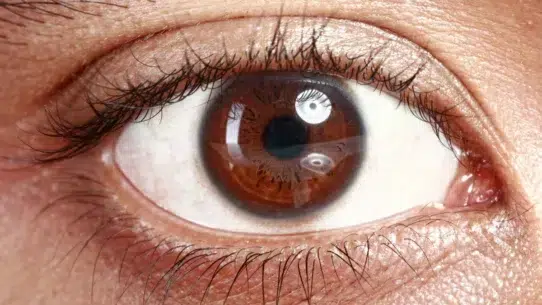







Glaucoma is a group of eye disorders that leads to an increase in the intraocular eye pressure.
This may damage the optic nerve, leading to total blindness in severe cases.
Diabetes is when the blood sugar levels in the body rise to extreme levels.
This happens due to insufficient production of insulin in the pancreas.
But, are these two conditions related?
Many studies over the decades have revealed that Glaucoma and Diabetes are closely related.
In this article, we will discuss this correlation in-depth, along with some preventive measures for better eye health.
Glaucoma and Diabetes – The Relation
The association between Diabetes and Glaucoma has been confirmed by various studies.
Diabetes leads to a significantly increased risk of Glaucoma.
According to Glaucoma.org, Diabetic patients are twice as likely to develop Glaucoma.
The most common type of Glaucoma caused by Diabetes is Open-Angle Glaucoma.
This type of Glaucoma may not even show symptoms until later stages of the disease.
Moreover, patients with Glaucoma might also develop Diabetes.
However, the exact mechanism of this relation is still unclear.
One theory suggests that Diabetes leads to abnormal sugar levels in the body, forming Fibronectin in the eye.
| Fibronectin is a plasma glycoprotein that helps hold our cells and tissues together. |
Too much Fibronectin may block the natural drainage system of the eyes.
A blocked drainage system means fluid will be formed and collected inside the eye, leading to Glaucoma.
It is advised to consult your doctor for proper treatment of Glaucoma.
Save up to 90% on your medicine bills

Careprost (With Brush) 3ml 0.03%
Starting at just $17.36 per bottleBuy Now
Bimat 0.03% w/v
Starting at just $10.16 per bottleBuy Now
Bimat (With Brush) 3 ml (0.03%)
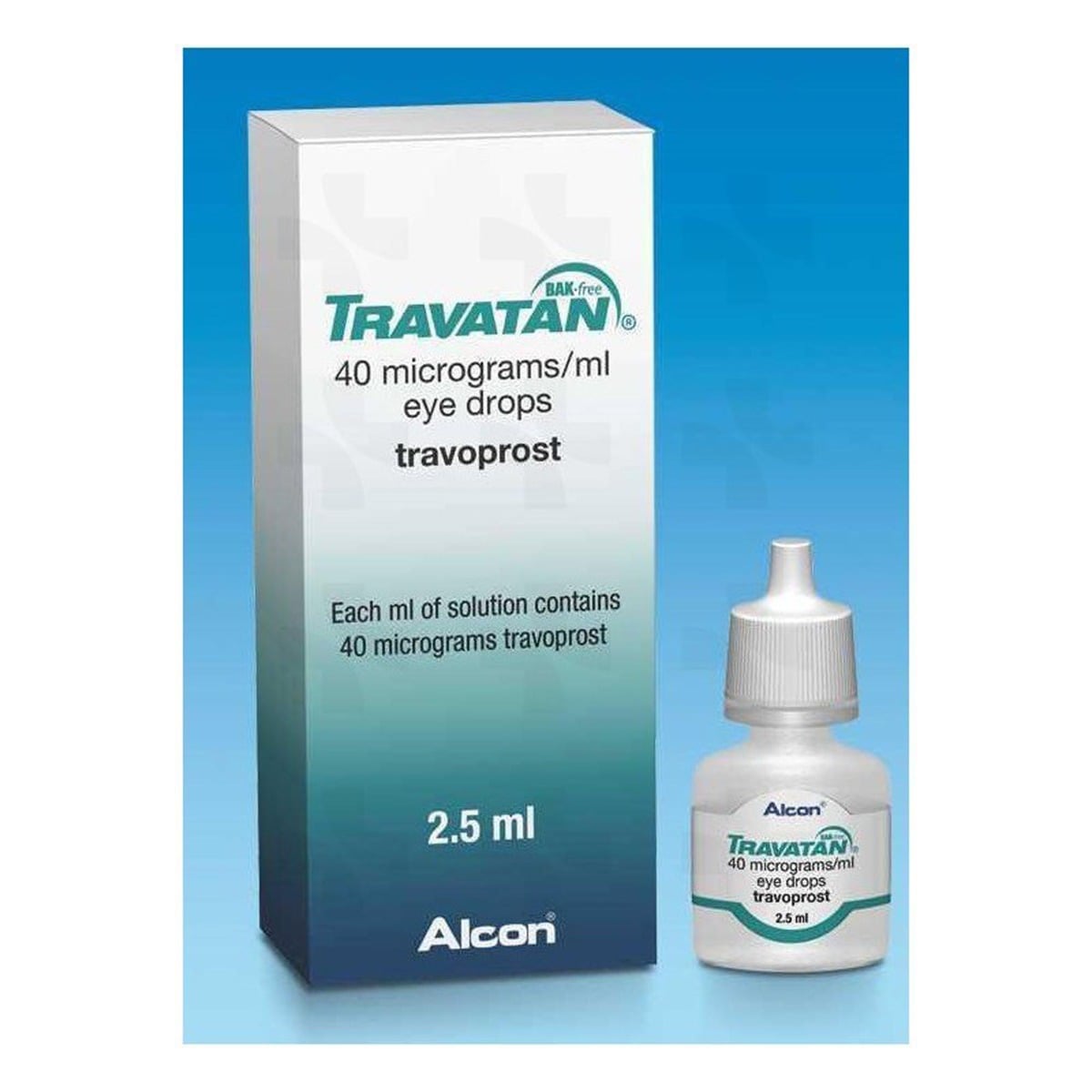
Travatan 40 Mcg/2.5ml
Effect of Diabetes on Vision
Individuals with Diabetes have a greater risk of developing Diabetic Retinopathy.
The National Institute of Diabetes and Digestive and Kidney Diseases (NIDDK) states that high blood sugar levels might also affect the blood vessels in your retina.
This condition is known as Diabetic Retinopathy.
It leads to Neurovascular Glaucoma – the abnormal growth of abnormal blood vessels in the eye.
These blood vessels increase the eye pressure and block the eye’s drainage system.This leads to a scarred retina or a complete vision loss.
A study conducted by the National Library of Medicine found that 15.6% of patients with Diabetes also have Glaucoma.
It may also lead to Macular Edema- a condition where the fluid leaks onto the retina, causing blurry vision.
Therefore, patients with Diabetes are advised to get their eyes checked frequently, even if they do not observe any symptoms.
To explore more about blurry vision and Glaucoma, read Clearing the Fog: Does Glaucoma Cause Blurry Vision?
Other Risk Factors for Glaucoma

Besides Diabetes, there are many other factors that may cause Glaucoma.
Old age is one of the common factors that might increase the risk of Glaucoma. People over 60 years are more vulnerable to Glaucoma.
People with Sleep Apnea, thinner cornea, or Myopia (nearsightedness) might also develop Glaucoma.
Along with this, a family history of Glaucoma significantly increases the risk of developing this eye condition.
To understand if Glaucoma is hereditary, read Is Glaucoma Hereditary? A Comprehensive Medical Analysis
It is vital to contact your doctor if you notice any related symptoms.
They may prescribe Glaucoma eye drops which are generally the first method of treatment for Glaucoma.
To know more about these eye drops, read: Everything You Need to Know About Glaucoma Eye Drops.
How to Manage Glaucoma Caused Due to Diabetes
The best way to treat Glaucoma caused by Diabetes is to keep your blood sugar and blood pressure in control.
This can be done by regular exercise and having a healthy diet.
Get a full eye examination every year by a certified ophthalmologist.
Most importantly, keep a lookout for early symptoms of Glaucoma, such as blurry vision, itchiness, redness, etc.
The sooner you catch the symptoms, the more effective the Glaucoma treatment will be.30-AugThe best way to treat Glaucoma caused by Diabetes is to keep your blood sugar and blood pressure in control.
This can be done by regular exercise and having a healthy diet.
Get a full eye examination every year by a certified ophthalmologist.
Most importantly, keep a lookout for early symptoms of Glaucoma, such as blurry vision, itchiness, redness, etc.
The sooner you catch the symptoms, the more effective the Glaucoma treatment will be.
Conclusion
If you have Diabetes, you are at a higher risk of developing Glaucoma.
The high blood sugar levels can lead to increased eye pressure, and potential damage to the retina.
The increased blood sugar levels might cause a variety of eye damage.
Diabetes may also lead to Macular Edema.
However, the relationship between Glaucoma and Diabetes is still a subject of research.
Besides Diabetes, other factors that might increase the risk of Glaucoma are age, family history, Sleep Apnea, Myopia, and thinner Cornea .
It is advised to keep your blood sugar levels balanced and go for regular eye checkups.
Consult your ophthalmologist as soon as you encounter any eye disease symptoms.

Frequently Asked Questions
Is Glaucoma related to Diabetes?
Yes, Glaucoma is related to Diabetes. Patients with Diabetes are twice as likely to have Glaucoma. Also, Glaucoma patients are also at a higher risk of developing Diabetes
Can you get Glaucoma without having Diabetes?
Yes, Diabetes is not the only cause of Glaucoma. Blocked drainage, injury, or underlying medical conditions can also lead to Glaucoma.
Why does Diabetes cause Glaucoma?
Diabetes may lead to Diabetic Retinopathy, which is a condition that damages the retina of the eye. Abnormal growth of nerves in the retina can cause blockage of the natural drainage system of the eye, leading to Glaucoma.
How is Glaucoma treated in Diabetic patients?
Glaucoma is treated in a similar way in both Diabetic and non-Diabetic patients. Eye drops are the first method of treatment, followed by pills or surgery if needed. They may prescribe effective treatment options depending on your symptoms and medical history.
What percentage of Diabetic individuals experience Glaucoma?
A study found that 15.6% of patients with Diabetes also have Glaucoma. However, these results may vary in larger volumes of people.
Cheap Medicine Shop only refers to credible, authoritative sources for our content. If you're curious about how we ensure the integrity of our content, we encourage you to read our Content Information Policy.