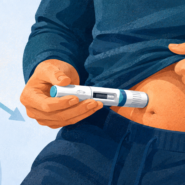

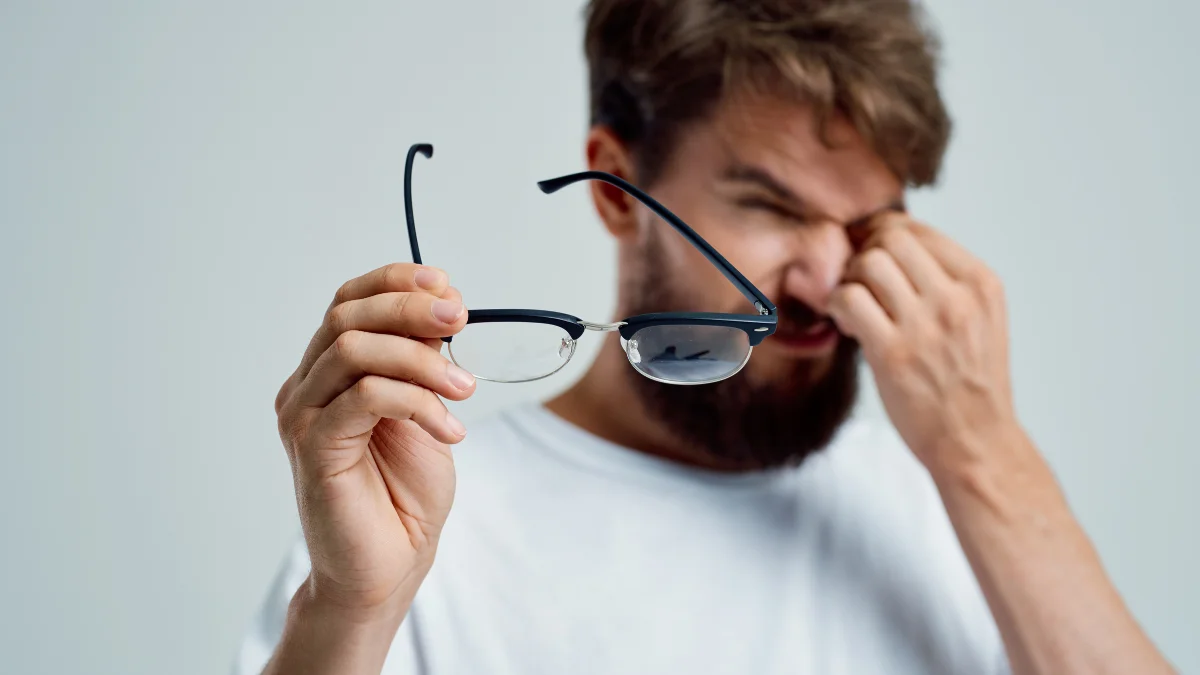

High eye pressure, also known as Ocular Hypertension, occurs when the pressure inside your eyes is higher than normal.
Eyes are like hollow balloons filled with a clear liquid called aqueous humor.
This liquid helps maintain the shape of your eyes and nourishes them.
However, if there is too much of it or it does not drain properly, the pressure inside your eyes can increase, leading to high pressure in the eye.
This article will explore the symptoms, causes, and ways to lower high pressure in the eye.
High Eye Pressure Symptoms
High Eye Pressure often sneaks up without any noticeable symptoms.
It is usually a mild eye condition but could lead to Glaucoma and other serious eye disorders.
Glaucoma is a group of eye diseases caused by high eye pressure that could result in permanent blindness.
This makes it important to understand the signs that might indicate a problem.
Here is a list of potential high-pressure eye symptoms to watch out for.
- Blurry vision
If you notice your vision becoming blurrier than usual, it could be a sign of high pressure in the eye. This blurriness might come and go, so pay close attention to any change in vision
- Headaches
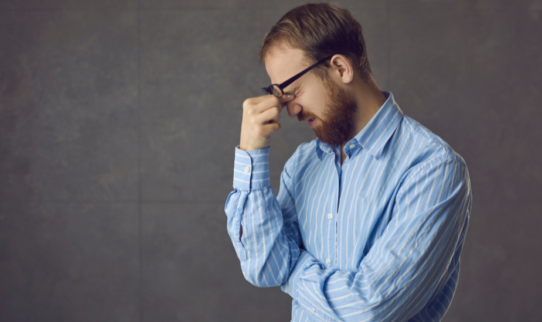
Studies suggest frequent headaches, particularly around your eyes, can be a warning sign. While many factors can cause headaches, it’s worth considering eye pressure as a possible cause - Rainbow halos
Seeing colorful halos around light, especially at night, might indicate high pressure in the eye. This symptom can be subtle but should not be ignored - Redness and pain
If your eyes are often red and painful, it could be due to elevated eye pressure. This discomfort can be mild or severe, so do not dismiss any persistent eye pain - Nausea or vomiting
High Eye Pressure can lead to nausea and vomiting in extreme cases. While this is less common, it is a serious symptom that warrants immediate attention
To learn more about how high pressure in the eye and Glaucoma could lead to blindness, Read Does Glaucoma Cause Blindness? Unveiling the Facts.
Save up to 90% on your medicine bills
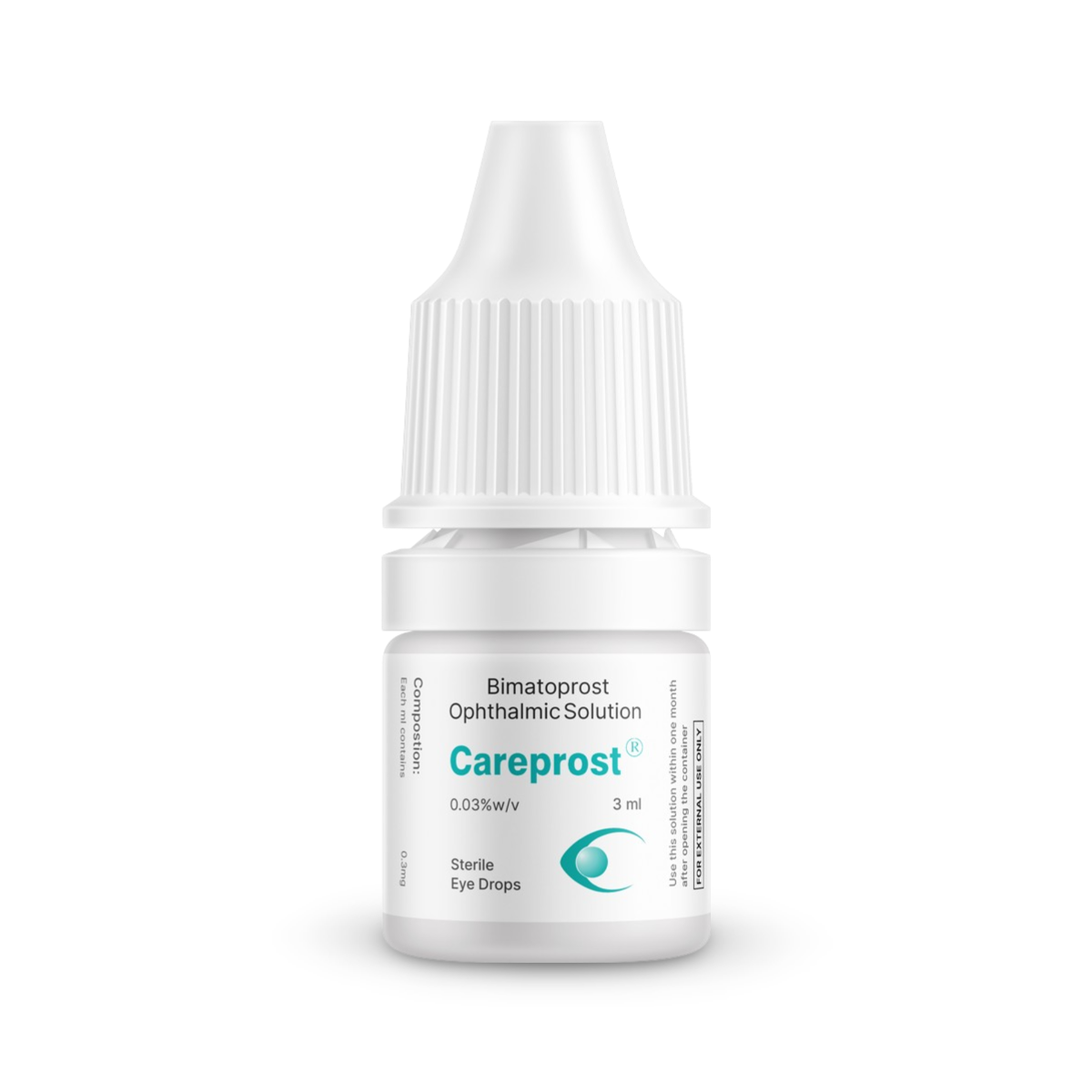
Careprost (With Brush) 3ml 0.03%
Starting at just $17.36 per bottleBuy Now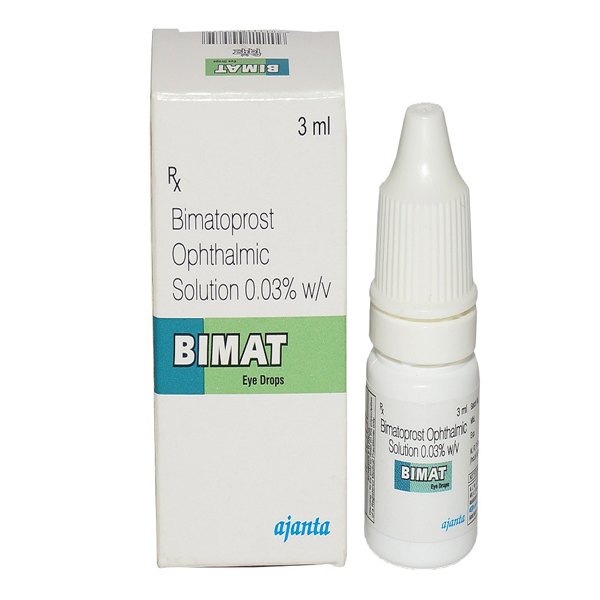
Bimat 0.03% w/v
Starting at just $10.16 per bottleBuy Now
Bimat (With Brush) 3 ml (0.03%)
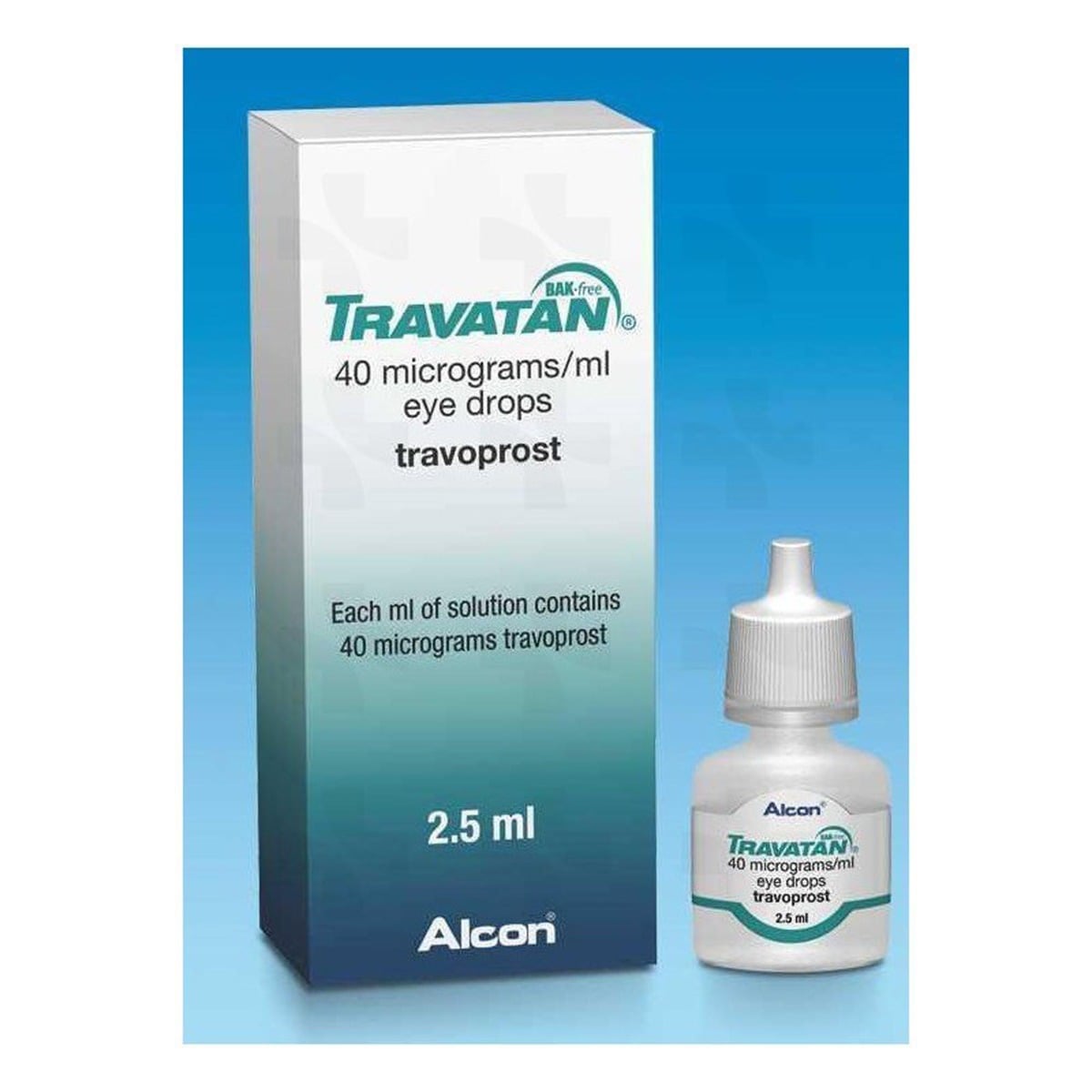
Travatan 40 Mcg/2.5ml
What Causes High Eye Pressure and How to Reduce It
Understanding the potential cause of high pressure in the eye is crucial for prevention and management.
Here are some factors that can contribute to elevated eye pressure.
- Age
A research by The Scientific Journal of The Royal College of Ophthalmologists mentions the risk of high pressure in the eye increases as we age. It’s a natural part of aging, and regular eye exams become even more important to monitor and manage eye pressure - Family history
Genetics affect eye health. You may be at higher risk if you have a family history of Glaucoma or any other eye condition - Eye injuries or diseases
Certain eye injuries, infections, and diseases can lead to high pressure in the eye - Medications
Some medications, such as steroids, can cause elevated eye pressure - Lifestyle factors
Lifestyle choices can impact eye health. Smoking, a poor diet, and excessive alcohol consumption contribute to high pressure in the eye
To know more about how excessive alcohol negatively affects your eye and overall health, read How Adversely Excessive Alcohol Affect Your Health.
Now that we have discussed the potential causes let’s explore ways to reduce high pressure in the eye.
- Regular Eye Exams
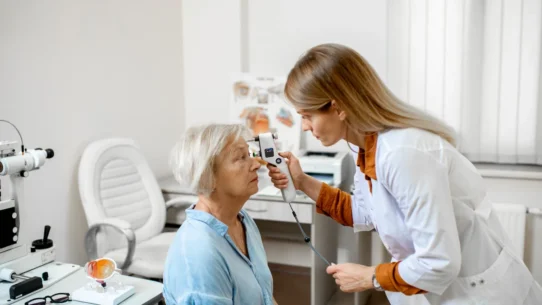
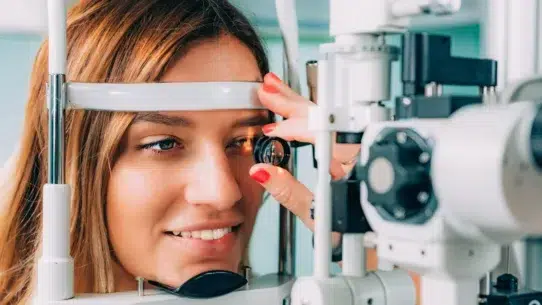
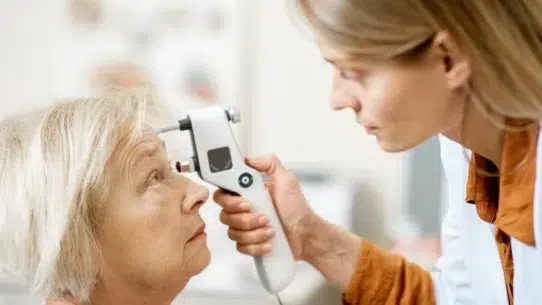
Schedule routine eye exams with an optometrist or ophthalmologist. They can measure your eye pressure and catch any issues early - Medications
Sometimes, your doctor may prescribe you eye drops to help lower your eye pressure. These drops can be very effective when used as directed - Lifestyle changes
Adopt a healthy lifestyle. This includes quitting smoking, limiting alcohol intake, and maintaining a healthy diet rich in nutrients that support eye health - Stress reduction
Research suggests that high stress levels can impact eye pressure. Practice relaxation techniques like meditation or yoga to reduce stress - Follow medical advice
If you have any other medical conditions affecting your eye pressure, such as Diabetes or High Blood Pressure, manage them under your doctor’s guidance.
For more tips to lower eye pressure, read How to Lower Eye Pressure: Treating Glaucoma Effectively.
Conclusion
High Eye Pressure is a condition that can go unnoticed until it causes significant damage.
Awareness of the symptoms, understanding the potential causes, and taking proactive steps to lower eye pressure are essential for maintaining good eye health.
Remember that regular eye checkups and a healthy lifestyle are essential in preventing and managing high pressure in the eye.
Feel free to consult with a healthcare professional if you have concerns about your eye health.

Frequently Asked Questions
What does High Eye Pressure feel like?
High Eye Pressure typically does not cause any noticeable feelings or discomfort. It’s often asymptomatic and requires regular eye check-ups to detect, and it might require medical aid in some circumstances.
What are the symptoms of High Eye Pressure?
High Eye Pressure symptoms are very subtle and go unnoticeable, but some symptoms include blurred vision, headaches, rainbow halos around lights, eye pain, and severe nausea or vomiting.
Can dry eyes cause High Eye Pressure?
Dry eyes may not directly cause high pressure in the eye, but extreme dryness can affect your eye health and contribute to other eye issues.
Can High Eye Pressure cause headaches?
Yes, high pressure in the eye can cause headaches, especially if it affects the optic nerve. This pressure can cause discomfort and pain around the eyes.
Can block sinuses cause High Eye Pressure?
Blocked sinuses can temporarily increase eye pressure due to changes in fluid drainage. However, it’s usually not a direct cause of chronic high pressure in the eye.
Cheap Medicine Shop only refers to credible, authoritative sources for our content. If you're curious about how we ensure the integrity of our content, we encourage you to read our Content Information Policy.