






Hypothyroidism occurs when the thyroid glands don’t produce enough thyroid hormones.
When it comes to Hypothyroidism, most people are aware of common symptoms such as fatigue, weight gain, and mood changes.
However, one lesser-known but distressing sign of an underactive thyroid is puffy eyes.
In this article, we will explore the connection between Hypothyroidism and puffy eyes and how to manage Hypothyroidism puffy eyes symptoms.
Hypothyroidism Puffy Eyes Symptoms
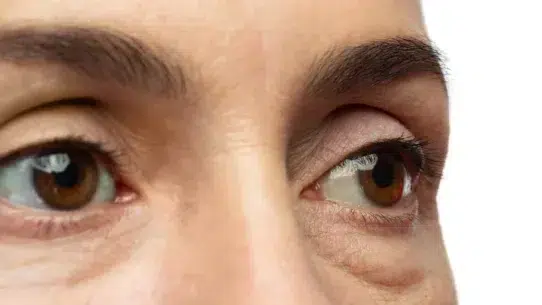
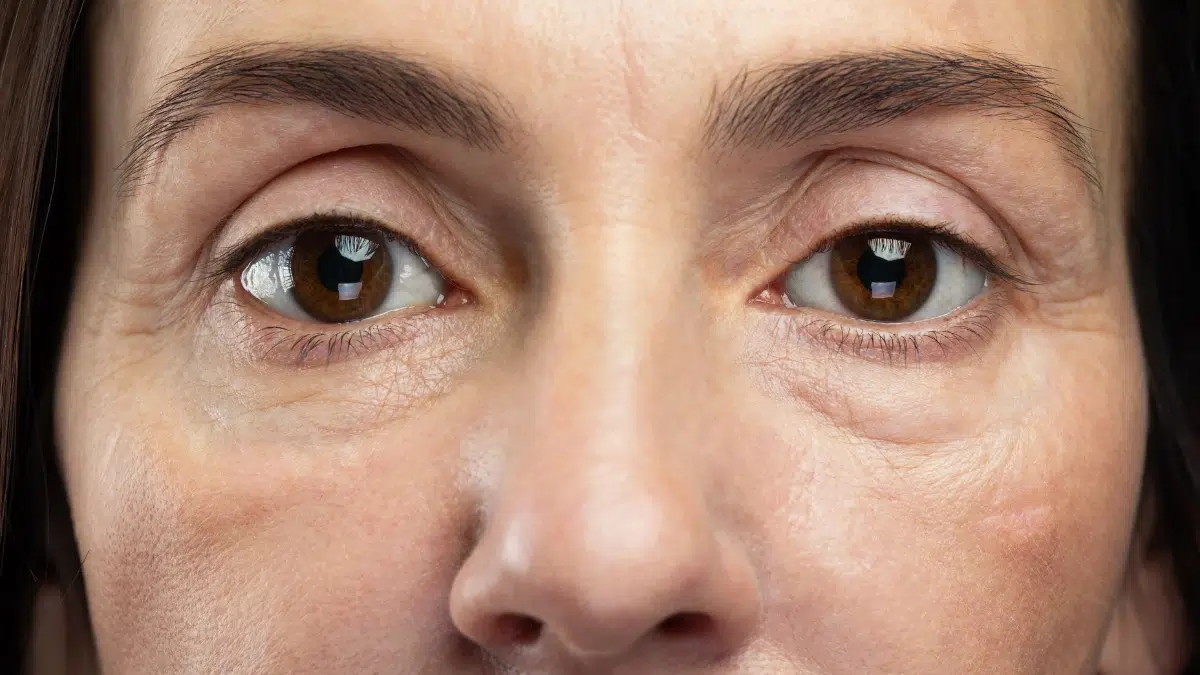
Puffy eyes, often referred to as Periorbital puffiness, can be a sign of Hypothyroidism.
When your thyroid gland is underactive, it can lead to a buildup of fluid and other substances in the tissue around your eyes, causing them to appear swollen and puffy.
This symptom is often overlooked, but it can be bothersome and may affect your daily life.
Symptoms like fluid retention, Myxedema (a severe form of Hypothyroidism), slow blood circulation, fatigue, and hormonal changes could also be potential signs of Hypothyroidism puffy eyes.
- Fluid retention: Puffy eyes in Hypothyroidism are primarily caused by fluid retention.
When the thyroid gland isn’t producing enough hormones, it can slow down the body’s metabolism, leading to fluid buildup in various tissues, including the area around the eyes. - Myxedema: Myxedema is a term used to describe the swelling of the skin and other tissues due to the accumulation of a substance called mucin.
In Hypothyroidism, Myxedema can contribute to the development of puffy eyes. This condition is more pronounced in severe cases of Hypothyroidism. - Slow blood circulation: Hypothyroidism can also lead to slower blood circulation. When the blood flow around the eyes is compromised, it can result in swollen eyelids and eye pain.
This condition is more pronounced in severe cases of Hypothyroidism. - Hormonal changes: Thyroid hormones regulate various hormones in the body.
When thyroid hormone levels are low, it can disrupt the balance of hormones, which may contribute to puffy eyes and even weight gain.
Save up to 90% on your medicine bills
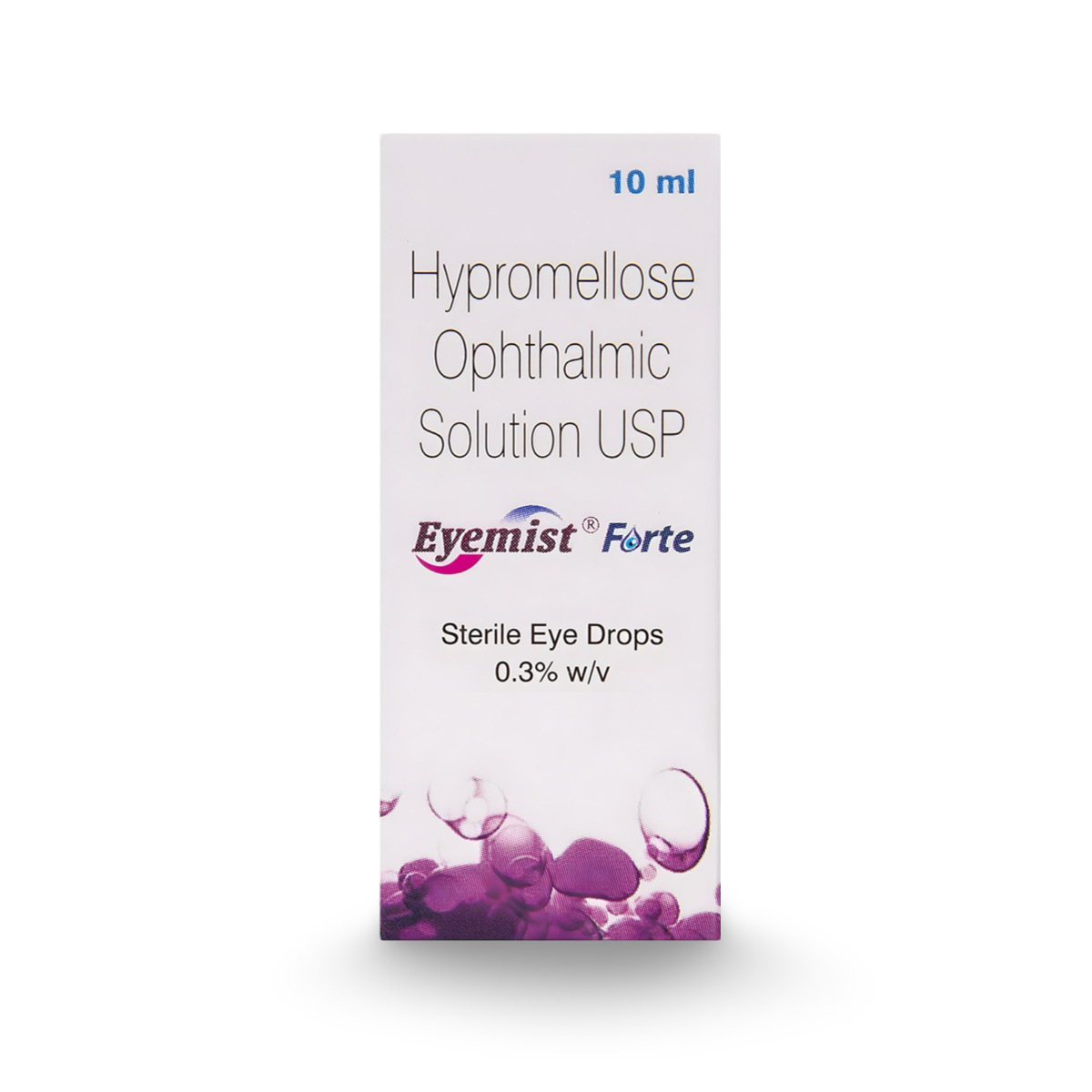
Eyemist Forte 10 ml
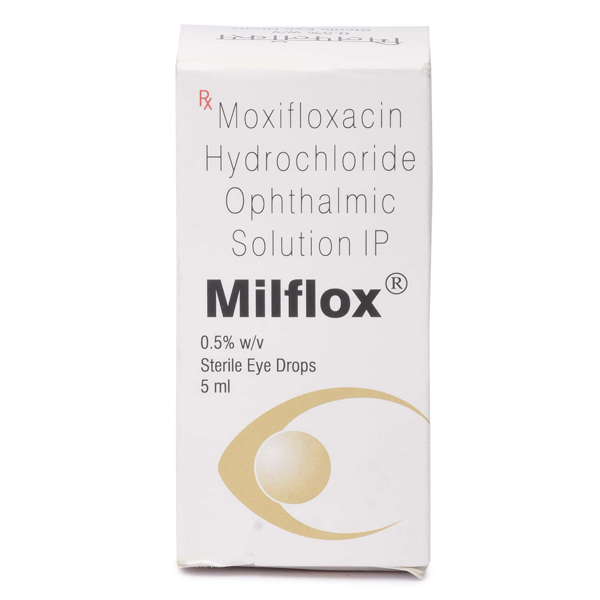
Milflox 0.5% 5 ml
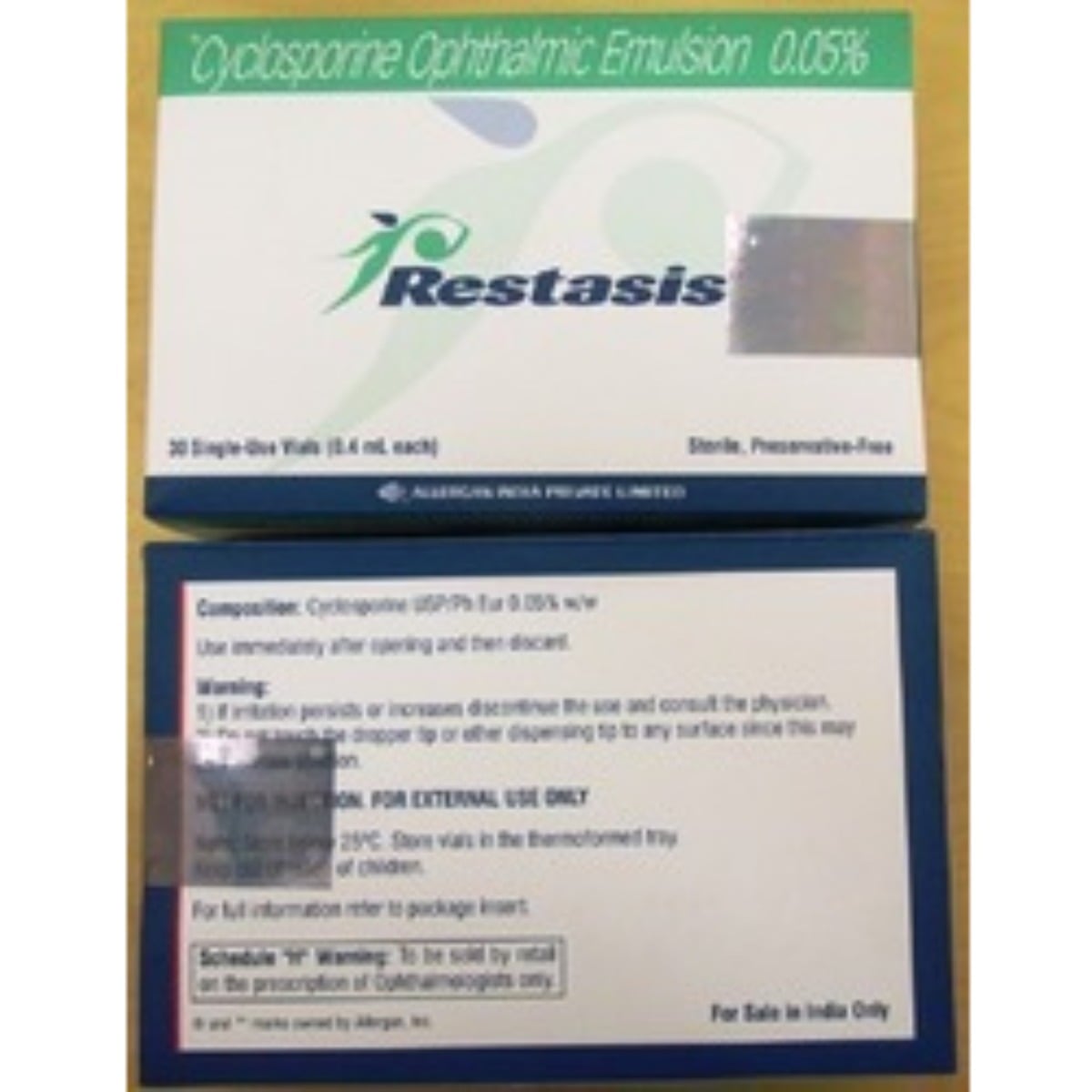
Restasis 0.05% Ophthalmic Emulsion 0.4ml
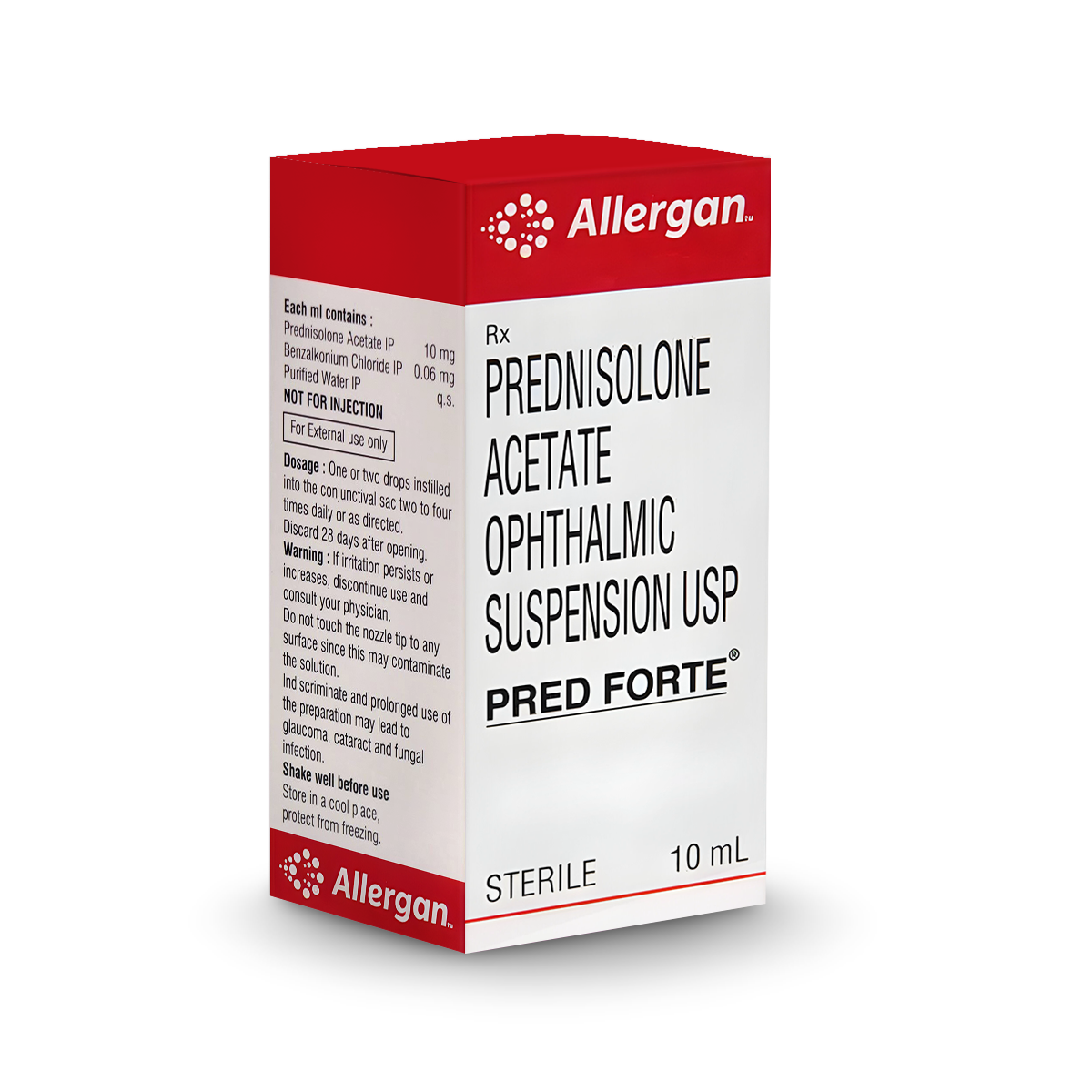
Pred Forte 10 ml
How to Get Rid of Puffy Eyes from Hypothyroidism
If you’re dealing with puffy eyes due to Hypothyroidism, there are several treatment options and home remedies available.
Home remedies and treatment options such as thyroid medication, proper nutrition, hydration, eye creams, and allergy management help alleviate this symptom and improve your overall health.
Let’s talk about these approaches in detail.
- Thyroid medication: The most crucial step in managing puffy eyes caused by Hypothyroidism is to address the underlying thyroid condition.
Taking the prescribed medication as directed by your doctor can help restore your thyroid hormone levels to normal, thereby reducing fluid retention and alleviating puffy eyes. - Proper nutrition: A healthy diet can also be vital in managing puffy eyes associated with Hypothyroidism.
Nutrient-rich foods, especially those in vitamins A and C, can help improve the overall health of your skin and reduce puffiness.Additionally, maintaining a diet low in salt can prevent excessive fluid retention. - Eye Creams: There are various over-the-counter eye creams available that claim to reduce puffiness.
Look for products containing ingredients like hyaluronic acid, caffeine, or antioxidants, as they can help tighten and hydrate the skin around your eyes.

To learn more about what is the best eye cream for puffy eyes, read Best Eye Cream for Puffy Eyes.
- Allergies management: Allergies can exacerbate puffy eyes. If you have known allergies, managing them effectively can help reduce eye puffiness and eye strain.
Over-the-counter or prescription antihistamines can relieve allergy symptoms that may contribute to puffy eyes. - Tea bags: Black and green tea bags can help reduce puffiness.
Tea has tannins and anti-oxidants, which have soothing and anti-inflammatory effects.
To learn more about how tea bags help puffy eyes, read Do tea bags help puffy eyes.
- Hydration: Staying well-hydrated is crucial for overall health, including reducing puffy eyes.
Drinking an adequate amount of water helps your body flush out excess salt and fluid, which can contribute to eye puffiness.
Conclusion
Hypothyroidism puffy eyes are often overlooked, a condition where the thyroid glands don’t produce enough thyroid hormone and are accompanied by puffy eyes.
While it is not as widely recognized as other common symptoms of Hypothyroidism, like fatigue and weight gain, puffy eyes can be distressing and affect your daily life.
These swollen eyes are primarily caused by fluid retention, which occurs when the thyroid gland is underactive, slowing down the body’s metabolism.
It’s essential to address this condition and incorporate proper nutrition, hydration, and skincare practices to alleviate this condition and enhance your overall well-being.
Our pharmacy offers effective eye drops to relieve discomfort and protect your eyes.
Frequently Asked Questions
What causes puffy eyes in Hypothyroidism?
Puffy eyes in Hypothyroidism are primarily caused by fluid retention resulting from the thyroid gland’s inability to produce sufficient thyroid hormones. Other factors include Myxedema, slow blood circulation, fatigue, and hormonal change. Explore Causes & Solutions for Puffy Eyes
Can puffy eyes in Hypothyroidism be a sign of a more severe thyroid problem?
Yes, puffy eyes can be a sign of uncontrolled or severe Hypothyroidism. If you experience sudden, severe puffiness, it’s advisable to consult a healthcare professional to assess your thyroid health. Shop Treatments for Puffy Eyes
Can puffy eyes in Hypothyroidism worsen with age?
Yes, puffy eyes in Hypothyroidism may become more noticeable with age due to changes in skin elasticity. Proper thyroid management can help alleviate these effects. Find Solutions for Aging & Puffy Eyes
Can I use over-the-counter decongestant eye drops for puffy eyes in Hypothyroidism?
Yes, over-the-counter eye drops may provide temporary relief, but they do not address the underlying thyroid issue. It’s important to consult a healthcare professional for proper treatment. Browse Decongestants for Puffy Eyes
How long does it take for thyroid medication to improve puffy eyes?
Improvement can be seen within a few weeks to a few months of starting treatment. The time it takes for thyroid medication to reduce puffy eyes varies from person to person. Explore Products for Thyroid Eye Care
Cheap Medicine Shop only refers to credible, authoritative sources for our content. If you're curious about how we ensure the integrity of our content, we encourage you to read our Content Information Policy.