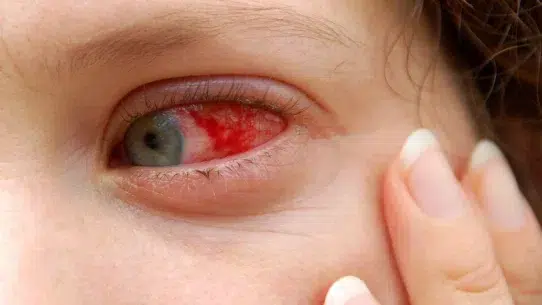







Your eyes are red, puffy, and feeling like sandpaper. Is it a case of the dreaded pink eye, or something more serious? Don’t panic! We got you.
Pink eye and periorbital cellulitis are common eye infections that can affect our eyes and cause irritation.
But are these two eye infections similar to each other?
While they may seem similar, they are distinct conditions with different causes, symptoms, and treatments.
In this comparison guide on pink eye vs. periorbital cellulitis, we will learn how these two eye infections differ.
Pink Eye vs Periorbital Cellulitis: Key Differences
Pink eye causes inflammation in the inner lining of the eyelids (conjunctiva). It is a common bacterial infection that affects 6 million individuals.
On the other hand, periorbital cellulitis is an infection of the skin surrounding the eyes or the eyelids caused by bacteria. Both these eye infections may affect adults and children, but Periorbital cellulitis mostly affects younger kids.
Unlike periorbital cellulitis, pink eye is highly contagious. It can spread easily between individuals after coming in contact with an infected person.
Pink eye and periorbital cellulitis are treatable eye infections. Therefore, it is essential to contact eye care specialists.
Save up to 90% on your medicine bills
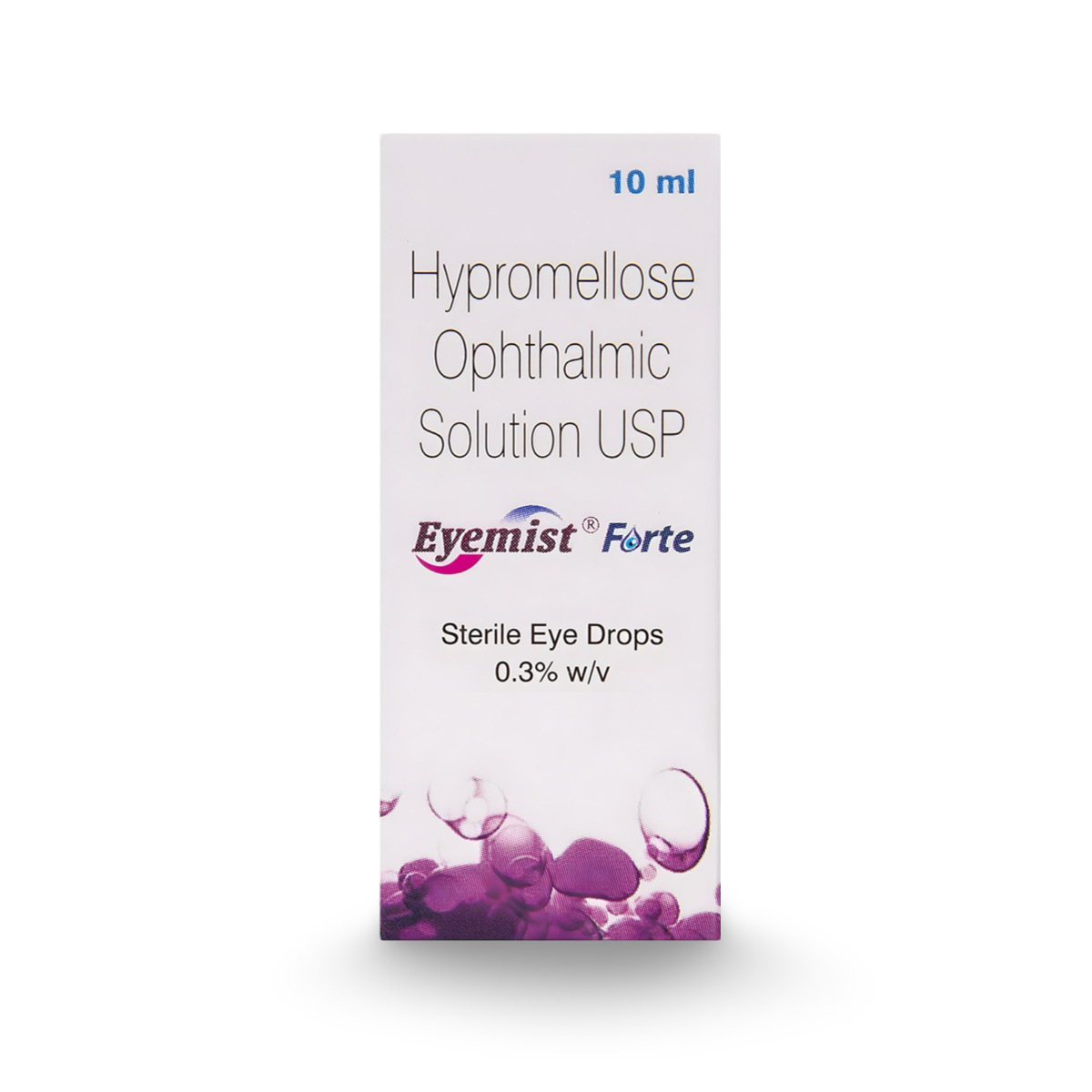
Eyemist Forte 10 ml
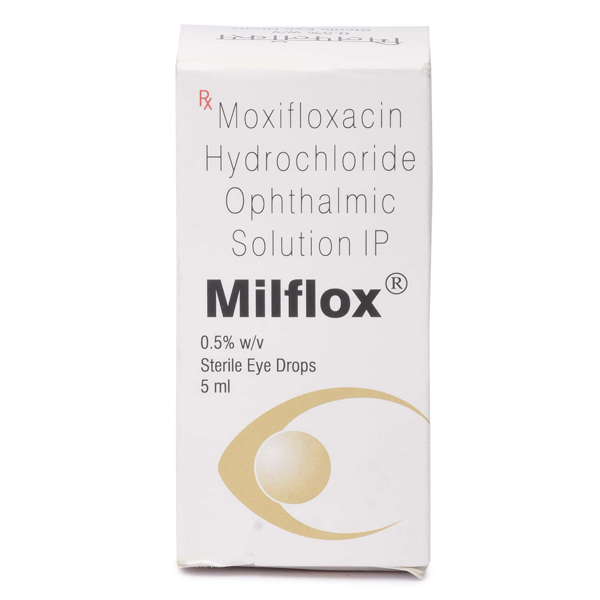
Milflox 0.5% 5 ml
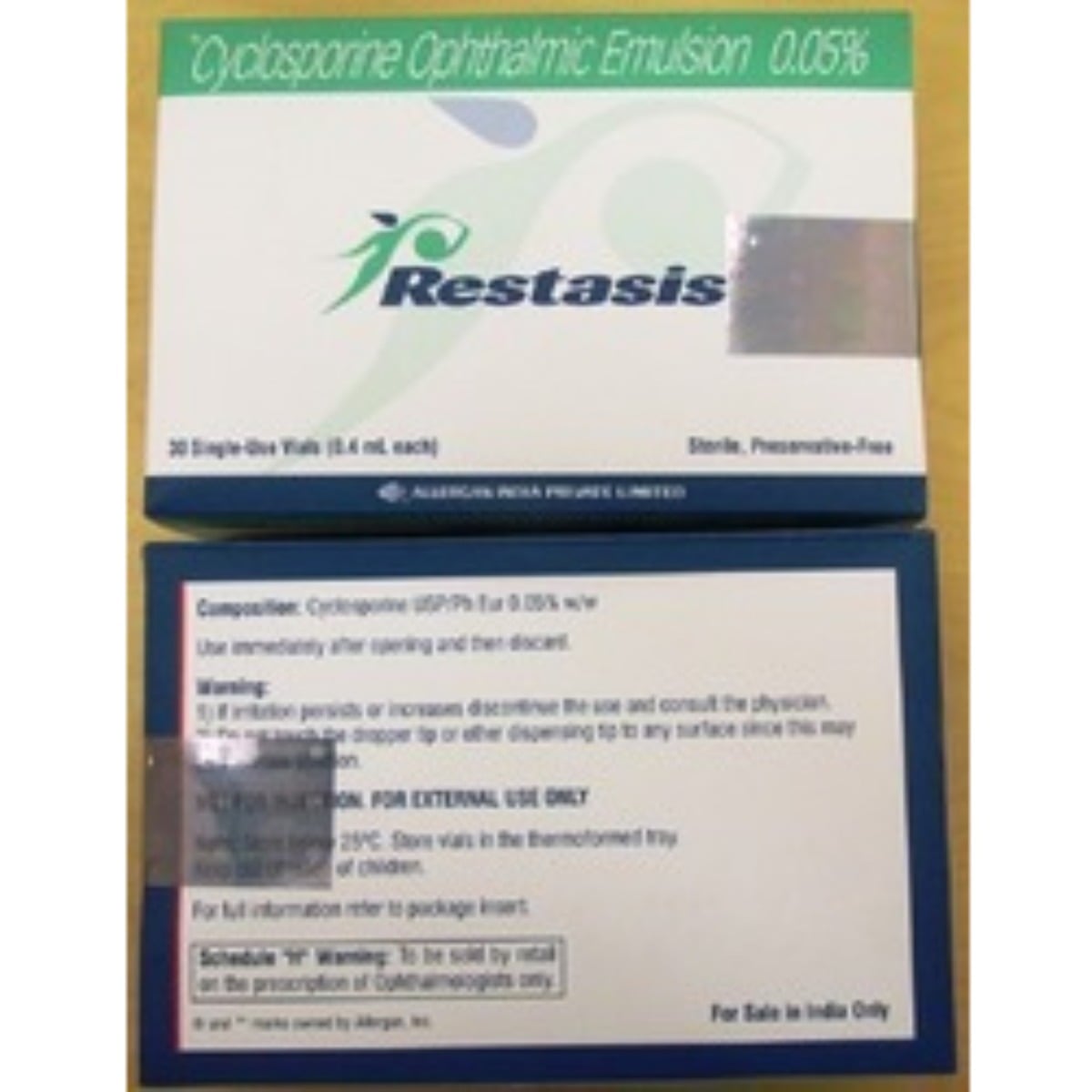
Restasis 0.05% Ophthalmic Emulsion 0.4ml
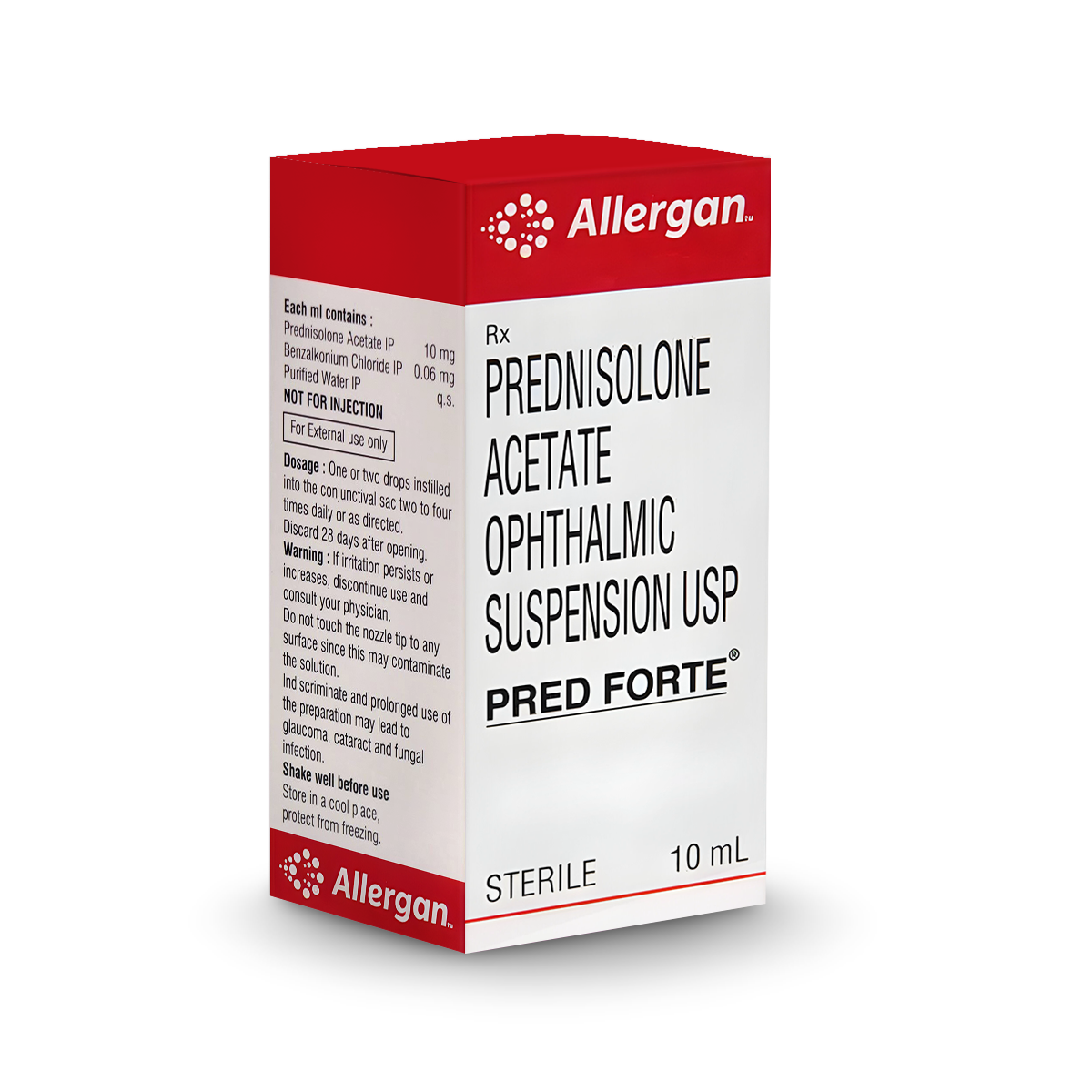
Pred Forte 10 ml
Causes, Symptoms, and Treatment
Periorbital cellulitis is caused by insect bites and facial injury, whereas pink eye can be caused by bacteria, allergies, or viruses.
Symptoms of pink eye include:
- Redness in one or both eyes
- Gritty feeling in the eye
- Itching or burning sensation
- Watery or thick discharge
- Sensitivity to light
Symptoms of periorbital cellulitis include:
- Redness and swelling around the eye or eyelid
- Tenderness to the touch
- Fever (sometimes)
- Pain when moving the eye
Pink eye treatment often includes over-the-counter eye drops or artificial tears, while periorbital cellulitis requires immediate medical attention and antibiotic treatment.
When to Seek Medical Attention
While pink eye often clears up on its own, periorbital cellulitis requires medical attention. If you experience any of the following symptoms, contact your healthcare provider immediately:
- Severe pain or swelling around the eye
- High fever
- Difficulty opening your eye
- Changes in vision
- Red streaks on your skin
Pink Eye vs Periorbital Cellulitis: At a Glance
Understanding the differences between pink eye and periorbital cellulitis is crucial for proper treatment and prevention. Here is a quick glance at the major differences between the two:
| Feature | Pink Eye | Periorbital Cellulitis |
|---|---|---|
| Cause | Viral, bacterial, or allergic | Bacterial infection |
| Symptom | Redness of the eye, itchiness, watery discharge | Redness, swollen eyelids, pain, fever |
| Contagiousness | Highly contagious | Not contagious |
| Treatment | Over-the-counter drops or ointments, sometimes antibiotics | Oral antibiotics |
| Prevalence | More common | Less common |
| Shop Now | Buy Now | Buy Now |

Frequently Asked Questions
How long does it take for pink eye to go away?
Pink eye typically resolves within one to two weeks. The exact duration varies in individual and can be based on the type and cause of pink eye, with viral cases lasting shorter than bacterial ones. For effective treatment, it is essential to contact an eye specialist. See our Recommendations
Are there any complications associated with Periorbital cellulitis?
Yes, if periorbital cellulitis is not treated on time, an individual can experience complications such as orbital cellulitis, abscess formation, and infection spread. The timely treatment of periorbital cellulitis may minimize the risk of complications. Therefore, it is advised to treat your eye infection immediately when you experience its symptoms. See our Recommendations
Are there any preventive measures that can be taken to reduce the risk of getting pink eye?
Yes, several preventive measures can be taken to prevent the risk of getting pink eye. Practice good hand hygiene, avoid touching your eyes, and avoid sharing personal items like makeup. If the problem persists or your condition worsens, seek medical help. See our Recommendations
Can pink eye affect vision?
No, pink eye typically doesn’t cause significant vision problems. However, in severe cases or when accompanied by other eye conditions, blurred vision or light sensitivity may occur. See our Recommendations
Can periorbital cellulitis affect vision?
No, Periorbital cellulitis typically doesn’t affect vision. However, it’s essential to monitor for any changes. See our Recommendations