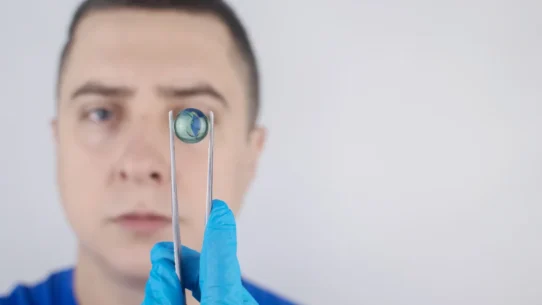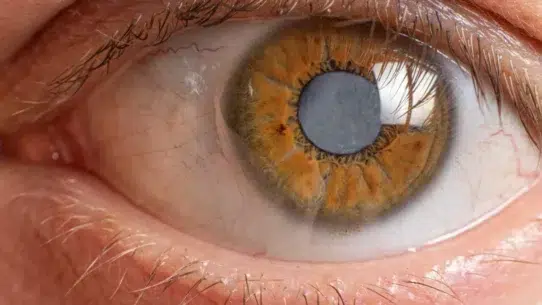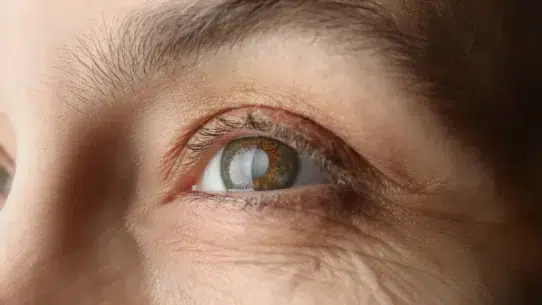








Posterior Subcapsular Cataract is an eye condition affecting the crystalline lens at the back of the eye, leading to impaired vision.
Behind the iris and pupil lies the crystalline lens, crucial for clear vision. The Posterior Subcapsular Cataract manifests specifically in the posterior part of this lens.
Unlike other type of Cataracts, Posterior Subcapsular Cataract tends to progress rapidly, impacting the visual quality sooner.
This article explores the causes, symptoms, and surgical options associated with Posterior Subcapsular Cataracts.
Posterior Subcapsular Cataract Causes
Understanding the causes contributing to the development of Posterior Subcapsular Cataracts (PSC) is important for prevention and early detection.
Several causes contribute to this eye condition, and these factors often entangle to cause this ocular disorder.
Age-related changes: Natural aging is one of the primary causes of Posterior Subcapsular Cataract.
As you age, the proteins in the lens may change, leading to clouding in the posterior region.
Corticosteroid usage: Long-term usage of corticosteroid medications can trigger PSC.
These drugs are commonly prescribed for inflammation that can occur during any eye condition, such as Glaucoma and pink eye, that can disturb the delicate balance within the lens.
This disturbance in the lens may result in Cataract formation.
Influence of Diabetes: Individuals experiencing Diabetes are more susceptible to Posterior Subcapsular Cataract.
The biochemical changes associated with Diabetes can trigger the onset and progression of Cataract symptoms.
These factors entangle each other and are most commonly responsible for triggering Posterior Subcapsular Cataracts.
Save up to 90% on your medicine bills
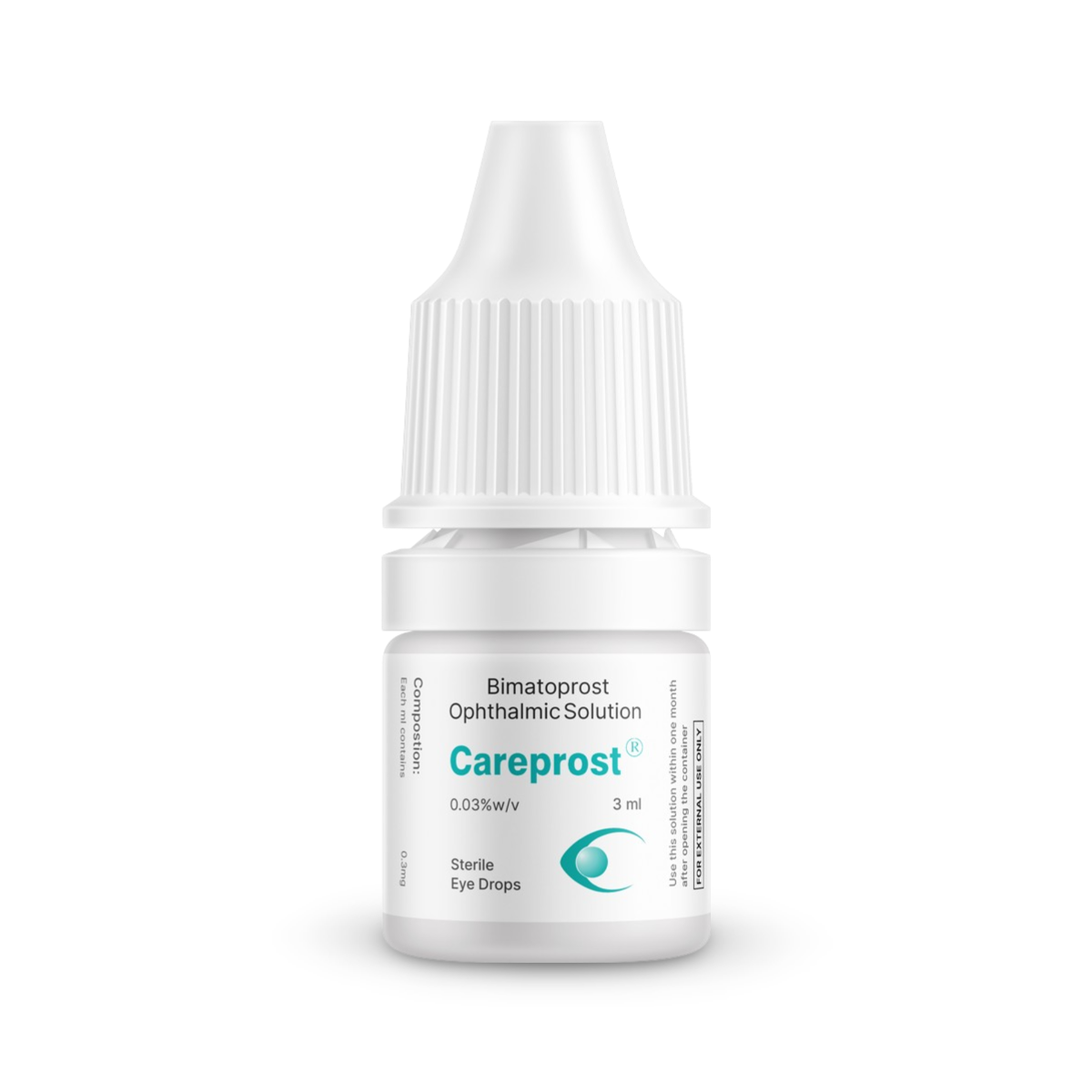
Careprost (With Brush) 3ml 0.03%
Starting at just $17.36 per bottleBuy Now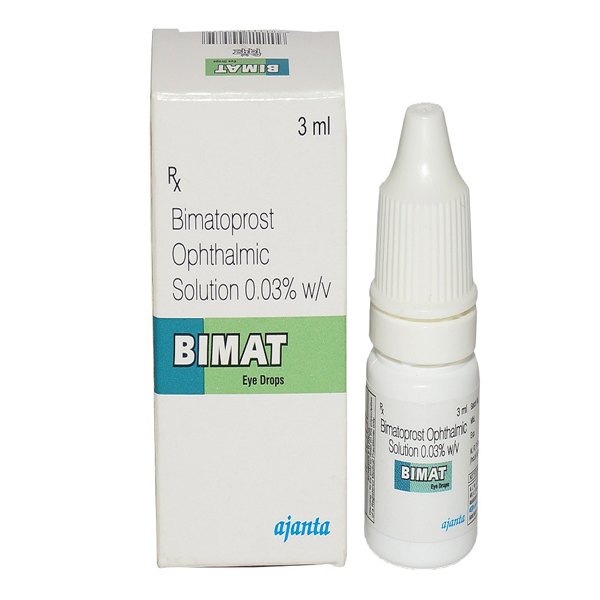
Bimat 0.03% w/v
Starting at just $10.16 per bottleBuy Now
Bimat (With Brush) 3 ml (0.03%)
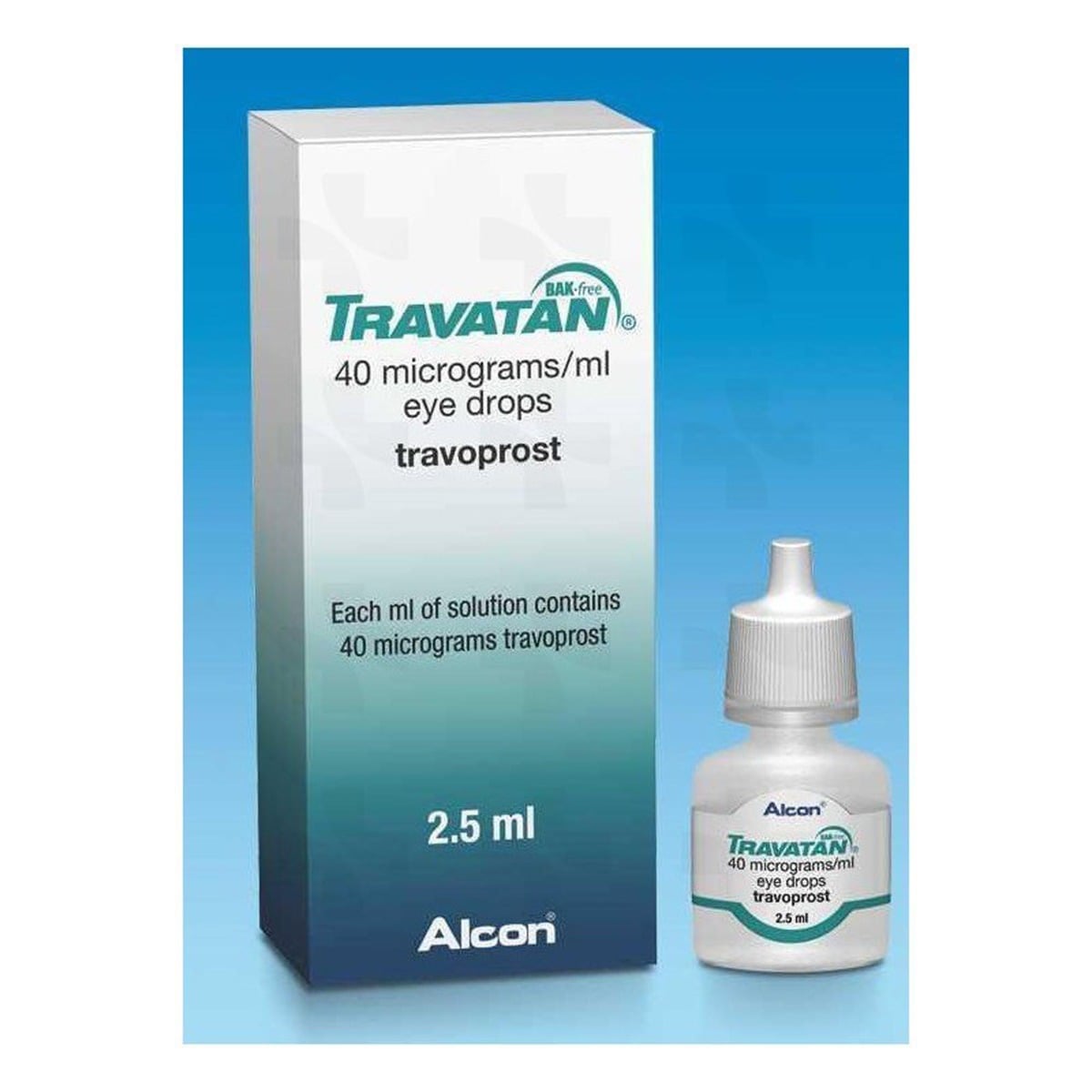
Travatan 40 Mcg/2.5ml
Posterior Subcapsular Cataract Symptoms

Recognizing the symptoms of Posterior Subcapsular Cataracts is essential for seeking timely medical intervention.
The indication of symptoms often indicates an advanced stage of the condition, prompting the need for immediate treatment.
Posterior Subcapsular Cataract symptoms include visual impairment, difficulty with low light, and altered color perception.
Let’s talk about these symptoms in detail.
Visual impairment: Blurred vision is the primary symptom of Posterior Subcapsular Cataract.
The clouding of the lens at the back of the eye interferes with the transmission of clear visual signals to the retina, resulting in blurred vision.
Difficulty with low light: Diminished vision in low-light environments is another characteristic symptom of PSC.
As ambient light decreases, the compromised lens struggles to transmit sufficient light to the retina, making it difficult to see in low-light conditions.
Altered color perception: PSC can distort color perception, leading to a yellowish or brownish tint in vision.
This alteration in color perception can impact daily activities, such as driving or distinguishing between objects.
Posterior Subcapsular Cataract Surgery
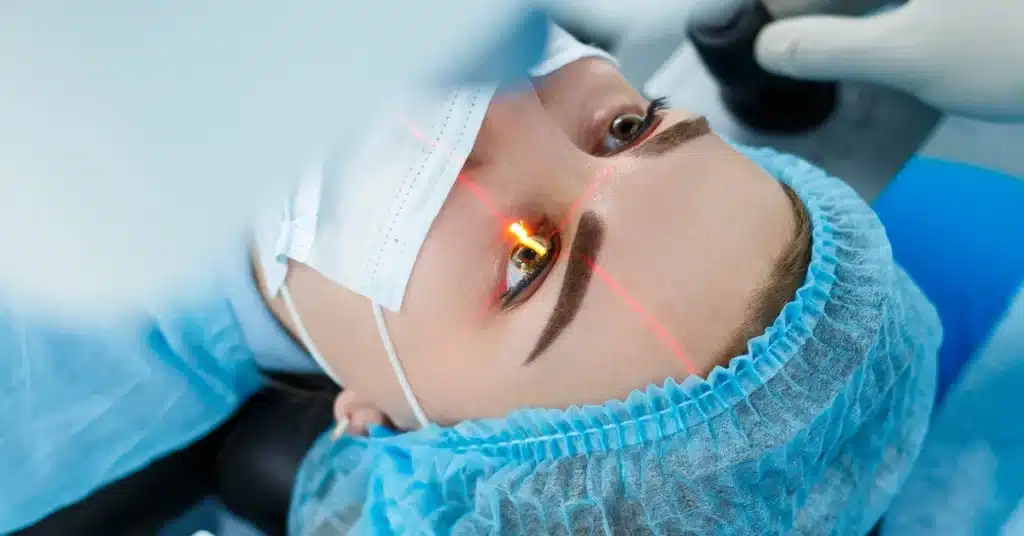
When home remedies and medication fall short of addressing the visual impairment caused by Posterior Subcapsular Cataracts, Cataract surgery becomes a likely option.
Posterior Subcapsular Cataract surgery aims to restore clarity to the lens, improving overall vision.
The surgical procedure for Posterior Subcapsular Cataract includes removing and swapping the clouded lens with an artificial Intraocular lens (IOL).
The selection of IOL depend on factors such as the patients’s visual need, lifestyle, and overall eye health.
Recovery from Posterior Subcapsular Cataract surgery is generally swift, with patients experiencing improved vision within a few weeks.
Before surgery, patients must discuss related risks with Posterior Subcapsular Cataract surgery, such as infection, bleeding, and retinal detachment, before consenting to surgery.
Conclusion
Understanding the Posterior Subcapsular Cataract causes, symptoms, and surgery is crucial for effectively managing and treating this eye condition.
When symptoms like blurred vision, sensitivity to light, or difficulty seeing in low light appear, seeking timely medical attention becomes essential.
For advanced stages of PCS, surgical options like Posterior Subcapsular Cataract surgery can restore vision for critical patients.
Do not hesitate to consult a doctor for a proper diagnosis and treatment plan if you experience any of the symptoms of Posterior Subcapsular Cataract.

Frequently Asked Questions
Is Posterior Subcapsular Cataract hereditary?
Yes, individuals with a family history of Posterior Subcapsular Cataracts may have a higher risk of developing PCS. Therefore, regular eye check-ups for early detection and intervention are important.
What is the most common and serious type of Cataract?
Among the various types of Cataracts, the most common and serious is often considered to be the Nuclear Cataract. This type affects the central part of the nucleus of the lens and is typically associated with the aging process.
How long is posterior subcapsular cataract surgery?
The duration of Posterior Subcapsular Cataract surgery is relatively short, typically lasting around 15 to 30 minutes. Patients can expect improved vision within days, with full recovery.
What distinguishes Posterior Subcapsular Cataracts from other types of Catracts?
Posterior Subcapsular Cataracts often progress more rapidly than other types of Cataracts, impacting the posterior part of the lens and leading to visual impairment.
Can Posterior Subcapsular Cataracts recur after surgery?
No, it is very rare for Cataracts to return after surgery. Some individuals may develop clouding of the capsule holding the Intraocular lens. This condition is known as Posterior Capsular Opacification and is treatable.
Do all Posterior Subcapsular Cataracts require surgery?
No, not all cases may require surgery initially. However, surgery becomes necessary when Cataracts significantly affect the vision and daily life of an individual.
Cheap Medicine Shop only refers to credible, authoritative sources for our content. If you're curious about how we ensure the integrity of our content, we encourage you to read our Content Information Policy.