






Punctate Keratitis is a common eye problem that can cause discomfort and visual difficulties as it affects the corneal surface of the eye.
Understanding the complexities of Punctate Keratitis, from its underlying causes to its various symptoms, is essential to deal with this problem effectively.
Punctate and Superficial Punctate Keratitis are different conditions affecting the eye’s cornea.
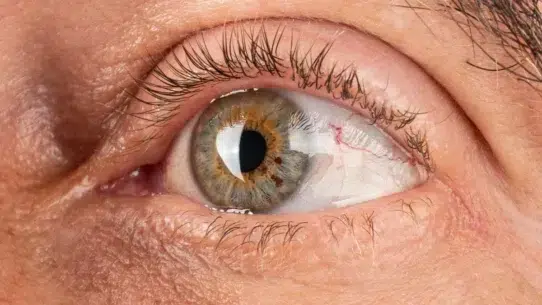
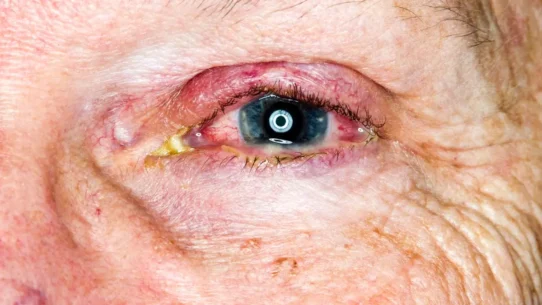
Punctate Keratitis refers to the presence of small white or gray spots on the cornea.
Superficial Punctate Keratitis is characterized by tiny, scattered damage to the cornea’s outer surface layer.
What is Punctate Keratitis
Punctate Keratitis, a moderately common eye condition that can irritate eyes and impair vision, can be uncomfortable.
Tiny corneal erosions, an important characteristic of Punctate Keratitis, can be caused by various things.
The most common causes include foreign bodies, eye infections, and dry eye syndrome.
Viral, fungal, and bacterial eye infections all have the potential to irritate and inflame the cornea, which can worsen Punctate Keratitis.
Additionally, the cornea can sustain minute damage from external objects like dust or contact lenses.
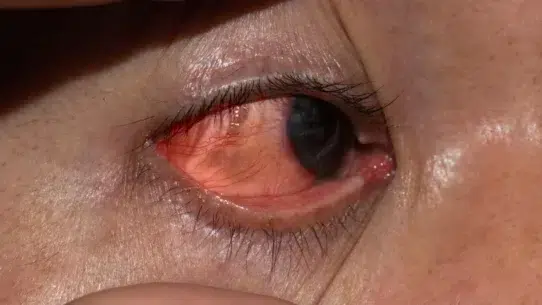
Eye redness, blurry vision, and a lingering gritty or unpleasant sensation are common symptoms of Punctate Keratitis.
Recognizing these symptoms and the underlying causes is crucial for an early diagnosis and successful treatment.
Treatment considerations and specific characteristics may apply to different forms of Punctate Keratitis, such as Bilateral and Superficial cases.
Save up to 90% on your medicine bills
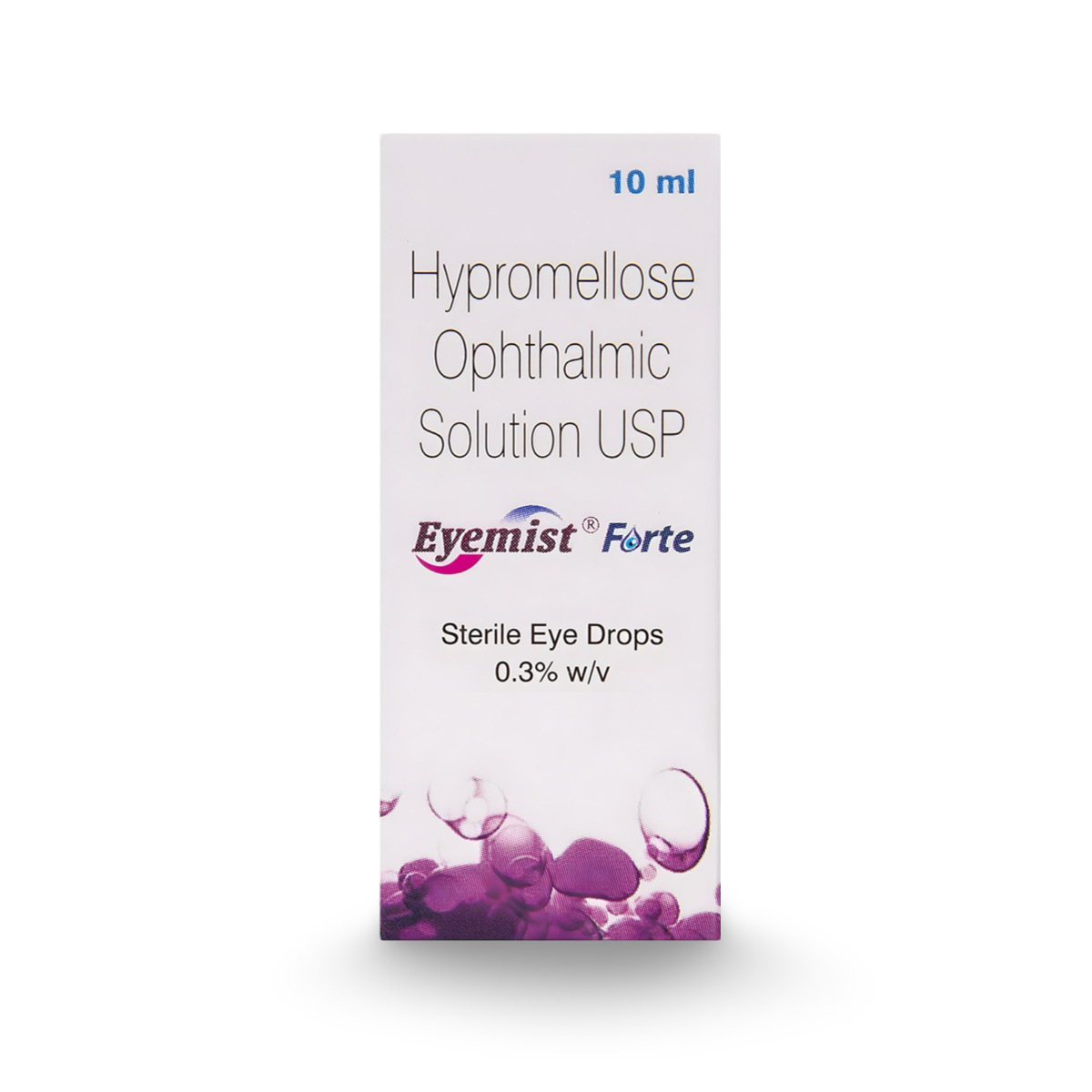
Eyemist Forte 10 ml
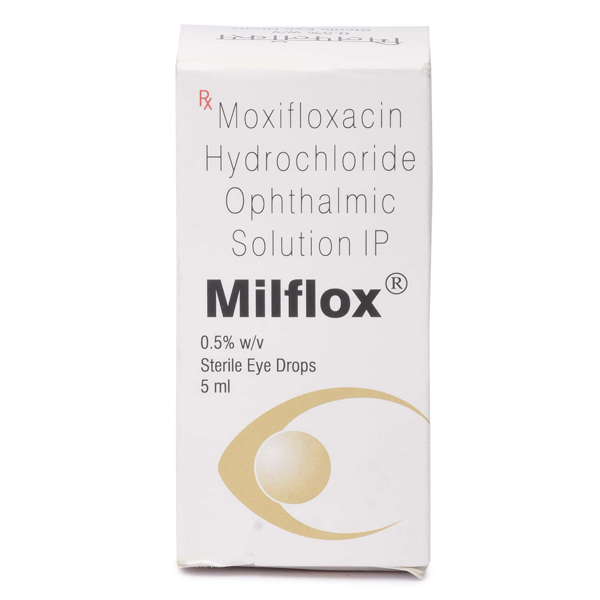
Milflox 0.5% 5 ml
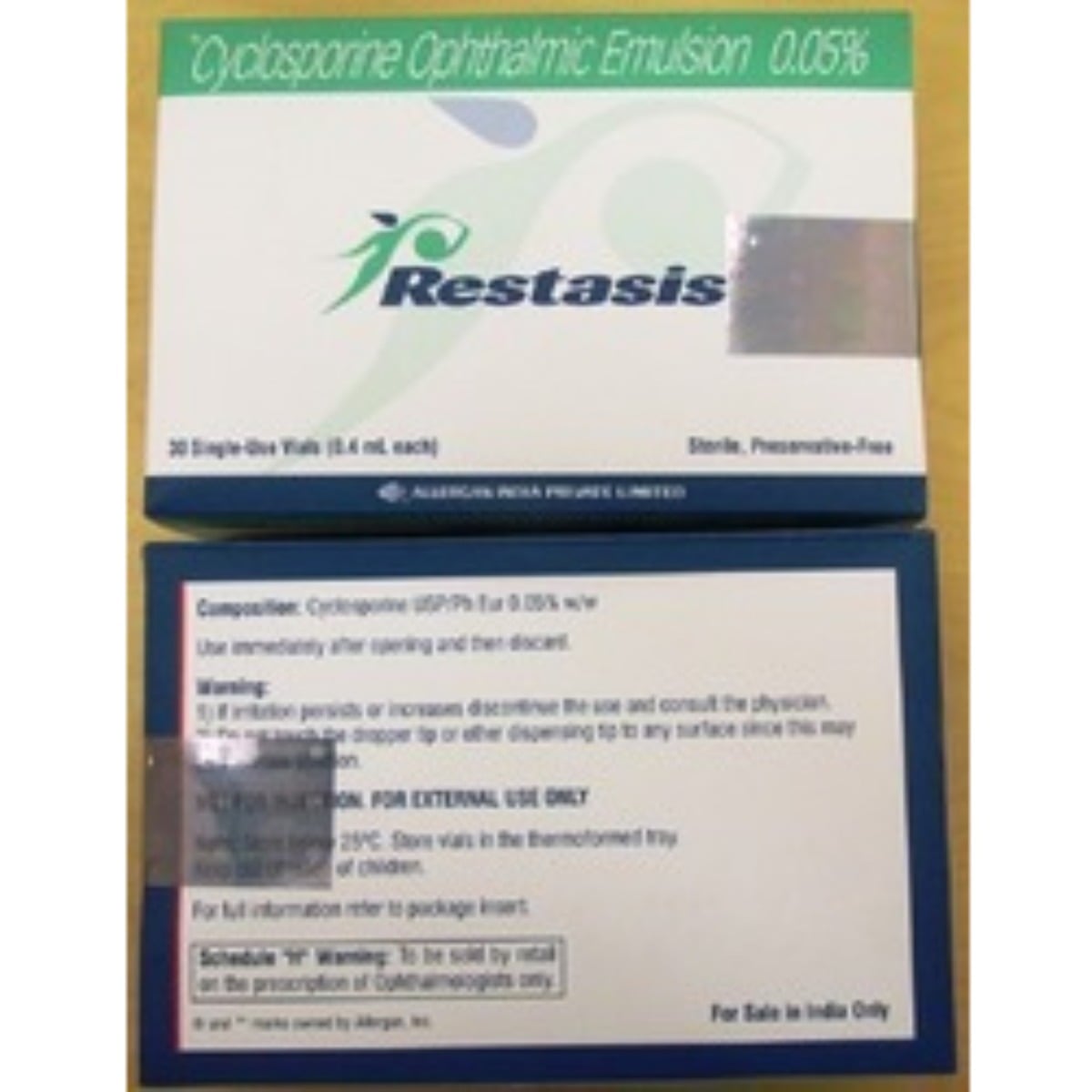
Restasis 0.05% Ophthalmic Emulsion 0.4ml
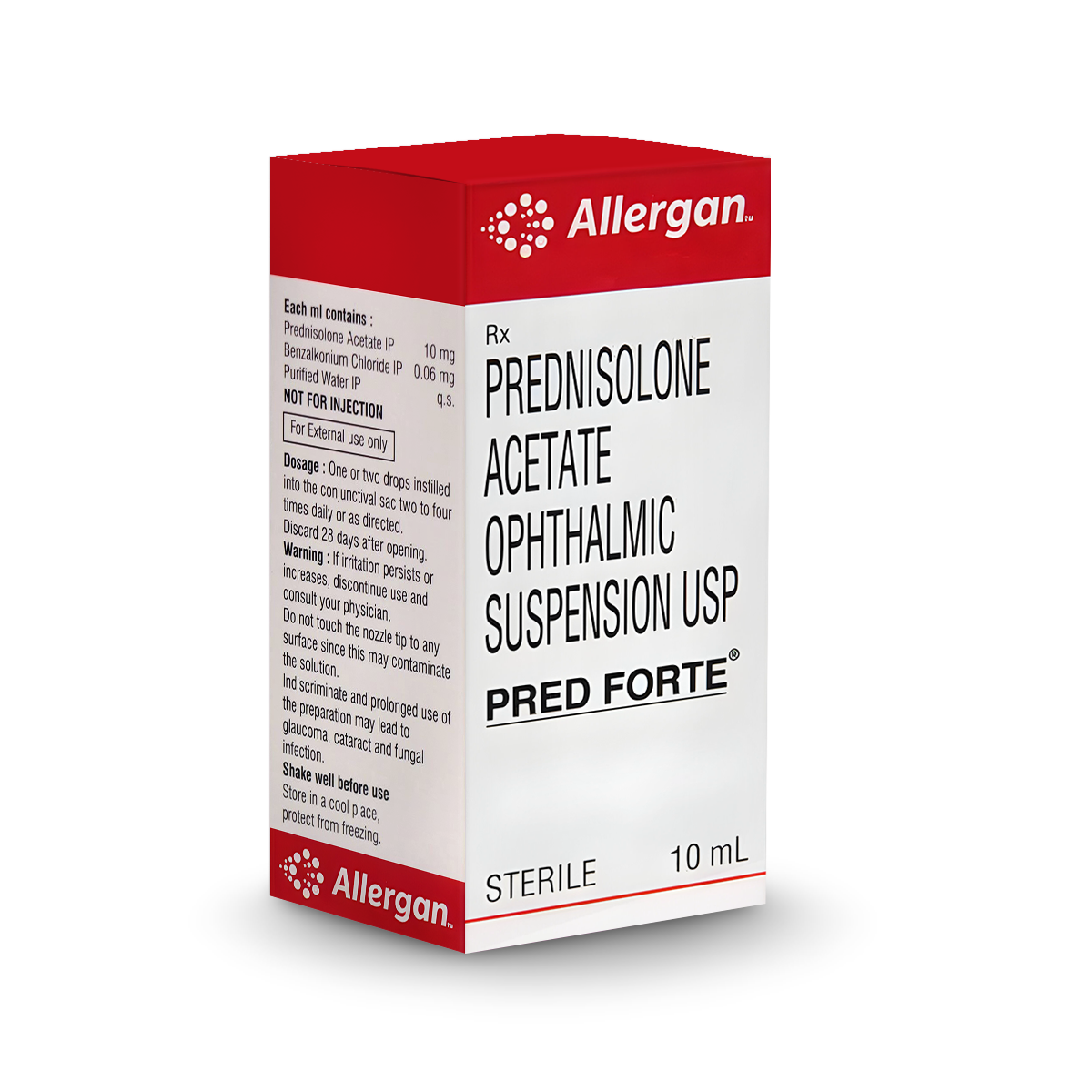
Pred Forte 10 ml
Punctate Keratitis Treatment Options
The underlying cause and the severity of the condition mostly influence the treatment options for Punctate Keratitis.
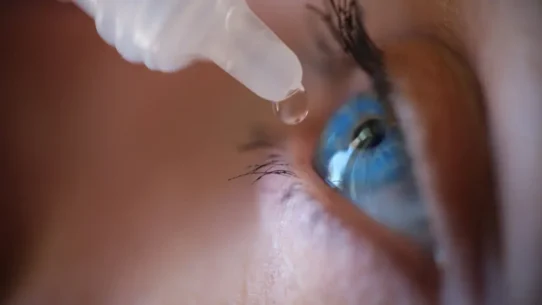
Artificial tears and lubricating eye drops are frequently advised in moderate cases to ease discomfort and accelerate healing.
Antibiotics like Ciprofloxacin, Ofloxacin, and Tobramycin or antiviral medicines such as Acyclovir, Ganciclovir, or Trifluridine could be required to treat the underlying condition in cases of infection.
Steroid eye drops can ease pain and irritation while also reducing inflammation.
Identifying and addressing underlying causes like dry eye syndrome or limitations of contact lens use is crucial for an effective treatment plan for Punctate Keratitis.
Superficial Punctate Keratitis
Superficial Punctate Keratitis (SPK) is a specific type of Punctate Keratitis.
Small, pinpoint-shaped erosions on the corneal surface are a defining feature of this disorder.
SPK is frequently linked to systemic diseases, contact lens use and environmental irritants.
Increased light sensitivity, increased eye pain, and ongoing discomfort are some symptoms of SPK that separate it from Punctate Keratitis.
Specialized therapy and changes to the SPK regimen may be necessary for effective treatment.
Management techniques are essential to reduce discomfort and encourage healing of the corneal surface.
Superficial Punctate Keratitis Treatment
The main treatment goals for Superficial Punctate Keratitis (SPK) are symptom relief and promoting corneal healing.
Treatment typically involves using preservative-free artificial tears to lubricate the eyes and reduce discomfort caused by dryness.
In a study, it was found that 97% of patients who switched to using preservative-free eye drops experienced a decrease in Superficial Punctate Keratitis and a reduction in Ocular Surface Disease Index scores.
This suggests that preservative-free eye drops may be a good option for those looking to improve their eye health.
Severe SPK cases can be treated with specialized eye drops or ointments prescribed by an ophthalmologist to target the underlying cause.
To speed up the healing process, avoiding wearing contacts and limiting exposure to irritants such as smoke or allergies is crucial.
Your eye care specialist will customize the treatment strategy according to the severity of your condition.
Conclusion
Common eye conditions like dry eye syndrome, infections, and environmental factors can all contribute to Punctate Keratitis.
Early diagnosis and recognition of its symptoms are crucial for successful treatment.
Antibiotics and lubricating eye drops are just a couple of the treatment choices that can help with pain relief and recovery.
For cases of Superficial Punctate Keratitis, specialized care is required.
People can greatly enhance their eye health and general quality of life by treating the underlying issues and adhering to a specific treatment plan.

Frequently Asked Questions
Is Punctate Keratitis a common eye condition?
Yes, Punctate Keratitis is relatively common, and its prevalence can vary depending on factors such as geography, age, and underlying health conditions.
If you suspect you have Punctate Keratitis, it’s important to seek professional medical advice for proper evaluation and treatment.
What should I do if I suspect I have Punctate Keratitis?
If you suspect you have Punctate Keratitis or are experiencing symptoms like eye redness, pain, or blurry vision, it’s important to seek medical attention promptly.
An eye specialist can diagnose the condition and recommend appropriate treatment.
Can Punctate Keratitis lead to permanent vision problems?
In most cases, Punctate Keratitis, when promptly diagnosed and appropriately treated, does not lead to permanent vision problems.
However, untreated or severe cases may result in vision impairment.
Early diagnosis and treatment are essential.
What is Superficial Punctate Keratitis (SPK)?
Superficial Punctate Keratitis is a specific form of Punctate Keratitis that primarily affects the top layer of the cornea.
It is often associated with contact lenses, exposure to environmental irritants, or systemic conditions.
Is Punctate Keratitis treatable?
Yes, Punctate Keratitis is treatable.
Treatment approaches vary depending on the underlying cause and severity of the condition.
They may include artificial tears, antibiotics or antiviral medications, steroid eye drops, and addressing underlying factors.
Cheap Medicine Shop only refers to credible, authoritative sources for our content. If you're curious about how we ensure the integrity of our content, we encourage you to read our Content Information Policy.