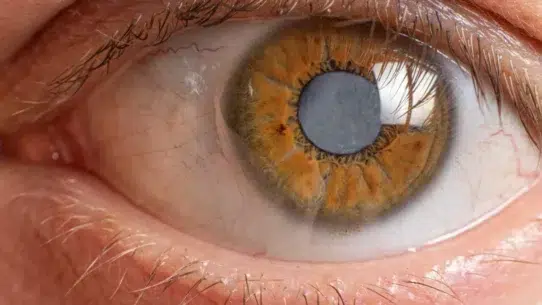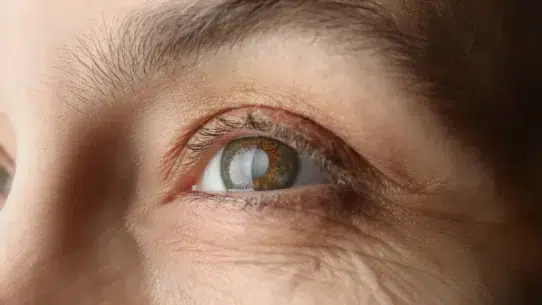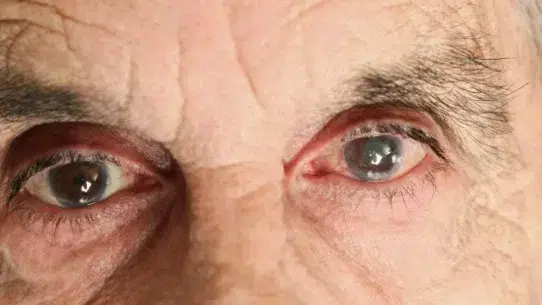








Secondary Cataract, also known as Posterior Capsule Opacification (PCO), is a condition that can occur after Cataract surgery.
A secondary cataract is when the lens capsule that holds the artificial lens implant becomes cloudy, but it is not a new cataract.
Individuals experiencing secondary Cataract may notice blurred or cloudy vision, glare, and difficulties with night vision.
Fortunately, treatment options exist, including eyeglasses, contact lenses, and the highly effective YAG laser capsulotomy.
However, it’s important to be aware of potential complications of secondary Cataract, such as infection or Retinal Detachment.
This article will delve into the symptoms, available treatments, and potential complications associated with secondary Cataract, providing a comprehensive understanding for those seeking information on this condition.
Symptoms of Secondary Cataract
Secondary Cataract is a common condition that can occur after Cataract surgery.
It is not a new Cataract but rather a clouding of the lens capsule that holds the artificial lens implant in place.
This cloudiness can lead to a gradual reduction in vision quality, often manifesting as blurred or cloudy vision, glare or halos around lights, and difficulty with night vision.
After undergoing Cataract surgery, 10.65 percent of 718 patients developed secondary Cataracts.
A gradual decline in visual clarity characterizes the symptoms of secondary Cataracts.
Potential treatments, such as Yttrium Aluminum Garnet (YAG) laser Capsulotomy, may be necessary to restore clear vision and improve the quality of life for patients with these symptoms.
To learn about types of Cataracts, read Understanding The Different Types of Cataracts: Causes, Symptoms and Treatment.
Save up to 90% on your medicine bills
Careprost (With Brush) 3ml 0.03%
Starting at just $17.36 per bottleBuy Now
Bimat 0.03% w/v
Starting at just $10.16 per bottleBuy Now
Bimat (With Brush) 3 ml (0.03%)
Travatan 40 Mcg/2.5ml
Secondary Cataract Treatment Options
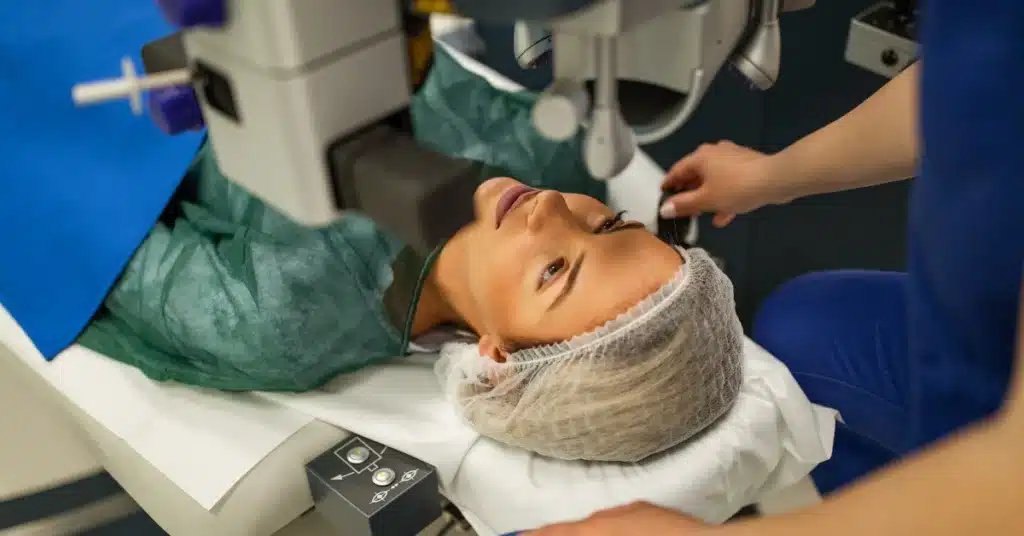
Secondary Cataract treatment options offer individuals a path to regain their clear vision and overcome the symptoms of this condition.
In milder cases, patients may find relief through prescription eyeglasses or contact lenses, which can significantly improve their vision.
However, when secondary Cataracts become more significant and affect daily life, the primary and most effective treatment is YAG laser capsulotomy.
This minimally invasive surgical procedure involves the use of a YAG laser to create a small opening in the cloudy posterior capsule.
This opening allows light to pass through the lens, restoring clear vision.
YAG laser capsulotomy is quick, painless, and highly successful, often leading to a noticeable improvement in vision shortly after the procedure.
Patients should consult with their eye care professionals to determine the most suitable treatment approach based on the severity of their secondary Cataracts and the impact on their vision.
To learn about the symptoms of Cataracts, read Understanding Cataract Symptoms: What You Need to Know
Secondary Cataract Complications
Secondary Cataract complications, although infrequent, require attention and caution.
Post-operative complications may include the rare occurrence of infection, requiring immediate medical intervention to prevent further complications.
In some cases, there is a slight risk of retinal detachment, which, if left untreated, can result in severe vision impairment.
Additionally, patients may experience increased Intraocular Pressure, typically a temporary condition but requiring monitoring and appropriate management to prevent further damage.
Regular follow-up visits with an eye care specialist are important after secondary Cataract surgery to promptly address any issues and ensure the best possible outcomes.
To learn about the treatment of Cataracts, read Clearing the Haze: An Overview of Cataract Treatment
Conclusion
Secondary Cataracts, also known as Posterior Capsule Opacification (PCO), are a condition that can occur after Cataract surgery.
For those who have had Cataract surgery in the past, secondary Cataracts pose a serious problem that affects their daily lives and vision.
Restoring clear vision and improving quality of life depends on identifying the symptoms and selecting the best course of action, such as YAG laser capsulotomy.
Even though complications are rare, patients should be informed of their possibility and continue to receive professional care after surgery.
People can effectively manage secondary Cataracts, and experience improved visual health and well-being by being proactive and knowledgeable.

Frequently Asked Questions
Is secondary Cataract surgery painful?
No, secondary Cataract surgery, or YAG laser capsulotomy, is generally not painful.
The procedure is quick, and patients usually experience minimal discomfort.
Most people report improved vision shortly after the surgery.
How long does it take to recover from secondary Cataract surgery?
Recovery time after YAG laser capsulotomy is usually quite short.
Patients can typically resume their normal activities immediately after the procedure.
However, it’s essential to follow post-operative care instructions provided by the eye care professional.
How common are secondary Cataracts?
Secondary Cataracts are a common occurrence after Cataract surgery.
It is estimated that up to 50% of Cataract surgery patients may develop secondary Cataracts at some point in their lives.
Can secondary Cataracts be prevented?
No, secondary Cataracts cannot be entirely prevented, but regular eye examinations can help in early detection and prompt treatment.
Following the post-operative care instructions provided by your eye surgeon can also reduce the risk of complications.
What are common secondary Cataract surgery complications?
While YAG laser capsulotomy is considered a safe procedure, there are some potential complications, such as infection, retinal detachment, and increased intraocular pressure.
These complications are rare but require prompt medical attention if they occur.
Cheap Medicine Shop only refers to credible, authoritative sources for our content. If you're curious about how we ensure the integrity of our content, we encourage you to read our Content Information Policy.