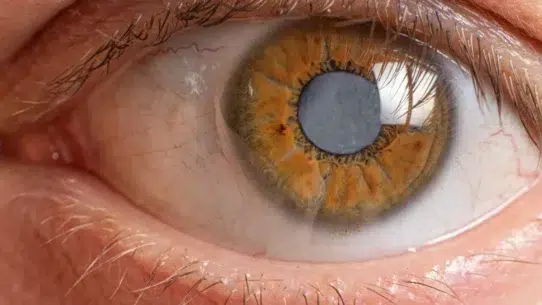






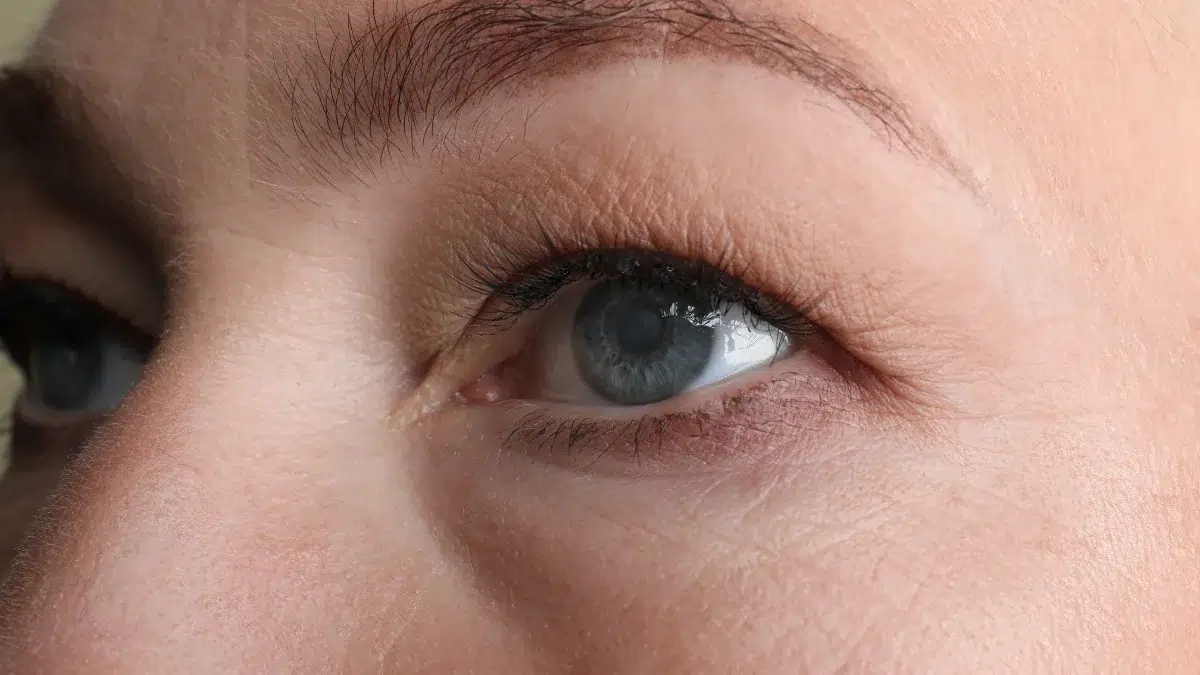

Cataracts are a common age-related condition where the natural lens in the eye becomes cloudy.
It occurs when your lens’s protein structure weakens, giving objects a fuzzy, hazy, or less vibrant appearance.
If Cataract is not detected in time, it can have a major impact on daily life.
This article provides essential information about online and self test for Cataracts, treatment options, and warning signs that should not be ignored.
Self Test for Cataracts
Performing a self test for Cataracts at home is an active step in monitoring your eye health.
Start by checking your visual acuity using a standard eye chart, noting any blurriness or changes in clarity.
Assess your contrast sensitivity by observing your ability to distinguish shades of gray, especially in low-light conditions.
You can also check the alterations in your ability to identify faded or muted colors by a color vision test
Assessing your sensitivity to glare, especially in bright light settings, can also offer valuable indications that can help identify potential issues related to Cataracts.
It’s important to have professional eye exams in addition to self-tests. This will provide a complete assessment and help get timely medical attention if needed.
To know about eye drops available for Cataracts, read Cataract Eye Drops: Are They Any Alternatives to Surgery?
Save up to 90% on your medicine bills
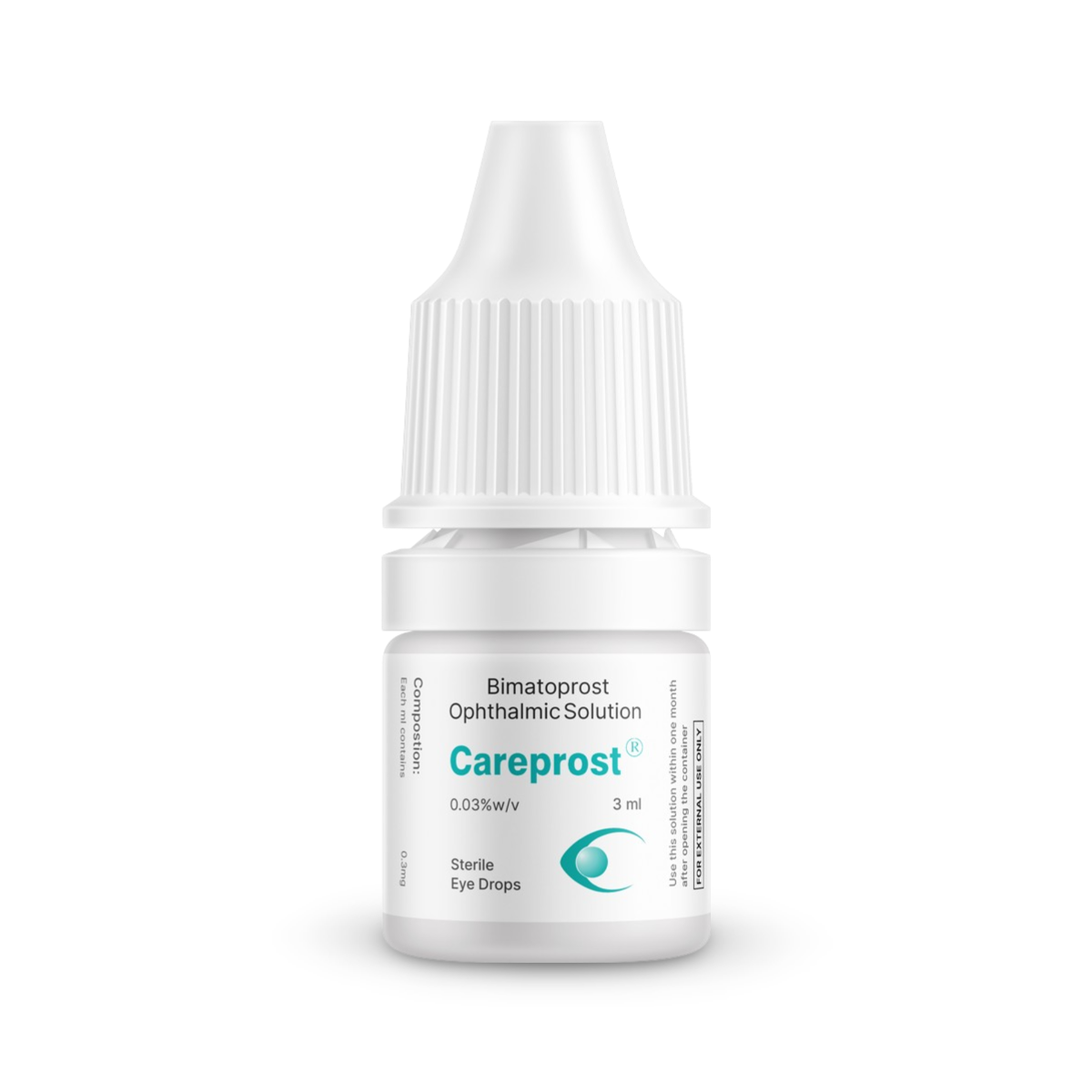
Careprost (With Brush) 3ml 0.03%
Starting at just $17.36 per bottleBuy Now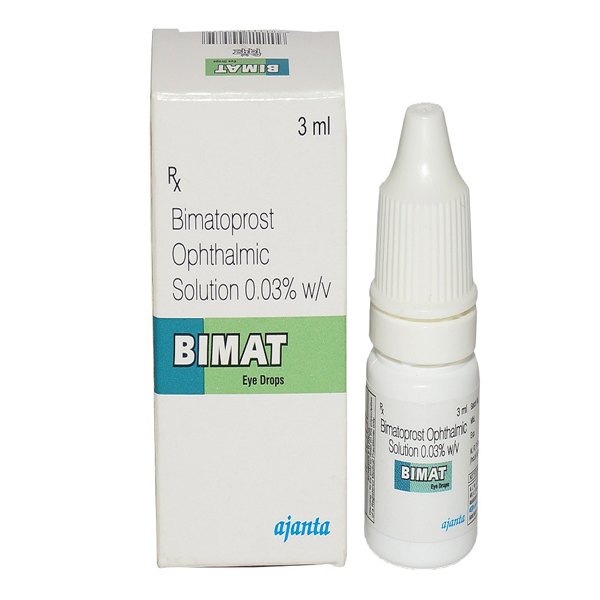
Bimat 0.03% w/v
Starting at just $10.16 per bottleBuy Now
Bimat (With Brush) 3 ml (0.03%)
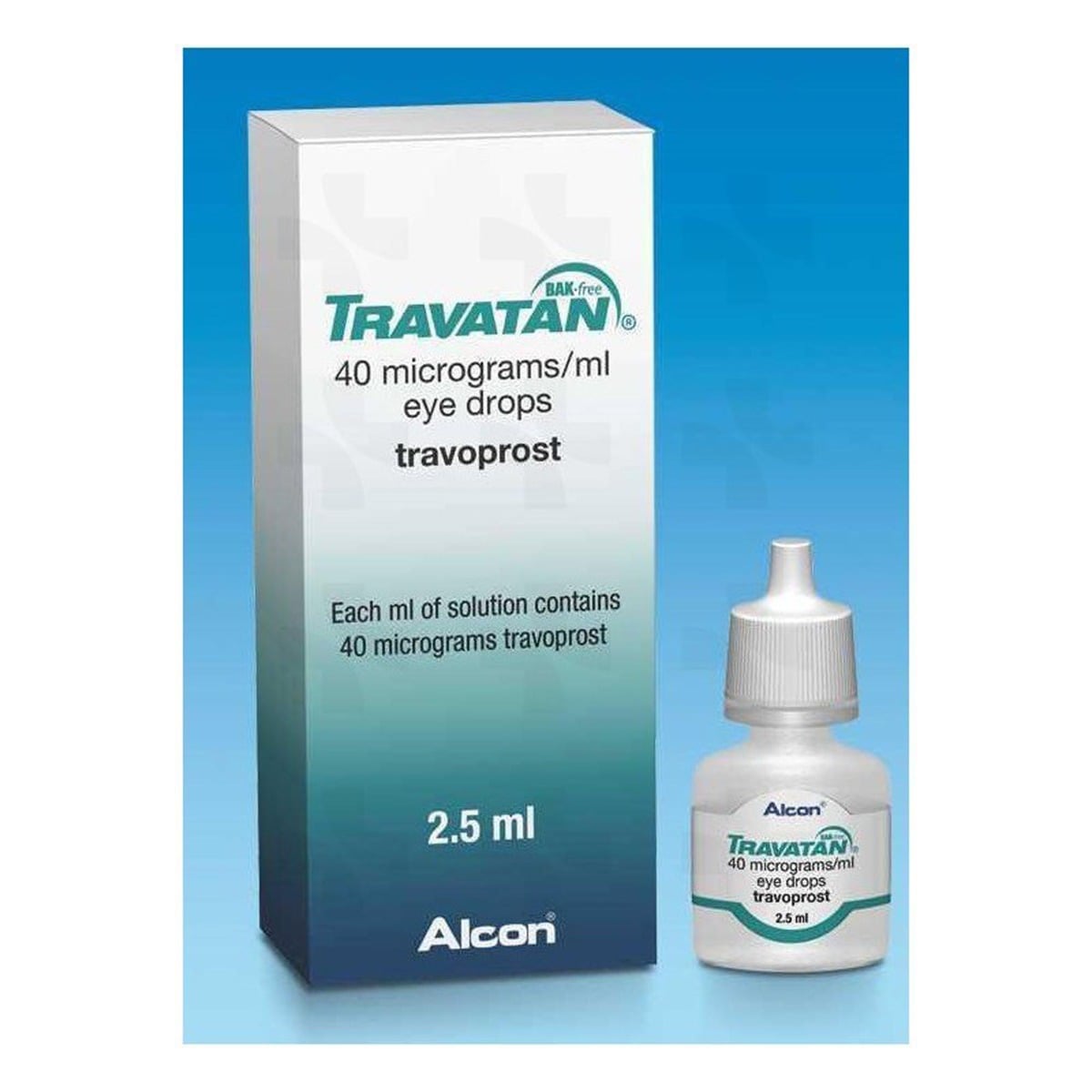
Travatan 40 Mcg/2.5ml
Online Cataract Test
Engaging in an online Cataract test provides a convenient and accessible way to assess your eye health from the comfort of your home.
These tests typically include a series of interactive assessments designed to evaluate key aspects of your vision, such as visual acuity, contrast sensitivity, and color perception.
Users can follow step by step instructions, and the results are often delivered instantly, offering valuable insights into the potential presence of Cataracts.
However, to ensure accuracy, it is important to choose reliable websites that provide user-friendly interfaces and comprehensive screening tools.
While online Cataract tests are informative, they should not replace regular eye check-ups.
Consult a healthcare professional for a thorough assessment and personalized guidance on eye care.
To learn about the symptoms of Cataracts, read Understanding Cataract Symptoms: What You Need to Know
Can You See Cataracts in Your Eyes
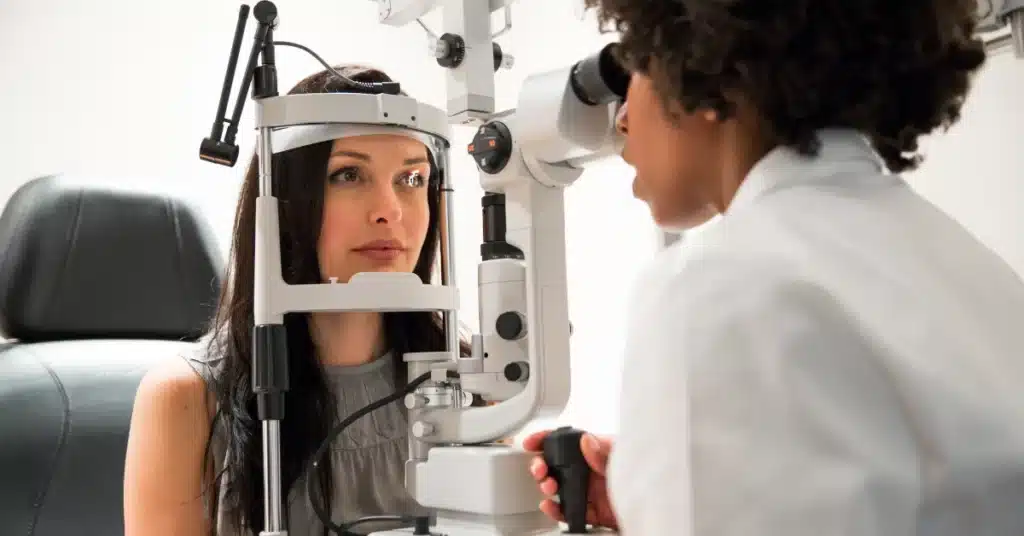
Cataracts often manifest gradually, and recognizing visual signs is important for early detection.
If you notice a persistent blurring of vision, frequent changes in prescription, or the appearance of halos around lights, these could indicate Cataracts.
Additionally, experiencing double vision in one or both eyes may signal the need for further investigation.
Regular self-assessment for these indicators and professional guidance help manage eye health and seek timely intervention.
When it comes to achieving clearer vision, it’s important to know the type of Cataract you have and explore the right treatment options.
To learn about types of Cataracts, read Understanding The Different Types of Cataracts: Causes, Symptoms, and Treatment
Treatment Options for Cataract
Cataracts, once diagnosed, require appropriate treatment options to restore clear vision.
Surgical intervention remains the primary and most effective solution for advanced Cataracts.
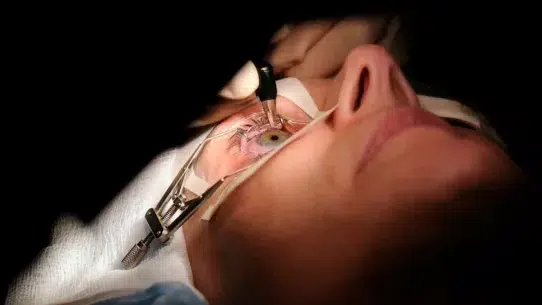
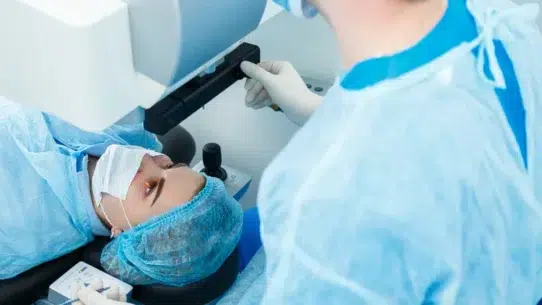
Modern Cataract surgery is a minimally invasive procedure involving the removal of the clouded lens and its replacement with an artificial Intraocular Lens (IOL).
Several types of Intraocular Lenses are available to address Astigmatism and Presbyopia, including multifocal or toric lenses.
The choice of lens depends on individual needs and lifestyle preferences.
Laser-assisted Cataract surgery has emerged as an advanced treatment option for Cataracts, often allowing patients to resume normal activities quickly.
Non-surgical approaches, such as changes in eyeglass prescriptions or pharmacology, may temporarily reduce symptoms in the early stages.
However, Cataract surgery remains the definitive solution for sustained improvement in vision quality.
The success rates of Cataract surgery are impressively high, with most patients experiencing significant vision improvement.
Regular consultations with an ophthalmologist are important for determining the most suitable treatment options.
To learn about the treatment of Cataracts, read Clearing the Haze: An Overview of Cataract Treatment.
| Astigmatism is a common problem that affects the eyes and can cause vision to become blurry or distorted. Presbyopia is the gradual loss of your eyes ability to focus on nearby objects. |
Conclusion
Cataracts occur when your lens’s protein structure weakens, giving objects a fuzzy, hazy, or less vibrant appearance.
Online Cataract tests offer accessible tools that can aid in early detection.
Surgical intervention is currently the primary and most effective solution for advanced Cataracts.
However, laser-assisted Cataract surgery has emerged as an advanced treatment option that offers benefits over traditional surgery.
In the early stages of Cataracts, non-surgical approaches such as changes in eyeglass prescriptions or eye drops may provide temporary relief from symptoms.
By regularly monitoring visual changes and recognizing signs, individuals can proactively manage their eye health.
However, it is crucial to acknowledge the limitations of self test for Cataracts and prioritize professional consultations for a thorough assessment.

Frequently Asked Questions
Can Cataracts be reversed through self-care?
No, Cataracts cannot be reversed through self-care or lifestyle changes alone.
Professional intervention, such as surgery, may be necessary for advanced cases of Cataract.
See our Recommendations
How can I find reputable online Cataract tests?
Look for well-established eye health websites or those affiliated with reputable healthcare organizations.
Ensure the online tests provide clear instructions, reliable results, and, if possible, positive user reviews.
See our Recommendations
What should I do if I suspect I have Cataracts after self-testing?
If your self-tests suggest potential Cataract issues, schedule an appointment with an eye care professional for a comprehensive examination.
They can confirm the diagnosis, assess the severity, and discuss appropriate treatment options.
See our Recommendations
Are there age-specific recommendations for self-testing?
No, there are no age-specific recommendations for self-testing, as individuals of all ages can benefit from self-testing, especially if they have risk factors.
However, older individuals should be vigilant and consider regular screenings part of their eye health routine. This is help in reducing the risk of Cataracts early.
See our Recommendations
How can I differentiate between normal age-related vision changes and potential Cataracts?
If you notice persistent changes in vision, such as blurriness, glare sensitivity, or halos, it’s essential to consider Cataracts as a possible cause.
Any significant or sudden changes need professional evaluation to rule out serious eye conditions.
See our Recommendations
Cheap Medicine Shop only refers to credible, authoritative sources for our content. If you're curious about how we ensure the integrity of our content, we encourage you to read our Content Information Policy.