








Conjunctivitis, generally known as pink eye, is a common and frequently uncomfortable eye condition that can affect anyone at any age.
Even if it is usually not a serious medical issue, you must be aware of its side effects and the consequences of not receiving the right care.
The numerous side effects of pink eye, from redness and itching to excessive weeping and discharge, will be thoroughly examined in this extensive article.
We will also look at the consequences of not treating this illness, highlighting the dangers of infection spreading, long-term eye impairment, etc.
Let’s explore pink eye better to understand its consequences and the significance of prompt treatment.
What Are the Side Effects of Pink Eye
Pink eye causes several visible side effects. The most typical signs and symptoms are redness and inflammation, which are uncomfortable and leave a gritty feeling.
Other common indications of pink eye include eyelid swelling, excessive tears, constant irritation, and pink eye discharge.
For an early diagnosis of this frequent eye problem, it is essential to be aware of these side effects.
- Redness and Irritation: The redness and irritation in one or both eyes is the most common sign of pink eye.
Frequently, soreness and a gritty sensation come along with this redness. - Excessive Tearing: Increased tear production from the pink eye can result in excessive tearing.
It may become difficult to see properly, and regular wiping of the eyes may be necessary. - Itchy Sensation: A persistent itching in the afflicted eye or eyes is a common symptom of pink eye.
If left untreated, this itching due to pink eye can be annoying and aggravate the eyes. - Discharge: Eye discharge from the pink eye is common.
Depending on the situation, there may be a watery discharge in some instances and a thicker, pus-like discharge in others.
The discharge’s color and uniformity can reveal information about the underlying cause of pink eye. - Swelling: Pink eye can occasionally result in eyelid swelling.
This swelling may make one feel uncomfortable and have a cosmetic impact.
To know more about the risks involved with pink eye, read Is Pink Eye Dangerous – Unveiling the Truth.
Save up to 90% on your medicine bills
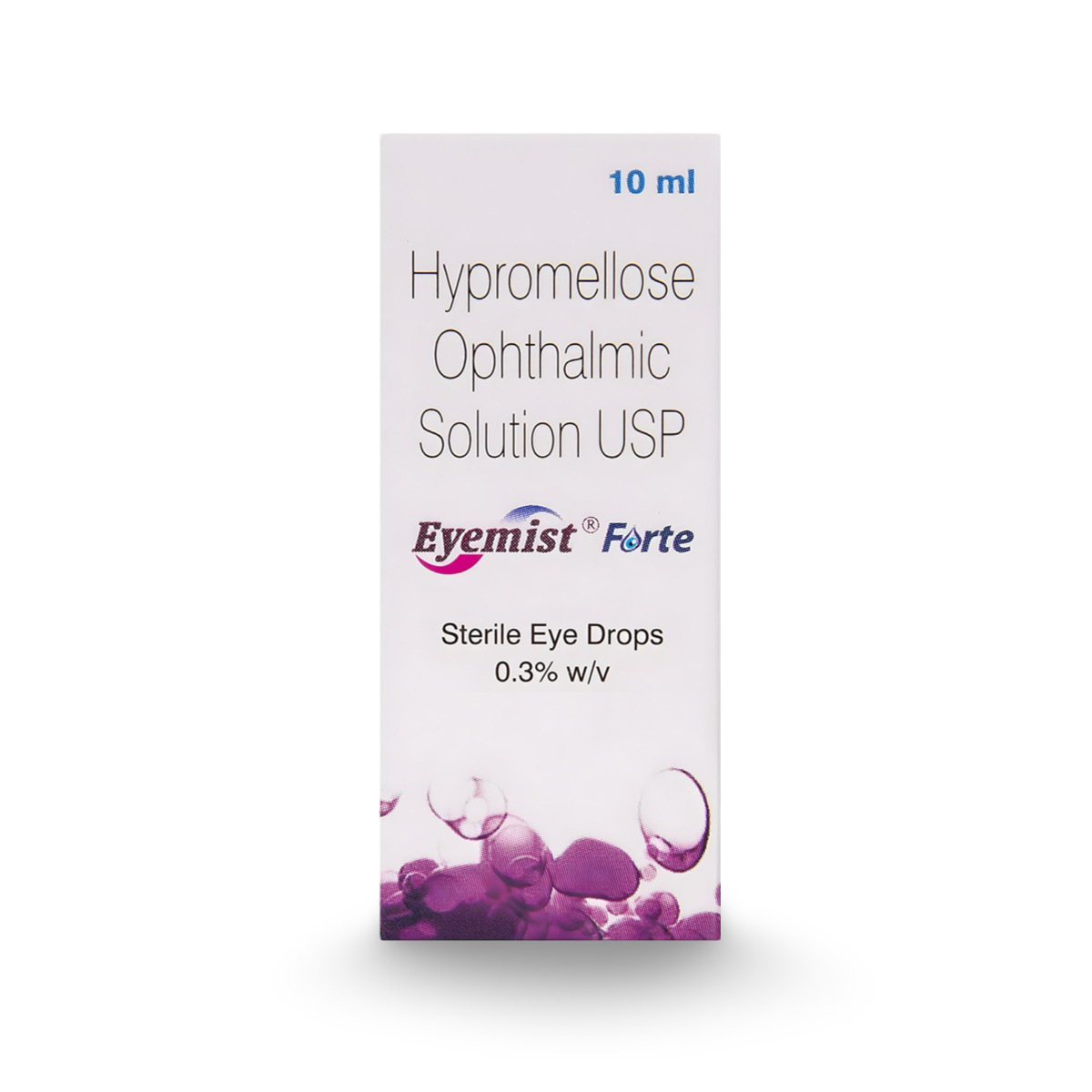
Eyemist Forte 10 ml
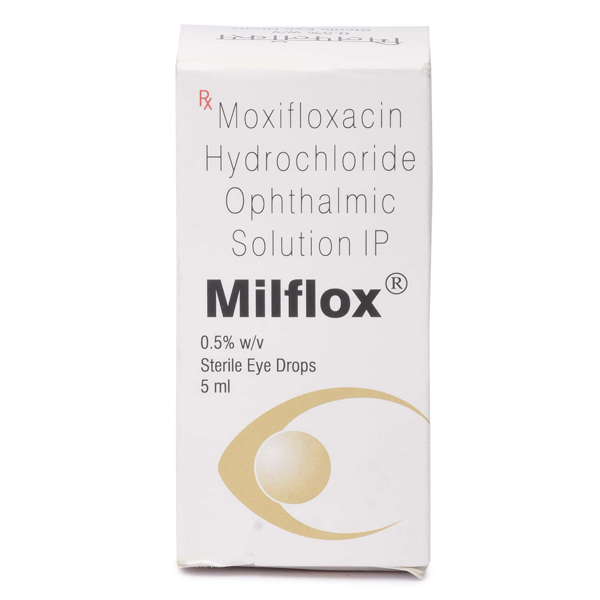
Milflox 0.5% 5 ml

Restasis 0.05% Ophthalmic Emulsion 0.4ml
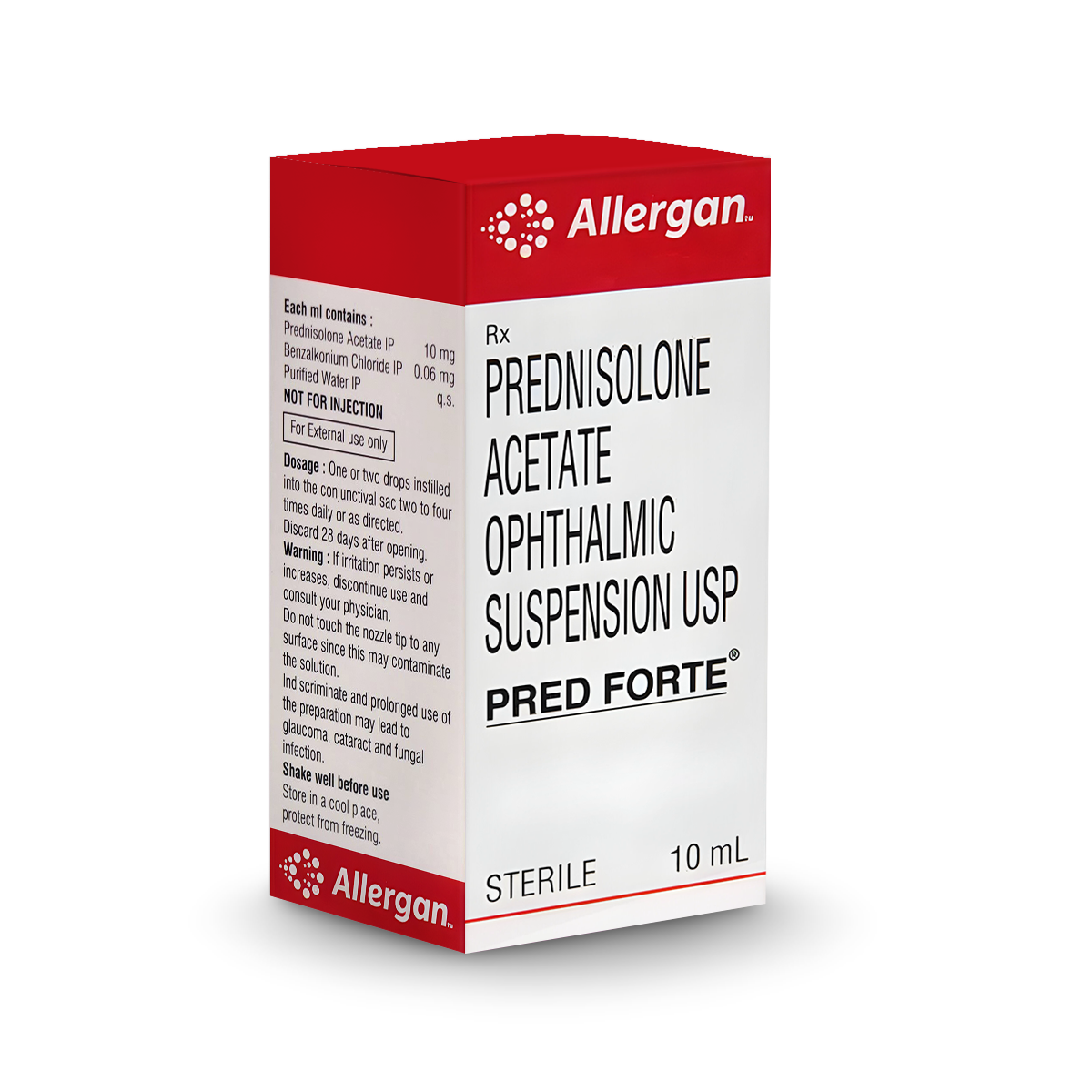
Pred Forte 10 ml
What Will Happen if Pink Eye is Left Untreated?
Ignoring pink eye symptoms can lead to several serious consequences.
First of all, it may cause the infection to spread quickly and become contagious, especially in crowded settings like schools or workplaces.
Second, persistent or untreated pink eye can harm the eye over time and increase the risk of corneal and conjunctival scarring, obstructing vision, and harming overall eye health.
Last but not least, untreated pink eye can impair the eye’s natural defenses, leaving it more vulnerable to secondary infections that can be more serious and challenging to treat.
Therefore, to avoid these potential problems, seeking quick medical attention and treatment for pink eye is important.
To know if pink eye is contagious, read Is Pink Eye Contagious – All You Need to Know.
Treatment for Pink Eye
Pink eye is often treatable with home remedies or eye drops prescribed by a medical professional.
Within a few days, these prescription eye drops for pink eye show effective results.
To avoid recurrence, taking the prescribed dosage and finishing the entire course of medication for pink eye is critical.
Additionally, maintaining excellent hygiene by regularly washing your hands and refraining from rubbing your eyes might help stop the spread of pink eye.
Natural Treatment

Applying a warm compress to the affected eye can help with pink eye by easing pain and irritation.
Another way to soothe your eyes is by using cooled chamomile tea bags for pink eye.
However, before trying natural remedies, consult a healthcare professional to determine the underlying cause of Conjunctivitis.
Viral or bacterial infections may require prescription medication.
Over-the-Counter Medicines
Lubricating eye drops or artificial tears are frequently included in over-the-counter (OTC) treatments for pink eye, which can ease irritation and lessen some of the milder symptoms.
Even though these products can be useful, caution must always be taken.
Self-diagnosis and OTC self-medication can result in misuse and associated consequences.
Before using OTC for pink eye, it is strongly advised to speak with a doctor to ensure the infection is bacterial and that the selected medication is appropriate.
Always adhere to the dosage and application recommendations to reduce the danger of side effects and enhance the treatment’s efficacy.
Prescription Medicines

Prescription medications are the safest and most effective treatment available for pink eye infections with minimum risks involved.
Depending on the kind of illness, different medications are prescribed for pink eye.
Doctors often recommend antibiotic eye drops or ointments for Conjunctivitis.
It is important to remember that prescription treatments, such as Antibiotic or Antiviral eye drops, may be required to treat the underlying causes of pink eye, particularly when bacterial or viral infections are present.
- Antibiotic Eye Drops: Antibiotic eye drops are frequently prescribed to treat bacterial pink eye.
Although they successfully treat the infection, they may temporarily burn or sting when used. - Antihistamine Eye Drops: Eye drops containing Antihistamines are applied to soothe irritation and discomfort brought on by allergic Conjunctivitis.
Studies indicate that upto 40% of people experience allergic Conjunctivitis at some point in their lifetime. - Steroid Eye Drops: Steroid eye drops are used to lessen inflammation for more severe episodes of pink eye.
Steroid eye drops should be used under the guidance of a doctor.
When taking these drops to treat pink eye symptoms, discussing any worries with your healthcare professional to ensure their safety and efficacy is crucial.
To learn more about medicines for pink eye, read Comprehensive Guide to Pink Eye Medicine.
Conclusion
Conjunctivitis, commonly known as pink eye, can cause discomfort.
Maintaining eye health requires awareness of pink eye’s side effects and the consequences of not treating them.
Although pink eye is usually not a serious eye condition, its symptoms, such as redness, irritation, and discharge, can greatly affect one’s comfort and way of life.
In addition, delaying treatment increases the side effects of pink eye that include risk of secondary infections, infection spread, and long-term eye damage.
Pink eye is often treated with natural treatments or by eye drops prescribed by a medical professional.
Early identification and adequate medical intervention, including prescribed eye drops, are essential to manage pink eye and avoid its untreated effects effectively.

Frequently Asked Questions
What is pink eye, and how common is it?
Pink eye, medically known as Conjunctivitis, is characterized by redness, irritation, and sometimes discharge from the eye. It is a common eye condition that can affect people of all ages.
Can pink eye cause discomfort or pain?
Yes, pink eye can be uncomfortable and cause pain, especially if left untreated.
The symptoms can range from mild irritation to significant discomfort.
How is pink eye treated?
Treatment for pink eye depends on its cause. Antibiotic eye drops are often prescribed for bacterial pink eye.
In contrast, Antihistamine and steroid eye drops may be used for allergic or severe cases.
Warm compresses and good hygiene practices can also help reduce symptoms.
What happens if pink eye is left untreated?
Leaving pink eye untreated can lead to several consequences, including the potential spread of the infection, long-term damage to the eyes, and an increased risk of secondary infections.
Is pink eye contagious, and how can it be prevented from spreading?
Yes, pink eye is highly contagious, especially in its early stages.
To prevent its spread, practice good hand hygiene, avoid touching the eyes, and avoid sharing personal items like towels or eye makeup.
Cheap Medicine Shop only refers to credible, authoritative sources for our content. If you're curious about how we ensure the integrity of our content, we encourage you to read our Content Information Policy.