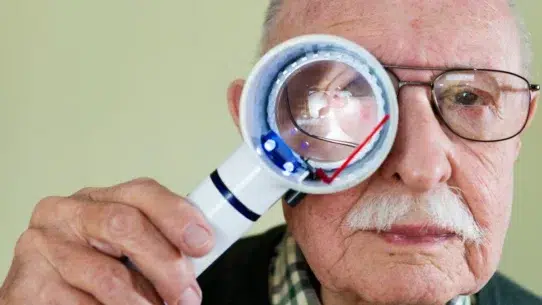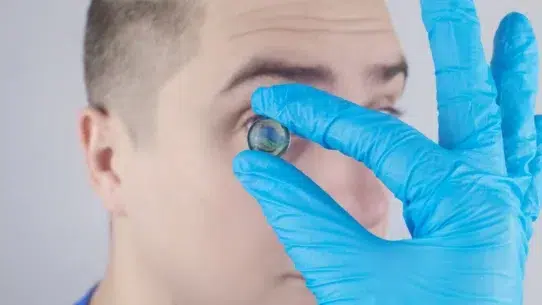








Night blindness is a condition that weakens an individual’s ability to see clearly in low-light conditions, particularly during the night.
Night blindness, also known as Nyctalopia, poses daily challenges, from navigating dimly lit spaces to driving after sunset.
While night blindness is a minor eye condition, it can be a sign of more serious underlying health problems.
Recognizing the causes of night blindness is important for early detection and proper management.
This article will explore what causes night blindness and learn the role of Cataracts and the impact of Vitamin A deficiency on this visual impairment.
What Causes Night Blindness
Night blindness can stem from various underlying causes, impacting the eye’s ability to adjust to low-light conditions.
Night blindness causes include health issues such as Retinitis Pigmentosa, Glaucoma, Usher Syndrome, Diabetic Retinopathy, and Cone-Rod Dystrophy.
Let’s talk about these causes in detail.
Retinitis Pigmentosa: One of the primary causes of night blindness is Retinitis Pigmentosa, a group of genetic disorders affecting the retina.
Individuals with this genetic disorder may experience a gradual decline in peripheral vision.
Glaucoma: In this condition, pressure inside the eye increases, damaging the optic nerve and resulting in loss of peripheral vision.
This gradual loss of peripheral vision can result in night blindness.
Usher Syndrome: It is a genetic disorder causing both hearing loss and vision impairment.
Night blindness is a common early symptom of Usher Syndrome due to the generation of the retina’s rod cells.
Diabetes Retinopathy: This type of Diabetes affects vision by causing damage to the blood vessels in the retina.
Damage caused by Diabetes on the blood vessels in the eye may cause night blindness.
Cone-Rod Dystrophy: It is a group of inherited eye disorders affecting the cone and rod cells in the retina.
These cells are responsible for color and low-light vision, so their damage may result in night blindness.
Save up to 90% on your medicine bills
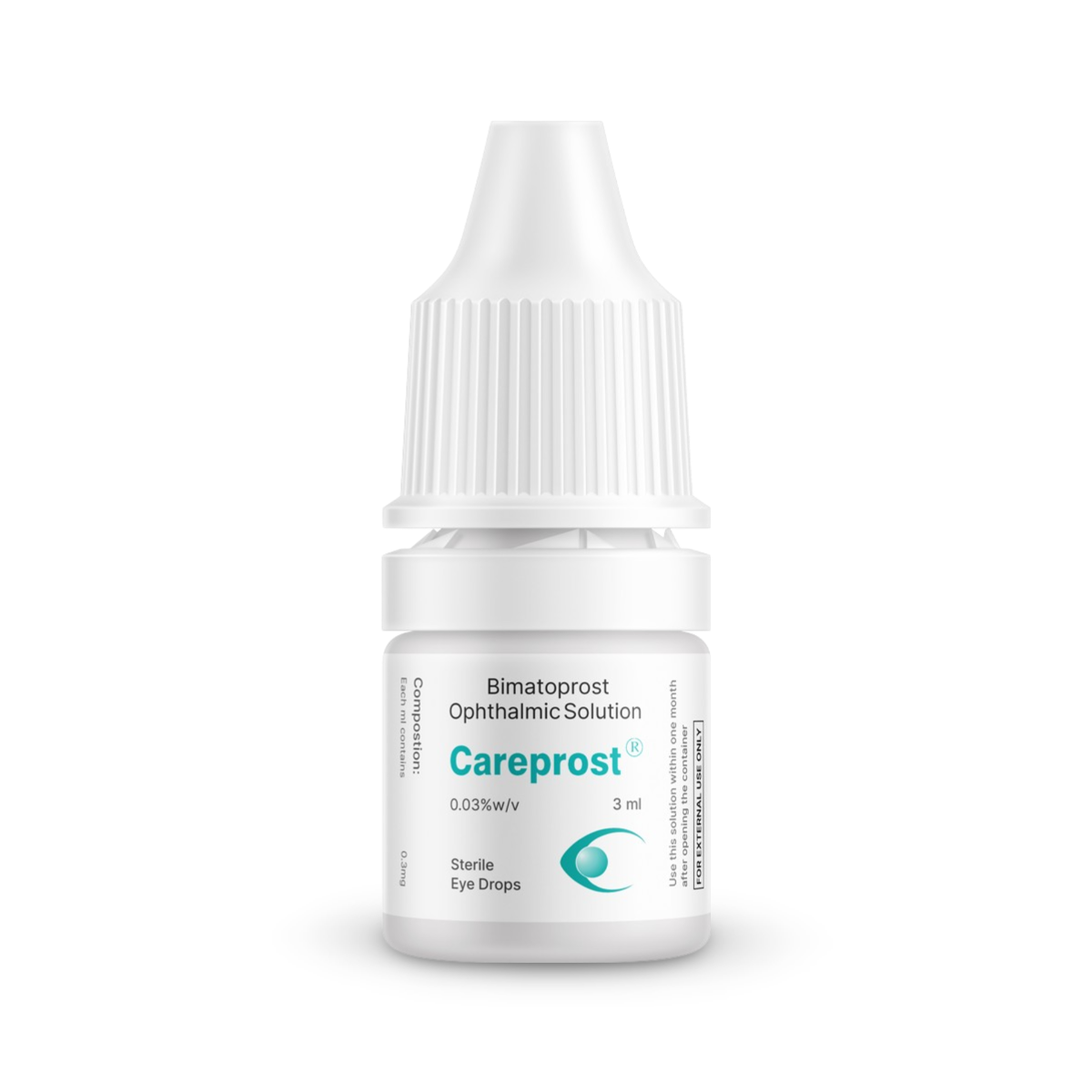
Careprost (With Brush) 3ml 0.03%
Starting at just $17.36 per bottleBuy Now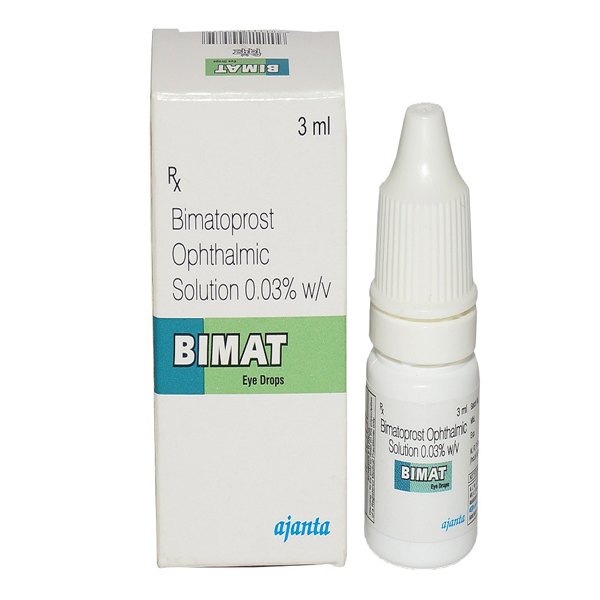
Bimat 0.03% w/v
Starting at just $10.16 per bottleBuy Now
Bimat (With Brush) 3 ml (0.03%)
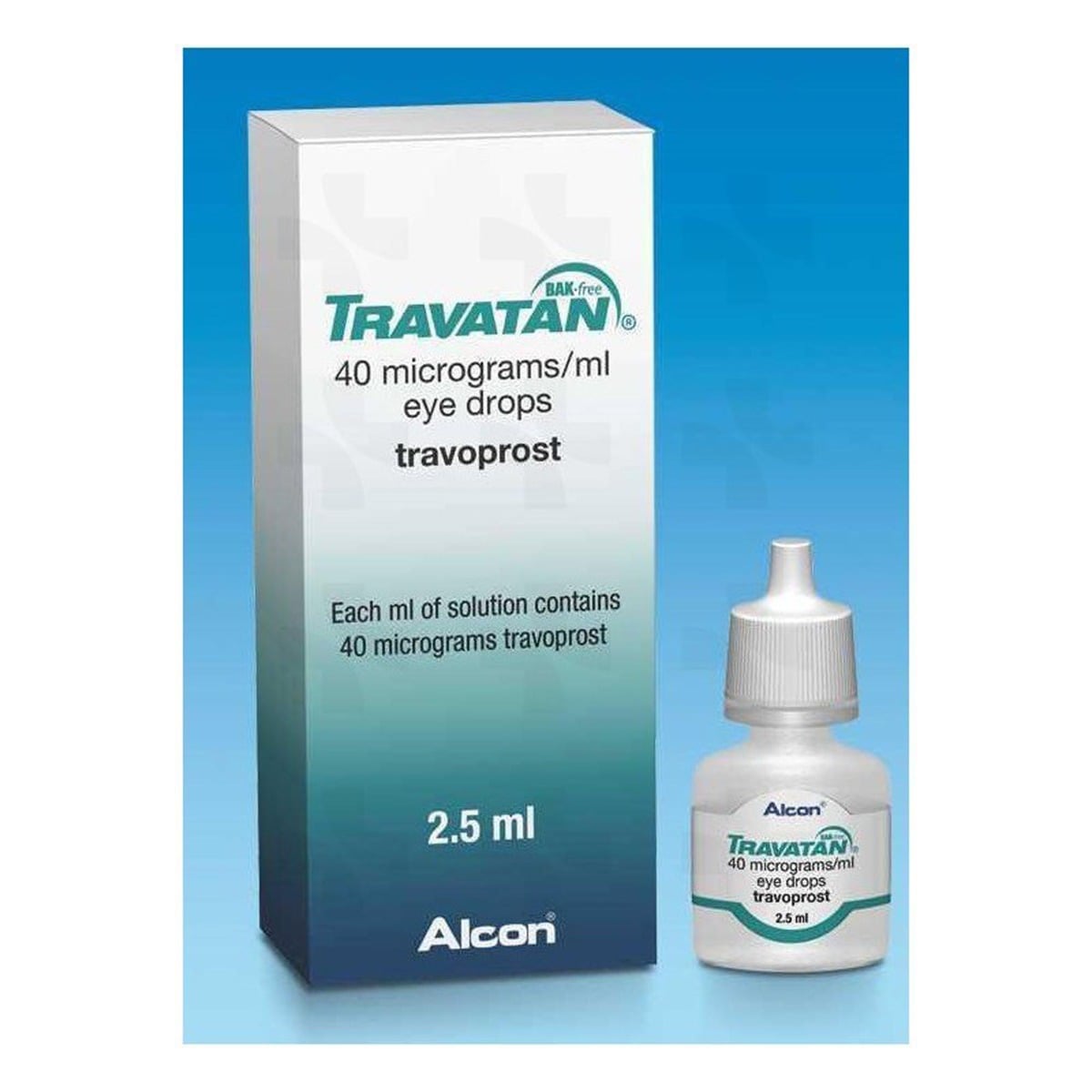
Travatan 40 Mcg/2.5ml
Do Cataracts Cause Night Blindness

Yes, Cataracts can contribute to night blindness. It is an eye condition that causes clouding of the eye’s natural lens.
Cataracts prevent the passage of light through the lens, leading to reduced light in the retina.
This reduction in light exposure can be problematic in low-light settings, especially at night.
Various treatment options are available for Cataract-related night blindness.
Non-surgical options include eye drops, while surgical options include Cataract surgery, where the clouded lens is removed and replaced with an artificial lens.
Consultation with an eye care specialist is essential before starting any treatment for Cataract-related night blindness.
If you want to know more about the connection between blindness and Cataracts, read Can a Cataract Cause Blindness: Revealing The Truth.
Why Does Vitamin A Deficiency Cause Night Blindness

Vitamin A plays an important role in maintaining the retina’s health by supporting the synthesis of rhodopsin.
Rhodopsin is a light-sensitive pigment crucial for night vision, and it plays an important role in low-light vision by allowing the eyes to adapt to changes in light intensity.
Vitamin A deficiency is a known cause of night blindness; without sufficient Vitamin A, the production of rhodopsin is impaired, leading to decreased sensitivity to low levels of light.
Thus, a deficiency in Vitamin A disrupts the normal functioning of these cells, resulting in night blindness.
Night Blindness Treatment
Night blindness treatment varies depending on its underlying cause.
Factors like Cataracts, Vitamin A deficiency, genetic conditions, and Glaucoma can contribute to night blindness.
When caused by Cataracts, the primary solution is undergoing Cataract surgery to manage symptoms of night blindness.
In cases where night blindness is caused by Glaucoma, doctors may prescribe lubricating eye drops for effective treatment.
It’s important to note that genetic conditions like Retinitis Pigmentosa cannot be treated.
If you experience night blindness, seek professional medical advice to identify the specific cause and determine the most appropriate course of action for your condition.
To learn more about treating night blindness in detail, read Night Blindness Treatment: How to Treat This Eye Condition?
Conclusion
Night blindness is a visual impairment that can significantly impact one’s quality of life, especially in low-light conditions.
What causes night blindness is important for treating and managing this common eye condition.
Genetic issues like Retinitis Pigmentosa, Cone-Rod dystrophy, Usher Syndrome, and other medical conditions like Glaucoma, Diabetes Retinopathy, and Cone-Rod Dystrophy cause night blindness.
Cataracts and Vitamin A deficiency can also cause night blindness by clouding the lens and disrupting the synthesis of rhodopsin, respectively.
Understanding the underlying cause of night blindness is crucial for effective management and prevention.

Frequently Asked Questions
How can one prevent or manage night blindness?
Preventing night blindness involves addressing underlying causes, such as managing Diabetes, getting regular eye check-ups, and maintaining a balanced diet rich in Vitamin A. Managing conditions like Cataracts may require surgical intervention. Early detection through routine eye exams is important for effective management.
Are there genetic factors contributing to night blindness?
Yes, genetic factors play a role in night blindness. Conditions like Retinitis Pigmentosa, Usher Syndrome, and Cone-Rod Dystrophy have a genetic component, impacting the retina’s function and causing night vision problems.
Can medications cause night blindness as a side effect?
Yes, certain medications, particularly those used to treat high blood pressure, may have side effects affecting vision, including night blindness. Consult with a healthcare professional if you experience visual disturbance while on medication.
Are children prone to night blindness?
Yes, children can experience night blindness, especially if there is a genetic predisposition or underlying eye conditions. Regular pediatric eye checkups are essential for early detection.
How does age impact night vision?
As individuals age, eye changes, such as reduced pupil size and decreased sensitivity to light, can affect night vision. Regular eye check-ups are crucial for early detection.
Cheap Medicine Shop only refers to credible, authoritative sources for our content. If you're curious about how we ensure the integrity of our content, we encourage you to read our Content Information Policy.