






Psychological disorders can be defined as any disorder that leads to behavioral changes and causes significant distress and impairment of the ability to function effectively in the social domain.
According to numerous studies, the prevalence of sexual dysfunction is higher in people who suffer from any mental disorders. Sexual functioning is influenced by neurotransmitters, endocrine factors, and neuropeptides. Proper sexual functioning is one of the most important components of quality of life. The most common sexual dysfunction in men is erectile dysfunction and it is defined as a condition in which achieving and maintaining a satisfactory penile erection is a questionable aspect for a man. There are many factors that affect the penile function and psychological disorders are one of the factors that significantly affect the erectile function and leads to its impairment.
Men experience three types of erections:
- Reflexogenic erections – This type of erections are induced by the tactile stimulation of the genitals.
- Psychogenic erections – This type of erections are induced by memory or visual associations.
- Nocturnal erections – This type of erections begins with the onset of puberty and it occurs during the rapid eye movement sleep.
Erections at the time of sexual activity are usually achieved as a combination of reflexogenic and psychogenic erections, and problem in any of these can lead to erectile dysfunction.
The brain plays an important part in erectile function as during sexual arousal, a message from the brain travels down nerves to the penis and this releases neurotransmitters from the end in the nerves to the penis. The neurotransmitter which is released into the penis leads to the production of cGMP (Cyclic guanosine monophosphate) and an increased cGMP allows an increased blood flow into the penis. If the level of cGMP falls, the level of blood flow decreases and this takes the penis to a non-erect state.
Save up to 90% on your medicine bills

Cenforce 200 Mg
Starting at just $0.84 per tabletBuy Now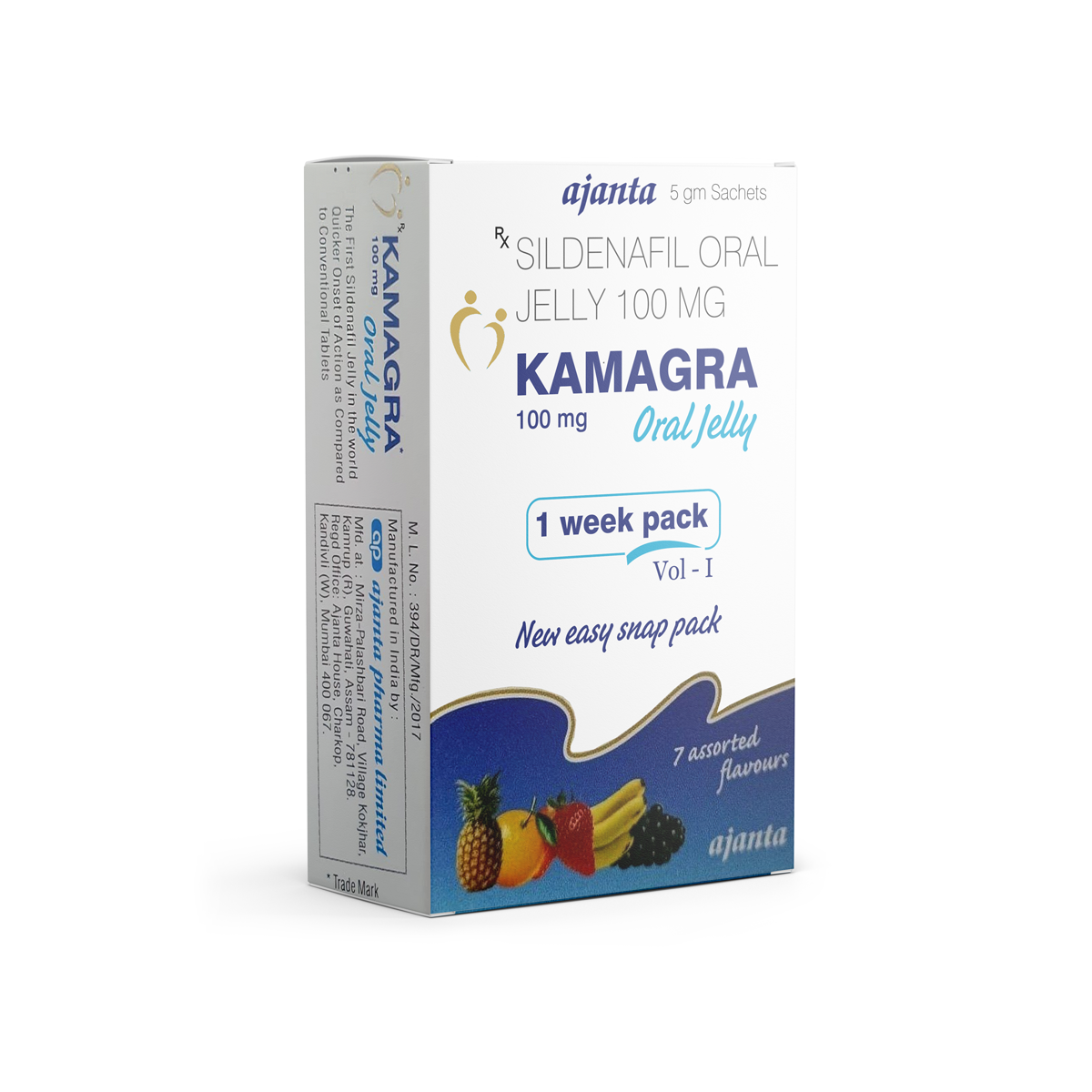
Kamagra Oral Jelly Rx 100 Mg
Starting at just $1.86 per sachetBuy Now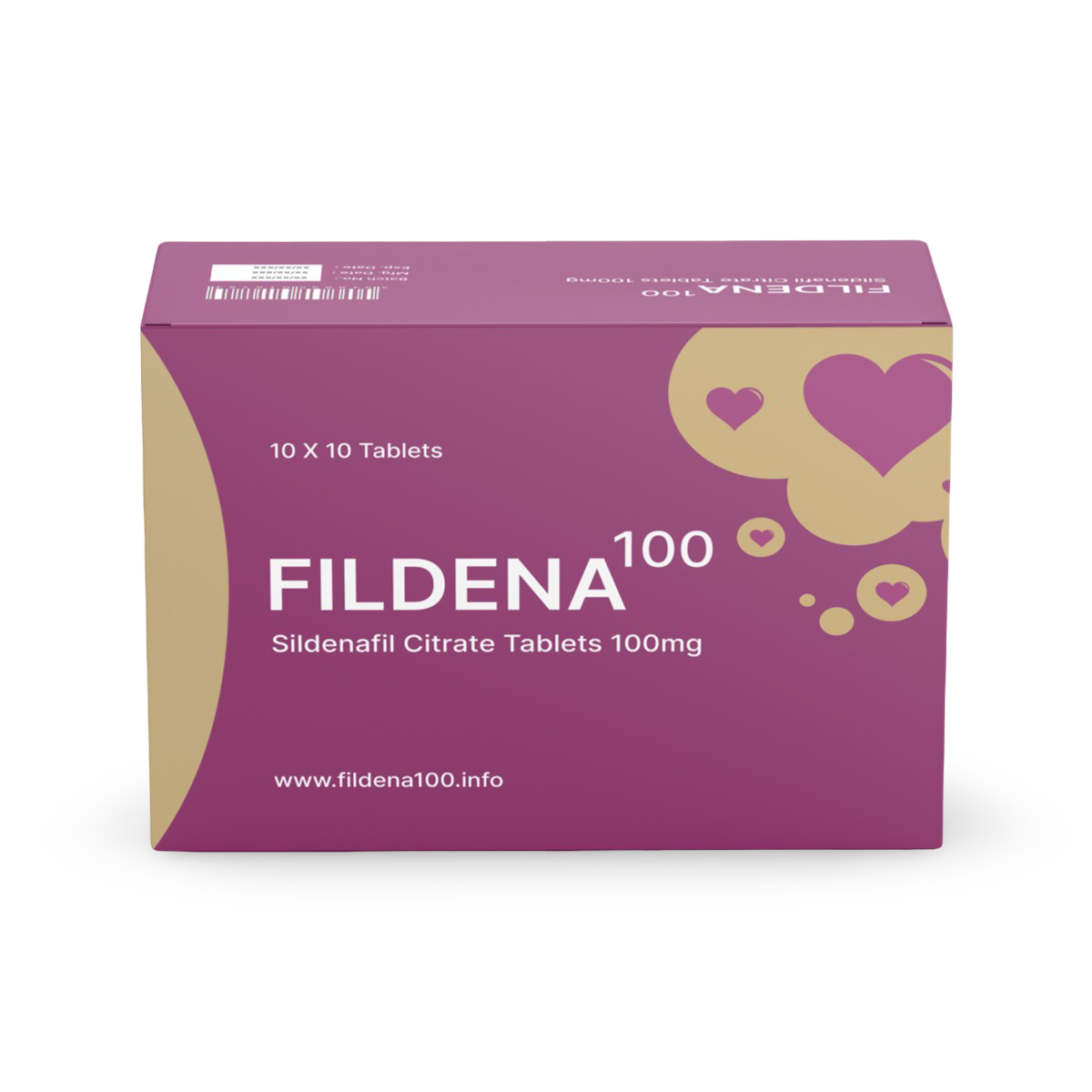
Fildena 100 Mg
Starting at just $0.80 per tabletBuy Now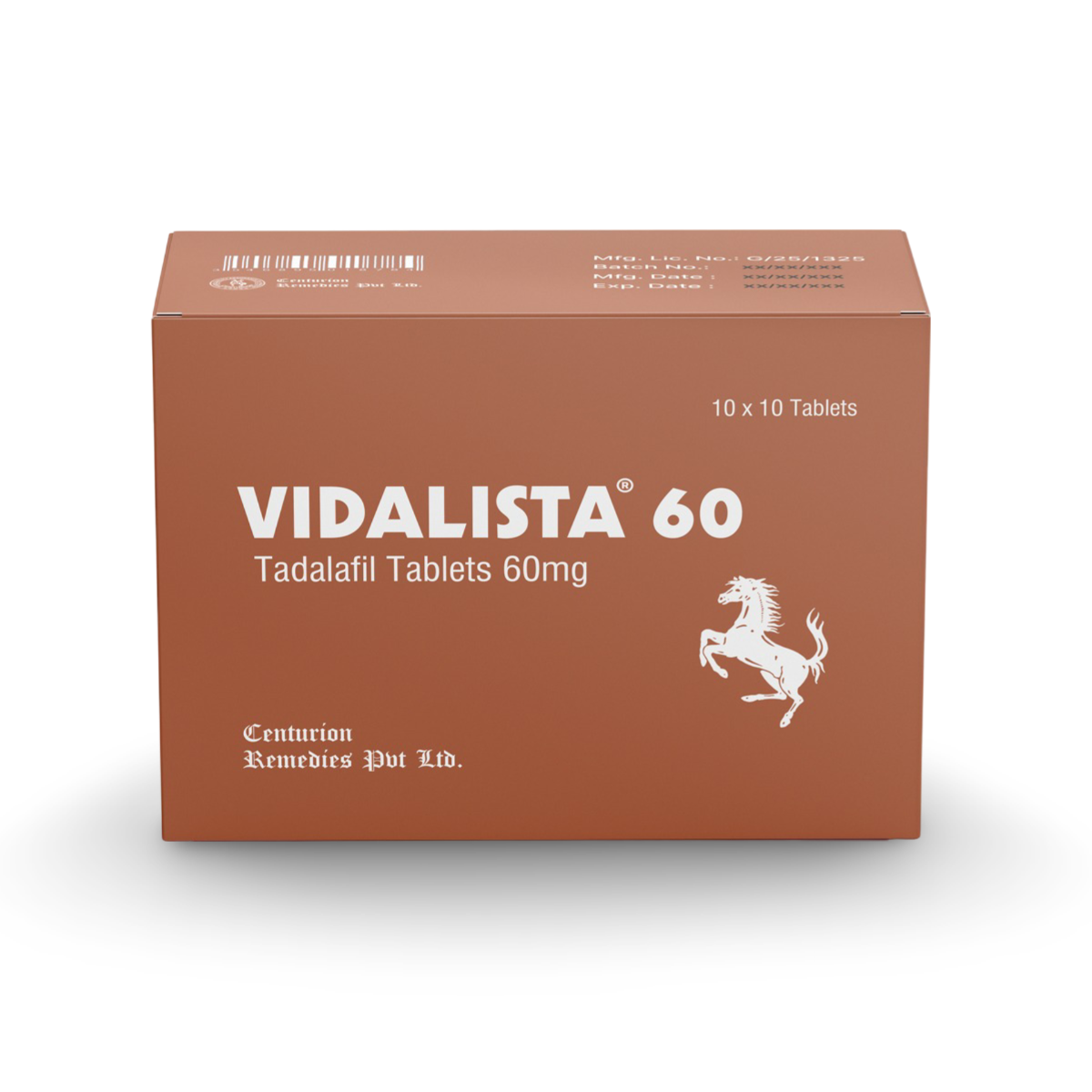
Vidalista 60 Mg
Starting at just $0.90 per tabletBuy NowAlso Read: Hypoactive Sexual Desire Disorder Impairs A Quality Of Life
Sexual dysfunction has been reported in many patients who suffer from Schizophrenia. Schizophrenia is a serious and chronic mental disorder that highly affects the way a person thinks and behaves. Symptoms of Schizophrenia involves psychotic behaviors such as hallucinations, delusions, and movement disorders. People suffering from schizophrenia also experience reduced feeling of pleasure, problems with memory and reduced speaking.
This disorder has many negative symptoms like anhedonia and avolition severely harms the ability to enjoy sexual life and due to the recurrent psychotic episodes, they face anxiety and hence difficulties in establishing relationships. Erectile dysfunction is also known as impotence and when an impotence is caused by psychological disorders, it is known as psychological impotence. Most of the time psychological impotence is curable and temporary in nature.
Depression is one of the psychological disorder which is highly associated with the development of sexual dysfunction. Increasing severity of depression is accompanied by the decreased libido or the loss of libido. Depressed people are at high chances of experiencing diminished ability to maintain sexual stimulation, and the rate of erectile dysfunction highly increases. Erections begin with sexual stimulation; therefore, any problems with sexual stimulation can become the cause of erectile dysfunction.
The endothelium dysfunction also accompanies depression, and endothelium plays an important role in the penile arterial dilation. Therefore any damage to endothelial cells or endothelium dysfunction causes erectile dysfunction. Endothelium dysfunction results in nitric oxide deficiency due to impaired production. Also, depression often causes a deficiency of the hormone testosterone, one of the most important hormones in males. It plays a vital role in stimulating the sexual characteristics in males. It functions in the development of the male reproductive system.
Also, depression often causes a deficiency of the hormone testosterone, one of the most important hormones in males. It plays a vital role in stimulating the sexual characteristics in males. It functions in the development of the male reproductive system.
Anxiety is common, and most people experience it, but when the feeling of anxiety becomes frequent and start interfering in daily activities, it becomes a topic of health concern. Anxiety can be linked to many diseases, and erectile dysfunction is one of the problems that most of the people who suffer from anxiety experiences. Anxiety not only affects the body, but it also affects thoughts and disorders. Anxiety often results in depression, low testosterone level, and stress, and these factors are enough for the development of erectile dysfunction.