






Sexual intercourse is a natural aspect of a man’s life, which consists of many little processes. It is a common process, but many men feel hesitant to ask or even understand these processes. One of these natural processes is male ejaculation.
It is the release of semen from the male penis, usually occurring during sexual climax or orgasm. It’s a key part of reproduction but also affects pleasure, hormonal balance, and overall well-being.
Despite how common it is, a lot of people don’t fully understand what happens during ejaculation or how it can be affected by your age and health conditions. Furthermore, this process involves many events, including hormones, muscle contraction, and nerve signals, making it complex.
This article elaborates in depth on male ejaculation, its constituents, its mechanism, volume, benefits, and ejaculation problems. So, let’s delve in and learn in detail.
What is male ejaculation?
Ejaculation is the process of discharging semen, a bodily fluid expelled from the penis during sexual climax or orgasm. Semen is a complex mixture composed of sperm and seminal fluid.
The fluid is secreted from the ejaculatory glands, including the seminal vesicles, prostate, and bulbourethral glands. These glandular fluids provide nutrients, enzymes, and a suitable environment to support and nourish sperm, aiding their motility and survival.
The seminal vesicles contribute about 70% of the semen volume, producing a Fructose-rich, viscous fluid that fuels sperm. The prostate adds a thinner, enzyme-rich fluid that helps liquefy semen after ejaculation. The bulbourethral glands secrete a clear lubricant that prepares the urethra for semen passage.
Together, these components form semen. On average, it typically ranges from 1.5 to 5 milliliters (ml) of semen per ejaculation in volume. It contains only about 1 to 5% sperm cells by volume. Semen serves as the medium for sperm transport during reproduction.
Save up to 90% on your medicine bills

Cenforce 200 Mg
Starting at just $0.84 per tabletBuy Now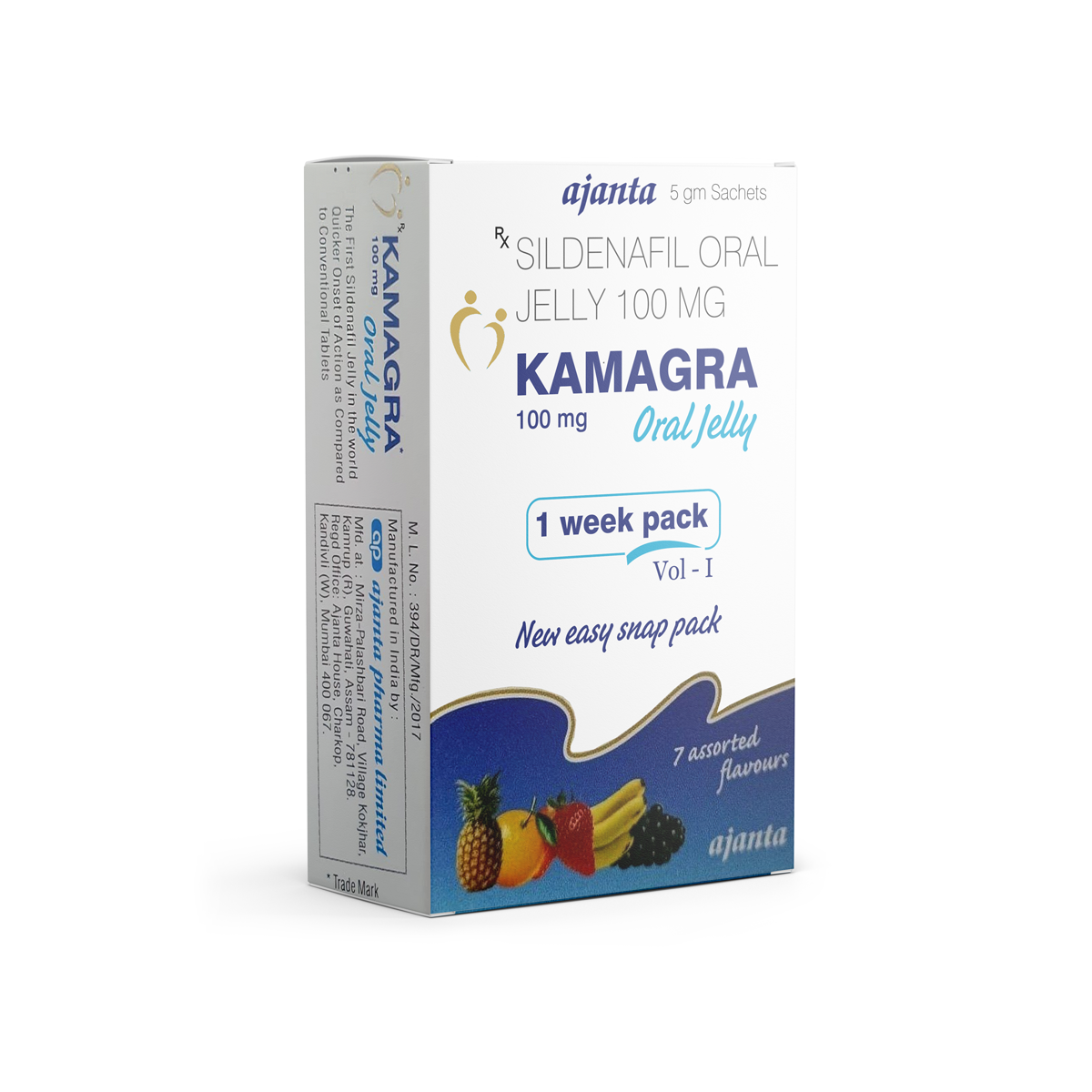
Kamagra Oral Jelly Rx 100 Mg
Starting at just $1.86 per sachetBuy Now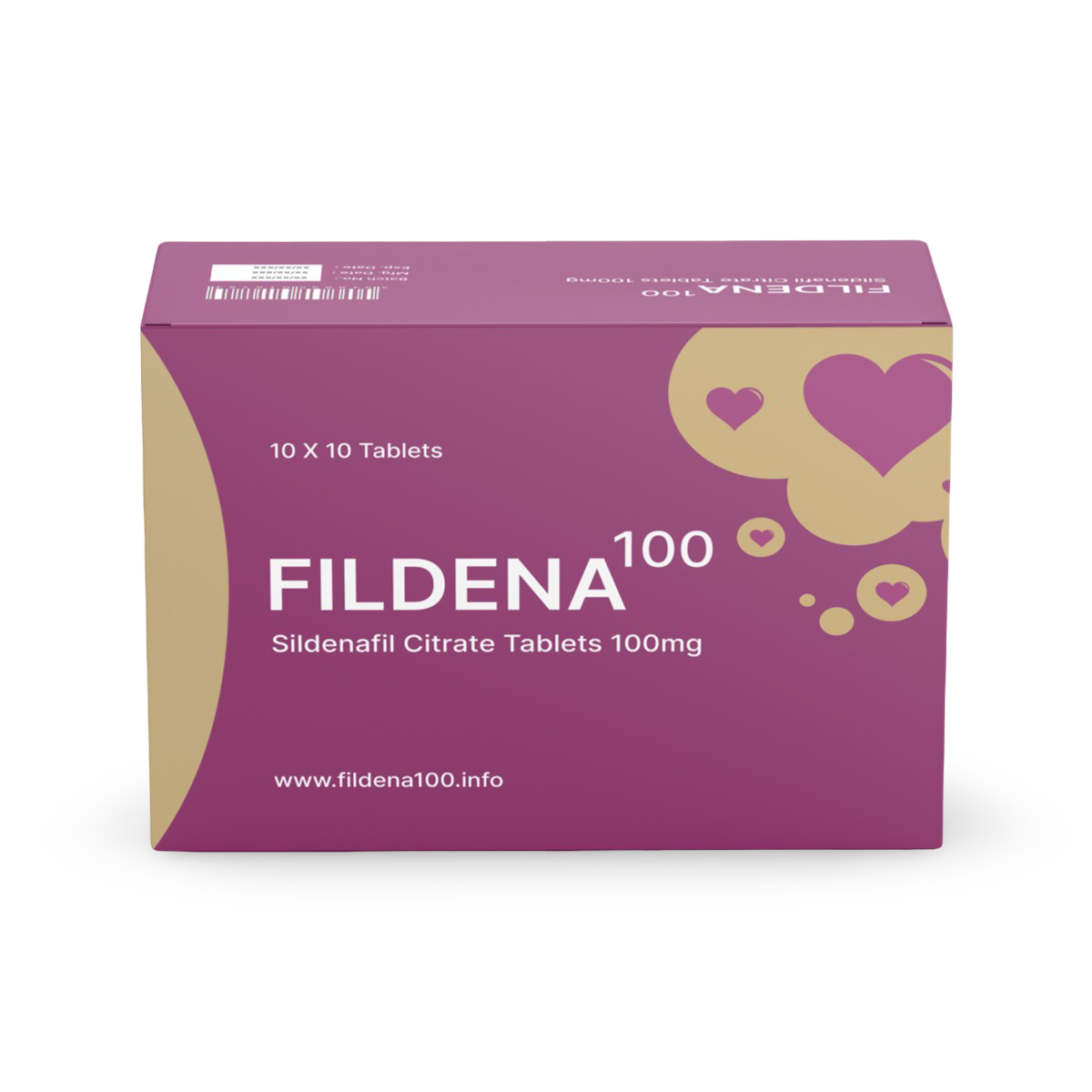
Fildena 100 Mg
Starting at just $0.80 per tabletBuy Now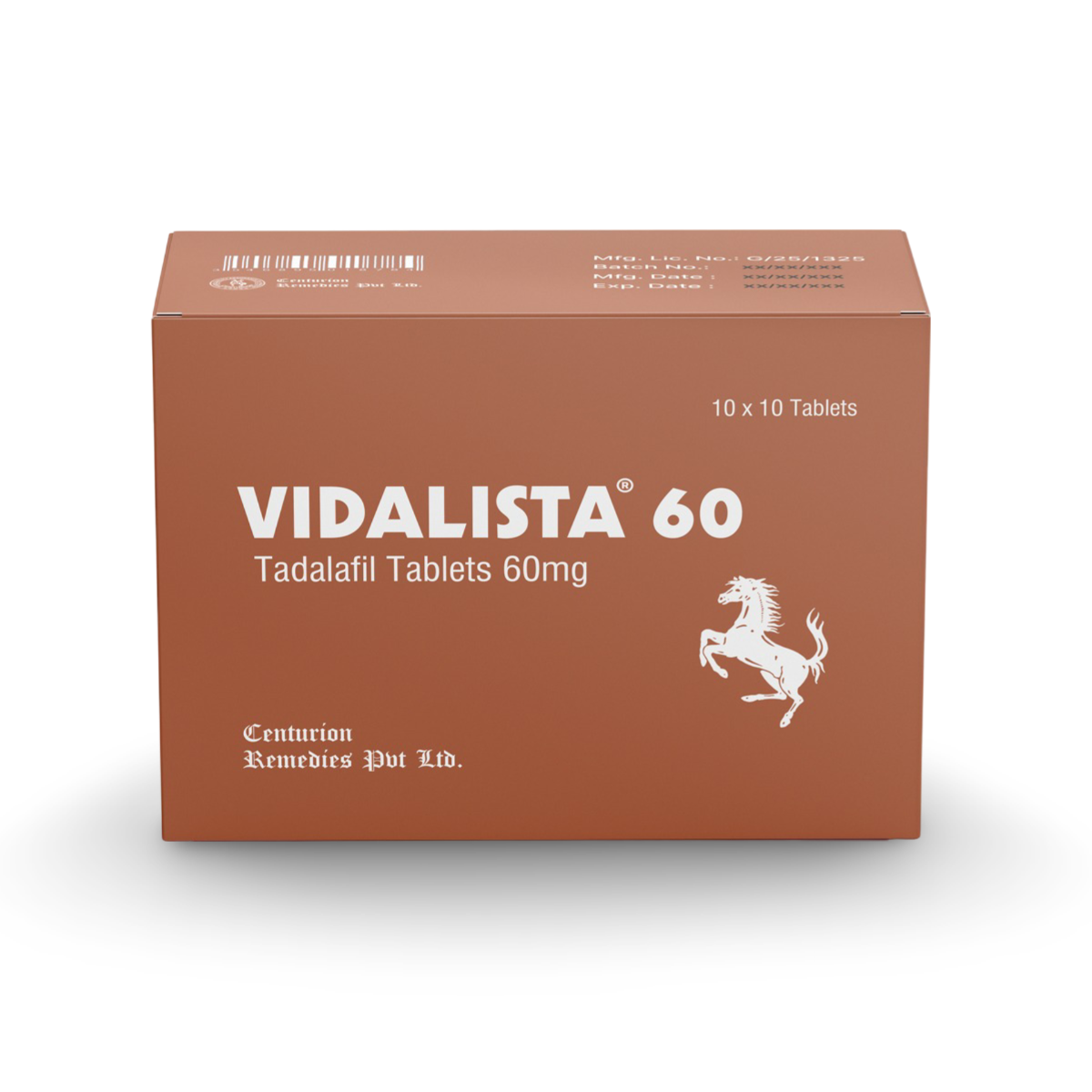
Vidalista 60 Mg
Starting at just $0.90 per tabletBuy NowHow does male ejaculation happen?
Ejaculation is a complex physiological process controlled by your Central Nervous System(CNS), involving the brain and spinal cord. When you are sexually stimulated during a sexual activity, the process of ejaculation occurs in the following two main phases:
Emission
It is the first phase of male ejaculation, where sperm start moving from the testes and epididymis into the vas deferens. There, sperm get mixed with the secretion of the ejaculatory glands and form semen. Your vas deferens contracts in the presence of sexual stimulation and releases semen towards the base of the penis.
Expulsion
Expulsion is the second phase of male ejaculation, where the base of your penis contracts every 0.8 seconds and expels semen out of the body in many spurts. This phase is involuntary (that happens automatically without conscious control) and is accompanied by orgasm.
However, it is essential to understand that ejaculation is a reflex action and can happen even if you are partially erect.
What are the benefits of ejaculating?
Ejaculation offers a range of scientifically supported benefits for male physical and mental health. Here are the benefits of ejaculating:
Reduced risks of Prostate Cancer
A study published by the World Journal of Oncology in 2016 found that if you ejaculate at least 21 times per month, you have up to 20% lower risks of Prostate Cancer compared to those who ejaculate less than 4-7 times a month.
It happens because frequent ejaculation naturally flushes out the harmful chemicals from the prostate and maintains prostate health.
Relieves stress and improves sleep quality
Ejaculation triggers the release of Oxytocin, which is recognized to relieve stress and boost mood. They reduce anxiety and even provide pain relief. Furthermore, ejaculation can help improve sleep quality, especially following partnered sex with orgasm.
Cardiovascular health
Sexual activity, including ejaculation, is a form of exercise. It improves blood flow throughout the body, maintains stable blood pressure, and supports cardiovascular health.
Enhanced relationship satisfaction
Regular ejaculation, especially with a partner, can increase intimacy and strengthen relationships, contributing to greater happiness and satisfaction. Furthermore, ejaculation is linked to improved mental well-being, with studies showing fewer symptoms of Depression and lower rates of suicidal thoughts among sexually active men.
How often should a male ejaculate?
There is no medically prescribed number of times a man should ejaculate per day, week, or month. The ideal frequency is highly individual and depends on age, libido, relationship status, and overall health. For most men, ejaculation should occur as often as it feels comfortable and natural.
However, various studies support that men who ejaculate 21 times a month have lower risks of developing Prostate Cancer issues. In contrast, if ejaculation frequency causes physical discomfort, emotional distress or impacts relationships, consult your doctor.
How long can a male go without ejaculation?
A male can go indefinitely without ejaculating. There is no medical limit or required minimum frequency for ejaculation, and abstaining for days, weeks, months, or even years does not cause physical harm or health problems in healthy men.
Sperm that are not ejaculated are naturally reabsorbed by the body, and some men may experience nocturnal emissions (wet dreams) if they abstain for long periods. Furthermore, some men may also experience blue balls, also called Epididymal Hypertension, which causes pain in the scrotum, if they don’t ejaculate for a long time.
However, it is important to understand that choosing not to ejaculate is often a personal, cultural, or religious decision. There are no known dangerous side effects of long-term abstinence.
At what age does a man start ejaculating?
Most boys start their first ejaculation between the ages of 11 and 16. This typically occurs about one to two years after the onset of puberty, once the testes have matured enough to produce sperm, and the accessory glands can contribute fluids to semen.
At what age does a man stop ejaculating?
There is no specific age at which a man stops ejaculating. Most men retain the ability to ejaculate throughout their entire lives. It happens if they are in good health and have not undergone medical treatments or developed conditions that directly affect sexual function.
However, as men age, it is normal for the volume and force of ejaculation to decrease, and issues such as reduced libido, Erectile Dysfunction, or Delayed Ejaculation may become more common, especially after age 50.
After this age, hormonal level changes and health conditions are more likely to impact sexual function. However, many men remain capable of ejaculating well into their 70s, 80s, or even later.
What are the most common male ejaculation problems?
The most common ejaculation problems are:
- Premature Ejaculation (PE): This is the most frequent ejaculation problem, where a man ejaculates sooner than he or his partner wishes during sexual activity, often within one minute of penetration. It can lead to frustration and decreased sexual satisfaction for both partners.
- Delayed Ejaculation (DE): This condition involves significant difficulty or inability to ejaculate despite adequate sexual stimulation. It may take 30 minutes or longer or not occur at all. Delayed Ejaculation can be caused by several psychological factors, certain medications (like antidepressants), nerve damage, or hormonal imbalances.
- Retrograde Ejaculation (RE): In Retrograde Ejaculation, semen travels backward into the bladder instead of expelling out of the penis. This results in little or no semen being expelled during orgasm and may cause cloudy urine afterward. It can lead to infertility.
- Anejaculation: This is the complete absence of ejaculation, even though orgasm may still occur. Causes include nerve or spinal cord injury, certain surgeries, psychological issues, or medication side effects. Anejaculation can lead to infertility and emotional distress.
These ejaculation problems can impact your relationship and need to be treated for satisfactory sexual intercourse. Consult your doctor and seek the prescribed medicines for effective results.
Conclusion
Male ejaculation is the release of semen from the body. The process occurs in two main phases: firstly, emission and then expulsion. The semen consists of sperm and seminal fluid released from the ejaculatory glands.
A man can start ejaculation between the ages of 11 and 16 after the onset of puberty. However, there is no specific age at which a man stops ejaculating. Most men remain capable of ejaculating in their 80s and even later.
There are many benefits of frequent ejaculation, such as reduced Prostate Cancer risks, relieved stress, improved sleep, and maintaining cardiovascular health. While it offers many benefits, there is no set rule on how many times a man should ejaculate. However, ejaculating 21 times a month reduces Prostate Cancer risks.
Similarly, a man can avoid ejaculation indefinitely. However, if you experience any ejaculation problems, such as Premature Ejaculation, Delayed Ejaculation, or Retrograde Ejaculation, consult your doctor.
Frequently Asked Questions
What causes a weak male ejaculation?
Several factors can cause weak male ejaculation. It includes aging, chronic conditions like Diabetes or heart disease, nerve damage, psychological factors such as stress, and lifestyle habits including alcohol use and poor overall health. It is essential to consult your doctor and seek a proper diagnosis and treatment.
Can a male still ejaculate after a Vasectomy?
Yes, a male can still ejaculate after a Vasectomy. It is the surgical cutting and sealing of the vas deferens. The procedure only blocks sperm from entering the semen. Hence, ejaculation and orgasm remain the same, but the semen will no longer contain sperm.
Does ejaculating make a UTI worse in males?
Yes, ejaculating with a Urinary Tract Infection (UTI) can potentially make symptoms worse or delay recovery. Sexual activity, including masturbation and ejaculation, may irritate the urinary tract and move bacteria around, increasing discomfort or prolonging infection. Most doctors recommend waiting until the UTI has resolved before resuming sexual activity.
Are male ejaculation and orgasm the same?
No, male ejaculation and orgasm are not the same, even though they occur together. Ejaculation is the release of semen, whereas orgasm is an intense sensation of pleasure and emotional release that occurs at sexual climax.
Cheap Medicine Shop only refers to credible, authoritative sources for our content. If you're curious about how we ensure the integrity of our content, we encourage you to read our Content Information Policy.