





Sildenafil, known by its brand name Viagra, is a medication to treat Erectile Dysfunction or ED in men or assigned males at birth (AMAB).
ED is caused by various factors, including physical and psychological causes.
Regardless of the cause, ED occurs when the blood vessels in the penis become narrow. As a result, it reduces blood flow to the penis, making it difficult to get an erection.
But the main question arises here is – How does Sildenafil work to treat ED? What does it do?
It is a Phosphodiesterase type 5 (PDE5) inhibitor, which works by increasing blood circulation to the penis.
This increased blood circulation helps a man attain and maintain an erection after sexual stimulation occurs.
Let’s dive deep to know how does Sildenafil work, along with how much time it takes to work and what factors can affect the working of this medicine.
How does Sildenafil work
Sildenafil (Viagra), as mentioned above, is a Phosphodiesterase 5 (PDE5) inhibitor.
When PDE5 is inhibited, cyclic Guanosine Monophosphate (cGMP) levels increase.
It causes the smooth muscle in the penis to relax and blood vessels to expand.
This process allows more blood to flow through the penis, making it swell and causing an erection.
Once the two tubes of penile tissues fill up with blood, the veins narrow, trapping the blood inside and helping a man maintain an erection.
However, it is essential to note that sexual stimulation is necessary for Sildenafil to work.
Save up to 90% on your medicine bills

Cenforce 200 Mg
Starting at just $0.84 per tabletBuy Now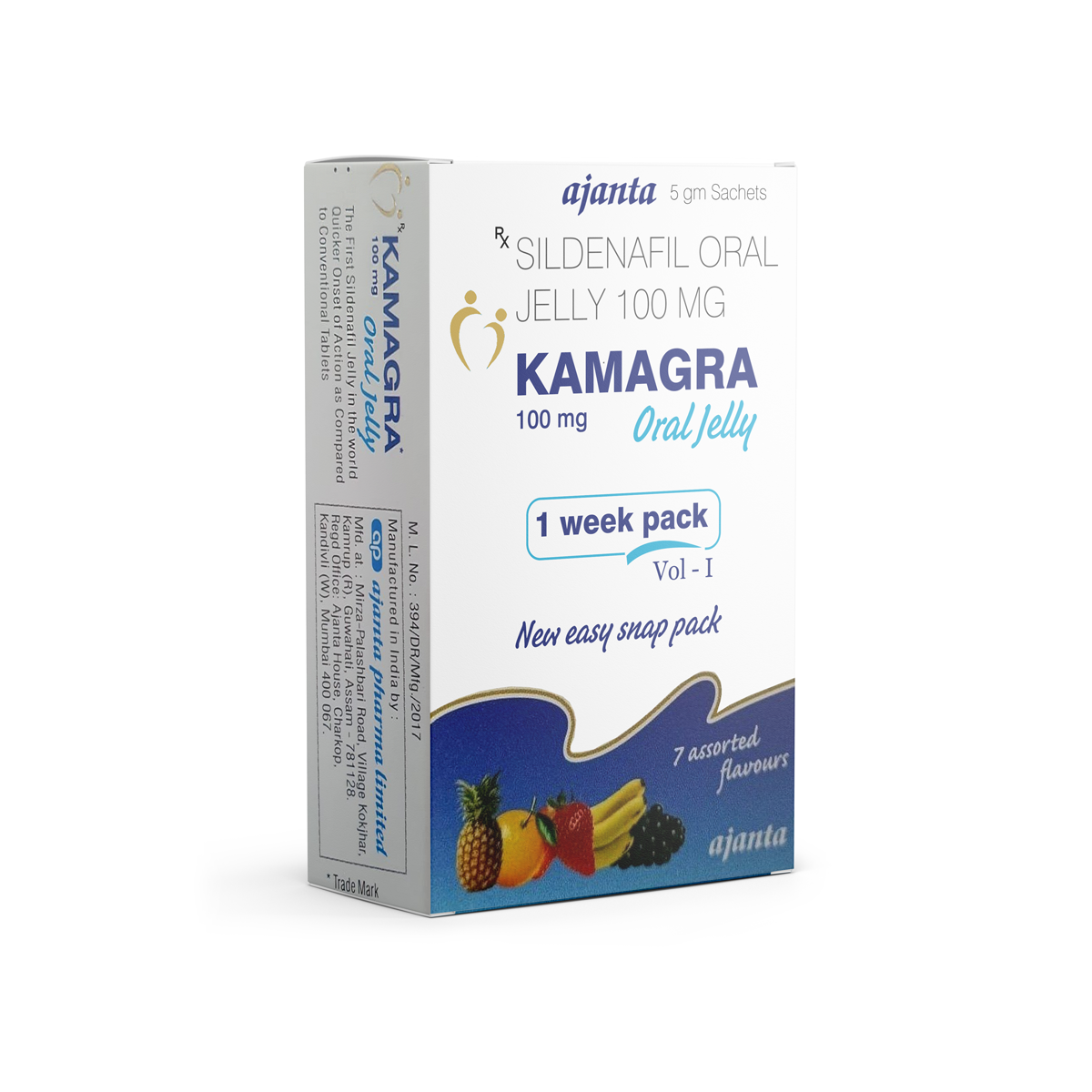
Kamagra Oral Jelly Rx 100 Mg
Starting at just $1.86 per sachetBuy Now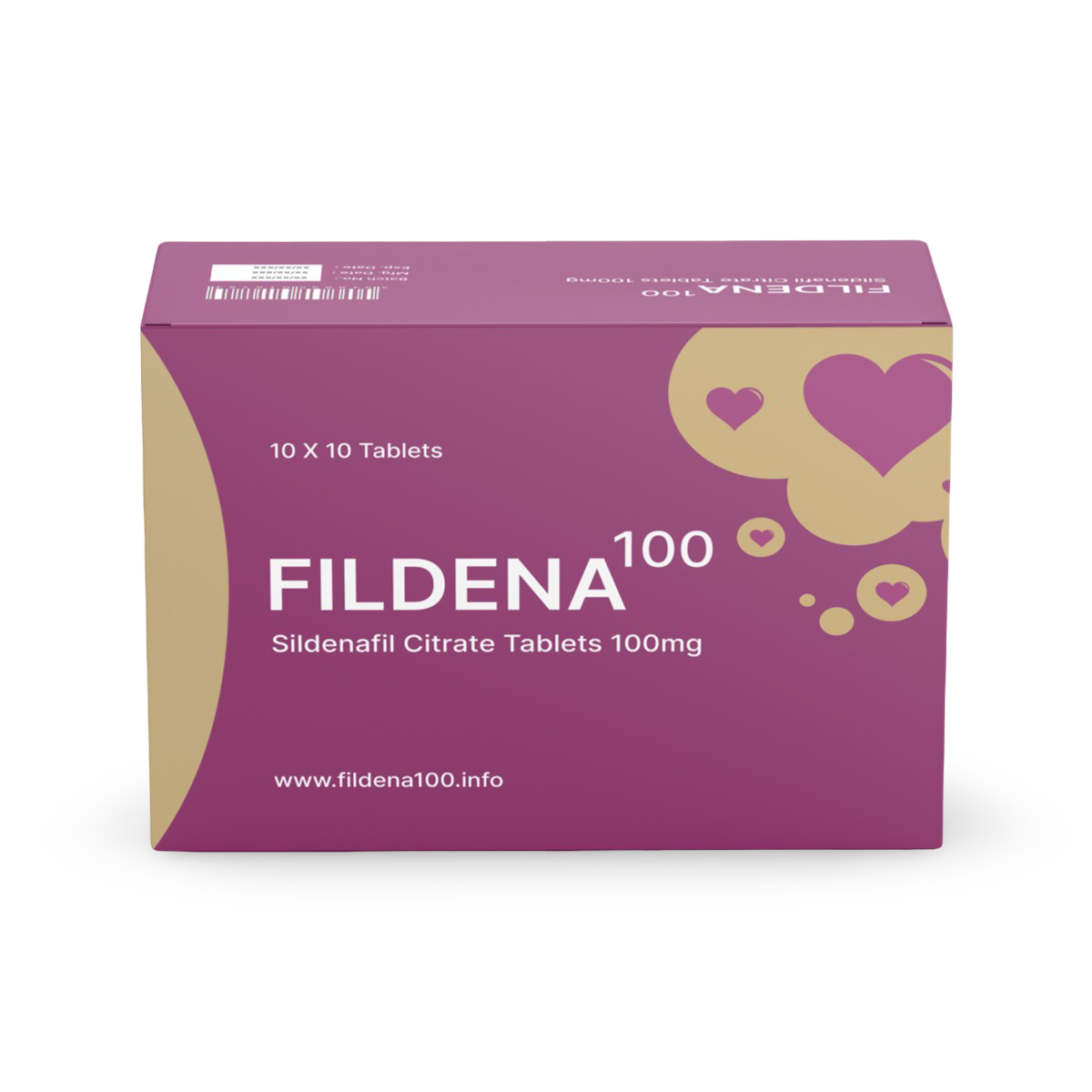
Fildena 100 Mg
Starting at just $0.80 per tabletBuy Now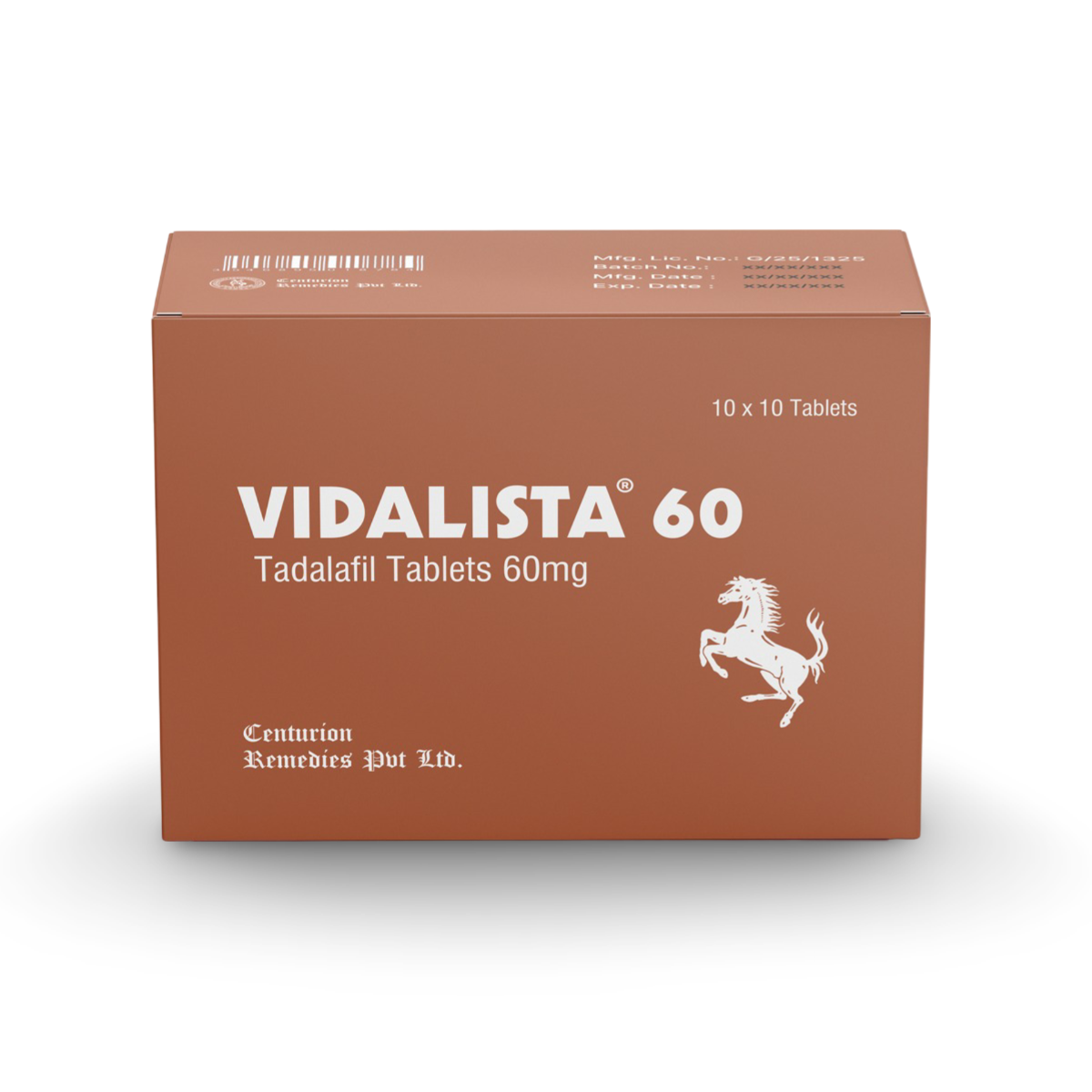
Vidalista 60 Mg
Starting at just $0.90 per tabletBuy NowHow long does Sildenafil take to work
Sildenafil (Viagra) starts to work within 30 minutes of consumption, but the peak effects are usually visible after an hour.
However, some factors like an individual’s health and the type of meal consumed before taking Sildenafil decide how long it will take for this medicine to work.
If you consume a high-fat meal, then the absorption rate of Sildenafil (Viagra) can decrease, resulting in delayed onset of action.
Therefore, it is advisable to take this medicine after a light meal or on an empty stomach 30-60 minutes before sexual intercourse.
Discover all those foods that you should not take with Sildenafil (Viagra) in this article– Know All About Beverages and Foods to Avoid When Taking Viagra
How does Sildenafil work the best

Sildenafil will work best if consumed 30 to 60 minutes before sexual intercourse.
Additionally, consume it with water on an empty stomach or after a light meal, as high-fat meals are known to reduce the effectiveness of Sildenafil.
Avoid consuming grapefruit juice or alcohol with Sildenafil as they can cause some side effects or reduce the effectiveness of this medicine.
It is essential to consult your healthcare provider and declare your medical history with them. They will inform you about all the potential interactions with Sildenafil, which can reduce its effectiveness or cause unwanted side effects.
Recommended Read: Unveiling the Truth: Is Sildenafil Safe for Your Health?

Frequently Asked Questions
Does Sildenafil work?
Yes, Sildenafil does work to treat Erectile Dysfunction. It increases the blood flow to the penis, which helps a man get an erection after sexual stimulation occurs. Buy Now
What does Sildenafil do?
Sildenafil is used in treating Erectile Dysfunction. It works by inhibiting the enzyme Phosphodiesterase type 5 (PDE5). As a result, it increases cyclic Guanosine Monophosphate (cGMP) and improves blood circulation to the penis. This process helps an individual achieve and maintain an erection during sexual activity. Buy Now
How long does Sildenafil work?
Sildenafil’s effects can last for up to 4 hours after taking the medication. However, it depends on an individual’s health. Buy Now
How fast does Sildenafil work?
Sildenafil can work within 30 minutes of consumption. However, the onset of action depends on an individual’s health and the meal taken before consuming Sildenafil. Buy Now
Does Sildenafil keep you hard after coming?
No, Sildenafil does not keep you hard after coming. Once you ejaculate, the erection will naturally subside as Sildenafil only helps in achieving an erection. Buy Now
Cheap Medicine Shop only refers to credible, authoritative sources for our content. If you're curious about how we ensure the integrity of our content, we encourage you to read our Content Information Policy.