


Chlamydia is one of the most prevalent Sexually Transmitted Infections (STI) among sexually active adults.
This infection significantly contributes to Pelvic Inflammatory Disease (PID), damaging the upper reproductive organs.
It is common for people to get confused about how and when Chlamydia turns into PID.
Understanding these concepts can help seek timely treatment for Chlamydia, thereby preventing the onset of PID.
Let us learn more about the complex relationship between Chlamydia and PID in this article.
Chlamydia and PID: Can Chlamydia Cause PID
Yes, Chlamydia can cause Pelvic Inflammatory Disease (PID).
A study revealed that women who tested positive for Chlamydia had a significantly higher chance of getting PID.
Additionally, if a woman gets multiple positive Chlamydia tests, her risk of PID further increases.
In most cases, Chlamydia infection is asymptomatic.
Therefore, if Chlamydia is the cause of PID, people may notice fewer or no PID symptoms, leading to subclinical PID.
This type of PID may have subtler symptoms but can still lead to significant long-term complications.
Moreover, failing to notice symptoms can result in a delayed PID diagnosis, causing further delay in the treatment.
Save up to 90% on your medicine bills
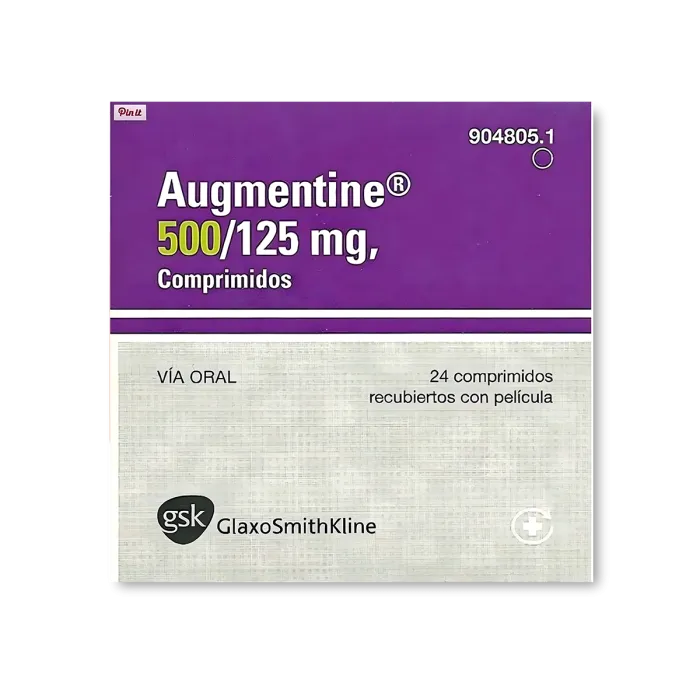
Augmentin 500/125 Mg

Azax 500 Mg

Cephadex 500 Mg

Norflox 200 Mg
How Does Chlamydia Cause PID
 Source: pixelshot
Chlamydia infection can lead to PID if left untreated, owing to the spread of the infection.
The bacteria responsible for Chlamydia- Chlamydia Trachomatis, can trigger an inflammatory response in the cervix and surrounding tissues.
If treatment is not given, the bacteria spread further into the upper reproductive organs.
This leads to inflammation and scarring of organs such as the fallopian tubes, uterus, and ovaries.
Hence, the risk of complications such as ectopic pregnancy and infertility increases significantly.
Additionally, Chlamydia-induced inflammation can weaken the immune response in the reproductive tract, making it easier for other bacteria to cause infections.
Also, infertility due to PID is more likely to occur if Chlamydia is the initial cause of infection.
If you wish to learn more about the likelihood of infertility due to PID, Read Can PID cause infertility? Unveiling the link
How Long Before Chlamydia Causes PID
The exact time it takes for Chlamydia to develop into PID varies from person to person.
A study suggests that about 2% to 5% of women who have Chlamydia develop PID in about 2 weeks.
However, this duration differs widely among women based on factors such as medical history and immunity.
In fact, research suggests that PID can develop at any time during a Chlamydia infection.
Therefore, early screening is important to prevent the progression of Chlamydia into PID.
Conclusion
Chlamydia is a common Sexually Transmitted Infection (STI) that causes Pelvic Inflammatory Disease (PID) if left untreated.
Studies suggest that women who test positive for Chlamydia have a higher risk of developing PID as compared to those who test negative.
Moreover, Chlamydia is typically asymptomatic, further adding to the complications and delay in treatment.
Untreated Chlamydia results in the spreading of infection to the fallopian tubes, ovaries, and uterus, resulting in PID.
This transition between Chlamydia and PID may occur anywhere between a few weeks and months, depending on various individual factors.
Therefore, it is essential to get timely treatment for Chlamydia to prevent the development of PID.

Frequently Asked Questions
Can you get rid of PID after Chlamydia treatment?
Yes, timely treatment of Chlamydia can prevent PID. However, if PID has already developed, it requires separate treatment. In such cases, treating Chlamydia alone may not cure PID.
How can you tell the difference between Chlamydia and PID?
Chlamydia and PID can be differentiated based on their symptoms. Chlamydia often causes genital discharge and pain during urination, while PID typically presents with pelvic pain, fever, and abnormal vaginal discharge. A medical test is often needed for an accurate diagnosis.
Why does Chlamydia put a woman at greater risk for Pelvic Inflammatory Disease?
Chlamydia infection can lead to PID because it triggers inflammation in the reproductive organs, potentially causing scarring and damage to the fallopian tubes. This increases the risk of PID development and related complications.
Is PID a lifelong disease?
No, PID is not a lifelong disease. With prompt and effective treatment, PID can be cured.
However, it may cause long-term complications, such as infertility if there are delays in seeking treatment.
Is it too late to treat PID?
No, it is never too late to seek treatment for PID. However, the effectiveness of treatment and the risk of complications may increase the longer the infection goes untreated.
Cheap Medicine Shop only refers to credible, authoritative sources for our content. If you’re curious about how we ensure the integrity of our content, we encourage you to read our Content Information Policy.
Recent Web Stories