

Menopause is a natural biological process that marks the end of a woman’s reproductive life.
It is a transformative phase that brings about various physical and hormonal changes, but how long does Menopause last?
It is important to know about common symptoms experienced during Menopause, long-term health implications, and methods for managing Menopause.
This article explores the symptoms and duration of Menopause and the factors that influence its timeline.
How Long Does Menopause Last
Menopause is a gradual process that occurs in different stages.
The length of each stage determines the overall duration of menopause.
Perimenopause is the phase leading to Menopause, which usually begins in a woman’s 40s.
During this stage, the body produces less Estrogen, and it can last up to a decade.
Menopause happens usually in a woman’s late 40s to early 50s, indicating the end of her reproductive years.
During Menopause, a woman’s menstrual cycle stops for a continuous period of 12 months.
During this time, women may experience stages of menopause and symptoms such as hot flashes, mood swings, and vaginal dryness.
Postmenopause is the stage following Menopause, typically beginning one year after a woman’s last menstrual period.
During the postmenopausal stage, symptoms may last for 4-5 years but tend to improve with time.
However, some women may experience symptoms for their entire lifetime after Menopause.
Regular health check-ups are recommended for postmenopausal women to ensure ongoing well-being and preventive care.
Understanding the factors influencing the duration of Menopause is important for women to manage their reproductive health.
Want to know more about the stages of Menopause? Read “Learn Everything About the Three Stages of Menopause”
Save up to 90% on your medicine bills
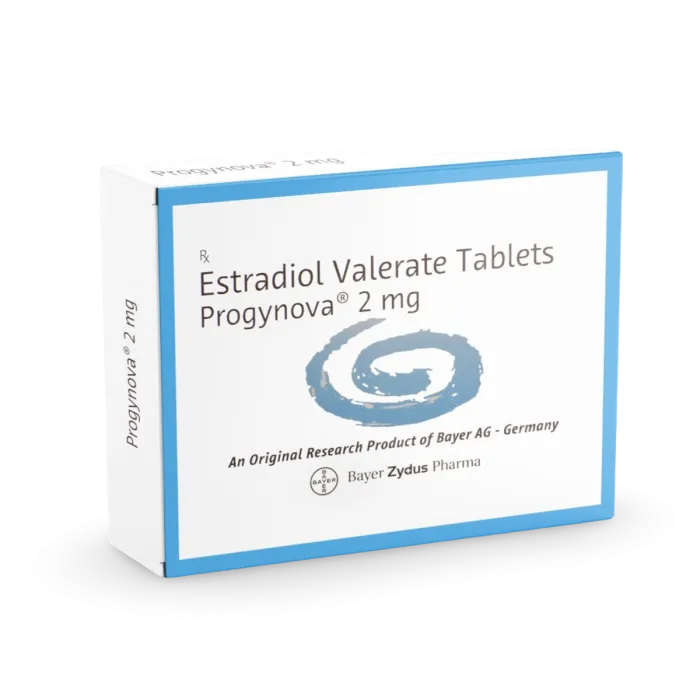
Progynova 2 mg

Oestrogel 2.5 gm / 1.5 mg

Estrabet 2 Tablet
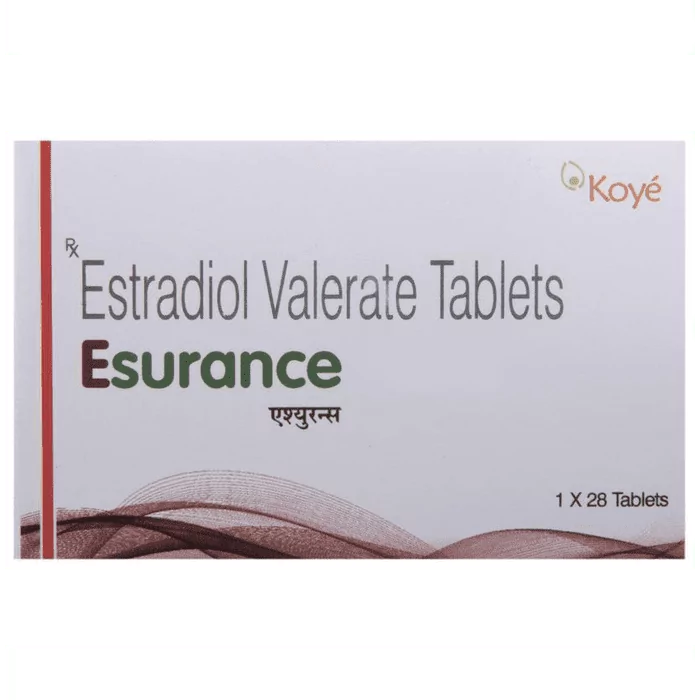
Esurance Tablet
Factors Influencing Menopause Duration
Various factors influence the duration of Menopause, each playing a unique role in shaping this transitional phase for women.
Family history frequently has an impact on the length of Menopause, and genetics becomes a major factor.
Lifestyle choices, such as diet and exercise, also contribute to Menopause duration.
Certain medical conditions and treatments, including surgeries and cancer therapies, can cause women to have early menopause. .
Overall health and stress levels further affect the transitional period.
Healthy lifestyle choices, like a balanced diet, exercise, and stress management, are essential for managing the duration and symptoms of Menopause.
Self-care for Menopause can also help, but individualized medical advice is important during this phase of life.
Common Symptoms During Menopause
Symptoms associated with Menopause can vary both physically and emotionally from person to person.
Hot flashes, characterized by severe sensations of heat, are common and frequently cause sleep disturbances at night.
Mood swings, irritability, and increased emotional sensitivity are common in women.
Common issues affecting intimacy are dry vagina and changes in libido.
Furthermore, irregular menstrual cycles are a sign of Menopause due to fluctuations in Estrogen levels.
Another psychological symptom is “menopausal fog,” or difficulty concentrating.
Low estrogen levels for a long time increases risk of Osteoporosis and cardiovascular disease.
Menopause reduces bone density, increasing fracture risk.
Hormonal changes affect lipid profiles, impacting cardiovascular health.
Women need to recognize and manage these symptoms as they navigate the menopausal transition.
Managing Menopause
The key elements for managing menopausal symptoms are keeping a healthy diet, exercising frequently, and focusing on a balanced lifestyle.
Targeted relief can also be obtained by exploring treatments for Menopause with the assistance of a doctor.
Getting enough sleep and practicing stress reduction are essential for reducing common problems like mood swings and hot flashes.
Having a supportive environment and prioritizing emotional health through counseling or meditation can improve the menopausal experience.
Want to learn more about natural treatments for Menopause? Read “natural remedies for Menopause”
Conclusion
Menopause is the permanent end of menstruation, marking the end of the reproductive years.
How long does Menopause last depends on genetics and lifestyle factors.
During perimenopause, the body produces less estrogen which can last up to a decade.
Menopause marks the end of a woman’s menstrual cycle for a continuous period of 12 months.
Postmenopause is the stage after menopause where symptoms may last for 4-5 years but tend to improve over time.
Effective ways to manage menopausal symptoms are a balanced diet, regular exercise, and a healthy lifestyle.
Women must seek individualized guidance from doctors to ensure an effortless transition to this phase of life.

Frequently Asked Questions
Are there emerging trends or treatments that may impact the duration of Menopause?
Yes, ongoing research explores emerging trends and treatments for Menopause.
Hormone Replacement Therapy (HRT) advancements, lifestyle modifications, and personalized healthcare approaches show promise in positively influencing the duration of Menopause.
Consultation with a doctor can provide the latest information on these evolving options personalized to individual needs.
Does the duration of Menopause impact long-term health?
Yes, the duration of Menopause can influence long-term health.
Continuous hormonal changes during Menopause may affect bone density, heart health, and overall well-being.
Managing symptoms and adopting a healthy lifestyle can positively impact long-term health outcomes. Thus emphasizing the importance of proactive health measures during and after Menopause.
How long does male Menopause last?
Male Menopause, often termed Andropause, involves a gradual decline in Testosterone levels.
Unlike female Menopause, it doesn’t have a clearly defined endpoint.
Symptoms may continue for years. However, individual experiences vary, making it challenging to specify a precise duration.
How long does surgically induced Menopause last?
The duration of surgically induced Menopause varies, but it typically begins abruptly after surgical removal of the ovaries.
The intensity and duration of symptoms may differ among individuals.
Consulting with a doctor can provide personalized insights into managing symptoms and optimizing well-being during this transitional phase.
What role do hormonal changes play in the duration of Menopause?
Hormonal changes significantly influence Menopause duration.
As a woman’s body adjusts to declining Estrogen levels, it triggers the onset and progression of Menopause.
Hormonal interplay during perimenopause and menopause varies based on individuals’ unique patterns.
Cheap Medicine Shop only refers to credible, authoritative sources for our content. If you’re curious about how we ensure the integrity of our content, we encourage you to read our Content Information Policy.
Recent Web Stories