
Menopause is a transitional stage in women’s lives, marked by hormonal changes that can cause various symptoms, including Menopause cramps.
Despite being frequently linked to menstruation, these cramps might continue or possibly get worse during the Menopausal years.
Understanding the causes and effective management strategies for Menopause cramps is essential for women’s health and well-being.
This article explores the complexities of Menopause cramps, exploring their impact on daily life and providing practical insights into their diagnosis and treatment.
Understanding Menopause Cramps
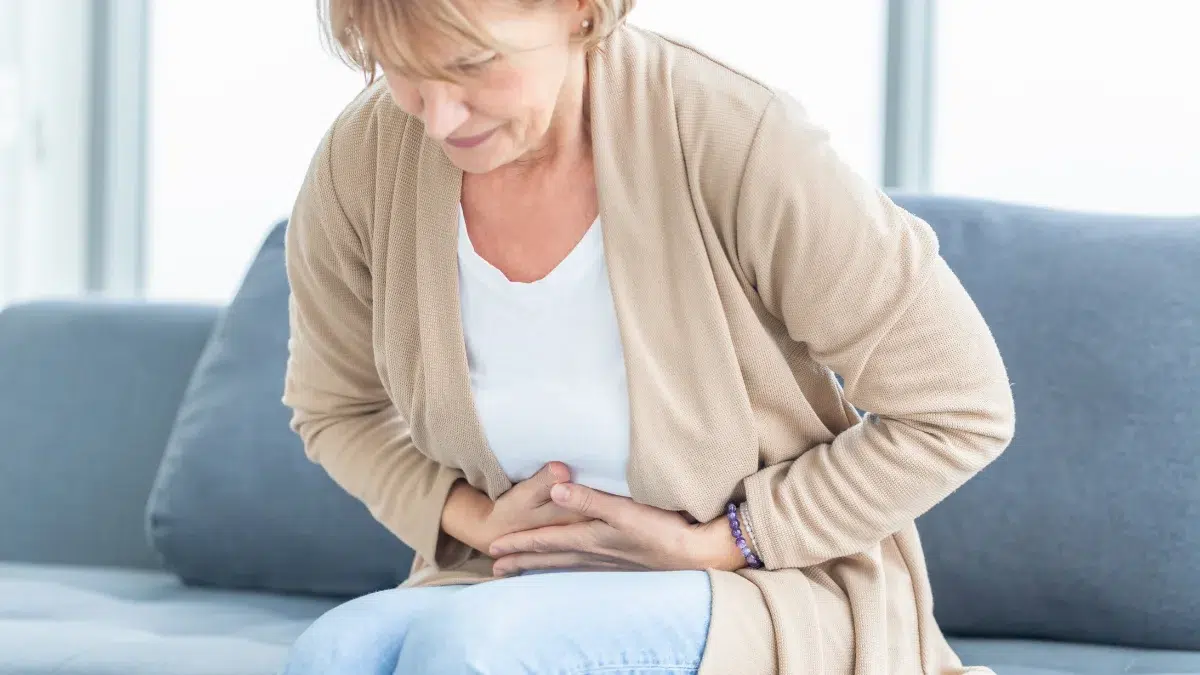
Menopause cramps often referred to as menstrual-like pain or discomfort, are a common symptom experienced by women during the Menopausal transition.
These cramps usually occur in the lower abdomen. However, they can also affect other body areas, such as the back and thighs.
These cramps can vary in intensity and may feel similar to menstrual cramps but occur without menstrual bleeding.
They are frequently brought on by hormone changes, especially a decrease in Estrogen, which can affect the pelvic region’s blood flow and muscle tone.
Factors like Obesity, Stress, and sedentary behavior can also influence Menopause cramp severity.
Changing one’s lifestyle to manage Menopause cramps may entail regular exercise, stress management strategies, and a balanced diet.
In some situations, medical treatments such as Hormone Replacement Therapy (HRT) or painkillers may be suggested to reduce symptoms and enhance quality of life.
Understanding the processes behind Menopause cramps is essential for effectively managing this symptom and improving the quality of life for women experiencing them.
Save up to 90% on your medicine bills
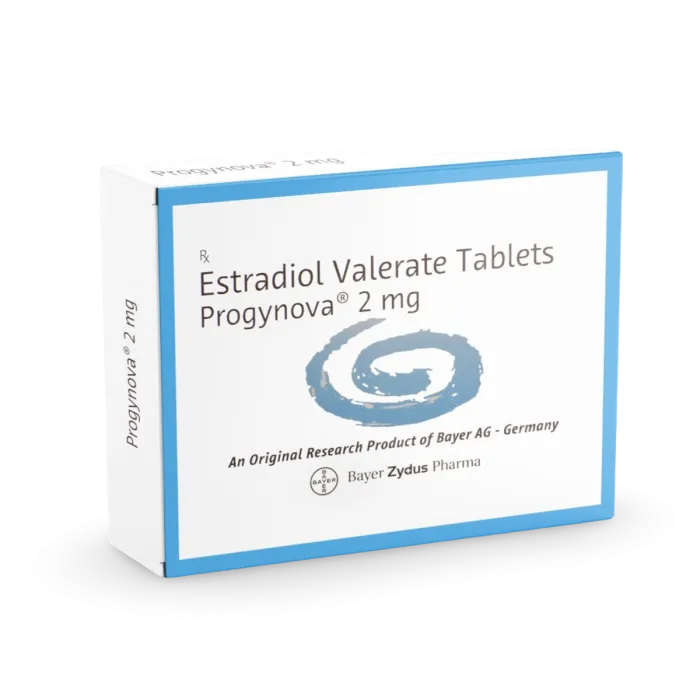
Progynova 2 mg

Oestrogel 2.5 gm / 1.5 mg

Estrabet 2 Tablet
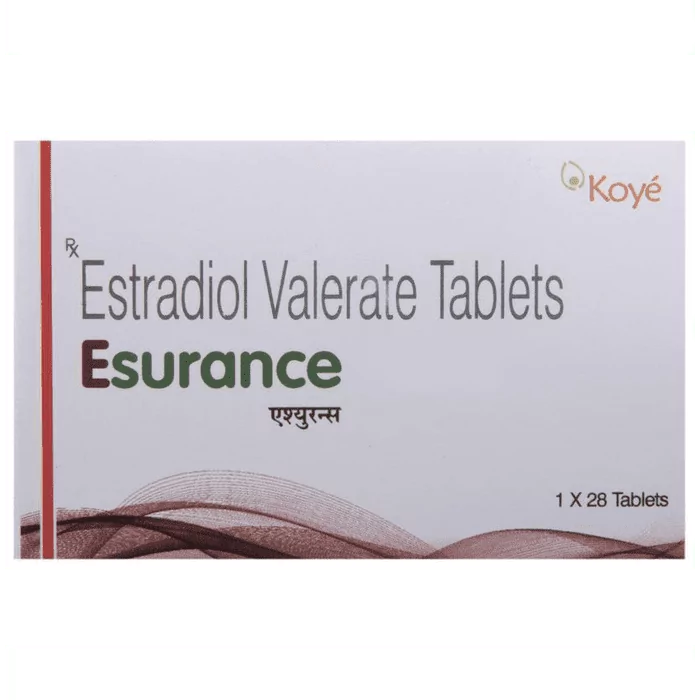
Esurance Tablet
Risk Factors and Diagnosis
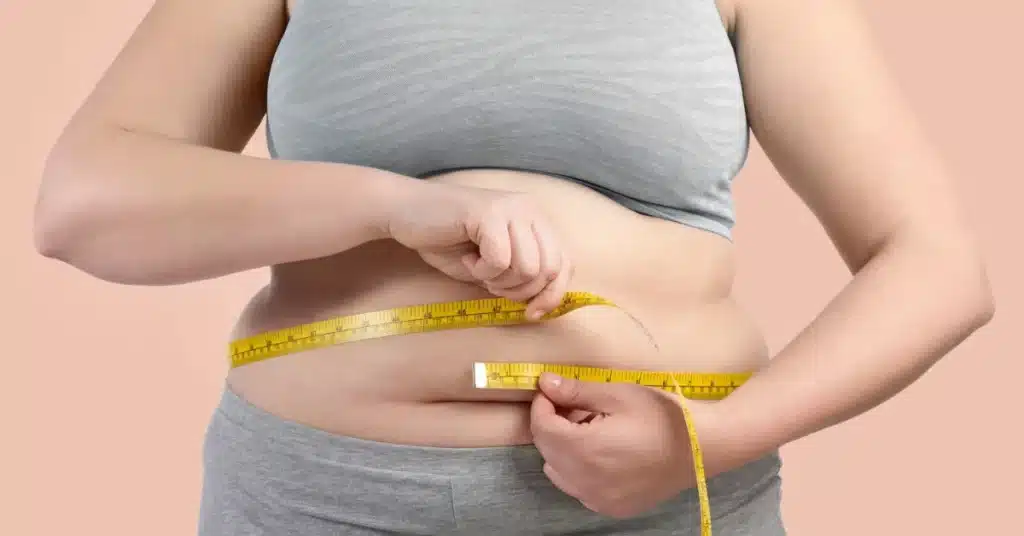 Source: Sciencephoto
Menopausal cramps can be more common and severe due to various factors such as decrease in Estrogen.
Obesity is a another significant risk factor, as weight gain can strain muscles and worsen cramping.
Lack of exercise can also worsen cramping and stiffness in the muscles.
Furthermore, because smoking has a negative impact on circulation and muscular health, it has been linked to early Menopause.
Moreover, women who suffer from specific medical diseases, such as Diabetes or Thyroid issues, may be at a higher risk of developing severe Menopausal cramps.
Diagnosing Menopause cramps typically involves a thorough medical history review and physical examination by a doctor.
Diagnostic tests, such as Transvaginal ultrasound scan, Hysteroscopy, Endometrial biopsy, Sonohysterography, and Dilation and curettage, may be recommended to rule out other underlying conditions.
Consulting a doctor is important for an accurate diagnosis and customized management strategies.
Wondering why are you gaining weight during Menopause? Read Understanding Why do Women Gain Weight During Menopause
Management and Treatment
Menopause cramps can be effectively managed through different techniques.
Lifestyle changes like regular exercise promote better circulation and relieve tense muscles.
A well-balanced diet high in Magnesium and Calcium may also decrease the severity of cramps.
Besides the natural approach, over-the-counter pain medicines such as Acetaminophen or Ibuprofen can help relieve temporary pain.
In more severe cases, Hormone Replacement Therapy (HRT) prescribed by a doctor can help regulate hormonal fluctuations associated with Menopause, thereby reducing cramps.
Furthermore, some people may benefit further from complementary therapies like Acupuncture or herbal supplements.
It’s essential to consult a doctor to determine the most suitable treatment approach based on individual needs and medical history.
Conclusion
Menopause is a biological process that affects women, characterized by hormonal changes that can lead to symptoms such as cramps.
Menopause cramps occur due to hormonal fluctuations, especially decreased Estrogen levels.
Menstrual cramps can affect the lower abdomen, back, and thighs.
Diagnostic tests may be recommended to rule out underlying conditions, such as Transvaginal ultrasound, Hysteroscopy, Endometrial biopsy, Sonohysterography, and Dilation and curettage.
Obesity, lack of exercise, smoking, and certain medical conditions like Diabetes and thyroid issues can increase the risk of severe Menopausal cramps.
To reduce Menopause cramps, try regular exercise, a balanced diet rich in Magnesium and Calcium, over-the-counter pain meds, and complementary therapies like Acupuncture or herbs.

Frequently Asked Questions
How can I differentiate Menopause cramps from other abdominal pains?
Differentiating Menopause cramps from other abdominal pains involves noting their timing and intensity.
Menopause cramps typically occur irregularly and are often milder than those associated with conditions like Appendicitis.
Consult a doctor for a proper diagnosis to rule out underlying health issues.
Do Menopause cramps affect sleep quality?
Yes, Menopause cramps can affect sleep quality.
The discomfort and pain associated with cramps may make it challenging for women to fall asleep or stay asleep through the night.
Seeking medical advice and exploring treatment options can help improve sleep quality and overall well-being during Menopause.
Can Menopause cramps be a sign of a more serious health issue?
Yes, Menopause cramps can sometimes signal underlying health concerns.
While they’re often a normal part of Menopause, persistent or severe cramps could indicate conditions like Endometriosis, fibroids, or Ovarian Cysts.
It’s important to consult a doctor for proper evaluation and diagnosis if you’re experiencing unusual or concerning symptoms.
Are there certain foods that can worsen Menopause cramps?
Yes, certain foods can worsen Menopause cramps.
High fat, caffeine, alcohol, and spicy foods may increase inflammation and worsen symptoms.
Limiting these foods and focusing on a balanced diet of fruits, vegetables, whole grains, and lean proteins is advisable to help manage Menopause cramps effectively.
Can Stress worsen Menopause cramps?
Yes, Stress can worsen Menopause cramps.
High Stress levels can lead to muscle tension and hormonal imbalances, which may increase the intensity and frequency of cramps during Menopause.
Managing Stress through relaxation techniques, exercise, and mindfulness can help relieve symptoms and improve overall well-being.
Cheap Medicine Shop only refers to credible, authoritative sources for our content. If you’re curious about how we ensure the integrity of our content, we encourage you to read our Content Information Policy.
Recent Web Stories