


Menopause is a natural stage that brings about several changes to a woman’s life.
One of the most common challenges during this phase is discomfort during sexual intercourse.
This happens due to a prevalent symptom of Menopause known as vaginal dryness.
This symptom significantly affects the general well-being of females irrespective of their sexual activity.
Hence, getting a better understanding of Menopause and vaginal dryness is vital to seeking proper treatment.
Let us begin with the article to learn more about Menopause Vaginal Dryness.
Understanding Menopause Vaginal Dryness
Vaginal dryness occurs when the vaginal walls fail to generate enough natural lubrication.
Typically, your vagina is lubricated with fluid, keeping its lining thick and elastic.
However, during Menopause, the vaginal tissues become dry, thin, and lack moisture.
This results in discomfort and pain, particularly during sexual activity.
It is estimated that vaginal dryness post-Menopause is experienced by over half of the women globally.
Medically, this condition is known as Vaginal Atrophy.
A possible cause behind this condition is the decline in Estrogen as Perimenopause approaches.
This decline may lead to a variety of Menopause symptoms besides vaginal dryness.
For instance, women often complain of vaginal tightness or soreness, along with hot flashes and weight gain during Menopause.
Such symptoms collectively contribute to reduced sex drive among women.
However, it is possible to improve your sex drive during and after Menopause.
If you are interested in learning in-depth about sex drive after Menopause, Read Finding Out: Does Sex Drive Return After Menopause.
Save up to 90% on your medicine bills
Progynova 2 mg

Oestrogel 2.5 gm / 1.5 mg

Estrabet 2 Tablet
Esurance Tablet
Symptoms of Vaginal Dryness During Menopause
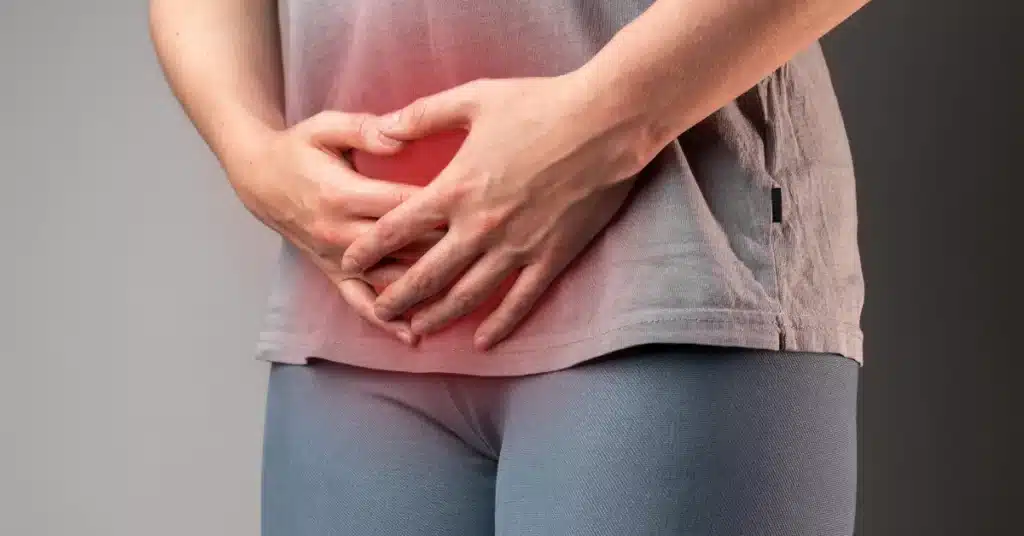 Source: Pixelshot
The symptoms of Vaginal Atrophy during Menopause may include:
- Reduced vaginal lubrication, especially during intercourse
- Tightness in the vaginal opening
- Itching
- Burning and discomfort during intercourse
- Bleeding post intercourse
- Soreness in your vulva
- Vaginal discharge
- Constant urgency or pain during urination
- Urinary Tract Infections (UTIs)
Even without sexual intercourse, this condition can lead to overall discomfort and uneasiness during daily activities like walking.
Also, note that the exact symptoms may vary in presentation and severity among individuals.
Menopause Vaginal Dryness Treatment
The sense of shame and intimacy surrounding the subject of Vaginal Atrophy makes it harder to seek medical help for many women.
However, it is essential to consult a doctor to diagnose and treat this symptom effectively.
They may suggest low-dose Estrogen creams or tablets to replace the lack of Estrogen in the body.
Vaginal Estrogen is another popular Menopause treatment for symptoms like vaginal dryness.
It involves supplementing Estrogen directly into the vagina to treat the deficiency.
Alternatively, they may prescribe Ospemifene (Osphena), an oral medication classified as a Selective Estrogen Receptor Modulator (SERM).
It is approved by the Food and Drug Administration (FDA) to treat painful intercourse related to Vaginal Atrophy effectively.
Additionally, consider using vaginal lubricants to reduce pain and burning during sexual intercourse.
For more such tips on better sex after Menopause, Read The Best Sex After Menopause Tips: Revealed.
Conclusion
Menopause is a biological stage that leads to numerous discomforting symptoms among women.
Vaginal dryness is one such prevalent symptom that leads to sexual discomfort among women.
It results from the declining Estrogen levels during Menopause.
Menopause vaginal dryness may show up as pain, burning, and itching during intercourse, along with soreness or tightness.
It is vital to consult a certified doctor to treat this condition effectively.
After assessing various factors, they may suggest Estrogen replacement using rings, creams, or tablets.
Additionally, consider using vaginal lubricants for better sexual intercourse after Menopause.

Frequently Asked Questions
Does Menopause dryness go away?
No, Menopause dryness usually persists for most women.
However, it can be managed with treatments like lubricants, moisturizers, and Hormone Therapy.
Consult your doctor for personalized guidance on managing such symptoms.
What is the best cream for Menopause dryness?
The best cream for menopause dryness depends on individual preferences and needs.
Options include vaginal moisturizers, lubricants, or hormone-based creams.
Consult your doctor for personalized recommendations.
How can I increase lubrication during Menopause?
To increase lubrication during Menopause, try using water-based or silicone-based lubricants during sexual activity.
Additionally, staying hydrated, incorporating healthy fats into your diet may help alleviate vaginal dryness.
Is coconut oil a good lubricant for Menopause?
Yes, coconut oil may serve as a good lubricant during Menopause for some individuals.
However, it is not compatible with latex condoms and may not be suitable for everyone.
Therefore, it is essential to test it out and ensure it works well for you.
What fruit can boost wetness?
Fruits like watermelon, cucumber, and oranges, which have high water content, can help hydrate the body and potentially improve vaginal lubrication.
However, individual responses may vary, so it is recommended to consult a doctor.
Cheap Medicine Shop only refers to credible, authoritative sources for our content. If you’re curious about how we ensure the integrity of our content, we encourage you to read our Content Information Policy.
Recent Web Stories