

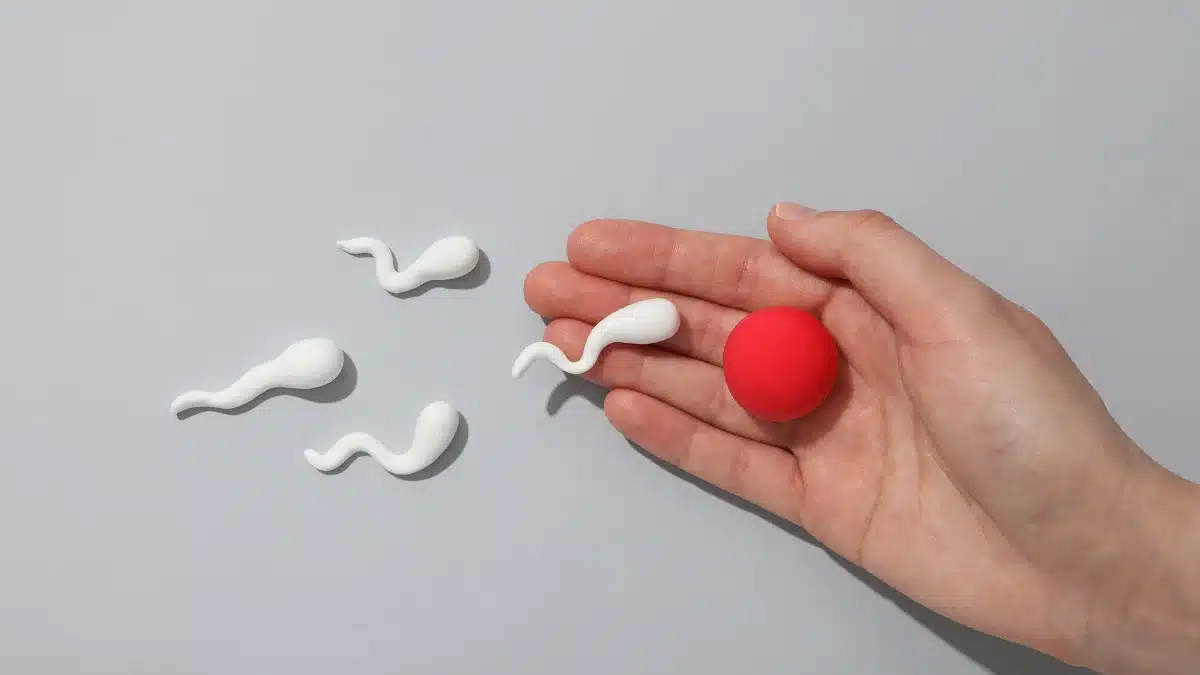
Ovulation refers to the release of eggs from one’s ovary, which plays an important role in a woman’s reproductive health.
Ovulation normally takes place 14 days before the start of the next menstrual period in a 28-day menstrual cycle.
When it comes to family planning, understanding when ovulation occurs after a period is essential for people managing their fertility.
This article explores the details of ovulation after period, addressing the likelihood of ovulation right after menstruation.
Ovulation After Period
Ovulation after the period refers to when an egg is released from the ovary following the menstrual bleeding.
It typically occurs midway through the menstrual cycle, marking the transition from the follicular to luteal phases.
Understanding when ovulation occurs after the period is important for individuals trying to conceive, as it represents the most fertile window in the menstrual cycle.
Hormonal variations and cycle length are two factors that affect when ovulation occurs.
Ovulation symptoms analysis is an important factor for conception.
Symptoms include increased body temperature, bloating, breast tenderness, cramps, spotting, and heightened sex drive.
To know more about the signs and symptoms of ovulation, Read Decoding Ovulation Symptoms: A Key to Fertility
Save up to 90% on your medicine bills

Naprosyn 500 mg

Brufen 400 mg
Progynova 2 mg

Oestrogel 2.5 gm / 1.5 mg
Ovulation Days After Period: Understanding the Window of Fertility
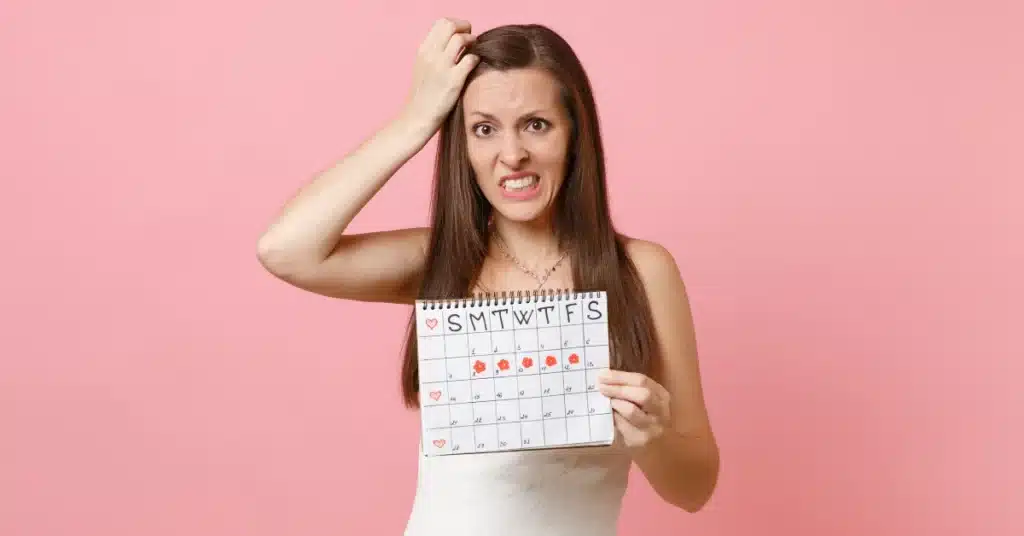 Source: Freepik
The fertile window is the period in a menstrual cycle when a woman is most likely to become pregnant.
It occurs six days before ovulation, which usually happens 14 days before the next menstrual period.
Pregnancy is most likely to occur if sexual intercourse happens during this six-day period.
During this time, sperm can survive for several days in the female reproductive tract, waiting for the egg to be released.
To identify your fertile days, consider using methods such as tracking your menstrual cycle, monitoring basal body temperature, and observing changes in ovulation discharge.
Ovulation strips can also help pinpoint the most fertile time in your cycle by detecting hormonal changes associated with ovulation.
For additional information about ovulation tests, read Ovulation Tests: Understanding Their Working and Benefits
Ovulation Right After Period: Myth or Reality
Ovulation typically occurs around the midpoint of the menstrual cycle, approximately 14 days before the start of the next period in a regular 28-day cycle.
The likelihood of ovulating right after the period is low due to the physiological processes involved in the menstrual cycle.
After menstruation, the body undergoes a series of hormonal changes that prepare for ovulation, including a rise in Estrogen levels and the development of a mature egg in the ovary.
Scientific understanding suggests that ovulation timing is more complex than commonly believed and differs on an inter- and intra-individual level.
Therefore, while it is theoretically possible to conceive shortly after menstruation, the probability is considerably lower compared to the fertile window closer to ovulation.
Conclusion
Ovulation happens midway through the menstrual cycle after menstrual bleeding, marking the transition from follicular to luteal phases.
Hormonal fluctuations and the length of the menstrual cycle influence the occurrence of ovulation.
The fertile window is the six-day period before ovulation, which occurs 14 days before the next menstrual period.
Sexual intercourse during this time increases the chances of pregnancy.
Ovulation predictor kits detect hormonal changes to pinpoint ovulation after period.
Although it is possible to get pregnant shortly after menstruation, the chances are significantly lower compared to the fertile window closer to ovulation.
Accurate knowledge of ovulation timing is important for informed fertility and contraception decisions.

Frequently Asked Questions
What should I do if I’m not ovulating regularly after my period?
If you’re not ovulating regularly after your period, consult a doctor.
They can assess your reproductive health and determine potential causes, such as hormonal imbalances or underlying conditions.
Treatment options may include lifestyle changes, medication, or fertility interventions tailored to your specific needs, aiming to restore regular ovulation.
Can certain medications affect ovulation after menstruation?
Yes, certain medications can affect ovulation after menstruation.
Some medicines, like certain types of birth control pills or medications used to treat infertility, can alter hormonal balance and impact ovulation timing.
It’s essential to consult a doctor for guidance on how medications may affect ovulation and fertility.
How can I increase my chances of ovulating after my period?
Focus on maintaining a healthy lifestyle to increase your chances of ovulating after your period.
This includes eating a balanced diet, managing stress levels, exercising regularly, and ensuring adequate sleep.
Additionally, tracking your menstrual cycle and identifying fertile days can optimize the timing for conception.
Are there any lifestyle factors that influence ovulation timing post-period?
Yes, several lifestyle factors can affect ovulation timing after your period. These include diet, exercise, stress levels, and sleep patterns.
Maintaining a healthy lifestyle with balanced nutrition, regular physical activity, stress management, and sufficient sleep can promote regular ovulation.
Can breastfeeding affect ovulation after menstruation?
Yes, breastfeeding can delay ovulation after menstruation due to the hormone Prolactin, which inhibits ovulation. This is known as Lactational Amenorrhea.
However, ovulation can still occur unpredictably, so it’s not a reliable method of contraception.
Consult a doctor for effective birth control options while breastfeeding.
Cheap Medicine Shop only refers to credible, authoritative sources for our content. If you’re curious about how we ensure the integrity of our content, we encourage you to read our Content Information Policy.
Recent Web Stories