

PCOS is a common disorder among women of reproductive ages that leads to irregular menstrual cycles.
This condition often results in symptoms such as facial hair, weight gain, and acne.
However, some individuals may experience certain rare symptoms of PCOS, such as night sweats.
So, how does PCOS cause night sweats? And what are the management techniques available for PCOS night sweats?
To answer these common questions about PCOS night sweats, let us proceed with this article.
What are PCOS Night Sweats
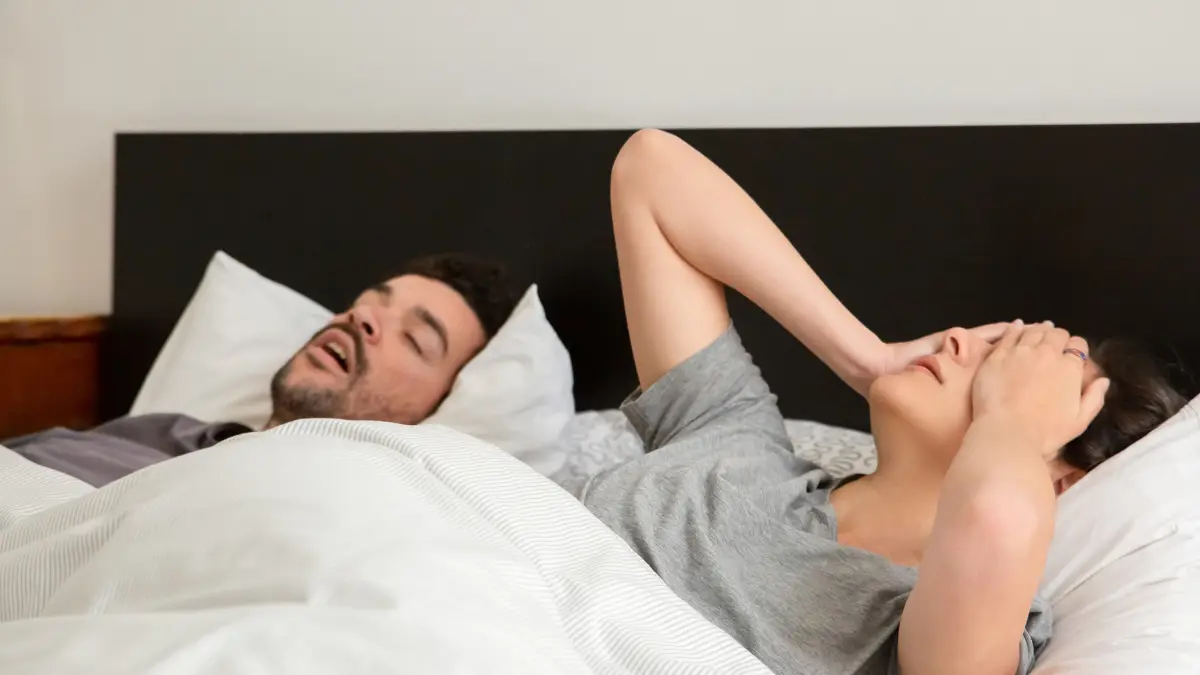
Night sweats refer to sessions of excessive sweating during sleep, often soaking night clothes and bedding.
Although night sweats are not commonly associated with Polycystic Ovarian Syndrome (PCOS), some individuals may experience such rare PCOS symptoms.
Research suggests that women with PCOS often sweat more and faster as compared to women without PCOS.
Additionally, the hormonal disruptions caused by PCOS may lead to sleep disturbances among women, possibly resulting in night sweats.
In most cases, women experience night sweats only during their perimenopause or menopause years.
During these phases, there is a reduction in estrogen hormone levels in women, leading to symptoms like hot flashes, night sweats, and irritability.
Moreover, the symptoms of menopausal stages may worsen further if PCOS persists until menopause in women.
To learn more about the effects of PCOS during menopause, read Menopause and PCOS – A Comprehensive Guide.
Save up to 90% on your medicine bills

Glycomet 250 Mg

Aldactone 25 Mg

Aldactone 100 Mg

Carmel Organics Ashwagandha Extract Tablets
How to Stop PCOS Night Sweats
Stopping PCOS night sweats entirely might not be possible for every individual.
However, the severity and frequency of these night sweats can be managed through various strategies.}
Let us learn about the methods to manage the occurrence of night sweats due to PCOS.
Medications
The most important step in managing PCOS night sweats is addressing the underlying hormonal imbalances using medications.
Therefore, it is important to consult a doctor to get prescription-based medications for PCOS, including birth control measures and anti-androgen pills such as Metformin.
These medications are aimed at balancing hormone production in the body and reducing the elevated levels of Androgen.
Among the birth control measures, most women opt to take pills due to the added convenience. To learn how to choose birth control pills for PCOS, read Choosing the Best Birth Control for PCOS.
Workouts
Exercising regularly may contribute to better temperature control during sleep and improve sleep quality.
Consider including workout for PCOS in your schedule to promote weight loss and help manage the hormonal fluctuations causing night sweats.
Moreover, adding yoga to your routine may help alleviate Anxiety due to PCOS, resulting in better sleep.
However, certain exercises may not be appropriate for individuals with PCOS. Therefore, it is advisable to consult with your doctor regarding your PCOS exercise regimen.
To learn more about exercises that may be unsuitable for PCOS, read “worst exercise for PCOS.”
Conclusion
PCOS is a serious hormonal disorder that affects women of reproductive ages.
Night sweats are one of the rare symptoms of this condition caused due to hormonal fluctuations.
Generally, most women experience night sweats in their menopausal or perimenopausal stages of reproductive cycles.
However, PCOS may extend into these stages and make certain symptoms, such as night sweats, worse.
To effectively address night sweats due to PCOS, it is important to consult a doctor to get prescription-based medications for PCOS.
These medications, such as birth control pills and Metformin, may help balance the hormonal imbalances in the body, resulting in reduced night sweats.
Additionally, working out regularly may also help manage excessive sweating due to PCOS.
Buy Fertomid 25 Mg (Clomiphene Citrate) – a trusted medication for PCOS now!

Frequently Asked Questions
Does PCOS cause excessive sleeping?
No, PCOS does not typically have excessive sleeping as a primary symptom.
However, some individuals with PCOS may experience sleep disturbances or disruptions that can impact the overall quality and duration of sleep. Buy Now
How does PCOS affect sleep quality?
PCOS can impact sleep quality through various mechanisms, leading to sleep disturbances and challenges.
This reproductive disorder leads to hormonal fluctuations and metabolic imbalances in the body, which may significantly impact sleep quality. Buy Now
How much sleep does someone with PCOS need?
Generally, it is recommended for adults, including those with PCOS, to get at least 7-9 hours of sleep.
However, the amount of sleep needed for someone with PCOS, or for anyone, varies based on individual factors and age. Buy Now
What are the unusual symptoms of PCOS?
Some unusual symptoms of PCOS include hair loss, darkening of skin, headaches, and sleep disturbances.
It is important to consult a doctor if you experience any of these symptoms due to PCOS. Buy Now
Does PCOS cause overactive sweat glands?
No, PCOS does not directly cause overactive sweat glands.
However, some individuals may experience excessive sweating with PCOS due to other factors associated with the condition.
These factors include weight gain and high levels of Androgen hormone. Buy Now
Cheap Medicine Shop only refers to credible, authoritative sources for our content. If you’re curious about how we ensure the integrity of our content, we encourage you to read our Content Information Policy.
Recent Web Stories