

Polycystic Ovary Syndrome (PCOS) not only affects your health but can take a toll on all aspects of your life.
It can have several health implications, like fatigue and irregular menstrual cycle.
Along with these, it can affect your mental health, which can impair your ability to perform daily activities.
One of the most serious complications of PCOS is infertility.
While millions of women globally are affected by PCOS, it becomes increasingly important to treat the condition.
This is a comprehensive guide for PCOS treatment for women planning pregnancy as well as those who are not planning a pregnancy.
How is PCOS Treated
Polycystic Ovary Syndrome is a condition that affects women’s hormone levels. The imbalance in hormone levels can result in irregular periods, acne, excess facial hair, and other issues.
PCOS can also be a risk factor for many health conditions, including high blood pressure and Diabetes.
Approximately 8 to 13% of women of reproductive age are affected by PCOS worldwide.
PCOS treatment depends on the symptoms, other health conditions, and whether you plan to get pregnant.
The treatment can include lifestyle changes, medications, or a combination of both. Consult a healthcare specialist who can help you determine a suitable course of treatment.
To learn more about how and why PCOS causes acne, read PCOS Acne: Find the Relation Between PCOS and Acne
Save up to 90% on your medicine bills

Glycomet 250 Mg

Aldactone 25 Mg

Aldactone 100 Mg

Carmel Organics Ashwagandha Extract Tablets
PCOS Treatment for Women Not Planning Pregnancy
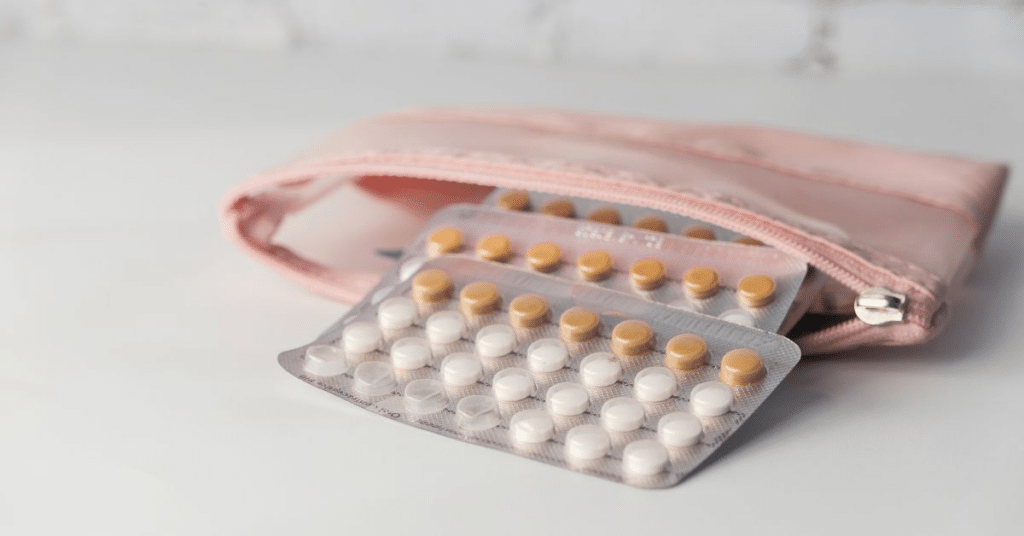 Source: towfique_ahamed
For women who are not planning a pregnancy, the treatment of PCOS often focuses on regulating the periods and managing other symptoms.
The treatment for women not planning to get pregnant may include:
Hormonal Birth Control: These are available in various forms, including birth control pills, patches, shots, a vaginal ring, and an Intrauterine Device (IUD).
Hormonal birth control can regulate the menstrual cycle and also help with menstrual blood loss.
Insulin-sensitizing Medicine: These medicines, especially Metformin, are widely accepted therapies for PCOS.
Insulin-sensitizing medicine can restore ovulation and periods, increase pregnancy rates, and improve reproductive abnormalities.
Androgen-blocking Medications: Many women with PCOS usually have high Androgen levels, which causes acne and excess hair growth.
Taking Androgen-blocking medications can help suppress Androgen levels and treat PCOS.
Lifestyle changes: Women with PCOS can reduce weight and improve BMI (Body Mass Index) and Androgen levels through lifestyle changes.
These lifestyle changes may include regular workouts and a healthy PCOS diet.
PCOS Treatment for Women Planning Pregnancy
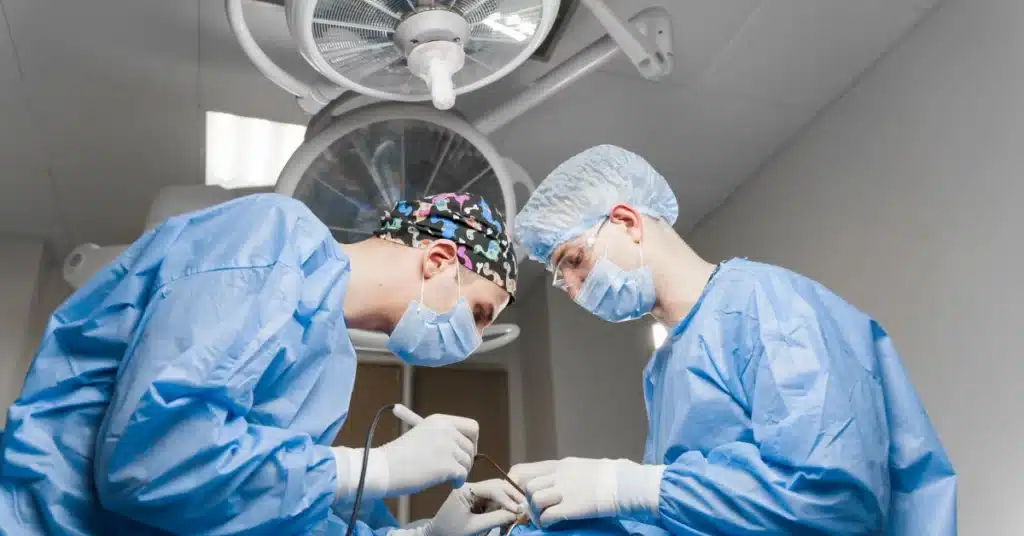 Source: Rabizo_from_Getty_Images
For women who are planning to get pregnant, improving fertility becomes the key focus. The PCOS treatment for women planning to get pregnant may include:
Ovulation-inducing Drugs: Ovulation (the release of an egg) marks the beginning of a successful pregnancy.
Several medications like Clomiphene have been known to induce ovulation. While Clomiphene is taken orally, other medicines are also available as injections.
Surgery: A surgical procedure can aid in restoring ovulation by removing the tissue that produces Androgen. Surgery is rarely recommended with the advent of newer medications.
In Vitro Fertilization (IVF): IVF is usually considered when medications for PCOS prove ineffective.
In such cases, the doctor fertilizes your egg with your partner’s sperm in a lab, which is then placed in the uterus.
Lifestyle Changes: Sometimes, simple modifications in daily habits like a fertility-friendly diet and maintaining a healthy weight can restore ovulation.
Doctors usually recommend these lifestyle changes in combination with medical treatments.
Can PCOS be Cured
No, PCOS is a chronic illness that cannot be cured. However, PCOS symptoms can be managed effectively with the help of treatments.
Many women with PCOS lead fulfilling lives by managing their symptoms effectively through treatments for PCOS.
PCOS symptoms vary from person to person because of which two people may respond to the same treatment differently.
For this reason, it is essential to consult a healthcare provider to determine a suitable treatment based on your symptoms.
Final Outlook
Polycystic Ovary Syndrome is a chronic condition that affects women’s hormones. A hormonal imbalance can disrupt your life in all aspects by impacting your physical and mental health.
PCOS affects millions of women worldwide and causes symptoms like irregular periods, acne, and infertility.
Though PCOS cannot be cured, effective management of PCOS symptoms through treatment can help.
The treatment may depend on your symptoms, prevailing health conditions, and whether you plan to get pregnant.
For women who are not planning a pregnancy, hormonal birth control is a convenient and effective treatment. Other PCOS treatment options may include insulin-sensitizing medicine, androgen-blocking medicine, and lifestyle changes.
PCOS treatments for women who are planning to get pregnant usually focus on improving fertility by restoring ovulation.
IVF or surgery may be considered when medications prove ineffective.
To manage the condition effectively, it is essential to consult a doctor if you have irregular periods or other symptoms.

Frequently Asked Questions
Are there natural remedies for PCOS treatment?
Yes, some women find relief from symptoms through lifestyle changes, including a balanced diet and regular exercise.
However, consult with a healthcare provider for personalized advice.
How long does PCOS treatment take to show results?
The time taken to show results varies, but positive changes from lifestyle adjustments may be noticeable in a few months.
It’s important to be patient and consistent with the treatment plan.
Can PCOS go away on its own?
No, PCOS typically doesn’t go away on its own. It is a chronic condition, but symptoms can be managed with proper treatment.
Is weight loss necessary for PCOS treatment?
No, maintaining a healthy weight is beneficial for PCOS management, but it’s not the only factor. Lifestyle changes and medications play crucial roles.
Is PCOS treatment different for adolescents compared to adults?
Treatment approaches for adolescents may consider age-related factors, but the core focus on lifestyle changes and symptom management remains similar.
Cheap Medicine Shop only refers to credible, authoritative sources for our content. If you’re curious about how we ensure the integrity of our content, we encourage you to read our Content Information Policy.
Recent Web Stories