
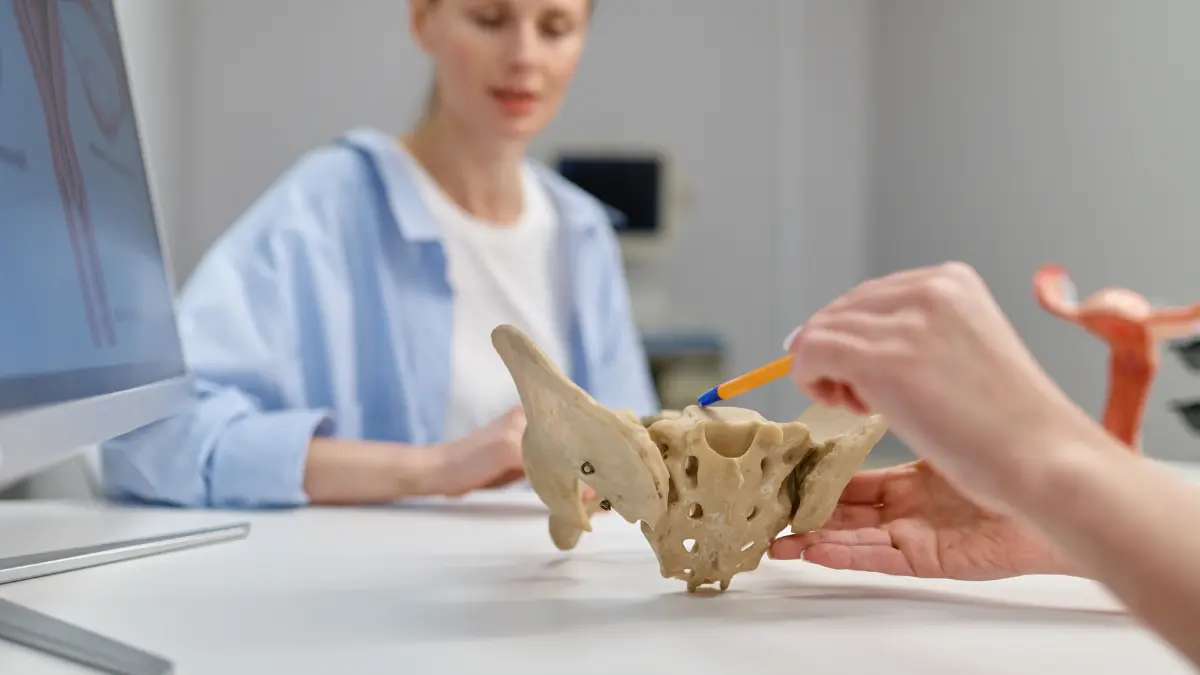
Polycystic Ovary Syndrome (PCOS) is a chronic hormonal condition affecting women that causes symptoms like fatigue, acne, and pain.
Pelvic pain in PCOS is a common concern for many women with the condition.
This PCOS symptom can be very problematic as it can make it difficult to exercise, focus, or stand or sit for long durations.
PCOS pain may also interfere with your daily life, which may start to affect your mental health and relationships.
Identifying the cause of this belittling pain and managing it with effective strategies is necessary to get back to your normal life.
This article will dive deep into the connection between pelvic pain and PCOS and how to manage it.
Link Between PCOS and Pelvic Pain
Polycystic Ovary Syndrome is a chronic condition that is generally a result of hormonal imbalances in the body.
Around 8 to 13% of women of reproductive age around the world have PCOS. However, many of these cases go undiagnosed.
Symptoms of PCOS can vary for each person. Some people may experience no symptoms at all, while others may experience severe symptoms. .
But can PCOS cause pelvic pain?
Research suggests that PCOS can raise the risk of Dysmenorrhea, Endometriosis, Endometrioma, and Irritable Bowel Syndrome. All these conditions are highly related to pelvic pain.
Approximately 27% of patients in another study complained of having pain and discomfort-related symptoms.
These PCOS-related cramps or pain in the pelvic area may be more evident during menstruation, ovulation, or sexual intercourse.
However, pain as a symptom of PCOS, in contrast to other symptoms like hair growth, has not been studied sufficiently.
Therefore, it is important to take additional care of pelvic pain from PCOS and seek medical advice for proper treatment.
Save up to 90% on your medicine bills

Glycomet 250 Mg

Aldactone 25 Mg

Aldactone 100 Mg

Carmel Organics Ashwagandha Extract Tablets
Recognizing Symptoms
 Source: Signautre_image
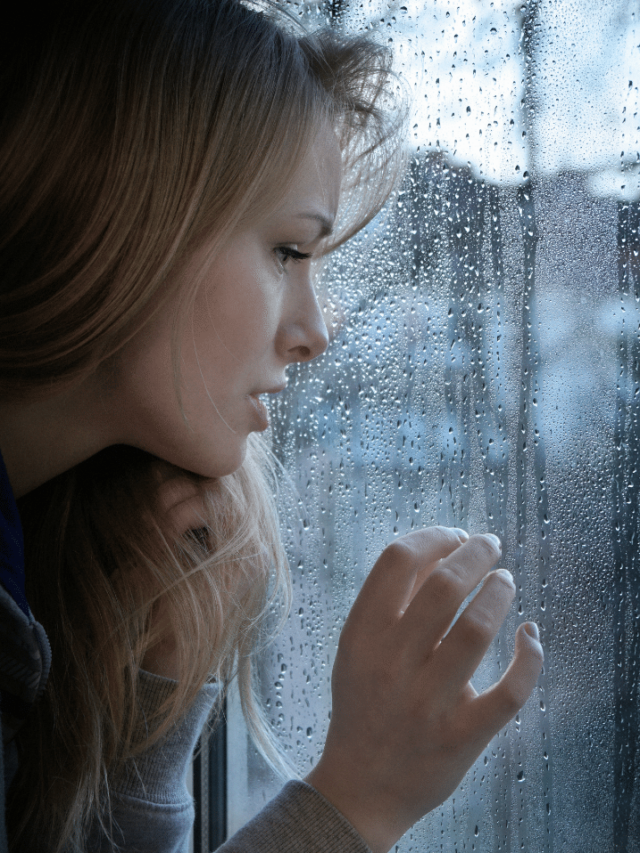
Pain in the pelvic area is a common symptom of many health conditions or can be due to menstruation. This can make it difficult to determine when the cause of such pain is PCOS.
However, recognizing the following symptoms of pelvic pain in PCOS may help you distinguish it from others.
- Dull or sharp pain in the lower abdomen
- Discomfort during menstruation
- Painful intercourse
- Painful bowel movements
Causes of Pelvic Pain in PCOS
Pelvic pain from PCOS can be a result of the following causes:
Ovulatory Dysfunction: Irregular ovulation, a hallmark of PCOS, can lead to pelvic pain as a result of cyst formation on the ovaries.
Inflammation: Chronic inflammation associated with PCOS may contribute to pelvic pain. Such inflammation in the body may also lead to Inflammatory PCOS.
Adhesions: Pelvic adhesions, often caused by cyst rupture or surgical interventions, can lead to pain. Adhesions are a band of scar tissue that joins two internal organs that are not usually connected
You should note that the presence of one or more of these factors does not necessarily mean that the cause of pelvic pain is PCOS.
Therefore, it is vital to seek a proper and thorough medical examination for a proper diagnosis.
Treating Pelvic Pain and PCOS
 Source: Signature_image
The treatment of pelvic pain from PCOS generally focuses on addressing the underlying issues, i.e., treating PCOS.
Such treatment may include the following strategies:
Lifestyle changes: Incorporating PCOS-friendly diets and workouts into your lifestyle may restore hormonal imbalance and reduce pelvic pain.
Medications: Metformin and Clomiphene are some first-choice medications for PCOS that induce ovulation and treat PCOS.
Over-the-counter pain medications may provide temporary relief from pain.
Pelvic floor physical therapy: This specialized therapy can relieve pelvic pain by addressing muscular imbalances and tension.
Natural treatments: Herbal teas, essential oils, and supplements are some natural treatments for PCOS that may help manage pelvic pain. Using a heating bag may also provide relief from pelvic pain.
Final Outlook
PCOS is a chronic condition that is often a result of hormonal imbalances in the body. It can cause symptoms like fatigue, acne, and cramps.
While some women may not have any PCOS symptoms, others may experience severe symptoms like pelvic pain.
PCOS can raise the risk of certain conditions like Irritable Bower Syndrome that are highly related to pelvic pain.
Such PCOS-related pain in the pelvic region may be more evident during ovulation, menstruation, or sexual intercourse.
Though pain as a symptom of PCOS has not been studied sufficiently, its possible causes may include ovarian cysts, inflammation, and adhesions.
Lifestyle changes such as diet and exercise along with medications may be a suitable course of PCOS treatment that may also relieve pelvic pain.
Herbal teas, essential oils, and heating pads may also have a soothing effect on pelvic pain in PCOS.
It is crucial to seek medical advice if you have severe pelvic pain or if it worsens over time.

Frequently Asked Questions
Can stress management practices improve pelvic pain in PCOS?
Yes, incorporating stress-reducing practices like yoga or meditation can be beneficial in alleviating pelvic pain in individuals with PCOS.
Is pelvic pain in PCOS constant, or does it come and go?
Pelvic pain in PCOS can vary. It may be constant for some individuals, while others may experience it intermittently.
Can losing weight help reduce pelvic pain in PCOS?
Yes, for some individuals, losing weight through a healthy diet and exercise may help alleviate pelvic pain associated with PCOS.
Follow a PCOS-friendly weight loss diet for effective results.
Are there specific foods that can worsen pelvic pain in PCOS?
Yes, certain inflammatory foods may worsen pelvic pain in PCOS. It’s advisable to limit the intake of processed foods and sugars.
Can hormonal birth control help manage pelvic pain in PCOS?
Yes,healthcare providers may prescribe hormonal birth control to regulate hormones and manage pelvic pain in individuals with PCOS.
Cheap Medicine Shop only refers to credible, authoritative sources for our content. If you’re curious about how we ensure the integrity of our content, we encourage you to read our Content Information Policy.
Recent Web Stories