
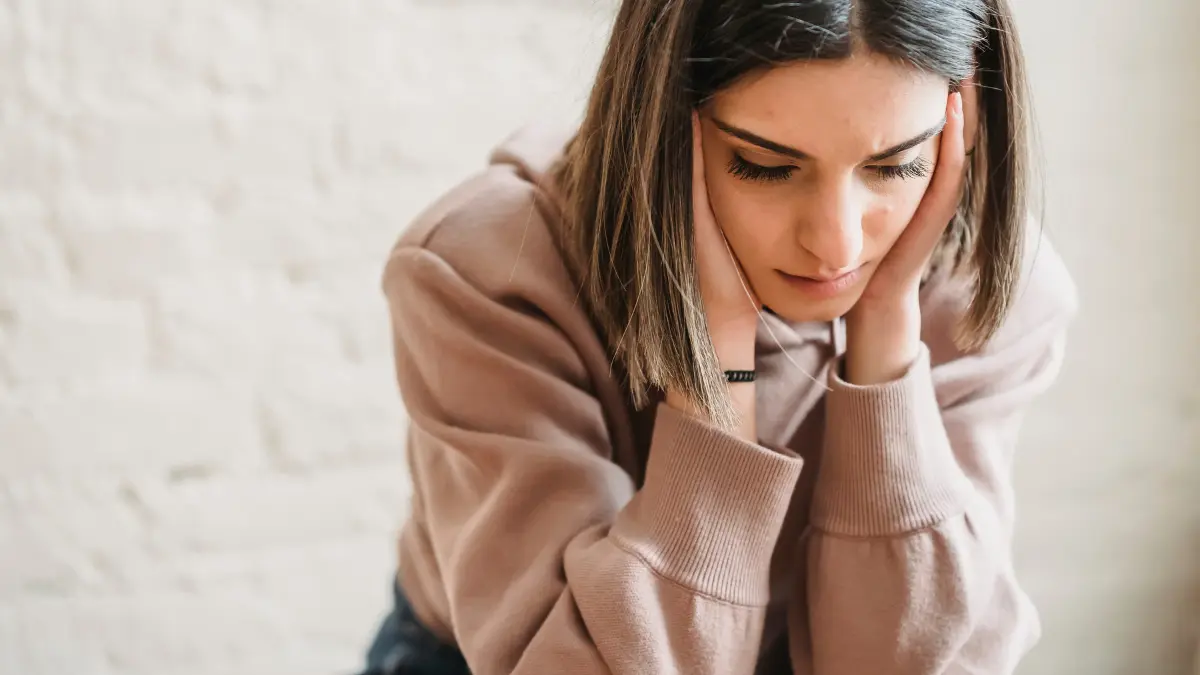
Although Premenstrual Syndrome (PMS) affects many women, not every person is aware of all its symptoms.
Apart from breast tenderness and cramps, not everyone knows much about PMS Depression.
People often hold a misconception that Depression and Premenstrual Syndrome are not connected to each other.
Since experiencing mood swings, irritability, and sadness are more common, the presence of Depression is often overlooked.
This article will discuss the connection between PMS and Depression, its effects, and its management.
Understanding the Science Behind PMS Depression
Depression during PMS is one of the symptoms of PMS and can severely affect the normal functioning of the individual.
A person may experience Depression during PMS due to several underlying factors.
According to a study, it happens due to the effect of Progesterone on one’s neurotransmitters like Serotonin.
Serotonin (happiness hormone) is one of the natural chemicals of one’s body and can regulate one’s mood.
In some cases, increased progesterone sensitivity often affects the preexisting Serotonin deficiency and can cause sadness and even Depression.
Individuals may experience Depression due to fluctuating hormones like Dopamine (feel-good hormone).
Since some people may also experience PMS due to alcohol intake, it may also result in Depression to some extent.
Save up to 90% on your medicine bills

Naprosyn 500 mg

Brufen 400 mg
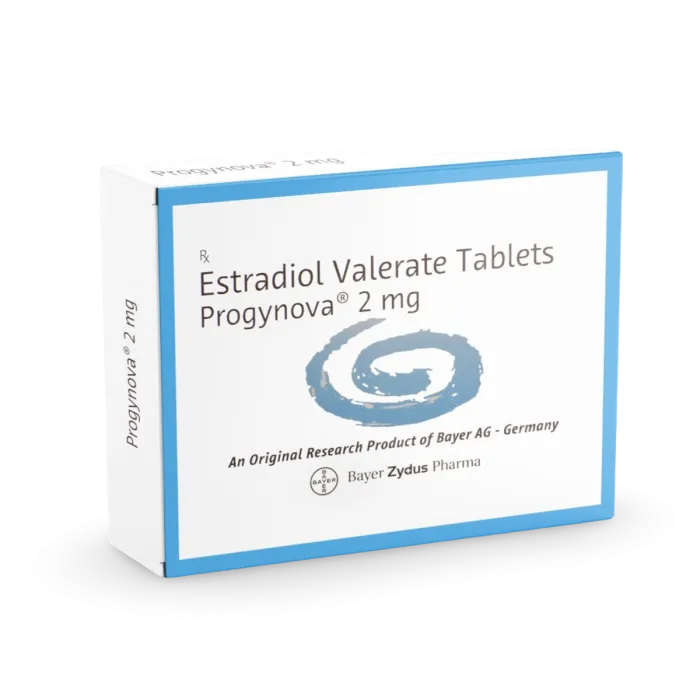
Progynova 2 mg

Oestrogel 2.5 gm / 1.5 mg
Effects of PMS Depression
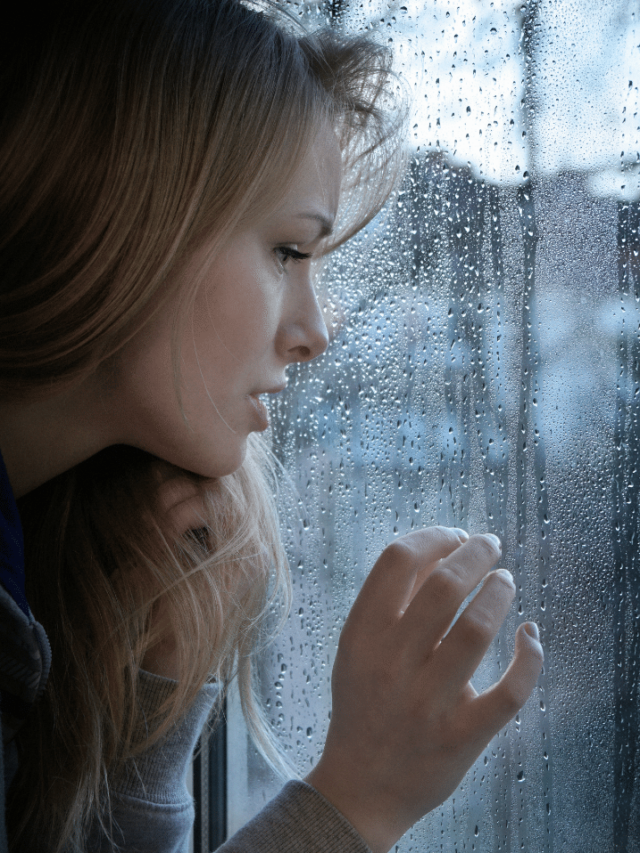
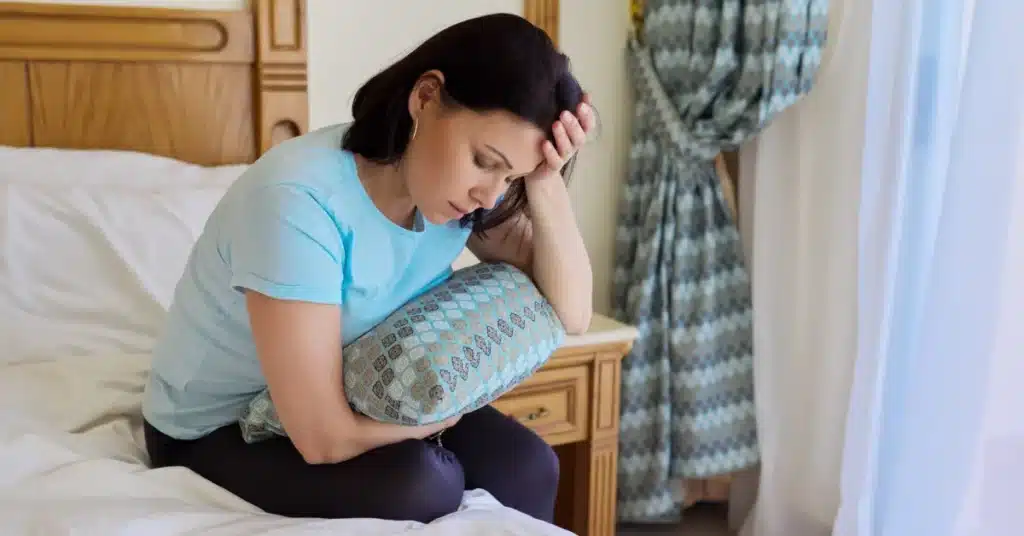 Source: Valerii Honcharuk
The effects of Depression during PMS usually extend beyond usual sadness and mood swings.
According to research, individuals also notice psychological symptoms like irritability and Anxiety.
Some people may often find themselves tearing up or crying without any reason.
Another research states that Depression can have physical effects like gastrointestinal problems, tiredness, and sleep disturbances.
Thus, individuals may experience bloating, Nausea, Insomnia, and fatigue alongside Depression during PMS.
In severe cases of gastrointestinal problems, a woman may also experience Diarrhea.
Managing PMS and Depression
Managing PMS and Depression together may require extra care and more than one approach.
Since some people prefer natural treatment of PMS and Depression, they can opt for lifestyle changes.
These lifestyle modifications include regular exercise, stress management, and a balanced diet.
Doctors may also suggest medications for PMS treatment, which can improve the PMS Depression symptoms.
Conclusion
Addressing PMS Depression is quite important since it can affect not only one’s mental health but also their physical health.
Individuals often experience Depression during PMS due to hormonal fluctuations.
These hormonal fluctuations often reduce Dopamine (feel-good hormone) and Serotonin (happiness hormone) in a person, leading to Depression.
Additionally, a person may notice other psychological symptoms like Anxiety and irritability with PMS.
It can also cause headaches, bloating, Nausea, fatigue, Insomnia, and Diarrhea alongside Depression.
Although lifestyle modifications can help in managing PMS and Depression, it is always best to consult your doctor immediately.

Frequently Asked Questions
How long does PMS Depression last?
PMS Depression usually occurs in the days leading up to menstruation and goes away shortly after the start of menstruation. However, the symptoms may be present for a few days to a week, varying in intensity and duration among individuals.
Does PMS mood get worse with age?
Yes, PMS mood can get worse with age. This happens because every PMS symptom worsens as a person ages due to more hormonal fluctuations. This starts as one reaches their last 30s and 40s and may require proper management.
Why are my emotions so intense during PMS?
Hormonal fluctuations, particularly in Estrogen and Progesterone, affect neurotransmitters like Serotonin, affecting mood regulation during PMS. These hormonal shifts alter one’s brain chemistry and result in the intensifying of emotions.
What are some of the other symptoms of PMS besides Depression?
Some of the other symptoms of PMS besides Depression include breast tenderness, excessive mood swings, and hot flashes. Individuals may also experience dizziness, constipation, and decreased concentration in daily activities.
Are there specific risk factors for developing PMS Depression?
Yes, there are specific risk factors for developing PMS Depression. These include one’s mental health history, age, genetics, and lifestyle habits. Women with excessive drinking or smoking problems are more likely to experience Depression during their PMS.
Cheap Medicine Shop only refers to credible, authoritative sources for our content. If you’re curious about how we ensure the integrity of our content, we encourage you to read our Content Information Policy.
Recent Web Stories