

Many women experience discomforting symptoms in the weeks leading up to their menstrual periods.
These discomforts can be the symptoms of a condition known as Premenstrual Syndrome (PMS).
To effectively manage PMS, birth control has become an effective choice for women.
The complex relationship between hormonal contraceptives and PMS is discussed in this article.
It covers the different kinds of birth control methods, their possible advantages, and suggestions for managing PMS with birth control.
Types of Birth Control and PMS
For women who are having PMS symptoms, selecting the appropriate birth control method is essential.
Contraception methods like Intrauterine Devices (IUDs), skin patches, injections, and oral contraceptives have different hormonal effects.
Birth control pills, also referred to as oral contraceptives, are a popular option.
They may have a beneficial effect on PMS symptoms and control hormone levels.
Patches and injections are routine methods of delivering hormones, which have different effects on PMS than oral medications.
Knowing these options enables women to make well-informed decisions that address both PMS management and birth control suited to their individual needs.
To make the best decision, it is always advisable to seek advice from a doctor.
Save up to 90% on your medicine bills

Naprosyn 500 mg

Brufen 400 mg
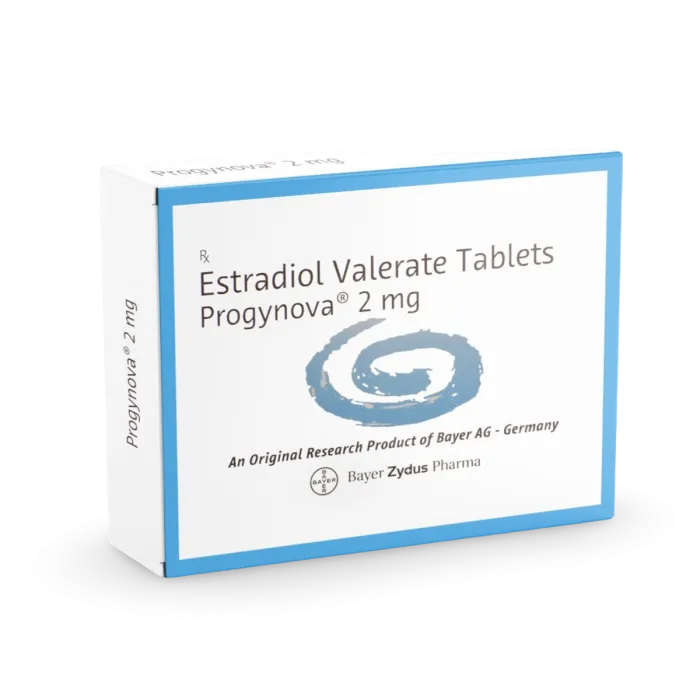
Progynova 2 mg

Oestrogel 2.5 gm / 1.5 mg
Managing PMS with Birth Control
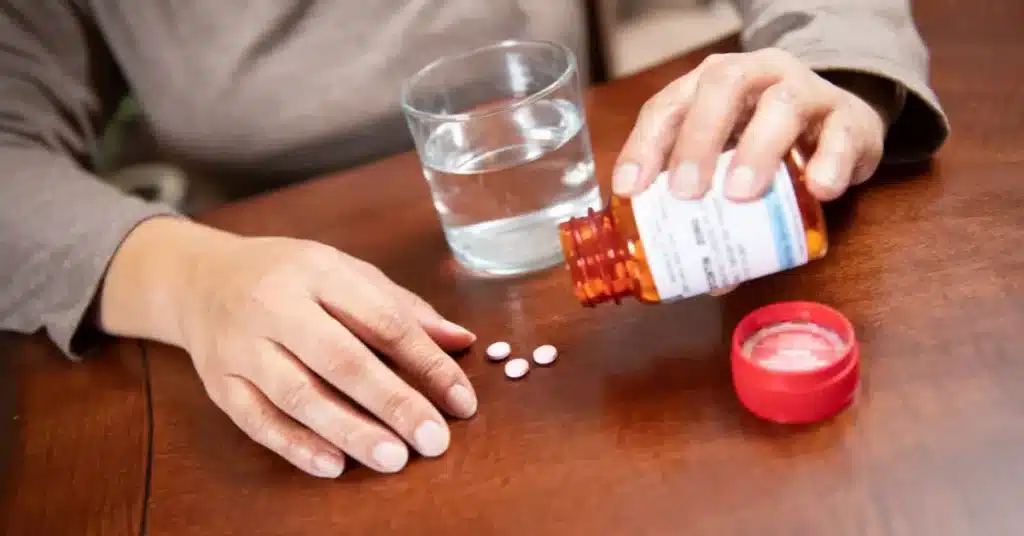 Source: InkkStudios_from_Getty_Images
Contraception is widely used in the United States, with an estimated 88.2% of women using at least one form of contraception during their lifetime.
The majority of birth control pills contain a combination of Progestin and Estrogen hormones.
Furthermore, birth control reduces physical discomfort by causing lighter and less painful periods.
A customized strategy is needed to address Premenstrual Syndrome (PMS) symptoms while on birth control.
To get the most out of hormonal contraceptives, it’s important to make some changes to your lifestyle.
This includes eating a well-balanced diet and regularly exercising.
By incorporating these habits, you can supplement the benefits of hormonal contraceptives.
Speaking with doctors for customized guidance on managing PMS symptoms is essential.
Research suggests that the hormonal adjustments induced by these contraceptives may worsen Depression in some patients.
While individual responses vary, many women experience enhanced well-being and a reduction in the disruptive impact of PMS through the use of birth control methods.
Want to know more about Depression in PMS? Read Breaking the Taboo: Addressing PMS Depression Effectively
Side Effects and Risks of Birth Control Pills
Making an informed decision requires knowledge of the risks and side effects that could arise from combining PMS treatment with birth control.
Hormonal contraceptives can effectively reduce PMS symptoms, but some potential drawbacks need to be considered.
Mood swings, headaches, and Nausea are typical side effects of birth control.
Furthermore, some people may be at higher risk for more serious conditions like blood clots or elevated blood pressure.
Some hormonal contraceptives may increase the risk of depressive symptoms compared to others, like those with higher doses of synthetic Estrogen and Progestins with Androgenic features.
Women should ensure that the doctors know their medical history to determine any contraindications or elevated risks.
Conclusion
Premenstrual Syndrome (PMS) is a common disorder that affects women in the days leading up to the onset of their periods.
Managing PMS with birth control requires careful planning.
Although some people may find relief from hormonal contraceptives, it’s important to understand that each person’s symptoms are unique.
Women should speak with doctors to determine the best approach for their needs.
Although there is no denying that birth control helps manage PMS, it is important to be aware of any possible side effects.
Mood swings, headaches, and Nausea are typical side effects of birth control for PMS.
Women can effectively manage PMS symptoms while on birth control, promoting general well-being and quality of life with customized care and lifestyle adjustments.

Frequently Asked Questions
Can PMS get worse with age?
Yes, PMS symptoms may worsen as women reach their late 30s or 40s.
This mostly applies to women whose moods are affected by changing hormonal levels during the menstrual cycle.
Can birth control impact menstrual flow and cycle regularity in women with PMS?
Yes, birth control can influence menstrual flow and cycle regularity in women with PMS.
Hormonal contraceptives often regulate and lighten periods, providing more predictable cycles.
Consult a doctor for the right birth control method based on individual needs and health.
How does stress influence the interaction between birth control and PMS symptoms?
Stress can worsen PMS symptoms while on birth control by disrupting hormonal balance.
Elevated stress hormones may amplify mood swings, irritability, and other symptoms.
Relaxation techniques may improve the effectiveness of birth control in reducing PMS symptoms.
Are there any known contraindications for using birth control in women with severe PMS?
Yes, women with a history of blood clots, certain Cardiovascular conditions, or a high risk of stroke should exercise caution with hormonal birth control.
It’s advisable to consult a doctor for personalized advice, as these conditions may pose contraindications for the use of certain types of birth control in managing severe PMS.
What are the alternatives for women who cannot use hormonal birth control but need PMS relief?
For women unable to use hormonal birth control for PMS relief, non-hormonal alternatives include lifestyle changes like regular exercise, stress management, and dietary adjustments.
Over-the-counter pain relievers, dietary supplements, and non-hormonal IUDs may also offer relief.
Consultation with a doctor is necessary to explore personalized solutions customized to individual needs and health conditions.
Cheap Medicine Shop only refers to credible, authoritative sources for our content. If you’re curious about how we ensure the integrity of our content, we encourage you to read our Content Information Policy.
Recent Web Stories