
Postpartum refers to the period after childbirth when a woman’s body undergoes recovery and adjustment.
It is a challenging yet crucial phase in a woman’s reproductive journey characterized by several changes.
These changes mainly include the restoration of ovulation and menstrual cycles.
Even if you are not planning for another pregnancy, learning about your reproductive health after giving birth is essential for proper self-care.
In this article, we will answer your concerns regarding the restoration and signs of ovulation after giving birth.
Understanding Ovulation After Giving Birth
Similar to pre-pregnancy, ovulation resumes after childbirth due to changes in hormone levels.
Prolactin is a hormone responsible for triggering the production of milk in new mothers.
This hormone is elevated during breastfeeding, which suppresses ovulation. This process is medically known as Lactational Amenorrhea.
It offers a natural form of contraception until a woman’s body recovers postpartum. Research suggests that it is about 98% effective in avoiding pregnancy.
However, as breastfeeding eventually stops, Prolactin levels decline. This leads to the restoration of the reproductive hormones.
Hormones like Luteinizing Hormone (LH) and Follicle Stimulating Hormone (FSH) signal the ovaries to release an egg, initiating ovulation.
Additionally, in certain rare cases, women may also ovulate while they are pregnant. If you wish to learn more about ovulation during pregnancy, Read “Can You Ovulate While Pregnant? Debunking the Myth”
Save up to 90% on your medicine bills

Naprosyn 500 mg

Brufen 400 mg
Progynova 2 mg

Oestrogel 2.5 gm / 1.5 mg
How Soon After Giving Birth Do You Ovulate Again?
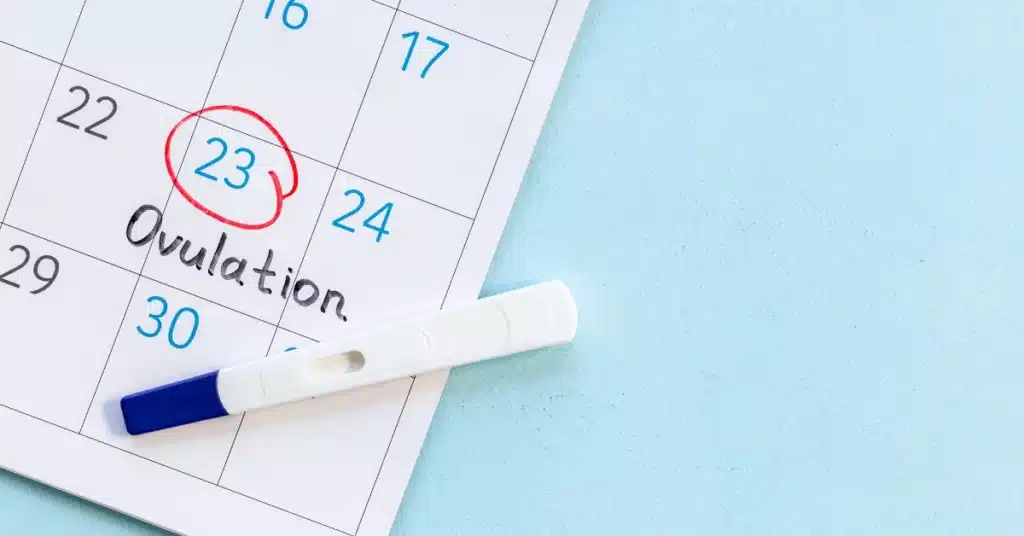 Source: 9dreamstudio_from_GettyImages
The hormonal changes postpartum are complex and often vary among individuals. Therefore, the onset of first ovulation after pregnancy differs for each woman.
For women who do not lactate, ovulation may resume after a few weeks of giving birth.
Whereas in lactating women, Prolactin levels decline much later. Hence, it may take three to six
months for ovulation to restart for such women.
On the other hand, ovulation after miscarriage may resume within 2 weeks of ending the pregnancy.
Additionally, various other factors, such as medical history, breastfeeding practices, and other medical conditions, can impact fertility postpartum.
It is advised to talk to your doctor to predict the restoration of your ovulation accurately.
Signs of Ovulation After Giving Birth
Most of the signs of ovulation after giving birth are similar to those experienced before pregnancy.
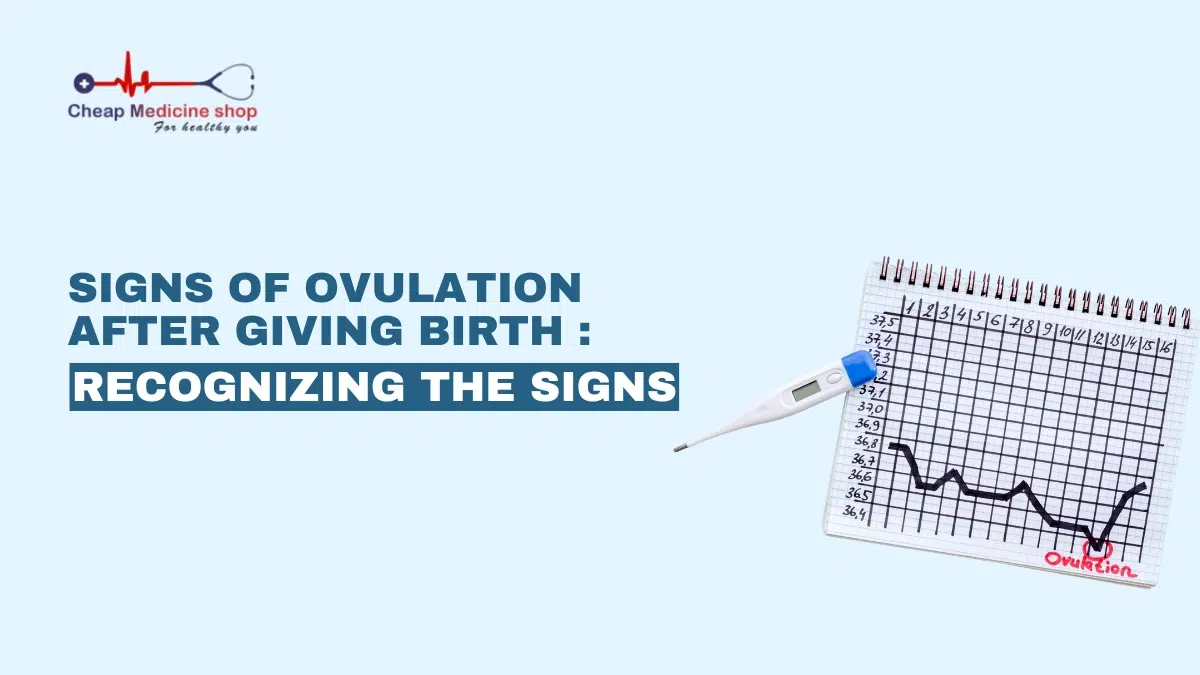
These include increased vaginal discharge, ovulation pain, rise in basal body temperature, and bleeding.
Other signs of restarting ovulation are heightened libido, breast tenderness, and better energy and well-being.
Besides these signs, you may benefit from taking ovulation tests to detect ovulation postpartum better.
Furthermore, the symptoms of your first period after childbirth may differ from those you experienced before pregnancy.
To learn more about postpartum periods, Read “First Period Postpartum: When and What To Expect“
Conclusion
The return of ovulation postpartum is a natural aspect of a woman’s reproductive journey.
Ovulation is suppressed after giving birth due to a rise in the hormone Prolactin. This hormone is essential to promote milk production among lactating mothers.
As women gradually stop breastfeeding, Prolactin levels decline.
This leads to an increase in Luteinizing Hormone (LH) and Follicle Stimulating Hormone (FSH), triggering ovulation.
However, the onset of ovulation postpartum varies for each woman.
Breastfeeding women may take several months to restart ovulation. Meanwhile, non-lactating women often start ovulation a few weeks after giving birth.
The signs of ovulation after giving birth include increased vaginal discharge, rise in basal body temperature, heightened libido, and increased energy.
It is advised to seek medical advice postpartum to ensure proper healthcare for the new mother.

Frequently Asked Questions
Is it easier to get pregnant the second time?
The experience of a second pregnancy varies greatly among couples.
While some may find it easier due to familiarity with fertility signs, others may face challenges due to age or underlying health conditions.
How do I know if I am ovulating after giving birth?
You can track ovulation postpartum by observing changes in cervical mucus, using ovulation predictor kits, monitoring basal body temperature, or noting changes in libido or abdominal discomfort. Consulting a doctor can provide further guidance.
Can I ovulate while I’m breastfeeding?
Yes, it is possible to ovulate while breastfeeding.
Although breastfeeding can suppress ovulation in some women, it may still occur, and the possibility of conception remains.
Are you super fertile after giving birth?
No, you are not necessarily more fertile after giving birth.
While fertility can increase postpartum due to the resumption of ovulation, it varies widely among individuals.
Breastfeeding and other factors may also affect fertility.
What are the main symptoms of 2nd pregnancy?
Common symptoms of a second pregnancy may include fatigue, Nausea or morning sickness, breast tenderness, frequent urination, and mood swings.
It is important to remember that symptoms can differ significantly for each pregnancy.
Cheap Medicine Shop only refers to credible, authoritative sources for our content. If you’re curious about how we ensure the integrity of our content, we encourage you to read our Content Information Policy.
Recent Web Stories