








Viral pink eye, medically known as viral Conjunctivitis, is a common eye infection affecting people of all ages.
Several highly contagious viruses, such as Adenoviruses, Herpes Simplex, and Varicella-Zoster, might be responsible for the infection.
You should be aware of crucial details for an early diagnosis and successful treatment of viral pink eye.
In this article, we will examine the complexities of viral pink eye, including its causes, symptoms, and contagiousness.
Protecting eye health and halting the spread of viral pink eye requires understanding the condition.
What is Viral Pink Eye
As the name implies, viral pink eye is a type of pink eye brought on by a viral infection.
When a virus invades, it causes inflammation of the conjunctiva.
The conjunctiva is the clear membrane that lines the inner eyelid and covers the white of the eye.
This inflammation causes the characteristic redness and discomfort of viral pink eye.
Adenoviruses, the same family of viruses that also cause the common cold, are the most frequent cause of viral pink eye.
But other viruses, such as Varicella-Zoster and Herpes Simplex, can also cause viral Conjunctivitis.
It’s crucial to understand that bacterial and allergic Conjunctivitis have different origins and treatments than the viral pink eye, which has different symptoms.
To learn more about the difference between bacterial pink eye and viral pink eye, read Viral vs Bacterial Pink Eye: How to Know The Difference.
Save up to 90% on your medicine bills
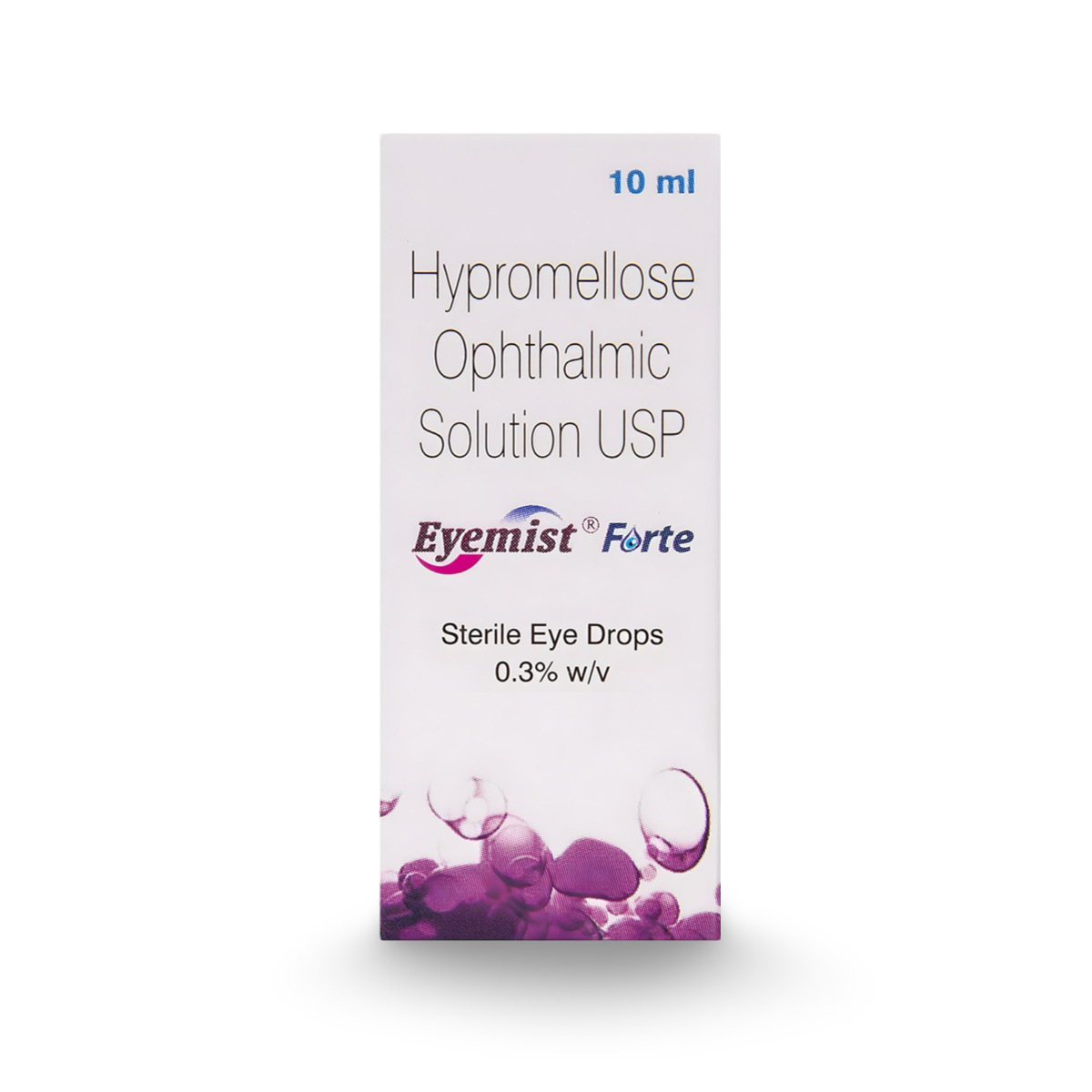
Eyemist Forte 10 ml
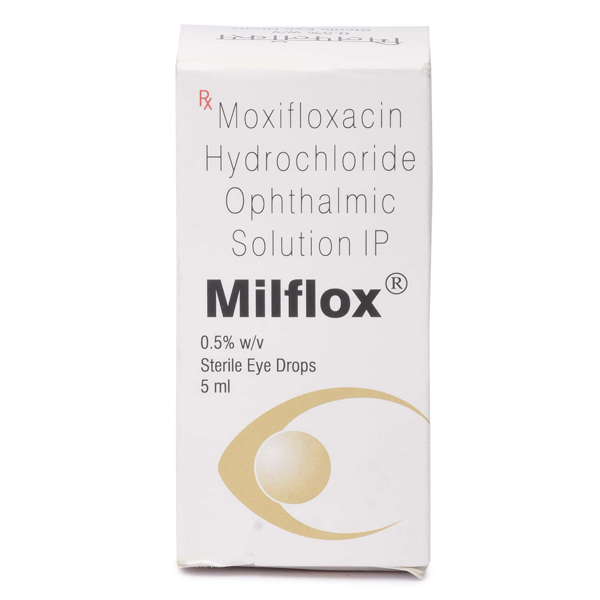
Milflox 0.5% 5 ml
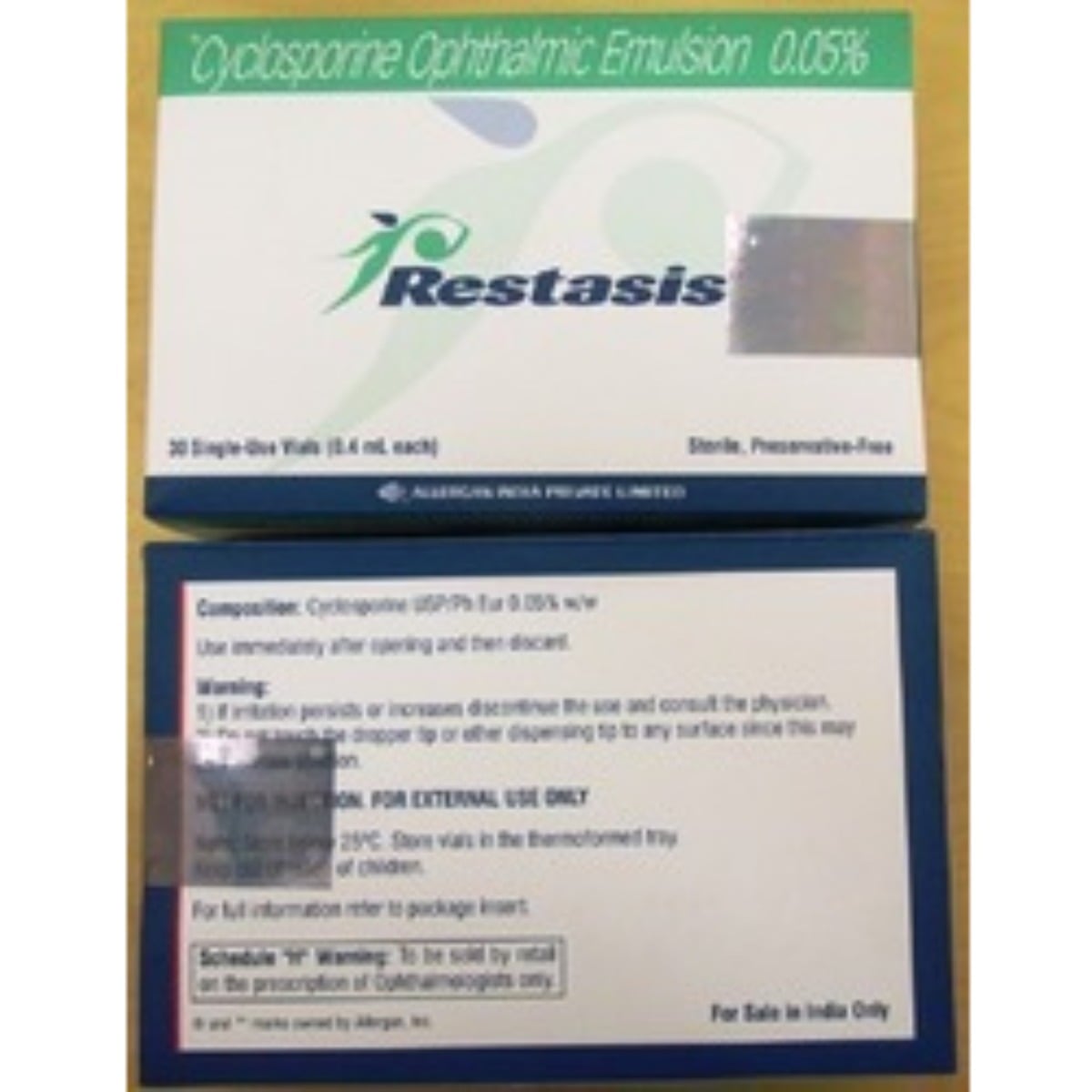
Restasis 0.05% Ophthalmic Emulsion 0.4ml

Pred Forte 10 ml
Viral Pink Eye Symptoms

There are various unique symptoms of viral pink eye or viral Conjunctivitis.
People with this ailment frequently have redness in their eyes, which makes them look bloodshot.
The eyes frequently itch and hurt, which causes continuous scratching.
Excessive tears and watery eye discharge are typical, contributing to stickiness and hazy vision.
Additional factors that lead to eye discomfort include conjunctival and eyelid swelling.
An increased sensitivity to light, known as photophobia, can make it uncomfortable around bright lights or sunlight.
These symptoms should not be ignored, even though the viral pink eye is typically mild, and with early diagnosis, it can be easily treated.
Eye discharge is one of the prominent symptoms of pink eye.
Since an individual can experience different types of eye discharge, such as green eye discharge or yellow eye discharge, it is essential to learn about eye discharge during pink eye.
To learn more, read Everything You Need to Know About Pink Eye Discharge.
What Causes Viral Pink Eye
The main source of viral pink eye is the transfer of the virus from an infected person to a vulnerable person’s eyes.
This transmission may take place via several means, including:
Direct contact: Touching the eyes with contaminated hands or objects.
Indirect contact: Sharing towels, pillows, or eye makeup with an infected person.
Respiratory droplets: Exposure to respiratory droplets from a cough or sneeze of an infected person.
The risk of infection can be considerably decreased by maintaining proper hygiene, which includes frequent hand washing and avoiding close contact with infected people.
Is Viral Pink Eye Contagious
Yes, viral pink eye is contagious, particularly in the early stages when symptoms start appearing.
Depending on the individual virus causing the infection, the contagiousness of viral pink eye can change.
In most cases, the contagious period starts when symptoms first develop and can persist for one to two weeks or even longer in extreme circumstances.
Individuals with viral pink eye should isolate themselves, frequently wash their hands, avoid touching their eyes, and regularly disinfect their personal items in order to prevent the virus from spreading.
Understanding contagious viral pink eye is essential to safeguard yourself and others.
Wish to explore the contagiouness of pink eye and how long pink eye stays contagious in detail? To learn everything, read Is Pink Eye Contagious – All You Need to Know.
Conclusion
Viral pink eye is a type of eye infection caused by viruses like Adenoviruses, Herpes Simplex, or Varicella-zoster.
It is the most prevalent form of conjunctivitis, which is distinguished by redness, itching, and watery discharge.
The infection is highly contagious and is known to spread rapidly in schools and other close-contact settings.
Early detection and effective care of viral pink eye depend on a thorough understanding of its causes, symptoms, and contagiousness.
It is advised to get medical treatment right away if you believe you have viral pink eye or have been in close contact with someone who has this condition.
Although viral pink eye usually goes away on its own, healthcare professionals can offer advice on symptom management and halting its spread.
Remember that maintaining excellent hygiene habits is crucial to avoiding viral pink eye and safeguarding your health.

Frequently Asked Questions
What is viral pink eye, and how is it different from other types of pink eye?
Viral pink eye, or viral Conjunctivitis, is an eye infection caused by viruses such as Adenoviruses, Herpes Simplex, or Varicella-Zoster.
It leads to inflammation of the conjunctiva, causing redness and discomfort.
It differs from bacterial and allergic Conjunctivitis, which have different causes and treatments.
What are the common symptoms of viral pink eye, and how long do they last?
Common symptoms of viral pink eye include redness, itching, watery discharge, swelling of the eyelids, and sensitivity to light.
These symptoms can last for one to two weeks, and their severity can vary from person to person.
Is viral pink eye contagious?
Yes, viral pink eye is highly contagious, especially in the early stages when symptoms are most severe.
It can spread through direct contact with infected individuals, indirect contact with contaminated objects, and respiratory droplets from coughs or sneezes.
Can viral pink eye be treated, and what are the treatment options?
Yes, viral pink eye can be treated, but there is no specific medication for viral pink eye. Treatment focuses on managing symptoms.
Over-the-counter lubricating eye drops can help relieve discomfort. A healthcare professional may prescribe Antihistamines or Anti-inflammatory eye drops in severe cases.
Can I go to work or school with viral pink eye?
No, staying home during the contagious phase of viral pink eye is advisable to prevent the spreading of the infection to others.
Please consult a healthcare professional for guidance on when it’s safe to return to work or school.
Cheap Medicine Shop only refers to credible, authoritative sources for our content. If you're curious about how we ensure the integrity of our content, we encourage you to read our Content Information Policy.