








Pink eye, or Conjunctivitis, is a common condition that can cause discomfort and irritation.
Pink eye is an inflammation of the Conjunctiva, which is the clear membrane that covers the white part of the eye and lines the inner surface of the eyelids.
It can occur due to various causes, including viral infections, bacterial infections, allergies, and irritants such as chemicals or foreign objects.
The common symptoms of pink eye include redness, itching, tearing, and discharge from the affected eyes.
But can pink eye cause blindness? In this article, we’ll explore the potential risks and complications associated with pink eye and whether it can ultimately result in vision loss.
Can Pink Eye Cause Blindness
Can you go blind from pink eye? While the symptoms of pink eye can be uncomfortable and disruptive, it typically does not lead to permanent blindness.
However, certain circumstances, such as corneal complications and allergic reactions associated with pink eye, potentially harm your vision by causing eye disorders.
Corneal complication
One of the primary concerns associated with pink eye is the risk of corneal complications.
The cornea is the clear, dome-shaped surface covering the front of the eye and is crucial in focusing light onto the retina.
When the Conjunctiva becomes inflamed and irritated, it can affect the cornea, leading to corneal ulcers or Keratitis.
A study by Community Eye Health Journal mentions that these ulcers can cause vision problems and permanent damage if not properly treated.
While these corneal complications are concerning, they are relatively rare, and most cases of pink eye do not progress to this level of security.
Corneal ulcers are open sores on the cornea resulting from severe bacterial pink eye or viral pink eyes.
Timely diagnosis and appropriate treatment can significantly reduce the risk of corneal issues.
Want to explore the differences between bacterial and viral pink eyes, read Viral vs Bacterial Pink Eye: How to Know The Difference.
Allergic reaction

Allergic pink eye occurs when the immune system reacts to allergens such as pollen, pet dander, or dust mites.
It results in inflammation that can cause red eyes, itching, and watery eyes.
While allergic Conjunctivitis is not likely to cause blindness, the persistent itching and rubbing of the eyes often accompany this condition.
The rubbing and itching can increase the risk of corneal injuries if left untreated, leading to more serious problems.
According to studies, Antihistamines can be taken to treat allergies, but these allergies can generally be avoided by managing allergy symptoms and avoiding eye rubbing.
Delayed treatment
Sometimes, pink-eyed individuals may delay seeking medical attention, assuming it will resolve by its own.
Delayed treatment can lead to complications and a prolonged period of discomfort.
While vision loss from untreated pink eye is rare, it is possible if the underlying cause is severe and addressed promptly.
Viral pink eye
Viral Conjunctivitis, often caused by Adenoviruses, is highly contagious and can lead to significant discomfort.
While most cases of viral pink eye resolve independently without causing long-term vision problems, there are exceptions.
Researchers suggest that some viral infections can lead to more severe eye conditions, such as Uveitis or optic neuritis, affecting vision.
Uveitis is inflammation of the uvea (including the iris, ciliary body, and choroid).
If left untreated, uveitis can damage the eye and potentially result in vision loss.
On the other hand, optic neuritis is inflammation of the optic nerve, which transmits visual information from the eye to the brain.
While not directly linked to pink eye, certain coral infections can trigger optic neuritis, leading to vision problems.
Do you wish to learn about the techniques to manage the symptoms of viral pink eye? To learn about the techniques, read Viral Pink Eye Treatment: How to Get Rid of Viral Pink Eye.
Save up to 90% on your medicine bills
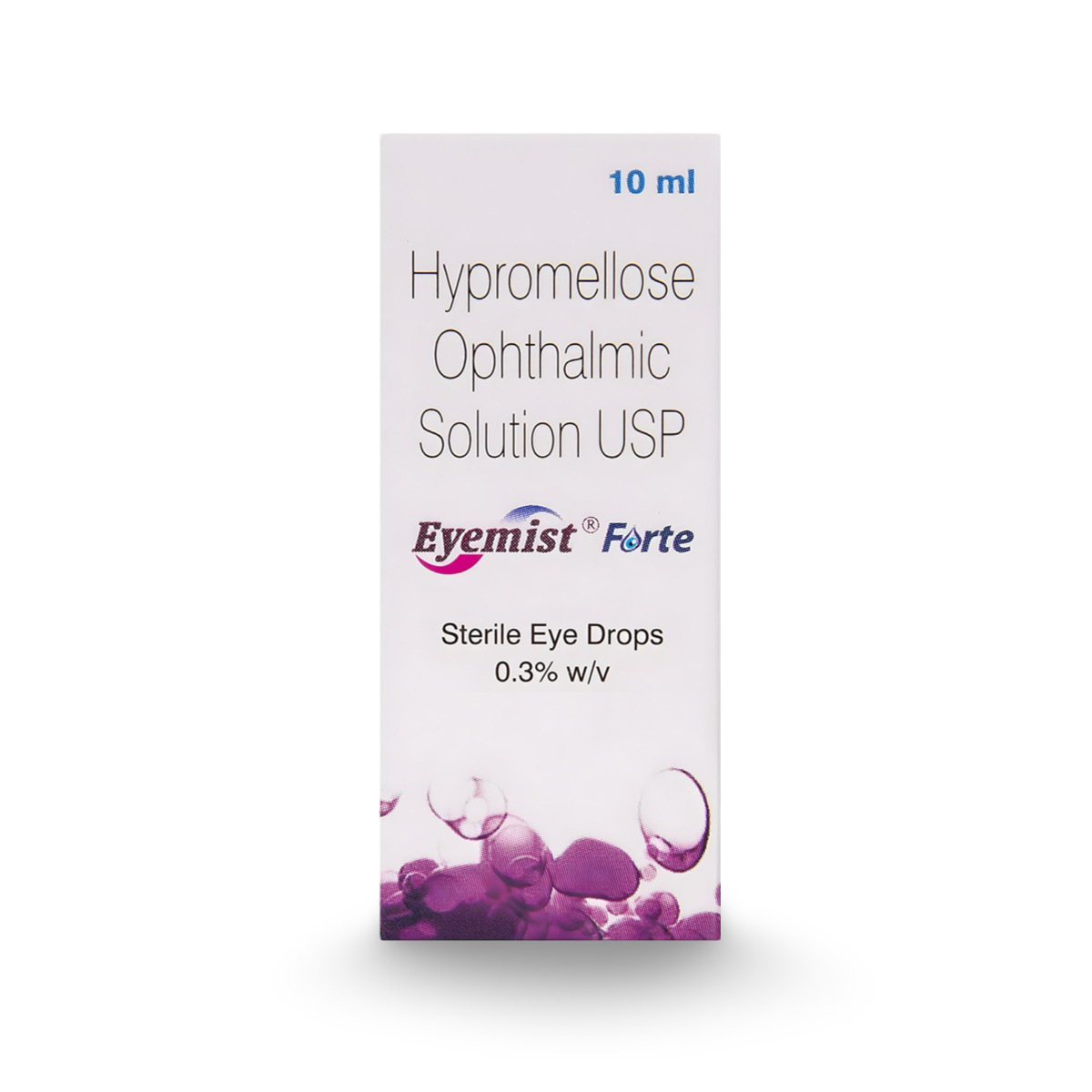
Eyemist Forte 10 ml
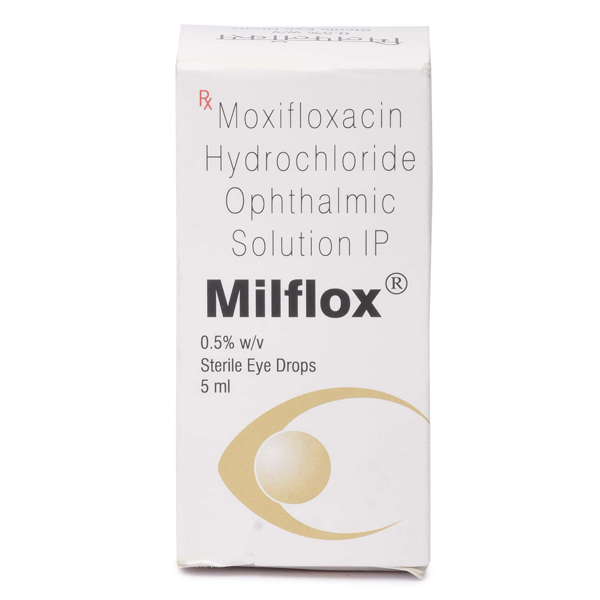
Milflox 0.5% 5 ml
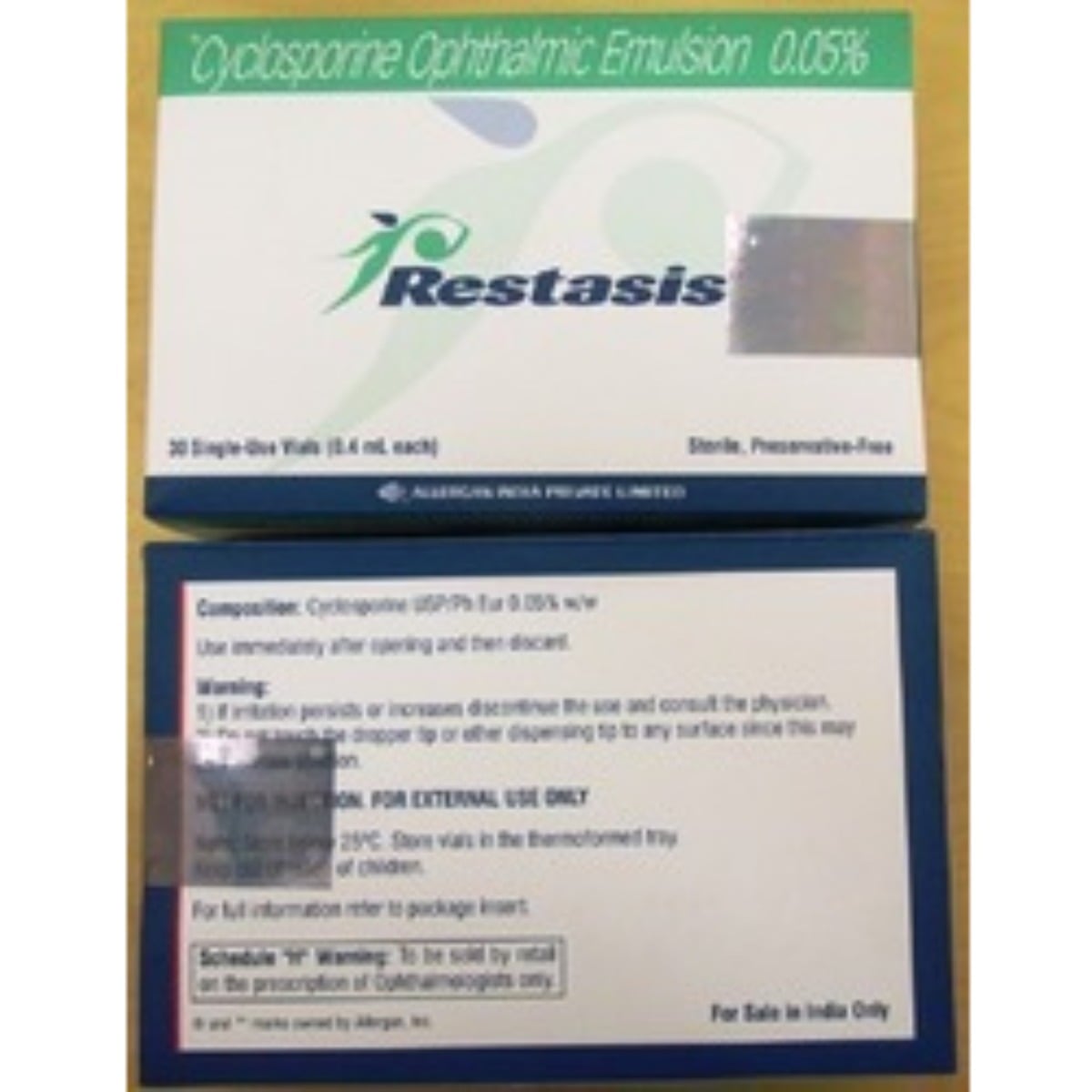
Restasis 0.05% Ophthalmic Emulsion 0.4ml
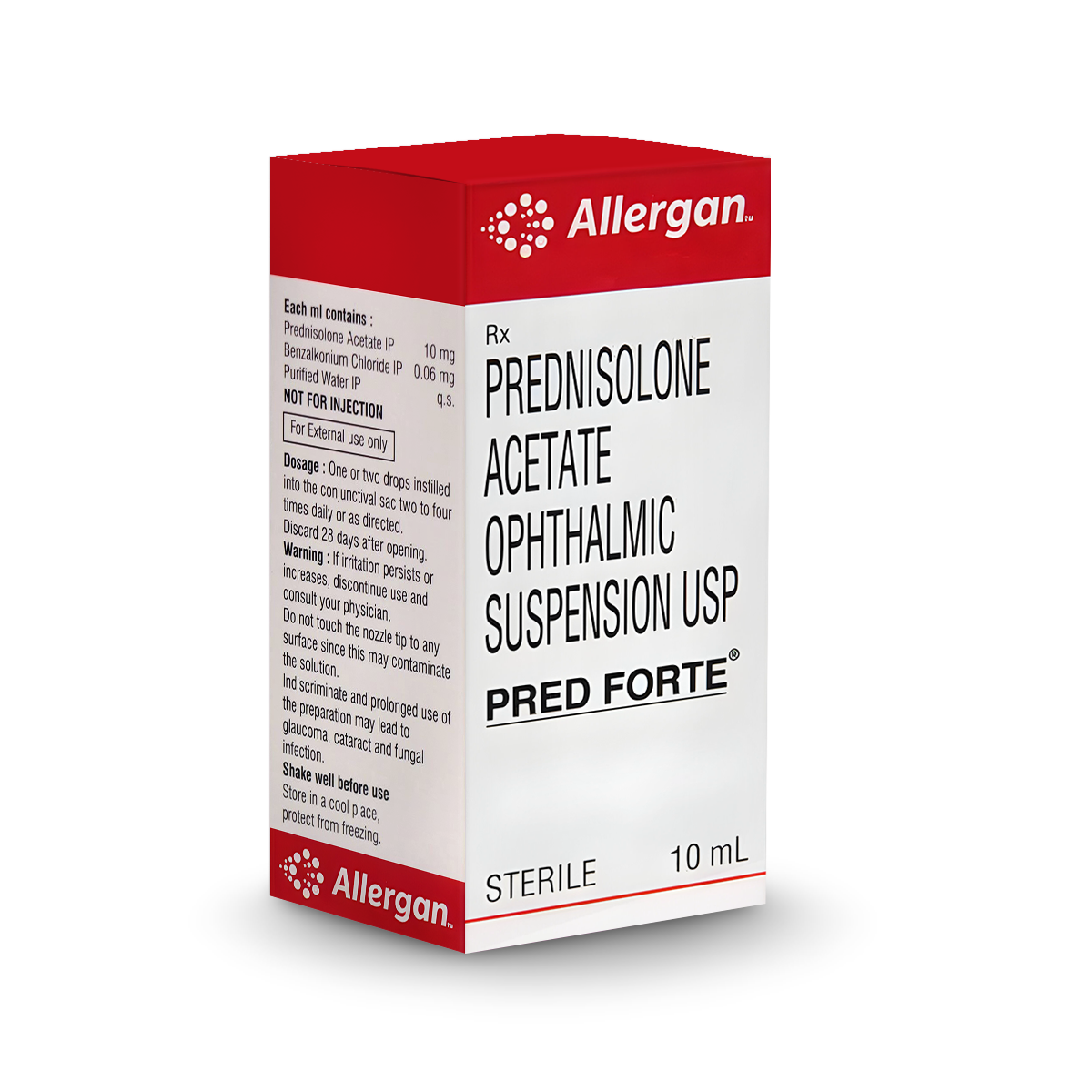
Pred Forte 10 ml
Pink Eye Treatment Options

There are various treatment options, such as artificial eye drops, Antibiotics, and Antihistamine eye drops, available for pink eye treatment.
The treatment of pink usually depends on the cause of the infection. If pink eye is caused by bacteria, Antibiotic medication can be used.
Antihistamine eye drops such as Ocurest can help relieve the symptoms of pink eye caused by allergies.
Using home remedies such as good hygiene and warm compresses can complement pink eye treatment by speeding up the recovery process.
Do you know antibiotics are an effective treatment option for bacterial pink eye?
If you want to learn everything about antibiotics for bacterial pink eye, read Understanding Pink Eye Antibiotics: Treatment Options and Guidelines.
Conclusion
Pink eye can be caused due to various factors like bacteria, viruses, and allergies.
‘Can pink eye cause blindness?’ is the concern of every individual experiencing pink eye.
While pink eye is generally not a direct cause of blindness, it can lead to complications that may affect your vision if not properly managed or treated.
Corneal complications, allergic reactions, delayed treatment, and certain viral infections are potential factors that can increase the risk of vision problems.
However, with timely diagnosis and appropriate medical care, most cases of pink eye can be successfully treated without lasting damage to your eyesight.
Remember, early intervention can help prevent complications and ensure a speedy recovery.

Frequently Asked Questions
Can pink eye lead to blindness?
No, pink eye typically does not cause permanent blindness. However, severe cases can lead to corneal complications if left untreated.
What are the corneal complications of pink eye?
Corneal ulcers and Keratitis are potential complications of pink eye, but they are rare. Timely treatment and the right diagnosis could reduce the risk of these complications.
Can allergies cause pink eye?
Yes, allergic Conjunctivitis can cause pink eye. Pink eye caused by allergies is usually not sight-threatening but can lead to eye injuries from itching.
What happens if pink eye is left untreated?
Untreated pink eye can result in severe infections, eye disorders, vision issues, or discomfort. Immediate medical attention is crucial when treating pink eye.
Is viral pink eye a risk to vision?
Yes, severe infection can trigger uveitis or optic neuritis, impacting vision. However, most pink eye cases resolve without any vision problems.
Cheap Medicine Shop only refers to credible, authoritative sources for our content. If you're curious about how we ensure the integrity of our content, we encourage you to read our Content Information Policy.