







Cataract is the clouding of the natural lens of your eye, and it is very common as you get older.
It happens when the proteins in your lens weaken, making objects appear hazy, fuzzy, or less vibrant.
Cataracts are a leading cause of vision impairment and blindness worldwide.
Cloudy formations in the eye’s natural lens can significantly impact your vision, making daily tasks more challenging.
This article will discuss Cataract treatment options, ranging from traditional surgery to advanced treatment to non-surgical alternatives.
Cataract Treatment
Traditional treatments for Cataract primarily include Cataract surgery, a highly effective procedure.
Cataract surgery involves the removal of the clouded natural lens and its replacement with an artificial Intraocular Lens (IOL), restoring clear vision.
These lenses not only restore clear vision but also address additional visual issues such as Astigmatism and Presbyopia.
After Cataract surgery, the dependence on glasses or contact lenses can be greatly reduced.
The most common Cataract surgery is Phacoemulsification. During this procedure, the cloudy Cataract is fragmented into small pieces using ultrasound or laser technology, making it easily removable.
The success rates of Cataract surgery are impressively high, with most patients experiencing significant vision improvement.
Consulting an eye care specialist can improve Cataract treatment decisions, leading to better vision and quality of life.
To learn about the symptoms of Cataracts, read Understanding Cataract Symptoms: What You Need to Know.
Save up to 90% on your medicine bills
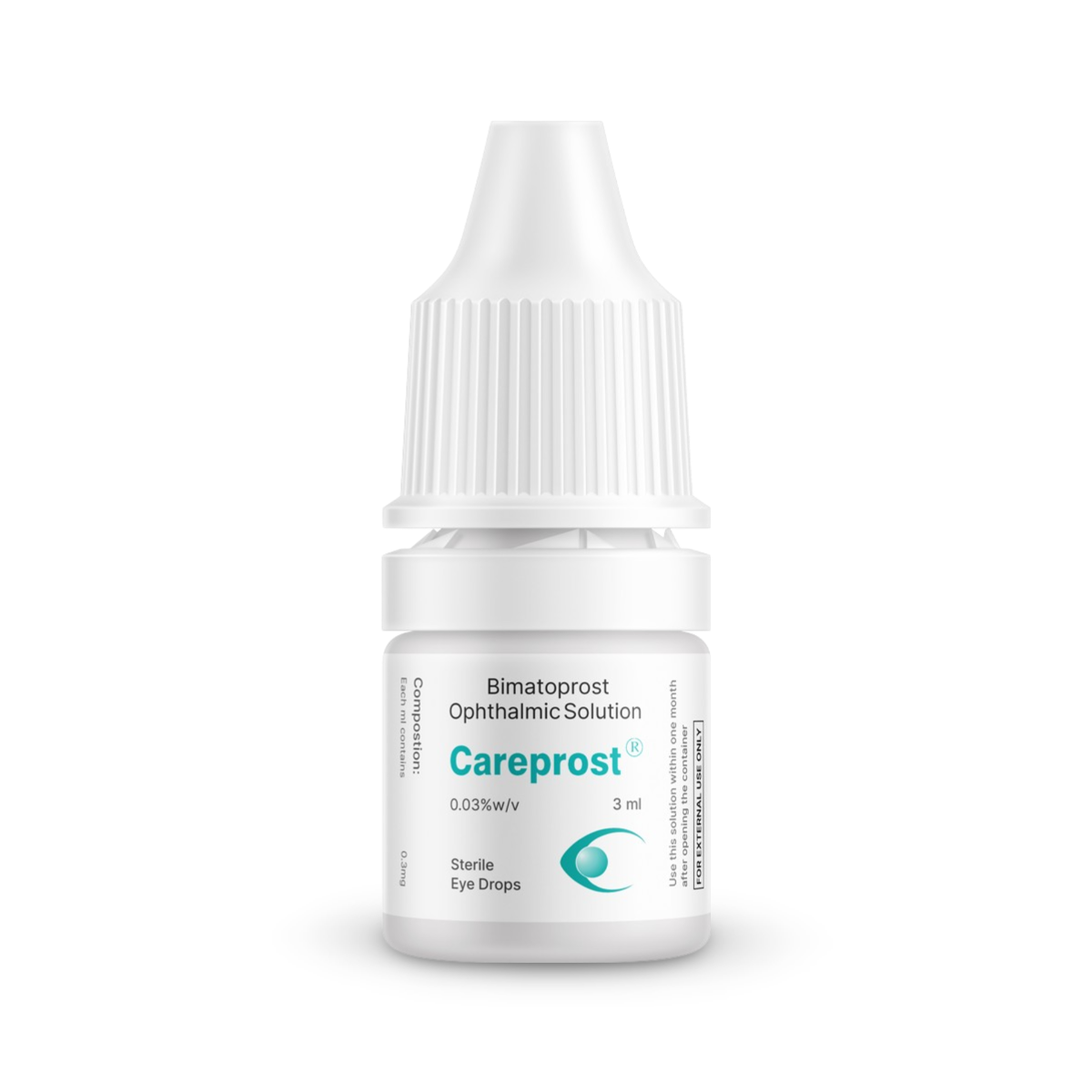
Careprost (With Brush) 3ml 0.03%
Starting at just $17.36 per bottleBuy Now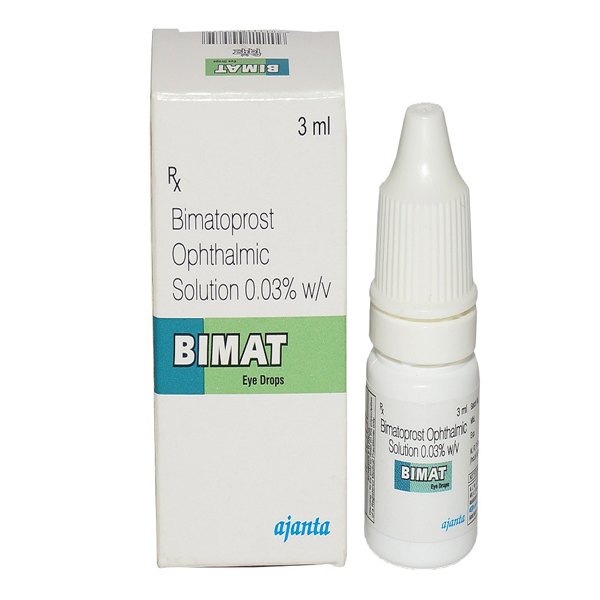
Bimat 0.03% w/v
Starting at just $10.16 per bottleBuy Now
Bimat (With Brush) 3 ml (0.03%)
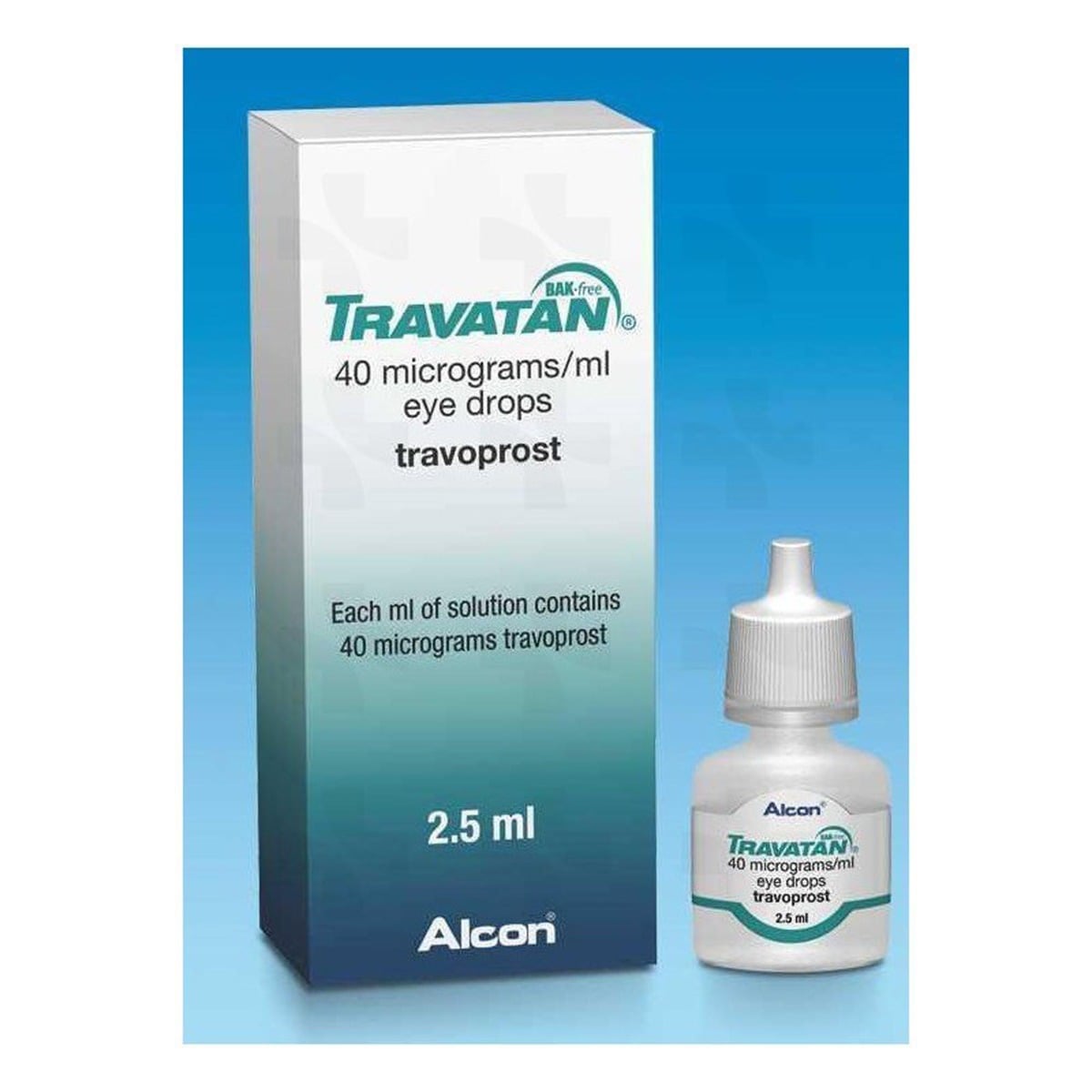
Travatan 40 Mcg/2.5ml
Advanced Treatment For Cataracts
Recently, cutting-edge solutions for Cataract have been successful in preventing the progression of the disease.
Laser-assisted Cataract surgery has emerged as an advanced treatment option for Cataracts.
This innovative technique uses lasers for precise incisions and Cataract fragmentation, reducing the risk of complications and potentially leading to quicker recoveries.
These advanced treatments are highly effective in fixing visual clarity for those with Cataracts, resulting in numerous success stories.
To learn about types of Cataracts, read Types of Cataract
Cataract Treatment Without Surgery

In some cases, Cataract surgery may not be immediately necessary or may not be the preferred option for individuals.
Cataract treatment without surgery involves non-invasive approaches and lifestyle modifications.
Pharmacological management, including specialized eye drops, can help slow the progression of Cataracts in some patients.
Consuming a diet rich in antioxidants and specific nutrients is essential for supporting eye health.
Lifestyle changes, like wearing sunglasses for UV protection and avoiding smoking, can prevent and manage Cataracts.
Although non-surgical methods cannot reverse existing Cataracts, they can delay their progression and improve overall eye health.
Consultation with an eye care specialist is essential to determine the most suitable treatment approach for your needs.
If you want to know more about the connection between blindness and Cataracts, read Can a Cataract cause blindness?
Conclusion
When the natural lens in your eye becomes cloudy, it is called a Cataract.
For people dealing with this prevalent age-related condition, it is important to understand the wide range of Cataract treatment options.
Managing Cataracts can be done through pharmacological intervention, such as using specialized eye drops, to slow down the progression of the condition in some patients.
In addition to this, maintaining a diet that is rich in antioxidants and specific nutrients is also crucial in supporting eye health.
Making lifestyle changes like wearing sunglasses for UV protection and quitting smoking can also help prevent and manage Cataracts effectively.
Whether you choose traditional Cataract surgery or consider non-surgical options, the goal is to regain clear vision and improve your quality of life.
It’s important to speak with a licensed eye care professional who can evaluate your needs and direct you toward the best course of action.

Frequently Asked Questions
What is phacoemulsification, and how does it work in Cataract surgery?
Phacoemulsification is a minimally invasive Cataract surgery technique.
It involves breaking the cloudy Cataract into small pieces using ultrasound and removing them through a tiny incision.
This procedure allows for a quicker recovery and fewer complications.
See our Recommendations
How can I make an informed decision about Cataract treatment?
To make an informed decision, consult with an eye care specialist.
They can assess your specific needs and recommend the most suitable Cataract treatment option based on your eye health and lifestyle.
See our Recommendations
Can Cataracts come back after surgery?
No, Cataracts cannot return after Cataract surgery because the cloudy natural lens is removed.
However, some people may experience a secondary condition known as Posterior Capsule Opacification (PCO), which is treatable with a simple laser procedure.
See our Recommendations
Can Cataract progression be slowed or managed without surgery?
Yes, there are non-surgical approaches and lifestyle changes that may help slow the progression of Cataracts.
Medications, eye drops, nutrition, and lifestyle modifications are all explored in the article.
See our Recommendations
What should I expect during a consultation with an eye specialist?
During your consultation, the ophthalmologist will perform a comprehensive eye examination to determine the severity of your Cataracts and discuss your treatment options.
You’ll have the opportunity to ask questions and address any concerns.
See our Recommendations
Cheap Medicine Shop only refers to credible, authoritative sources for our content. If you're curious about how we ensure the integrity of our content, we encourage you to read our Content Information Policy.