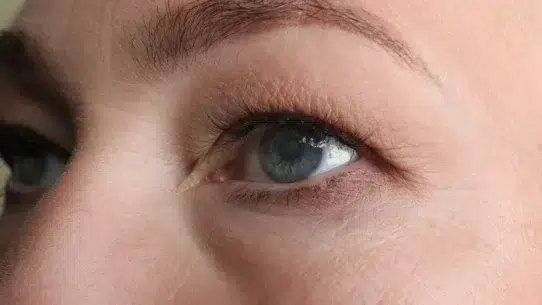






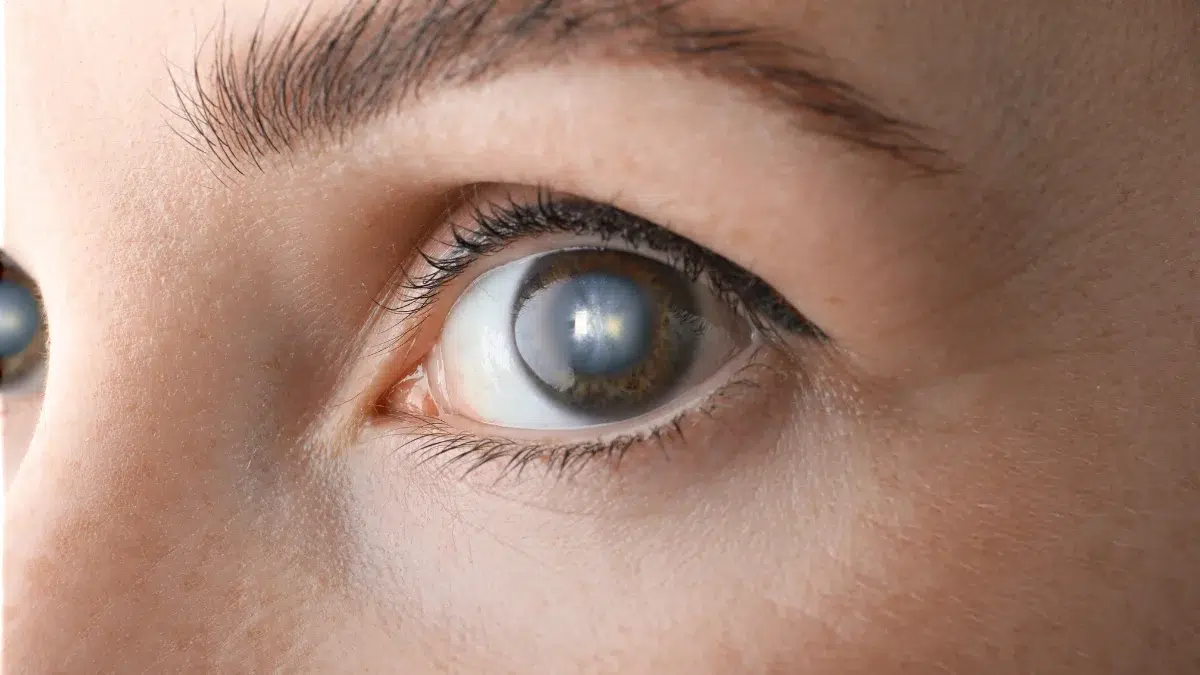

Posterior Polar Cataract (PPC) is a rare type of Congenital Cataract, which can pose a threat to your vision.
This form of Cataract affects the near and distant vision of the affected person and can affect one’s daily activities.
The severity of the symptoms of Posterior Polar Cataract often varies for different individuals.
Since this condition can cause vision loss, it is always better to understand its underlying causes to receive proper treatment.
This article will discuss the symptoms, causes, and available treatments for Posterior Polar Cataracts.
What is a Posterior Polar Cataract
Posterior Polar Cataract is a rare type of Congenital Cataract, mainly affecting the back of one’s lens, also known as the posterior capsule.
It is completely different from the other types of Cataracts, which can form in different regions of the lens.
Posterior Polar Cataract usually creates opacity or clouding in one’s posterior capsule.
Since the posterior capsule is responsible for focusing the light on the retina, its opacity can cause visual impairment.
Although old age is one of the most common reasons for PPC development, individuals with genetic connections can also experience it.
PPC can also manifest itself with Posterior Subcapsular Cataracts, Cortical Cataracts, and Nuclear Sclerotic Cataracts.
Save up to 90% on your medicine bills
Careprost (With Brush) 3ml 0.03%
Starting at just $17.36 per bottleBuy Now
Bimat 0.03% w/v
Starting at just $10.16 per bottleBuy Now
Bimat (With Brush) 3 ml (0.03%)
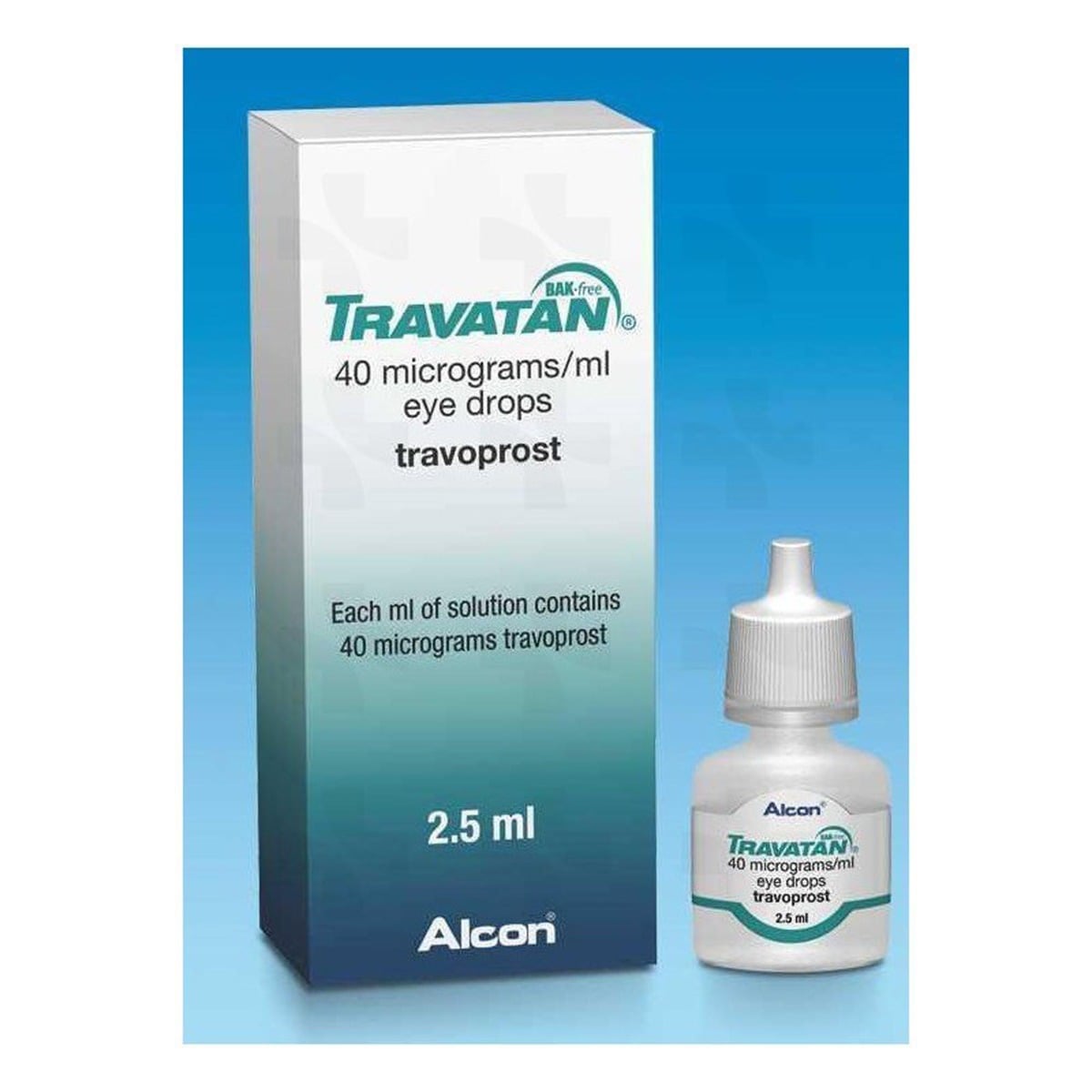
Travatan 40 Mcg/2.5ml
Posterior Polar Cataract Symptoms

The American Academy of Ophthalmology (AAO) states that the symptoms of glare and halos are common in PPC.
Since the Posterior Polar Cataract affects the central part, even small PPCs can cause significant vision problems.
Individuals with this condition may often experience blurry vision and halos.
The sensitivity to glare can worsen in conditions like night driving due to the headlights.
PPC reduces contrast sensitivity, and people with this condition may find it difficult to identify objects from their background.
Some people may experience double vision and difficulty in close and distant vision.
Causes and Risk Factors of Posterior Polar Cataract
According to research, people can also experience Posterior Polar Cataracts due to genetic connections.
Almost 40-55% of patients with PPC have a family history of Cataracts.
Although this condition can develop in people of any age, it is most prevalent in people of older ages.
Trauma to the eyes due to an accident or surgery can also cause Posterior Polar Cataracts.
In some cases, individuals can experience PPC after the Cataract surgery procedure named Extracapsular Cataract Extraction (ECCE).
Treatment for Posterior Polar Cataract Complications

If a person is experiencing Posterior Polar Cataract Complications at an early age, there might not be any particular symptoms.
Hence, in the early stage, it is best to stay under the regular monitoring of an eye specialist.
If a person with PPC experiences symptoms like sensitivity to glare, using anti-glare glasses in bright lights can be helpful.
Doctors may also suggest changing prescription eyeglasses to improve vision.
However, in the late stages, using advanced Cataract surgery techniques can help in treating Posterior Polar Cataract complications.
Conclusion
Posterior Polar Cataract is a rare type of Congenital Cataract that affects the posterior capsule of the eye lens.
The condition usually produces symptoms like glare, blurry vision, halo, reduced contrast sensitivity, and double vision.
Individuals may experience PPC due to several causes, like genetics, old age, and trauma due to surgeries or accidents.
Doctors usually suggest regular eye checkups, anti-glare glasses, and change of glasses to improve the vision of people with Posterior Polar Cataracts.
In the later stages, they may suggest undergoing Cataract surgery to treat the condition.
Hence, it is always best to consult with your doctor to receive the best treatment for PPC.

Frequently Asked Questions
What is the Posterior Polar Cataract Surgery success rate?
The Posterior Cataract Surgery has a very high success rate, which is 95%. The surgery usually involves the removal of the cloudy lens and its replacement with artificial ones.
See our Recommendations
What is the difference between Anterior and Posterior Polar Cataract?
Anterior Polar Cataracts form in the front of one’s eye lens, while Posterior Polar Cataracts develop in the back of the lens. Both of these conditions require surgical removal but differ in their location and effect on vision.
See our Recommendations
Can you prevent Posterior Polar Cataracts?
No, you cannot prevent Posterior Polar Cataracts. However, the effects of PPC on the vision of a person can be delayed with regular eye checkups, using anti-glare glasses, and changing glasses to improve vision.
See our Recommendations
How do doctors diagnose Posterior Polar Cataracts?
Doctors usually diagnose Posterior Polar Cataracts with comprehensive eye examinations. They examine the accuracy of vision, perform slit-lamp microscopy to examine one’s lens, and use techniques like Retro illumination to find out the opacity in the posterior capsule.
See our Recommendations
Are there any risks associated with Posterior Polar Cataract surgery?
Yes, there are some risks associated with Posterior Polar Cataract surgery. It includes inflammation, bleeding, or problems with the artificially fit lens.
See our Recommendations
Cheap Medicine Shop only refers to credible, authoritative sources for our content. If you're curious about how we ensure the integrity of our content, we encourage you to read our Content Information Policy.