


Pelvic Inflammatory Disease (PID) is a serious infection affecting the female reproductive organs, with varying degrees of severity.
Knowing the difference between Acute and Chronic Pelvic Inflammatory Disease (PID) is important to identify and treat it correctly.
Acute PID frequently requires immediate medical attention because of its sudden and severe symptoms.
On the other hand, Chronic PID presents with long-lasting or recurrent symptoms, making management difficult.
This article discusses the long-term consequences of untreated acute PID vs chronic PID.
Acute PID: Symptoms and Causes
Acute PID means inflammation of the uterus, fallopian tubes, ovaries, and pelvic area caused by an infection.
Acute Pelvic Inflammatory Disease (PID) presents with sudden and severe symptoms.
Fever, irregular vaginal discharge, lower stomach ache, and pain during sexual activity are common symptoms.
Patients may also experience uncomfortable urination and irregular menstrual bleeding.
These symptoms are strong and typically appear suddenly, requiring medical treatment.
Causes of Acute PID primarily involve bacterial infections, most commonly transmitted through sexual activity.
Pathogens such as Chlamydia Trachomatis and Neisseria Gonorrhoeae are frequently involved.
These bacteria cause PID by creating an inflammatory reaction when they go up into the upper reproductive organs from the vagina or cervix.
Untreated Sexually Transmitted Infections (STIs) increase the risk of developing Acute PID.
Save up to 90% on your medicine bills
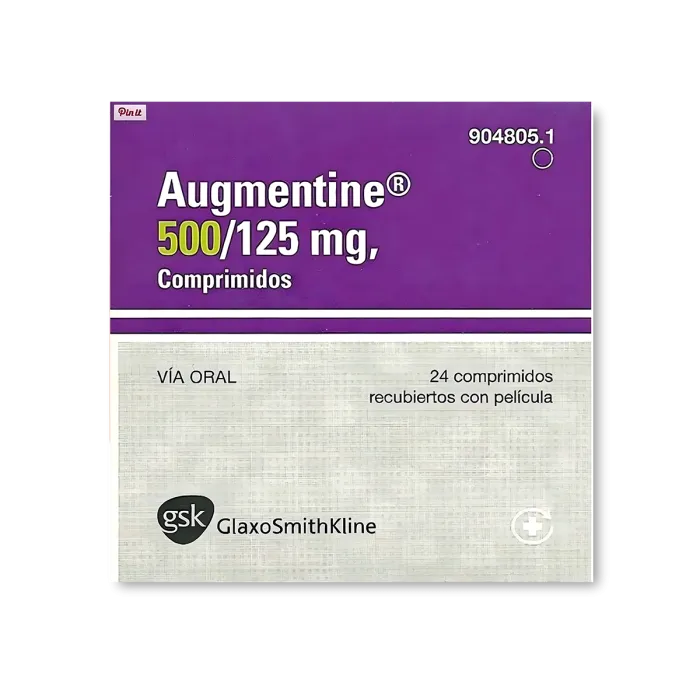
Augmentin 500/125 Mg

Azax 500 Mg

Cephadex 500 Mg

Norflox 200 Mg
Chronic PID: Symptoms and Causes

Chronic PID means inflammation of the upper genital tract due to an infection in women.
Chronic Pelvic Inflammatory Disease (PID) shows up with constant or repeated symptoms over an extended period.
Common symptoms include discomfort during sexual activity, irregular vaginal discharge, and dull pelvic pain.
Chronic PID often develops as a consequence of untreated or inadequately treated Acute PID.
Chronic inflammation within the pelvic organs, including the uterus, fallopian tubes, and ovaries, leads to tissue damage and scarring.
Continued inflammation and infection raise the possibility of side effects, including Ectopic pregnancy, infertility, etc.
Quick detection and treatment of Acute PID prevents its development into Chronic PID.
To learn more about Pelvic Inflammatory Disease symptoms, Read “Exploring Pelvic Inflammatory Disease Symptoms”
Treatment Approaches
Treatment for Acute PID typically involves a course of antibiotics to target the underlying infection.
These antibiotics are often administered orally or intravenously, depending on the severity of the condition.
In severe cases or when abscesses are present, surgical treatment may be necessary to drain fluid or remove infected tissue.
However, Chronic PID poses greater challenges in treatment due to its ongoing nature.
While antibiotics are still a mainstay, their effectiveness may be limited, and long-term management strategies focusing on symptom control and prevention of complications become necessary.
Close monitoring by doctors is essential to ensure optimal outcomes and reduce the risk of recurrence.
To find out more about treatment options for Pelvic Inflammatory Disease, Read Exploring Pelvic Inflammatory Disease Treatments.
Acute PID vs Chronic PID: Key Differences
Pelvic Inflammatory Disease (PID) is categorized as acute if it lasts 30 days or less.
Chlamydia usually causes chronic PID and may involve symptoms such as pain during sexual intercourse and a sense of a mass in the abdomen.
Acute PID is commonly associated with acute bacterial infections, such as Neisseria Gonorrhoeae or Chlamydia Trachomatis.
In contrast, Chronic PID may involve a broader range of bacteria, including anaerobic organisms, due to its prolonged nature and potential for polymicrobial infections.
| Key Differences | Acute PID | Chronic PID |
|---|---|---|
| Clinical Presentation | Rapid start of severe pelvic pain | Gradual start of constant pelvic discomfort |
| Duration of Symptoms | Symptoms may continue for several days to a few weeks if left untreated | Symptoms may be constant for weeks to months |
| Reproductive Impact | Often reversible with immediate treatment | Higher risk of long-term reproductive complications |
| Severity | Typically presents with Acute illness | It may have milder symptoms but longer-lasting effects |
| Diagnostic Challenges | Easier to diagnose due to Acute symptoms | Often diagnosed late due to subtle or vague symptoms |
| Treatment Approach | Requires immediate antibiotic therapy | This may require constant antibiotic courses or surgical intervention |
Close monitoring by physicians is important to ensure optimal results and reduce the risk of recurrence.

Frequently Asked Questions
Can Chronic PID symptoms mimic other medical conditions?
Yes, Chronic PID symptoms can mimic other medical conditions, such as endometriosis or irritable bowel syndrome.
Common symptoms include pelvic pain and abnormal vaginal discharge, which overlap with those of other disorders.
Proper diagnosis through medical history, physical examination, and diagnostic tests is essential to differentiate Chronic PID from other conditions.
Are there any lifestyle changes recommended for managing Acute vs Chronic PID?
Yes, in managing Acute PID, lifestyle changes include abstaining from sexual activity until treatment completion, practicing safe sex after that, and avoiding douching.
In Chronic PID, regular follow-ups with healthcare providers, sticking to prescribed medications, and adopting a healthy lifestyle with a balanced diet and exercise are recommended to prevent flare-ups.
How does acute PID affect fertility compared to chronic PID?
Acute PID can significantly impact fertility if left untreated, causing fallopian tube scarring and blockage, leading to infertility or Ectopic pregnancy.
Chronic PID may also affect fertility, but the risk is lower as it progresses gradually, allowing for earlier intervention to prevent irreversible damage to reproductive organs.
Is it possible to prevent Acute PID and Chronic PID?
Yes, it’s possible to prevent both acute and chronic PID.
Practicing safe sex, including consistent condom use, reduces the risk of Sexually Transmitted Infections that can lead to PID.
Regular STI screenings, prompt treatment of infections, and maintaining good genital hygiene also play key roles in prevention.
Are there specific age groups more prone to Acute or Chronic PID?
Yes, both acute and chronic pelvic inflammatory disease (PID) can affect women of reproductive age.
However, younger women, particularly those under 25, are at a higher risk for acute PID due to increased sexual activity and higher susceptibility to sexually transmitted infections.
Chronic PID may occur more frequently in older women.
Cheap Medicine Shop only refers to credible, authoritative sources for our content. If you’re curious about how we ensure the integrity of our content, we encourage you to read our Content Information Policy.
Recent Web Stories