


Pelvic Inflammatory Disease (PID) is a severe infection that is prevalent among young women in their reproductive years.
Each year, more than 275,000 women worldwide receive a diagnosis of PID, resulting in approximately 100,000 surgical procedures being performed.
Fortunately, this infection can be treated timely with antibiotic medications.
But what antibiotics treat Pelvic Inflammatory Disease, and are there any other treatment options available?
Let us find the answer to these common questions about PID treatment in this article.
What Antibiotics Treat Pelvic Inflammatory Disease
The antibiotic prescribed for treating PID varies depending on the underlying cause of your condition.
These antibiotics should be effective against common PID causes such as Chlamydia and
Gonorrhea, along with other bacteria types, Anaerobes and Streptococci.
Doxycycline and Azithromycin are two such drugs used for this purpose.
Some other antibiotics used for this disease include Clindamycin and Gentamicin.
Antibiotic tablets are generally prescribed for about two weeks, sometimes with an initial injection.
It is important to finish the full course of antibiotics, even if you start feeling better, to ensure the infection is completely gone.
Stopping the treatment midway can result in the bacteria becoming resistant to antibiotics, making future treatment more challenging.
Save up to 90% on your medicine bills
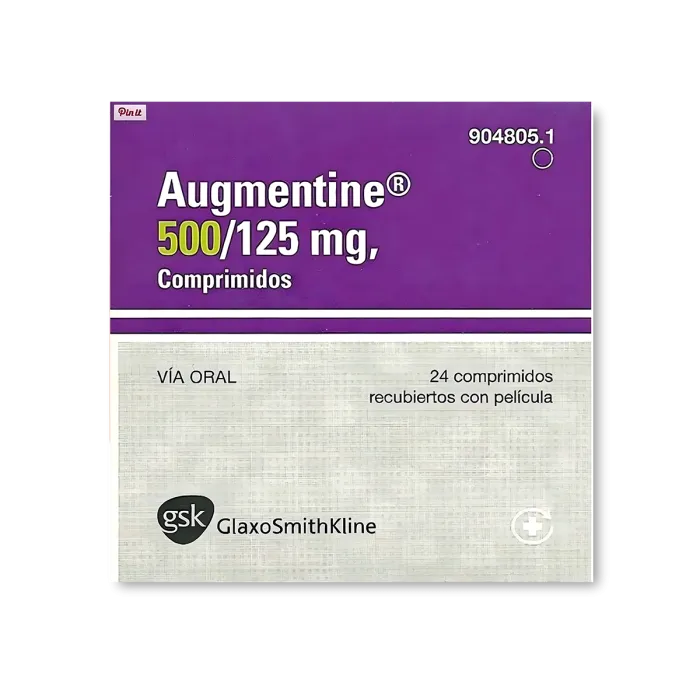
Augmentin 500/125 Mg

Azax 500 Mg

Cephadex 500 Mg

Norflox 200 Mg
Alternate Treatments for PID
 Source: pixelshot
Besides antibiotic therapy, some individuals also opt for certain natural remedies for PID, such as probiotics supplements or herbs.
These alternative treatment methods may provide relief from some symptoms of PID. However, their impact can vary depending on individual responses.
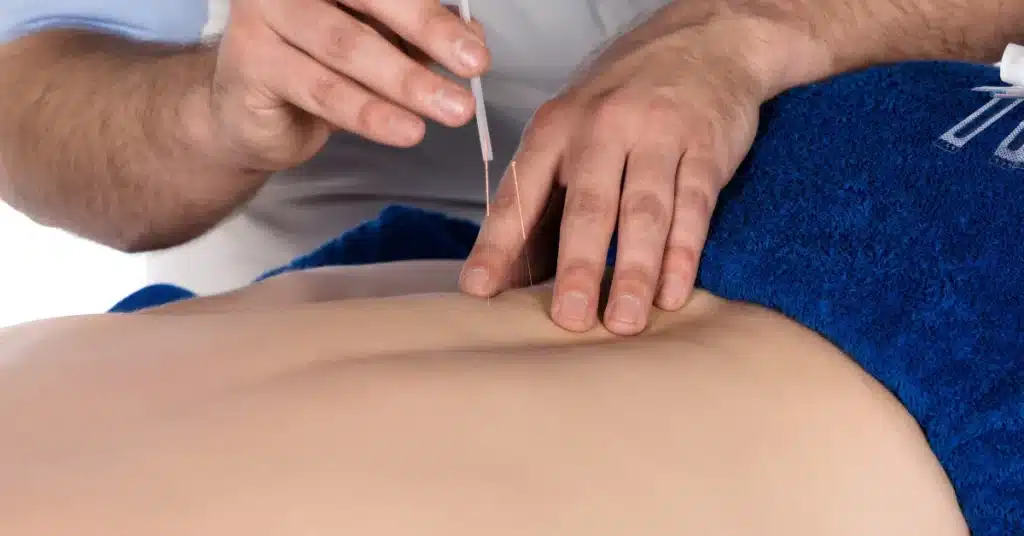
Additionally, Acupuncture may be recommended to alleviate PID pain and improve blood circulation.
Furthermore, certain pelvic exercises may also help promote movement in the region.
In some cases, you may consider undergoing ozone therapy for PID under the guidance of your doctor.
Can You Treat PID Naturally
No, you cannot treat PID naturally.
While some natural remedies may help manage symptoms, antibiotics prescribed by a certified doctor are necessary to treat PID effectively.
Moreover, natural treatments for PID are intended to complement prescribed medications rather than replace them entirely.
PID is a serious infection that can lead to various complications, such as infertility if left untreated.
Therefore, it is important to prioritize timely medical treatment to prevent the risk of such complications.
Conclusion
Pelvic Inflammatory Disease (PID) is a prevalent female reproductive tract infection that affects the ovaries, uterus, and fallopian tubes.
Individuals seeking treatment for this condition often ask- “What antibiotics treat Pelvic Inflammatory Disease?”
The primary treatment for Pelvic Inflammatory Disease typically includes a combination of antibiotics like Doxycycline and Azithromycin.
Other antibiotics, such as Clindamycin and Gentamicin, may also be prescribed based on the diagnosis.
Additionally, certain natural treatment options such as Probiotic supplements, Acupuncture, and
Pelvic exercises may prove beneficial.
However, these natural options cannot be a replacement for PID antibiotic treatment.
It is essential to seek timely treatment through a certified doctor to eliminate PID effectively.

Frequently Asked Questions
Which antibiotic is best for Pelvic Inflammatory Disease?
The best antibiotic for Pelvic Inflammatory Disease varies based on the specific bacteria behind the infection and individual factors.
Commonly used antibiotics include Doxycycline, Azithromycin, Ceftriaxone, and Metronidazole, which are prescribed based on medical evaluation. Buy Now
What are some antibiotics for PID in pregnancy?
Some antibiotics commonly used to treat PID during pregnancy include Azithromycin, Erythromycin, and Amoxicillin.
However, the choice of antibiotic should be determined by a doctor based on the individual’s health condition and pregnancy status. Buy Now
What foods should you avoid with PID?
While there are no specific foods to avoid for PID, it’s recommended to maintain a balanced diet including fruits, vegetables, and lean proteins for general well-being. Buy Now
Can PID affect a virgin?
Yes, Pelvic Inflammatory Disease (PID) can affect individuals who have never engaged in sexual intercourse.
Infections can enter the reproductive tract through various means other than sexual contact, such as the insertion of tampons. Buy Now
Can you live with PID?
No, PID is a potentially life-threatening condition that can lead to chronic pelvic pain and infertility if left untreated.
It is best to seek prompt treatment for PID through a trusted doctor. Buy Now
Cheap Medicine Shop only refers to credible, authoritative sources for our content. If you’re curious about how we ensure the integrity of our content, we encourage you to read our Content Information Policy.
Recent Web Stories