

The natural phase of Menopause usually begins in the late 40s or early 50s in women.
It is characterized by missing menstrual periods for twelve consecutive months, which affects the fertility of women.
Most women are curious about their chances of enjoying motherhood during Menopause.
Hence, they commonly ask, “Can you get pregnant during Menopause?”
There are several factors and risks that influence pregnancy chances during Menopause in an individual.
This article will discuss the link between Menopause and fertility, the risks involved, and the factors that influence it.
Can You Get Pregnant During Menopause
In order to understand if you can get pregnant during Menopause, one first has to become aware of the different Menopause stages.
A woman’s pregnancy chances usually depend on which stage they are passing by.
The first stage, named Perimenopause, starts 8-10 years earlier when the ovaries stop producing enough Estrogen.
This results in irregular periods, but the ovaries still release eggs, which indicates that a woman can still get pregnant around this phase.
The next stage is Menopause, where there is a permanent end of menstrual cycles.
In this phase, the ovaries no longer produce reproductive hormones and eggs, which means that a woman cannot get pregnant during Menopause.
Hence, the chances of a natural pregnancy after Menopause are usually close to null.
Are you curious to learn more about pregnancy after Menopause? Read Exploring the Myth: Can You Get Pregnant After Menopause?
Save up to 90% on your medicine bills
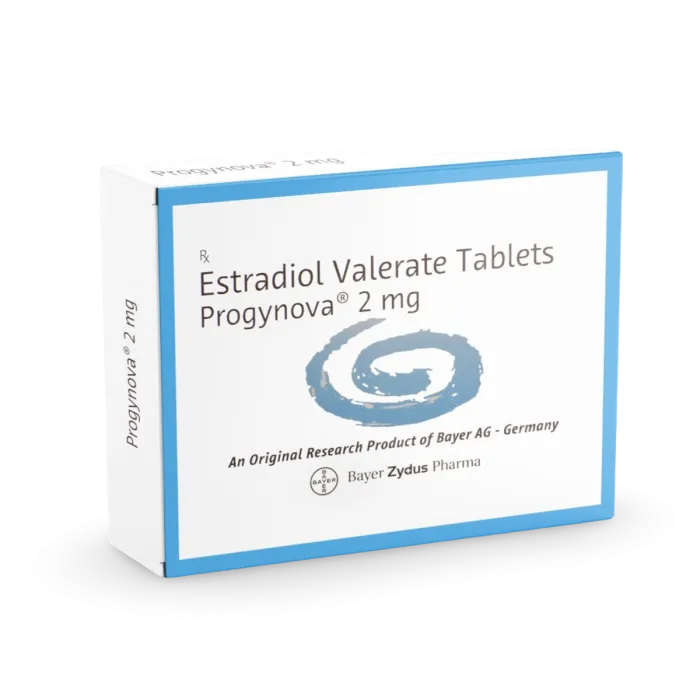
Progynova 2 mg

Oestrogel 2.5 gm / 1.5 mg

Estrabet 2 Tablet
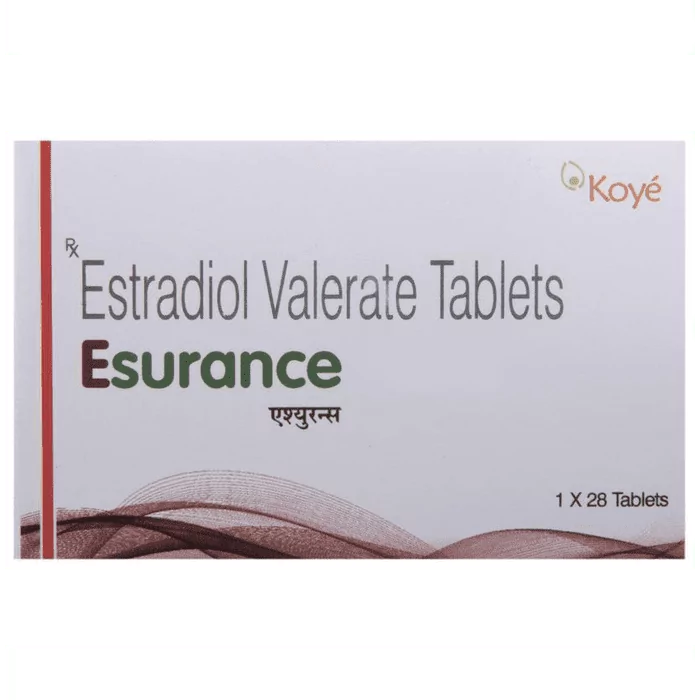
Esurance Tablet
Factors Affecting Fertility in Menopause
Several factors can affect fertility during Menopause, depending on the individual.
According to research, anovulation in women increases through their Perimenopausal stage, and their duration becomes longer.
Menopause symptoms like Depression, Anxiety, and vaginal dryness can increase the aversion to sexual activities, reducing pregnancy chances further.
With Menopause, the ovaries start producing fewer oocytes, which are responsible for releasing eggs.
Oocytes are also the main source of Estrogen, Progesterone, and Androgens necessary for pregnancy.
Thus, the depletion of the oocytes reduces the fertility of an individual and their chances of pregnancy.
Oocytes are the immature female reproductive cells, which are also known as eggs. It is found in the ovaries and is responsible for releasing eggs during ovulation and initiating.
Pregnancy Risks During Menopause
Although the idea of getting pregnant using artificial means exists, it usually comes with several complications.
It can prove to be quite serious for both the health of the mother and the baby.
Women can experience complications like Diabetes, obstructed labor, and the attachment of the placenta in the lower uterus.
The risk of death during birth or pregnancy also increases with one’s age.
Additionally, there are higher chances of chromosomal abnormalities, low-weight birth, and preterm birth of the baby.
Conclusion
“Can you get pregnant during Menopause?” is a very common question since every woman undergoes Menopause.
Women can get pregnant during Perimenopause, but pregnancy during Menopause usually becomes unlikely.
This is because ovulation and menstruation completely stop, and there is no release of eggs.
The ovaries also stop producing hormones necessary for reproduction, thus reducing one’s fertility.
Pregnancy via artificial means during Menopause also results in complications for both the mother and the baby.
Hence, it is always best to consult your doctor before deciding on one’s reproductive health.

Frequently Asked Questions
Are there any natural methods to improve fertility during Menopause?
No, there are no natural methods to enhance fertility during Menopause. However, individuals can opt for artificial methods like Assisted Reproductive Technology (ART).
Individuals can also delay the onset of Menopause if they maintain a healthy lifestyle.
What birth control methods are suitable for women in Menopause?
For women in Menopause, non-hormonal options like Copper Intrauterine Devices (IUDs) or barrier methods such as condoms are suitable for birth control.
Women can also consult with their doctor to get the most suitable birth control and avoid any potential risks.
Is it necessary to continue contraception after Menopause?
No, it is not necessary to continue contraception after Menopause since natural fertility declines in this phase. However, individuals may continue to use them to avoid unintended pregnancies in rare cases.
Can a woman get pregnant post-menopause?
Yes, although natural pregnancy after Menopause is rare, using artificial methods like In Vitro Fertilization (IVF) can make it possible. Women can also opt for donor eggs, or one’s frozen eggs to attain pregnancy.
Can women mistake certain Menopause symptoms for pregnancy?
Yes, women can mistake certain Menopause symptoms, such as fatigue, breast tenderness, and changes in menstrual patterns, for pregnancy. Both conditions share common signs, which can result in confusion.
Cheap Medicine Shop only refers to credible, authoritative sources for our content. If you’re curious about how we ensure the integrity of our content, we encourage you to read our Content Information Policy.
Recent Web Stories