


Menopause happens when a woman permanently stops having menstrual periods.
Menopause is a significant health transition for women, often causing emotional and physical changes.
A balanced Menopause diet is an important consideration for managing this transitional period with well-being.
Dietary decisions during Menopause help optimize nutrition to support hormonal balance and reduce related symptoms.
This article discusses foods to avoid and diets to follow during Menopause.
Menopause Diet
Women’s nutritional needs during the menopausal transition are vital to preserving general health.
During Menopause, essential nutrients are prioritized, with particular attention paid to Calcium, Vitamin D, Omega-3 fatty acids, and Phytoestrogens.
Calcium is particularly important in reducing the risk of developing Osteoporosis during Menopause. It is a condition in which the bones become brittle and fragile.
Vitamin D can be obtained from sunlight. This vitamin helps your body absorb calcium and support your immune system.
Omega-3 fatty acids, which are present in flaxseeds and fish, support heart health and may lessen some menopausal symptoms.
Soy and other plant-based foods contain Phytoestrogens, which resemble the effects of Estrogen and may reduce hormonal fluctuations during Menopause
Maintaining balance between these nutritional components is essential for women managing Menopause, providing a basis for hormonal balance and general well-being.
Save up to 90% on your medicine bills
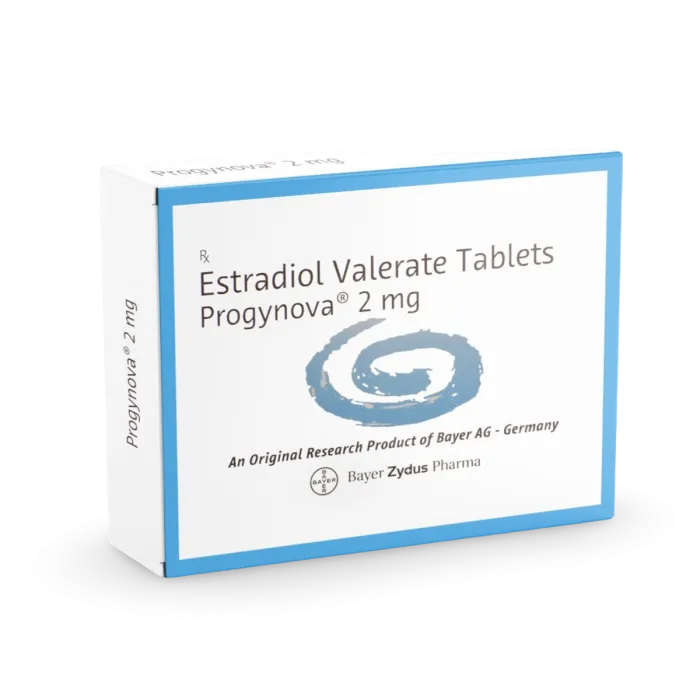
Progynova 2 mg

Oestrogel 2.5 gm / 1.5 mg

Estrabet 2 Tablet
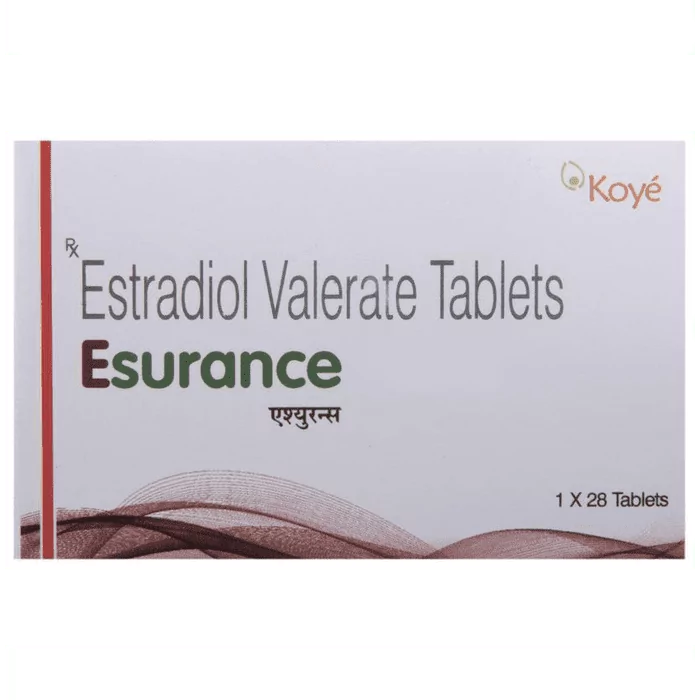
Esurance Tablet
Foods to Avoid During Menopause

Certain foods, such as processed foods, sugary treats, caffeine, and spicy foods, can worsen menopausal symptoms and disrupt hormone balance.
Limiting or avoiding certain foods during this transition period is important to manage it smoothly.
Coffee: While a cup in the morning is fine, consuming too much caffeine can make menopausal symptoms worse, like hot flashes and Insomnia.
Choose herbal teas for Menopause or decaf options if possible.
Alcohol: During Menopause, moderate alcohol consumption is advised.
Excessive consumption of alcohol can lead to changes in mood and disrupt normal sleep patterns.
Processed Foods: Many processed foods have artificial additives, unhealthy fats, and added sugars. These may be linked to inflammation and weight gain.
Make whole, minimally processed foods your main focus for improved general health.
Sugary Treats: Consuming too much sugar can cause energy crashes and weight gain.
Limiting the intake of sugary drinks, desserts, and snacks is recommended.
Natural sweeteners should be preferred over artificial ones and should be used sparingly.
Want to know why women gain weight during Menopause? Read Understanding Why Do Women Gain Weight During Menopause.
Spicy Foods: For some women, spicy foods can cause hot flashes.
Although not always an issue, try reducing the amount of extremely spicy food if you’re feeling more uncomfortable.
Small adjustments in dietary choices can positively impact managing menopausal symptoms.
For specific guidance, always speak with a doctor.
Want to know about foods to avoid for Menopause belly fat? Read What Foods to Avoid for Menopause Belly Fat: Answered
Conclusion
Menopause is the permanent end of menstruation, marking the end of the reproductive years in women.
Incorporating a diet for Menopause may support a woman’s well-being and relieve common symptoms of Menopause.
During Menopause, it’s important to focus on getting enough Calcium, Vitamin D, Omega-3 fatty acids, and Phytoestrogens.
Calcium and Vitamin D helps maintain strong bones, which is important for women undergoing menstrual changes.
Some foods can worsen menopausal symptoms and disrupt hormone balance, including processed foods, sugary treats, caffeine, and spicy foods.
Personalized diet plans should be considered, and medical professionals should be consulted for specific guidance.

Frequently Asked Questions
How important is exercise in addition to a Menopause diet?
Physical activity helps manage weight, enhances mood, and supports overall well-being.
It contributes to hormonal balance and bone health and improves sleep.
Combining exercise with a balanced diet optimizes the effectiveness of managing menopausal symptoms, promoting a healthier transition through this life stage.
Can a menopausal diet help with sleep disturbances?
Yes, adopting a menopausal diet rich in sleep-promoting nutrients, such as Magnesium and Tryptophan, may help alleviate sleep disturbances.
Incorporating foods like nuts, seeds, and turkey and mindful eating habits can contribute to better sleep quality during Menopause.
Additionally, consulting with a doctor for personalized advice is advisable.
What role does hydration play in managing menopausal symptoms?
Staying well-hydrated helps relieve common issues like hot flashes and supports overall health.
Adequate water intake aids in temperature regulation and eases discomfort.
During Menopause, women need to prioritize hydration as part of their comprehensive approach to symptom management.
Are there specific foods to alleviate hot flashes and night sweats?
Yes, certain foods can help alleviate hot flashes and night sweats during Menopause.
Incorporating soy products, flaxseeds, and cooling foods like cucumbers and watermelon may offer relief.
Additionally, staying hydrated and avoiding spicy foods can contribute to managing these symptoms.
Should I consider supplements during Menopause?
Supplements may be beneficial during Menopause to address specific nutritional needs.
Consult with a doctor to determine if supplements like Calcium, Vitamin D, and Omega-3 fatty acids are necessary for you.
Personalized advice can ensure that you use supplement safely and effectively based on your health status.
Cheap Medicine Shop only refers to credible, authoritative sources for our content. If you’re curious about how we ensure the integrity of our content, we encourage you to read our Content Information Policy.
Recent Web Stories