

Endometriosis is a condition where tissues that are similar to the lining of one’s uterus grow outside the uterus.
In some uncommon cases, this condition can remain even after Menopause.
Although Menopause results in the slow shrinkage of Endometriosis growth, its symptoms can persist due to hormonal therapy in some people.
To manage the condition properly, women should first be aware of the symptoms of this condition.
It is also important to know its diagnosis process and available treatments.
This article will discuss the definition, symptoms, diagnosis, and treatment of Endometriosis after Menopause.
Understanding Endometriosis After Menopause
Individuals who experience Endometriosis often notice high Estrogen levels as a factor that influences it.
Thus, women may often think that Endometriosis may reduce or stop after Menopause due to low Estrogen.
Yet, this is not the case since most women undergo Hormonal Replacement Therapy (HRT) to restore their Estrogen levels.
Research states about 2-5% of women experience postmenopausal Endometriosis as a side effect of HRT.
Another study shows that HRT can reactivate Endometriosis after Menopause.
Save up to 90% on your medicine bills
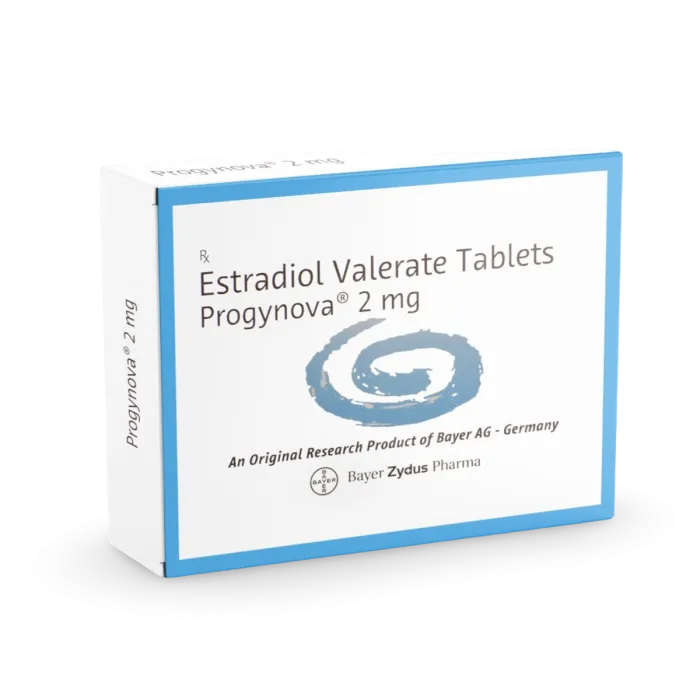
Progynova 2 mg

Oestrogel 2.5 gm / 1.5 mg

Estrabet 2 Tablet
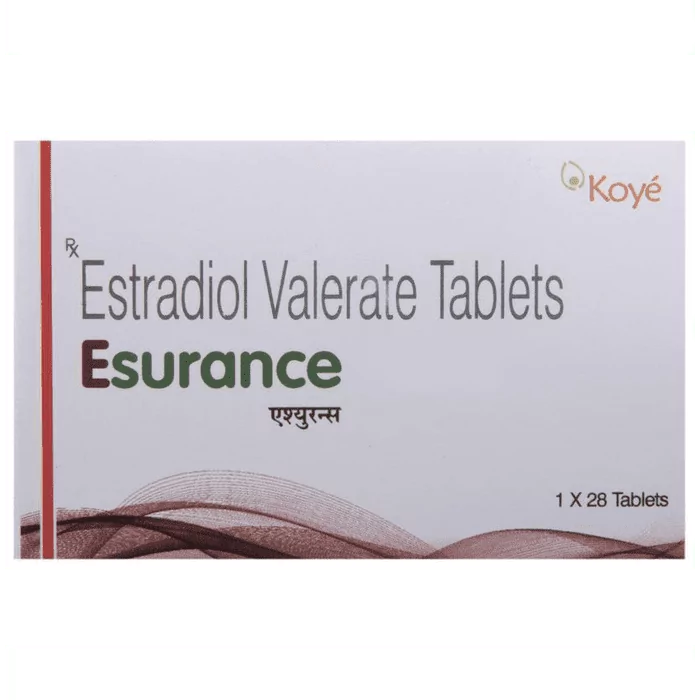
Esurance Tablet
Postmenopausal Endometriosis Symptoms
 Source: Signautre_image
Endometriosis after Menopause can produce several symptoms, which can also include certain Menopause symptoms.
Some of the common symptoms of postmenopausal Endometriosis include pelvic pain, ovarian cysts, and other intestinal symptoms.
It often results in pain with bowel movements and causes Dyspareunia in some women.
This pain often arises from Menopausal vaginal dryness.
Individuals may also experience symptoms like hot flashes, mood swings, Depression, Anxiety, and night sweats.
Diagnosis and Treatment of Endometriosis Post Menopause
There are several diagnosis methods that doctors use to identify Endometriosis post-Menopause.
These tests include pelvic examination, ultrasound, CT scan, and Magnetic Resonance Imaging (MRI).
Doctors often opt for treatments like hormonal suppression and surgery or a combination of both.
In some cases, women can also get relief from pain due to Endometriosis with Acupuncture.
Experts may also suggest anti-inflammatory medications to reduce inflammation due to this condition.
Others can opt for certain Menopause natural remedies like herbs and supplements to reduce hot flashes.
Conclusion
Experiencing Endometriosis after Menopause is not common, but some women can experience it due to Hormonal Replacement Therapy (HRT).
It can produce symptoms like pelvic pain, ovarian cysts, and intestinal problems.
Some women also experience Menopausal symptoms like hot flashes, mood swings, and night sweats.
Doctors usually diagnose methods like pelvic examination, ultrasound, Magnetic Resonance Imaging (MRI), and CT scan to identify the condition.
Additionally, they can also prescribe hormone suppression and surgery as a form of treatment.
It is always best to consult with your doctor before choosing a treatment for Endometriosis after Menopause.

Frequently Asked Questions
Can Endometriosis completely be cured?
No, Endometriosis cannot be completely cured, but one can manage its symptoms with proper treatments.
These often include surgical interventions and hormonal therapies to reduce the pain and growth of endometrial tissue.
What are the risks involved with Endometriosis after Menopause?
After Menopause, Endometriosis poses risks such as misdiagnosis due to similar symptoms as other conditions.
Some individuals may face risks of its worsening due to delayed treatment and increased chances of complications like ovarian cancer.
Can natural remedies alone help in improving Endometriosis after Menopause?
No, natural remedies may offer symptom relief for Endometriosis after Menopause, but they cannot provide a permanent solution.
Lifestyle changes, dietary adjustments, and herbal supplements may help manage pain and inflammation. However, it is not an alternative to proper medical treatment.
What are the other health problems that arise after Menopause?
After Menopause, the risk of getting Osteoporosis (thinning bones) due to lowering Estrogen levels, leading to bone density loss.
The risk of experiencing certain cardiovascular diseases also increases, with a high risk of stroke.
What are the latest research advancements for Endometriosis after Menopause?
The recent research explores why Endometriosis stays after Menopause and aims to develop new treatments. Other studies are investigating medications targeting hormone receptors and inflammation.
These therapies include Selective Estrogen Receptor Modulators (SERMs) and immunomodulatory medicines.
Cheap Medicine Shop only refers to credible, authoritative sources for our content. If you’re curious about how we ensure the integrity of our content, we encourage you to read our Content Information Policy.
Recent Web Stories