
Uterine fibroids are tumors that are prevalent among women of reproductive ages.
However, some women may also experience fibroids after Menopause.
Menopause is the transitional phase that puts an end to a woman’s reproductive capabilities.
Although rare, Postmenopausal fibroids can lead to various discomforting symptoms.
These discomforts may intensify the already prevailing Menopausal symptoms among women.
Therefore, it becomes essential to understand the possible complications and treatment methods for such fibroids.
Let us begin with the article to learn more about fibroids after Menopause.
What Are Fibroids
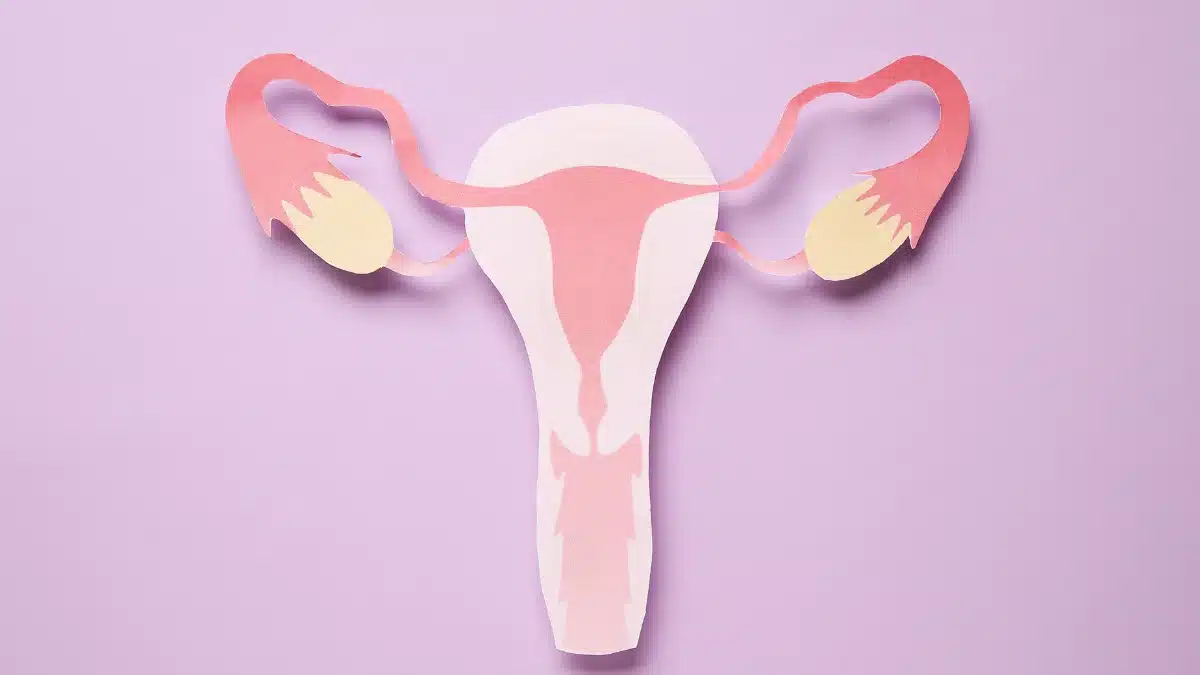
Fibroids are tumor growths of muscular or fibrous tissue in the uterus that are mostly non-cancerous.
These tumors are prevalent and can occur at any age.
However, they are more commonly observed during the late reproductive years, particularly as Menopause approaches.
Uterine fibroids are often asymptomatic. However, numerous women may experience discomforting symptoms of fibroids, including:
- Excessive and continuous bleeding
- Enlarged abdomen
- The feeling of fullness in the abdomen
- Painful intercourse
- Lower back pain
- Frequent urination
- Increased pressure on the bladder or bowels
These fibroid-related symptoms, along with other symptoms of Menopause, can significantly impact an individual’s overall well-being.
Therefore, seeking medical advice is essential if you experience any fibroid symptoms.
Save up to 90% on your medicine bills
Progynova 2 mg

Oestrogel 2.5 gm / 1.5 mg

Estrabet 2 Tablet
Esurance Tablet
What Happens to Fibroids After Menopause
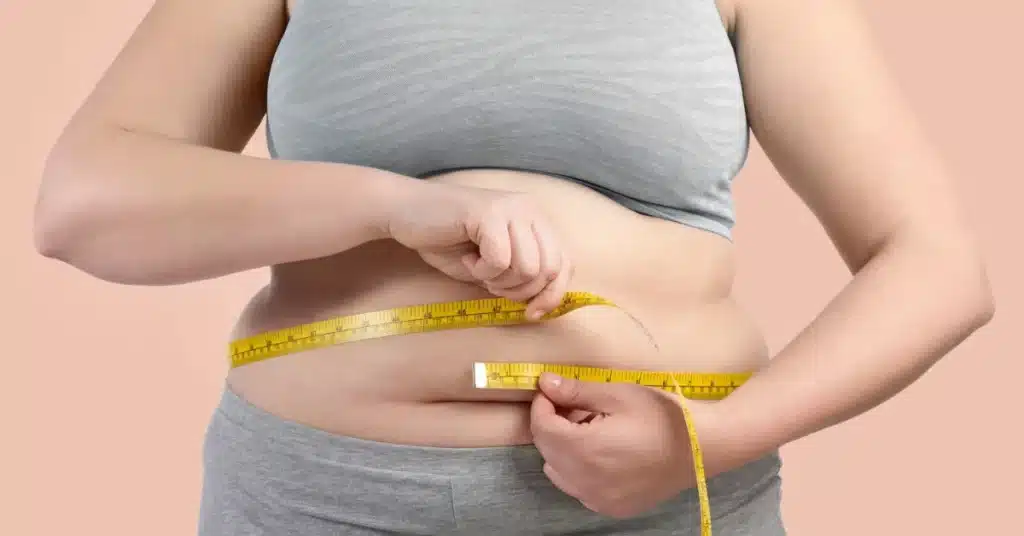 Source: Sciencephoto
Fibroids need hormones such as Estrogen to grow.
Therefore, most fibroids shrink and reduce after Menopause due to the decline in Estrogen levels.
However, some women may still experience issues related to fibroids long after their Menopause ends.
In particular, women who undergo Hormone Replacement Therapy (HRT) are more likely to experience fibroid-related symptoms.
This happens because the dropping Estrogen levels are replenished through HRT.
Other risk factors for fibroid development include family history, Obesity, and high blood pressure.
Treatments for Fibroids After Menopause
Uterine fibroids may not require treatment Postmenopause if the patient shows no symptoms.
However, it is essential to seek treatment if you experience any symptoms of fibroids.
After analyzing various factors, your doctor may suggest a wait-and-watch approach along with regular monitoring.
Medications such as Nonsteroidal Anti-Inflammatory Drugs (NSAIDs) may also be prescribed to relieve pain.
For severe cases, your doctor may recommend undergoing surgical procedures such as Myomectomy or Hysterectomy.
Some of these surgical methods result in loss of fertility. This issue is often not a concern among Menopausal women, as you cannot get pregnant after Menopause.
However, undergoing surgery for fibroids during Perimenopause may reduce your chances of conceiving during this transitional phase.
If you are interested in learning about conceiving during Perimenopause, Read Finding Out: Can You Get Pregnant During Perimenopause.
Conclusion
Numerous women of reproductive ages develop fibroids, which are masses of muscle or tissue that form in the uterus.
Most fibroids shrink after Menopause due to the lack of Estrogen.
However, some women may continue to experience the presence of fibroids after Menopause.
These fibroids are often asymptomatic. But in some cases, they may lead to symptoms such as bleeding, lower back pain, painful intercourse, and an enlarged abdomen
Asymptomatic fibroids generally do not require treatment Postmenopause.
However, it is important to seek medical treatment if you experience symptoms due to fibroids.
In case of severe symptoms, your doctor may suggest regular monitoring, medications, or surgical procedures.
It is also important to remember that most fibroids are non-cancerous.
However, consider undergoing proper diagnostic tests to ensure malignancy of your uterine fibroids.

Frequently Asked Questions
Should I worry about fibroids after Menopause?
No, fibroids are generally not a concern after Menopause.
After Menopause, fibroids typically shrink, and symptoms improve.
However, if symptoms persist or new issues arise, consult a doctor to rule out any underlying concerns or complications.
What is the fastest way to shrink fibroids?
Surgery is often considered the fastest way to shrink fibroids.
However, not every case of fibroids requires surgical treatments.
Consult your doctor to determine the ideal treatment method for you.
What happens if fibroids go untreated?
Fibroids without symptoms usually don’t need treatment, especially after Menopause.
But if severe fibroids aren’t treated, they can cause problems like heavy periods, pelvic pain, and pressure on nearby organs.
Sometimes, fibroids can lead to issues like anemia or difficulty getting pregnant.
Is it OK to live with fibroids?
Yes, living with fibroids is generally manageable, especially if symptoms are mild.
However, if fibroids cause significant discomfort or complications, seeking treatment is advisable to improve quality of life.
What size fibroids need surgery?
Fibroids that cause severe symptoms like heavy menstrual bleeding, pelvic pain, or pressure on surrounding organs may require surgery, regardless of size.
The decision depends on the individual’s symptoms, overall health, and preferences.
Therefore, it is important to discuss this with a doctor.
Cheap Medicine Shop only refers to credible, authoritative sources for our content. If you’re curious about how we ensure the integrity of our content, we encourage you to read our Content Information Policy.
Recent Web Stories