
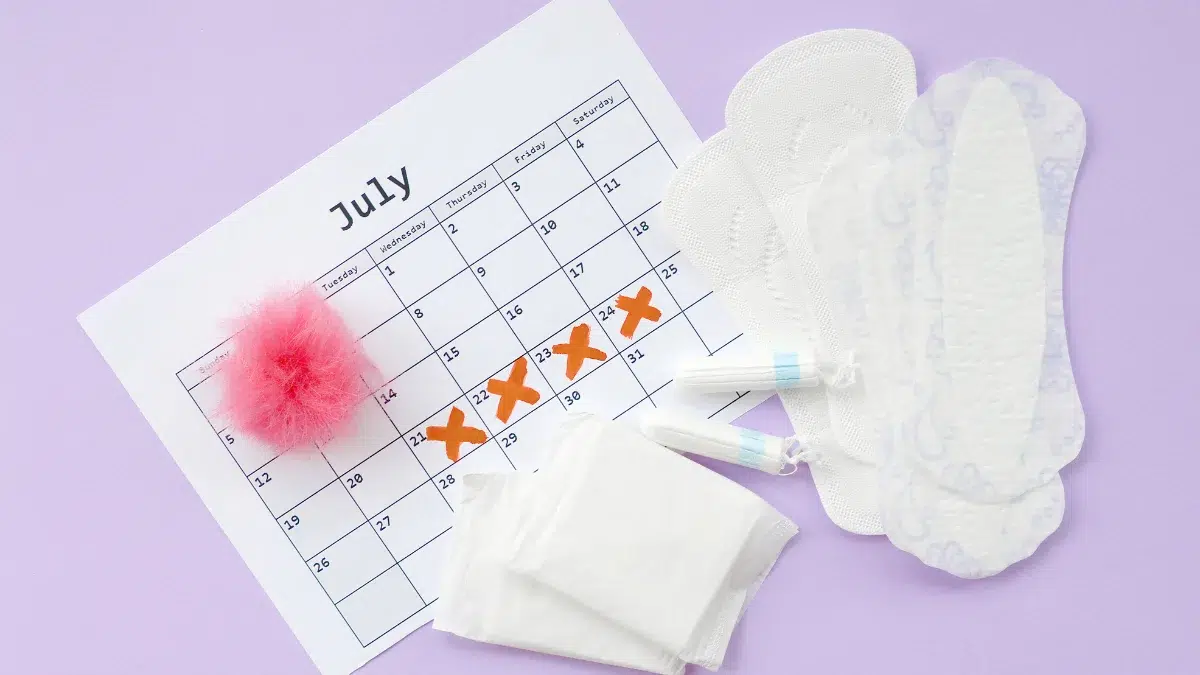
Heavy bleeding during periods is a common concern among young women in their reproductive years.
While moderate menstrual flow may not raise concerns, women experiencing significantly heavy periods are exposed to various risks and potential complications.
One such complication is excessive iron deficiency, which may impact various bodily functions in women and lead to heavy menstruation Anemia.
Understanding the potential causes and treatment options for heavy menstruation Anemia is important for seeking appropriate medical care.
What is Heavy Menstruation Anemia
Heavy menstruation, also known as Menorrhagia, causes significant blood loss during menstruation phases, leading to iron-deficiency anemia in women.
Heavy menstrual bleeding impacts around 10 million women annually in the United States.
You may be affected by heavy menstrual bleeding if you:
- Need to change pads or tampons very often
- Frequently run out of menstrual products
- Experience prolonged menstrual bleeding
- Pass large blood clots
- Feel fatigued or unable to perform regular activities during menstruation
This excessive blood loss during menstruation can deplete red blood cells beyond the body’s production capacity, leading to decreased iron levels.
Iron levels are essential for hemoglobin synthesis, which facilitates oxygen transportation.
A drastic decline in iron levels may lead to Anemia, a common blood disorder associated with reduced hemoglobin levels.
While heavy menstruation doesn’t always result in iron deficiency, it’s important to monitor for signs of Anemia if you experience heavy periods.
Some symptoms of Anemia from heavy menstruation include:
- Fatigue
- Weakness
- Shortness of breath
- Pale or yellowish skin
- Dizziness
- Frequent headaches
Save up to 90% on your medicine bills

Naprosyn 500 mg

Brufen 400 mg
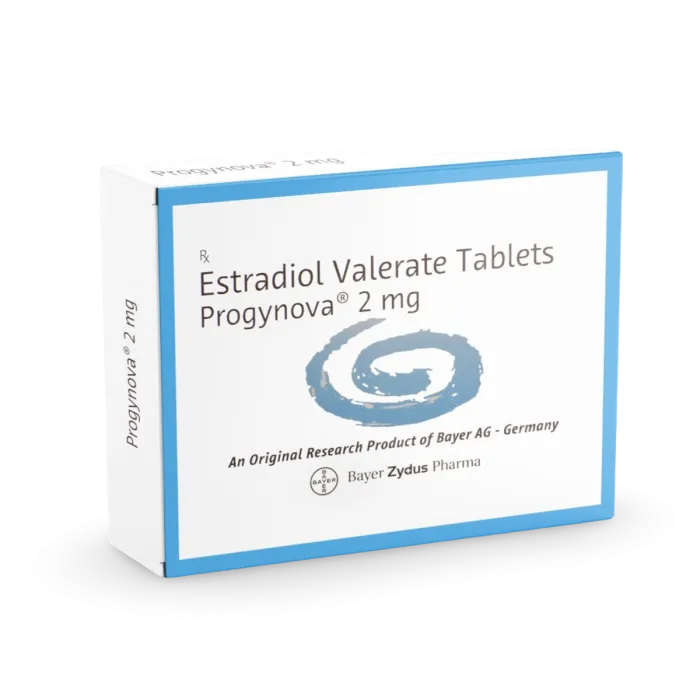
Progynova 2 mg

Oestrogel 2.5 gm / 1.5 mg
Reasons Behind Heavy Menstruation
Heavy menstrual bleeding is typically part of a broader medical condition known as Abnormal Uterine Bleeding.
This may include irregular, frequent, or absent periods, as well as bleeding post Menopause.
This condition may be caused by:
- disorders of ovulation, such as Polycystic Ovary Syndrome (PCOS)
- Infections such as Pelvic Inflammatory Disease (PID)
- Thyroid disorders
- Kidney disease
- Endometriosis
- Uterine fibroids
- Polyps
- Cancer
- Blood coagulation disorders
Additionally, heavy bleeding may also be a side effect of drugs such as antipsychotic medications.
These issues can result in prolonged, frequent, or heavy loss of blood, leading to Anemia over time.
How to Deal With Heavy Menstruation Anemia
The treatment for Anemia from heavy menstruation varies depending on the underlying cause of the prolonged bleeding.
Your doctor might recommend hormonal birth control to reduce blood loss.
Moreover, iron supplements and dietary changes may also be recommended to increase iron intake.
Iron supplementation through a vein using Ferric Carboxymaltose (FCM) is also an effective treatment option.
For severe bleeding, surgical procedures such as Hysterectomy or focused ultrasound surgery may be necessary.
Additionally, focus on your diet by adding iron-rich foods like red meat, spinach, legumes, shellfish, turkey, and quinoa.
Also, to aid iron absorption, consume foods high in Vitamin C, such as guavas, kiwis, broccoli, and oranges.
Conclusion
Several women worldwide face the issue of excessive bleeding during menstruation.
The loss of blood during menstruation can lead to severe iron deficiency, resulting in Anemia.
This correlation between Anemia and heavy menstruation is well established through research.
Some signs of heavy menstruation Anemia include fatigue, weakness, shortness of breath, and yellowish skin.
Possible causes of heavy menstruation include conditions such as Polycystic Ovary Syndrome (PCOS), Pelvic Inflammatory Disease (PID), and various other medical conditions.
It is important to seek timely treatment for iron deficiency Anemia through a certified doctor.
They may prescribe hormonal contraceptives, along with iron supplements.
Surgical procedures such as Hysterectomy may be needed for serious cases.
Additionally, it is advised to include iron-rich foods such as spinach, red meat, and turkey in your diet.


Frequently Asked Questions
What are periods like if you are Anemic?
Periods can be heavier and more prolonged if you are anemic.
You may also experience fatigue, weakness, shortness of breath, pale skin, and dizziness due to the decreased oxygen-carrying capacity of the blood.
Do iron pills stop heavy periods?
No, iron pills do not directly stop heavy periods.
However, they can help replenish iron stores in the body, which may alleviate symptoms of iron deficiency anemia caused by heavy menstrual bleeding.
How much iron should I take for heavy periods?
The recommended iron dosage for heavy periods depends on individual factors such as the severity of Anemia and overall health.
It is best to consult your doctor for personalized guidance tailored to your specific needs.
How many pads per day are normal?
The number of pads used per day during menstruation can vary widely depending on factors like flow intensity and personal preference.
On average, most people use about 3 to 6 pads or tampons per day.
What foods cause heavy periods?
While specific foods don’t directly cause heavy periods, certain dietary factors may worsen menstrual symptoms.
A high intake of caffeine, alcohol, and processed foods may contribute to hormonal imbalances, potentially affecting menstrual flow.
Cheap Medicine Shop only refers to credible, authoritative sources for our content. If you’re curious about how we ensure the integrity of our content, we encourage you to read our Content Information Policy.
Recent Web Stories