
Menstruation, a natural cycle in a woman’s life, comes with numerous unique challenges that many women can relate to.
While some women may feel constantly tired and anxious, others undergo a range of mood swings during these days.
Women also complain of irregular bowel movements or constipation during their periods, known as menstruation poop.
But what triggers these discomforts? And is there a way to get rid of them?
This article decodes everything you need to know about the relationship between menstruation and poop changes.
What is Menstruation Poop
Menstruation poop happens due to gastrointestinal discomfort that some women may face while on their periods.
These symptoms are part of the broader spectrum of Premenstrual Syndrome (PMS) that occurs a few days before menstruation.
Hormonal changes during menstruation affect bowel movements, resulting in constipation, Diarrhea, or more frequent trips to the bathroom.
Research indicates that approximately 73% of females experience gastrointestinal symptoms during their periods.
Common complaints among women regarding pooping during menstruation include:
- Constipation
- Diarrhea
- Painful poop during menstruation
- Abdominal cramping or discomfort
- Changes in stool consistency
- Increased stool frequency
- Increased gas
- Nausea
- Fatigue
- Changes in appetite
However, note that the exact presentation of these PMS symptoms may differ among individuals.
Save up to 90% on your medicine bills

Naprosyn 500 mg

Brufen 400 mg
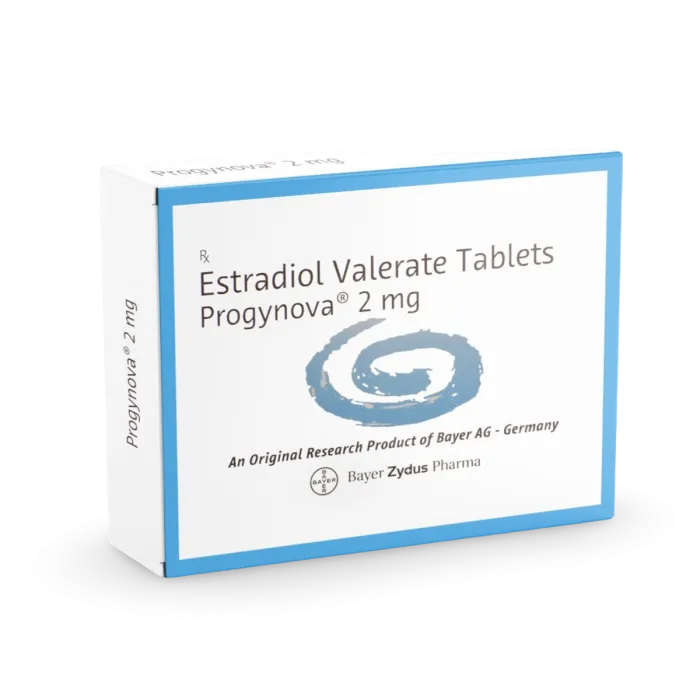
Progynova 2 mg

Oestrogel 2.5 gm / 1.5 mg
What Causes Menstruation Poop
 Source: getty_images
There are many possible reasons why you may experience menstrual pooping.
Among several reasons, common reasons behind menstruation poop include hormonal shifts, dietary changes, and stress.
Let us understand each of these factors in detail below.
Shifts in Progesterone
Before menstruation, Progesterone levels increase to facilitate the shedding of the uterus lining.
This increase may cause abdominal cramping, resulting in uncomfortable and painful period cramps.
Additionally, it can impact bowel function, potentially causing an increase in bowel movements or even Diarrhea.
Increased Muscle Contractions
The hormonal fluctuations during menstruation can stimulate muscle contractions in the intestines and bowels located close to the uterus.
This may cause increased bowel movements and may result in softer stools due to reduced water absorption, potentially leading to Diarrhea.
Furthermore, people may often get confused about whether the cramps are arising from the uterus or the stomach, adding to their challenges.
Stress and Anxiety
During PMS or menstruation, mood swings and heightened anxiety levels are common.
This stress can impact bowel movements, leading to constipation or Diarrhea.
Furthermore, research indicates that sensitivity to pain and discomfort can intensify during PMS, potentially worsening certain symptoms.
Dietary Changes
 Source: Robert_Popa's_Images
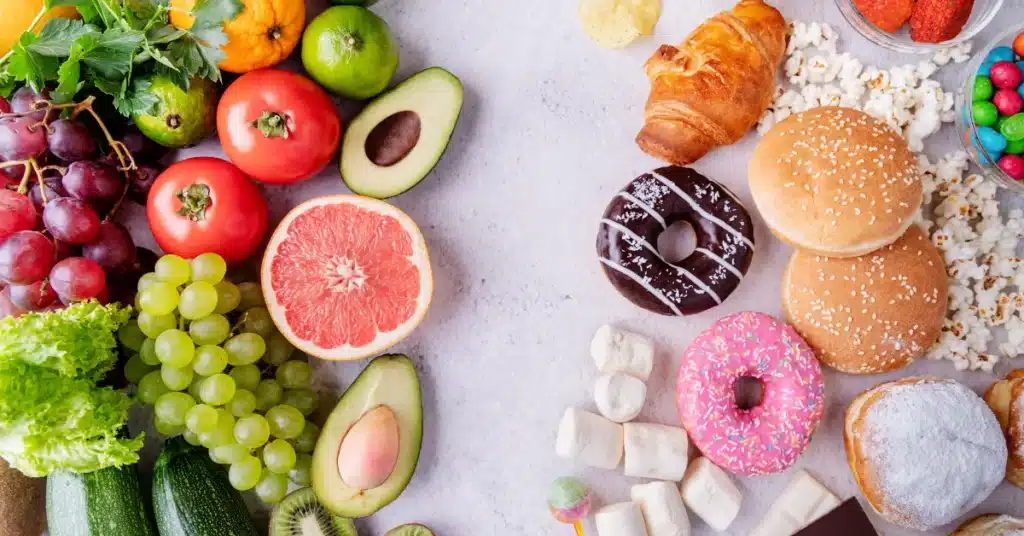
Progesterone can heighten hunger and trigger cravings for high-fat or sugary foods like ice cream or chocolate.
These foods are known to impact digestion and bowel movements.
Hence, changes in diet during PMS might affect stool consistency, regularity, or odor before or during menstruation.
How to Manage Menstruation Poop
While individuals may not always be able to control how their body responds to menstruation, making changes to their diet and lifestyle can help manage certain symptoms.
Here are some changes you may consider to better deal with menstruation poop:
- Eat foods high in natural fiber, like fruits, veggies, and whole grains, to keep your digestive system on track
- Stay active to relieve PMS bloating and discomfort and keep your bowel moving
- Consider using stool softeners to ease bowel movements until hormone levels stabilize
- Ibuprofen can help reduce cramping and discomfort and might alleviate period-related digestive symptoms
If menstrual bowel issues significantly affect your daily life, consult a doctor for treatment options.
They may prescribe hormonal birth control pills to balance hormones and reduce gastrointestinal symptoms due to PMS.
Additionally, certain natural remedies, such as supplements and herbal teas for PMS, may also prove beneficial.
If you wish to learn all about the different types of remedies available for PMS symptoms, read PMS SOS: Unlocking the Secrets of Natural Remedies for PMS.
Conclusion
Menstruation is a biological process in women that involves the shedding of the uterine lining. It is often accompanied by various discomforting symptoms.
Changes in bowel movements are a common challenge women face during this phase.
These changes may include constipation, Diarrhea, an increased frequency of passing stools, or alterations in stool consistency.
The main causes behind such changes during or before menstruation include hormonal shifts, dietary changes, stress, and increased muscle contraction.
To better deal with menstruation poop, consider eating more fiber and staying active.
If you experience severe Premenopausal symptoms, consider consulting a doctor.
They may prescribe hormonal contraceptives to relieve your symptoms.

Frequently Asked Questions
What does green poop during menstruation mean?
Green poop during menstruation is typically not a cause for concern.
It may result from rapid transit time through the intestines or due to dietary changes, such as consuming more leafy greens.
Do I have to change my tampon every time I poop?
Yes, it is recommended to change your tampon every time you poop to maintain hygiene and prevent the risk of bacterial contamination.
Is menstrual poop rare?
No, menstrual poop is generally not rare.
Changes in bowel movements during menstruation are common due to hormonal fluctuations affecting the digestive system.
Can fiber inclusion in the diet lower the pain during menstrual poop?
Yes, increasing fiber intake in your diet can help regulate bowel movements and reduce constipation, which may reduce discomfort during menstrual poop.
Can we take ORS during periods?
Yes, you can take ORS (Oral Rehydration Solution) during periods.
ORS helps replenish lost fluids and electrolytes, especially if you’re experiencing diarrhea or vomiting along with menstrual symptoms.
Cheap Medicine Shop only refers to credible, authoritative sources for our content. If you’re curious about how we ensure the integrity of our content, we encourage you to read our Content Information Policy.
Recent Web Stories